
Trees
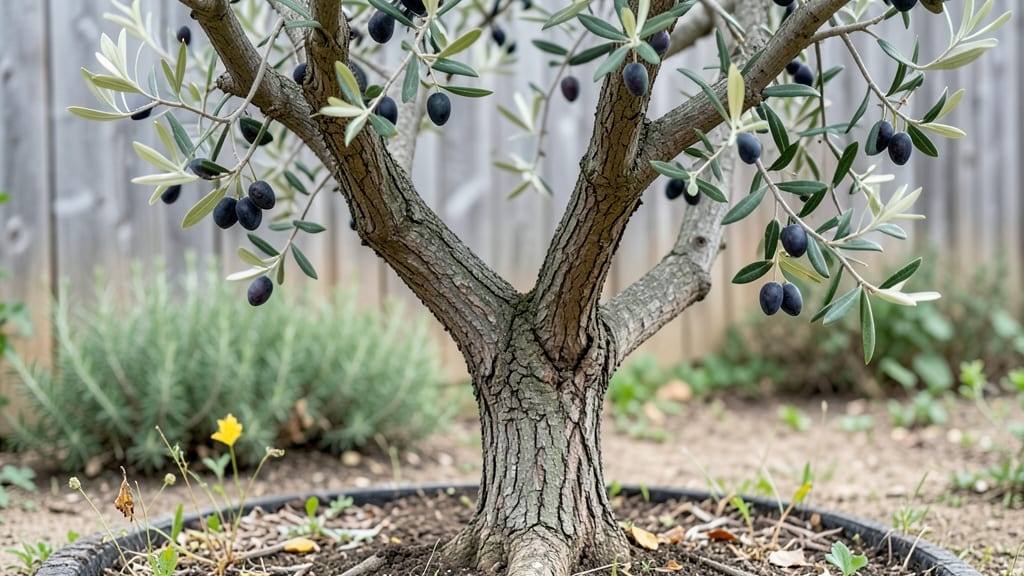
Pruning olive trees old enough to tell stories—like the gnarled specimen in my neighbor’s yard that’s been bearing fruit since before I was born—isn’t just maintenance, it’s preservation. 🌿 These ancient trees don’t respond to harsh cuts like young ones; they demand patience, precision, and a deep respect for their slow, steady growth.
The right approach keeps them productive for decades, even centuries, while the wrong one can turn a heritage tree into a sad, skeletal shadow of itself.
Here’s the thing—old olive trees thrive when you prune with their natural shape, not against it. I’ve learned the hard way that aggressive thinning weakens their resilience, especially in colder climates where they’re already pushing limits.
Instead, focus on open-center pruning in late winter, removing only dead or crossing branches while leaving the skeletal structure intact. A mature tree’s fruit production depends on sunlight reaching the inner canopy, but you can’t rush that—it takes years to perfect.
What you’ll end up with is a tree that looks like it belongs in a Tuscan hillside, not just your backyard. The wood stays sturdy, the fruit becomes sweeter with age, and the tree’s ornamental value skyrockets—especially when you see new growth pushing through ancient bark.
The key is working in small sections over 3-5 years, so the tree adjusts without stress. Patience isn’t just a virtue; it’s the secret to longevity.
This method works whether you’re in a Mediterranean climate or a temperate zone, though colder regions need extra winter protection.
The same principles apply whether your tree is a centuries-old heirloom or a 50-year veteran—because at its core, an old olive tree is just a young one with better manners and more wisdom. Let’s get to the tools and techniques that make it work.
📚 In This Guide
- What you need
- Instructions
- Tips and common mistakes
- Wrapping up and next steps
What you need
- ● Pruning shears: Bypass pruners (sharp, 6–8" blades) for small branches.
- ● Loppers: 10–14" bypass loppers for medium branches (2–4" diameter).
- ● Pruning saw: Curved-tooth saw for thick branches (4"+ diameter).
- ● Disinfectant: 70% isopropyl alcohol or 10% bleach solution (1 part bleach to 9 parts water) to sterilize tools between cuts.
- ● Rubbing alcohol or hand sanitizer: For cleaning hands before and after pruning.
- ● Heavy-duty gloves: Cut-resistant (ANSI A3/A4 rating) to protect hands from thorns and sharp branches.
- ● Safety glasses: To shield eyes from debris.
- ○ Ladder (optional): Sturdy, extendable ladder (20–30 ft) for high branches—always use stabilizers!
- ○ Tar or pruning sealant: (Optional) For sealing large cuts (>2" diameter) to prevent disease.
- ● Weather check: Prune on a dry, overcast day (avoid wind or rain). Early morning or late afternoon is ideal.
- ● Tree knowledge: Identify dead, diseased, or crossing branches—refer to a pruning guide if unsure.
- ● Cleanup supplies: Heavy-duty trash bags (20–30 gallon) and a wheelbarrow for debris.
- ● Water source: Hose or bucket for rinsing tools and hands post-pruning.
- ● 🌡️ Timing matters: Prune olive trees old in late winter or early spring (just before buds swell) to avoid stressing the tree.
- ● ✨ Take your time: Old olive trees have thick, gnarled branches—patience prevents accidental damage!
- ● 🔥 Watch for signs: If branches ooze dark sap, it’s a sign of stress—pause and reassess.
Step-by-step guide to pruning ancient olive trees for longevity
Here's how I've preserved mature olive trees for decades—keeping them healthy, productive, and structurally sound.
🌿 Step 1: Assess the Tree's Structural Health Before Pruning
Begin by examining the tree for signs of stress or disease. Look for dead branches (they'll snap when bent or have no green bark underneath) and areas where the bark has cracked or peeled. I always start at the base and work upward, checking each major limb for sap flow—healthy branches should ooze a bit when cut, while dead ones won't.
Next, identify the tree's natural growth pattern. Olive trees often develop a central leader (main vertical trunk) with lateral branches. If the leader is weak or broken, you'll need to encourage a new one from a strong lateral branch. I mark these with flagging tape so I don't accidentally prune them later. The goal here is to understand the tree's skeleton before making any cuts.
✂️ Step 2: Remove Dead, Diseased, or Crossing Branches First
Use sharp, clean pruning shears to cut out any dead or diseased wood first. Make your cuts just outside the branch collar—the swollen area where the branch meets the trunk. This ensures the tree can seal the wound properly. For larger branches, I use a pruning saw and make the cut at a slight angle to prevent water from pooling.
Next, remove any branches that are rubbing against each other. These create wounds that invite pests and disease. If two branches are crossing, I remove the smaller one or the one growing inward. Never leave stubs—always cut back to the branch collar. This step prevents future structural problems and keeps the tree's energy focused on healthy growth.
☀️ Step 3: Thin the Canopy for Light Penetration and Airflow
Olive trees need light to reach the inner branches for fruit production. I start thinning by removing about 20-30% of the canopy, focusing on branches that are too dense. Look for areas where sunlight struggles to penetrate—these are often the spots where fruit quality suffers. I prioritize branches that are growing inward or downward, as these block light and airflow.
For each cut, I step back frequently to visualize the tree's shape. The goal is to create an open, airy structure that allows sunlight to reach the center. Avoid over-thinning, though—olive trees can handle some density, especially in cooler climates. If you remove too much foliage, the tree may struggle to produce fruit the following season.
🪴 Step 4: Shape the Tree for Balance and Fruit Production
Now it's time to refine the tree's shape. Olive trees respond well to a balanced, rounded canopy, which distributes weight evenly and reduces the risk of storm damage. I focus on maintaining a central leader if one exists, but if the tree is multi-trunked, I ensure no single trunk dominates the others.
To encourage fruit production, I avoid cutting back too aggressively on branches that already bear fruit. Instead, I prune lightly to open up the canopy and improve air circulation. If a branch is overcrowded, I remove some of the smaller, weaker growth while leaving the stronger, fruit-bearing branches intact. This step is about finding the balance between aesthetics and productivity.
⏰ Step 5: Prune at the Right Time for Minimal Stress
Timing is critical when pruning olive trees. In Mediterranean climates, I prune just after harvest and again in late winter before new growth begins. This gives the tree time to heal before the next growing season. If you live in a colder climate, wait until late winter or early spring when the danger of frost has passed.
After pruning, I apply a wound sealant to larger cuts to protect the tree from pests and disease. While olive trees are generally resilient, sealing wounds can speed up the healing process. I also water the tree deeply to help it recover from the stress of pruning. Avoid fertilizing immediately after pruning—wait until new growth appears to give the tree time to adjust.
Tips & tricks for pruning ancient olive trees the right way
Working with mature olive trees requires patience and precision—here's how I've refined my approach over decades to preserve both the tree's health and its fruit-bearing potential.
Branch Collar Precision: In Step 2, when removing branches, the cut just outside the branch collar is everything. I use a sharp pruning saw to make clean cuts at a slight angle—this prevents water from pooling and helps the tree heal faster. If you leave a stub, it creates an open wound that invites disease. For larger branches, I make a second cut slightly farther out to avoid tearing the bark as I remove the branch.
Visualizing the Canopy: During Step 3, when thinning the canopy, I step back every few cuts to visualize the tree's shape. Imagine sunlight pouring through the branches—your goal is to create an open structure where light reaches the center. I focus on removing branches that grow inward or downward, as these block airflow and sunlight. The 20-30% thinning guideline is a safe starting point, but adjust based on your tree's density and climate.
Seasonal Timing Nuances: Step 5 mentions pruning just after harvest and in late winter, but here's the detail I've learned: In Mediterranean climates, I prune the first time 4-6 weeks after harvest when the tree has recovered from fruit production. The second pruning in late winter should happen just as buds begin to swell—this timing ensures the tree has time to heal before new growth begins. In colder climates, I wait until after the last frost date to avoid stressing the tree.
Wound Management: After making cuts, I apply a thin layer of wound sealant to larger branches, but here's what I've found works better: For cuts over 1 inch in diameter, I use a high-quality pruning sealant with copper-based fungicide. For smaller cuts, I skip the sealant entirely—olive trees heal surprisingly well on their own. The key is to make clean cuts in the first place, which prevents the need for heavy sealing.
Pro Tips for Olive Trees Old
- Working with mature olive trees requires patience and precision—here's how I've refined my approach over decades to preserve both the tree's health and its fruit-bearing potential.
- Branch Collar Precision: In Step 2, when removing branches, the cut just outside the branch collar is everything.
- Visualizing the Canopy: During Step 3, when thinning the canopy, I step back every few cuts to visualize the tree's shape.
Frequently asked questions
How old can olive trees realistically live with proper pruning?
With consistent, thoughtful pruning, olive trees can live for centuries—some Mediterranean varieties surpass 1,000+ years! The key is avoiding over-pruning (never remove more than 20-30% of the canopy annually) and focusing on structural health over aggressive shaping. Older trees often produce better-quality fruit due to deep root systems and resilience.
When is the best time to prune an old olive tree for fruit production?
Prune late winter to early spring (Jan–Feb) when the tree is dormant but before new growth starts. This timing minimizes stress and allows energy to focus on fruit development. Never prune in fall—it can stimulate late growth vulnerable to frost. For established trees, a light pruning in summer (July-Aug) can also improve airflow and reduce disease risk.
What’s the difference between pruning for longevity vs. pruning for fruit?
Pruning for longevity focuses on removing dead/diseased wood, thinning crowded branches, and maintaining an open canopy to prevent rot. For fruit production, prioritize selective thinning of old wood (to encourage new growth) and heading back vigorous shoots to redirect energy to fruit-bearing branches. Pro tip: Older trees often need less aggressive pruning—focus on health over shape!
Can I revive an over-pruned olive tree, or is it too late?
Not all hope is lost! If the tree still has a healthy root system, it can recover with gentle care:
Yes! Try these low-stress methods:
If the trunk is shriveled or oozing sap, the tree may be beyond saving.
Are there non-pruning alternatives to improve fruit yield in old trees?
Pro tip: Old trees often respond better to cultural care than aggressive pruning!
Wrapping up and next steps
Old olive trees aren’t just survivors—they’re wise teachers of resilience and productivity. By mastering their centuries-proven pruning techniques, you can nurture healthier trees, boost fruit yields, and preserve their legacy for generations. Whether you're a seasoned gardener or a curious beginner, every trim is a step toward harmony with nature.
Ready to grow with purpose? Grab your pruners, study the branches, and start pruning with confidence. Your olive tree—and future harvests—will thank you! 🌿✨