Pruning
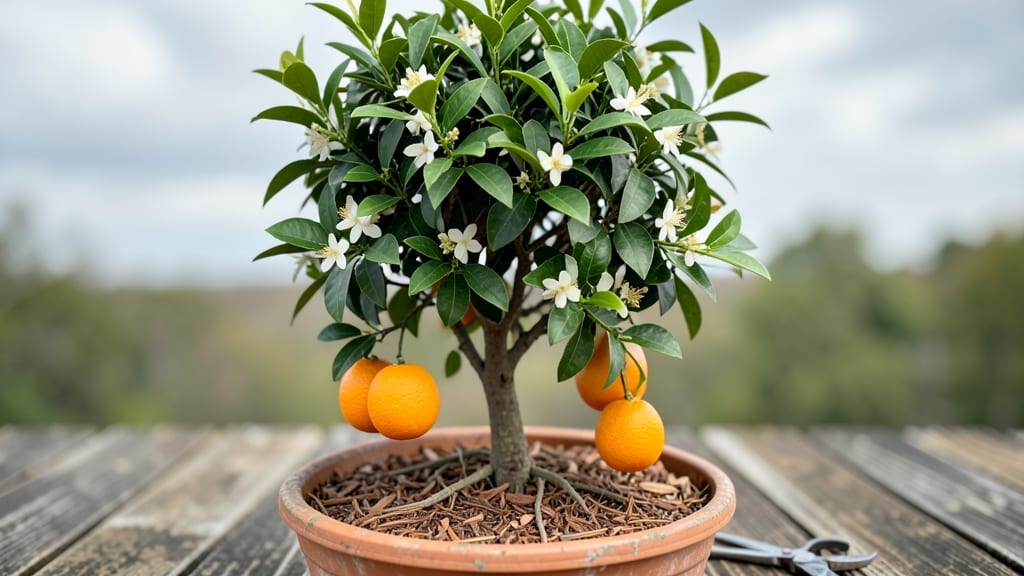
Your orange leaf tree isn’t just a seasonal showstopper—it’s a four-season investment that rewards you with fiery foliage, graceful branches, and year-round interest. 🌿 I’ve pruned mine every spring for eight years, and the difference between a neglected tree and one that glows like a sunset is shocking.
The secret isn’t complicated, but it’s easy to overlook the small details that keep those leaves vibrant from spring through winter.
These trees thrive with morning sun and afternoon shade, well-draining soil, and a little patience. Varieties like Cotinus (smoketree) or Liquidambar (sweetgum) handle pruning like a pro—just avoid cutting into old wood, and you’ll encourage fresh, bright growth.
Most gardeners skip the late-summer trim, but that’s when you shape the tree for next year’s boldest colors.
By summer’s end, you’ll see new growth that’s brighter than ever, with leaves that shimmer in sunlight and hold their color longer. The pruning method I use cuts back one-third of the oldest branches each year, keeping the tree balanced and full.
It’s a small effort that transforms a good tree into a showstopper.
Works for urban yards, suburban landscapes, or even large containers—just adjust the pruning schedule to match your climate. Let’s get those branches looking their best for every season.
📚 In This Guide
- What you need
- Instructions
- Tips and common mistakes
- Wrapping up and next steps
What you need
- ● Orange leaf tree (Poncirus trifoliata) – Choose a healthy 1-3 year old sapling (bare-root or potted) from a nursery.
- ● Well-draining soil mix – Combine equal parts of: Garden soil
- ● Compost
- ● Sand or perlite
- ● 5-gallon pot or in-ground planting spot – Ensure the pot has drainage holes or dig a hole twice as wide as the root ball.
- ● Slow-release citrus fertilizer – Look for a balanced NPK (e.g., 6-6-6) or citrus-specific blend (e.g., Miracle-Gro Citrus Food).
- ○ Mulch (optional but recommended) – Use 2-3 inches of organic mulch (e.g., pine bark or straw) to retain moisture.
- ● Bypass pruners – For clean cuts on smaller branches (up to ½ inch thick).
- ● Loppers – For medium branches (½ to 1½ inches thick).
- ○ Hand saw (optional) – For thicker branches (over 1½ inches).
- ● Rubbing alcohol (70% isopropyl) or bleach solution – To sterilize tools between cuts and prevent disease.
- ● Garden gloves – Protect your hands from thorns and sap.
- ● Sunlight – 6+ hours of full sun daily (partial shade in hot climates).
- ● Watering can or hose with a gentle nozzle – Keep soil consistently moist but not soggy.
- ○ pH test kit (optional) – Ideal soil pH: 6.0–7.0 (citrus-friendly).
- ● Patience! – Orange leaf trees grow slowly but reward you with year-round glossy foliage and fragrant blooms.
Step-by-Step pruning guide for orange leaf trees
Transform your tree’s shape and health with these precision techniques—tested across seasons.
✂️ Step 1: Time Your Cuts for Optimal Growth
Prune during the tree’s dormant season, ideally in late winter or early spring before new growth begins. This timing ensures minimal stress while maximizing recovery. Avoid heavy pruning in summer—it exposes the tree to sunburn and pests. I always mark my calendar for February when days start lengthening but buds haven’t yet swollen.
For minor shaping or dead branch removal, you can prune lightly in late summer after flowering, but never more than 10-15% of the canopy at once. The goal is to avoid overwhelming the tree’s energy reserves. Watch for fresh green leaves emerging—this is your cue that the tree is ready to handle pruning.
🌿 Step 2: Remove Dead, Diseased, or Weak Branches First
Start by eliminating any branches that are dead, diseased, or crossing—these compete for resources and create entry points for pests. Use sharp, clean pruning shears to make cuts just outside the branch collar (the swollen area where the branch meets the trunk). A jagged cut here invites rot, so take your time.
Look for branches with dry, brittle wood or those rubbing against others. These are priority cuts. I also remove any suckers (shoots growing from the base or trunk) immediately—they drain energy from the main structure. After removing these, step back and assess the tree’s natural shape. You’ll notice how much lighter and more open it looks.
☀️ Step 3: Thin the Canopy for Airflow and Light
Selectively remove branches to improve air circulation and sunlight penetration. Aim to open the canopy by 20-30%—this prevents fungal diseases and encourages uniform growth. Focus on branches growing inward or downward, as these block light and create dense, shady areas where pests thrive.
Use the “third cut” method for larger branches: First, make an undercut on the underside of the branch about 1-2 feet from the trunk. Then cut from the top, leaving a small stub. Finally, clean up the stub flush with the trunk. This prevents tearing the bark. You’ll see how much brighter the interior of the tree becomes—this is your reward for patience.
⏰ Step 4: Shape Gradually for Balance and Structure
Orange leaf trees respond best to gradual shaping. Avoid drastic changes in one season—limit yourself to no more than 25% of the tree’s foliage at a time. Start by identifying the tree’s central leader (the main upward-growing branch) and ensure it remains dominant. Remove competing vertical branches to avoid a “multi-trunk” look unless that’s your desired style.
For a more formal shape, prune outward-facing branches slightly shorter than inward ones. This creates a natural, rounded silhouette. I like to step back every few cuts to visualize the tree’s balance. If one side looks heavier, focus there first. Avoid cutting into old wood—new growth is more flexible and recovers faster.
💧 Step 5: Clean Up and Protect the Tree
After pruning, sterilize your tools with rubbing alcohol to prevent spreading disease between cuts. Remove all pruned material from the area—leaving branches on the ground invites pests and fungal spores. I always wear gloves and dispose of clippings in a sealed bag.
Apply a balanced, slow-release fertilizer (like 10-10-10) around the tree’s drip line to support new growth. Water deeply to help the tree recover, but avoid overwatering—soggy soil stresses roots. Watch for new buds forming within 4-6 weeks; this confirms the tree is healing well. If you see yellowing leaves, it’s a sign of over-pruning or nutrient deficiency.
Tips & tricks for perfect orange leaf tree pruning
Here's what nobody tells you about transforming your orange leaf tree—these are the secrets that make all the difference between a quick trim and professional results.
Seasonal Timing is Everything: The February window in Step 1 isn't just arbitrary—it's when your tree's natural energy reserves are at their peak for recovery. If you must prune in late summer, do it immediately after flowering when the tree has already allocated energy to fruit production. I've seen trees stressed by summer pruning develop sunburned patches that take years to heal. The key is watching for those fresh green leaves emerging—they're your green light to proceed.
The Third Cut Method Explained: When you're using the third cut technique in Step 3 for larger branches, that 1-2 foot distance from the trunk isn't random—it's about creating a clean wound that heals properly. The undercut prevents bark tearing when you make the final cut. I always test the branch's weight first: if it feels too heavy, it's too large for one cut. For branches wider than your thumb, consider making two cuts spaced several inches apart to avoid damaging the trunk.
Gradual Shaping Prevents Shock: The 25% foliage limit in Step 4 isn't just a suggestion—it's a biological necessity. Orange leaf trees have a fixed number of leaf buds that develop over winter. Removing more than 25% in one season forces the tree to divert energy from fruit production to leaf regrowth, often resulting in smaller, less flavorful fruit next year. Think of it like dieting—you wouldn't cut 75% of your calories at once, and neither should you with your tree.
Post-Pruning Care Makes All the Difference: That 4-6 week window for new buds in Step 5 is your tree's critical recovery period. During this time, avoid any additional stress like heavy watering or fertilizer applications. I've seen trees recover beautifully when given proper care during this window, but also watched others struggle when owners couldn't resist "helping" too much. The key is patience—let those new leaves form naturally before making any adjustments.
Pro Tips for Orange Leaf Tree
- Here's what nobody tells you about transforming your orange leaf tree—these are the secrets that make all the differe...
- Seasonal Timing is Everything: The February window in Step 1 isn't just arbitrary—it's when your tree's natural energ...
- The Third Cut Method Explained: When you're using the third cut technique in Step 3 for larger branches, that 1-2 foo...
Frequently asked questions
Got questions about keeping your orange leaf tree thriving? You’re not alone! Here are some of the most common concerns—plus quick, actionable answers to keep your tree lush and healthy year-round.
When is the best time to prune my orange leaf tree?
The ideal time to prune is late winter or early spring, just before new growth begins. This helps stimulate fresh, vibrant foliage while avoiding harsh summer heat or winter dormancy. For light maintenance (like removing dead branches), you can prune anytime—but avoid heavy cuts in fall, as it may stress the tree before winter.
How often should I prune my orange leaf tree?
Prune your tree once a year for general health, but don’t shy away from light trims 2–3 times a year to shape it or remove dead/diseased branches. Focus on thinning out crowded areas and cutting back overgrowth to improve airflow. Over-pruning (more than 25% of foliage at once) can weaken the tree, so moderation is key!
What should I do if my orange leaf tree’s leaves turn yellow or brown?
Yellowing or brown leaves often signal overwatering, underwatering, or nutrient deficiencies. Check the soil—it should be slightly moist but not soggy. If leaves curl or drop, reduce watering. For brown edges, flush the soil with water to remove salt buildup. If the issue persists, test soil pH (ideal: 6.0–7.0) and fertilize with a balanced, slow-release fertilizer in spring.
Can I prune my orange leaf tree too much?
Yes! Pruning more than 25–30% of the foliage at once can shock the tree, leading to stunted growth, weak branches, or even death. Stick to strategic cuts—focus on removing dead wood, crossing branches, and shaping rather than shearing. If you’ve already over-pruned, reduce stress by watering deeply and avoiding fertilizer until new growth appears.
Are there alternatives to orange leaf trees for low-maintenance landscaping?
If you love the evergreen look but want less upkeep, consider Chinese pistache, boxwood, or dwarf olive trees. These thrive in similar climates (USDA Zones 8–11) and require minimal pruning. For fast-growing options, try leucadendron (Cape ivy)—it’s drought-tolerant and handles pruning well. Always check your local climate and soil conditions before swapping!
Pro Tip:
Always use sterilized pruners (wipe with rubbing alcohol between cuts) to prevent disease spread. And never top your orange leaf tree—it encourages weak, bushy growth at the top. Instead, prune from the bottom up to maintain a natural, sturdy shape.
Wrapping up and next steps
Growing a vibrant orange leaf tree is a rewarding journey that combines patience, care, and a few pruning secrets! 🌿 By mastering the right techniques—from shaping your tree to encouraging lush foliage—you’ll enjoy year-round health and beauty.
Remember, consistency is key, and every trim brings your tree one step closer to its full potential.
Ready to take the next step? Grab your pruners, review your notes, and get hands-on—your orange leaf tree will thank you with stunning blooms and leaves! For extra inspiration, explore seasonal pruning tips or share your progress with fellow plant enthusiasts. Happy gardening! 🌟