
Shrubs
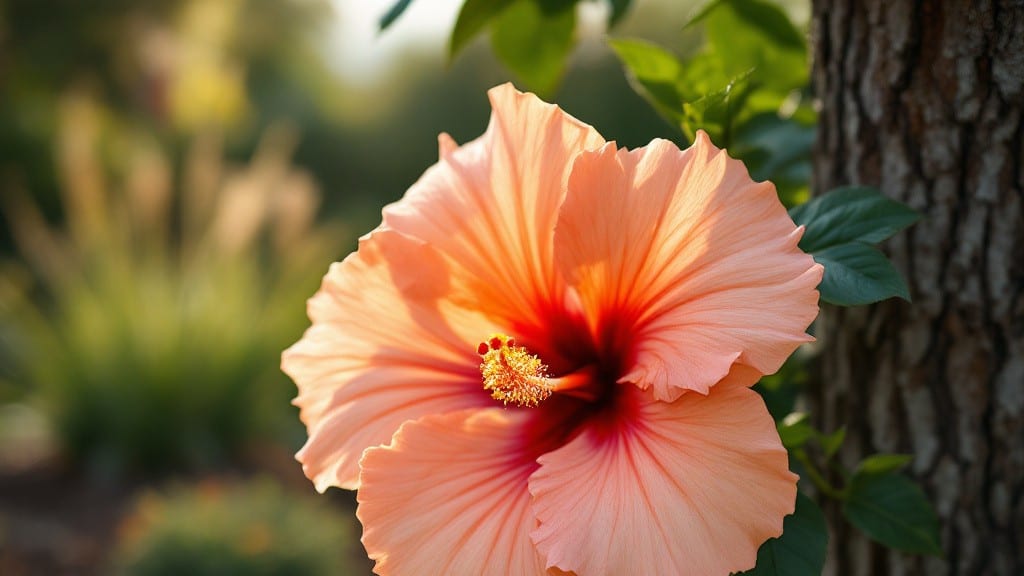
Growing a peach hibiscus tree in the Pacific Northwest is like bringing a splash of tropical sunshine to your yard—its frost-resistant blooms thrive where most hibiscus would freeze. 🌸 I planted mine three years ago, and now it’s covered in velvety peach flowers from June through September, even after our chilly spring nights.
The key isn’t just the variety (this one’s a cold-hardy cultivar) but the right spot and care routine that keeps it blooming year after year.
The secret to success starts with well-draining soil—mix in compost to help it handle our wet winters—and a sunny location where it gets at least 6 hours of direct sunlight daily. Water deeply once a week (more in summer), but avoid soggy roots, which lead to yellow leaves.
Mulch around the base to protect roots from temperature swings, and you’ll see stronger growth and bigger blooms. Most gardeners struggle with winter dieback, but this variety recovers beautifully with proper shelter.
By summer’s end, you’ll have a tree dripping with 5-inch blooms that attract hummingbirds and add a romantic touch to patios or garden borders. Prune lightly in late winter to shape it and remove dead wood, but avoid heavy cuts—this tree blooms on old wood, so less is more.
The payoff? A low-maintenance stunner that outperforms most hibiscus in our climate. Let’s get yours growing strong!
Works equally well in containers (for patios) or planted in the ground, and even handles light frost down to 20°F—perfect for our unpredictable PNW winters. The only real challenge is keeping it blooming past early fall, but with the right care, you’ll enjoy those peach blossoms well into October.
Ready to transform your garden?
📚 In This Guide
- What you need
- Instructions
- Tips and common mistakes
- Wrapping up and next steps
What you need
- ● Peach hibiscus plant: 1 seed (if starting from scratch) or
- ● 1 healthy sapling (3–5 feet tall, from a nursery or trusted grower)
- ● Well-draining soil: 5–10 bags (1 cubic foot each) of a mix like cactus/succulent blend or amend native soil with compost (20%) and perlite (10%).
- ● Container (if potted): 1–2 large pots (15–20 gallons) with drainage holes or a raised bed (4’x4’ minimum) for in-ground planting.
- ● Fertilizer: 1 balanced liquid fertilizer (10-10-10) or
- ● 1 slow-release granular fertilizer (e.g., 8-3-9) for seasonal feeding.
- ● Mulch: 2–3 bags of organic mulch (pine bark or straw) to retain moisture and insulate roots.
- ● Pruning tools: 1 pair bypass pruners (for small branches)
- ● 1 hand saw (for thicker stems, if needed)
- ● Watering can or hose: With a gentle spray nozzle to avoid damaging delicate leaves.
- ○ Support structure (optional for young trees): 1 small stake or trellis (if planting in windy areas).
- ● Frost cloth or row covers: 1–2 lightweight blankets to protect young plants during unexpected cold snaps (PNW winters can be tricky!).
- ● Epsom salt: 1 small bag (for magnesium boosts, especially in clay-heavy soils).
- ● Plant food with micronutrients: Like fish emulsion or seaweed extract for vibrant blooms.
- ● Pest control: Neem oil spray (for aphids or spider mites)
- ● Beneficial nematodes (preventative for soil pests)
- ● Garden gloves: To keep your hands clean while handling soil or thorns.
Step-by-step instructions for planting and caring for peach hibiscus trees
Here's how to bring this stunning Pacific Northwest favorite into your garden with confidence.
🌱 Step 1: Choose the Perfect Planting Spot
Peach hibiscus thrives in full sun—at least 6-8 hours daily. In the Pacific Northwest, where summers are mild, pick a location that gets morning sun and afternoon shade if your area tends to heat up. The tree handles light frost down to 20°F, but avoid low spots where cold air settles.
Check the soil drainage before planting. Hibiscus roots rot easily in soggy conditions. If your soil feels compacted when squeezed, amend it with 2-3 inches of compost mixed into the top 12 inches of soil. The tree's roots will thank you with vigorous growth.
🪴 Step 2: Plant at the Right Depth and Support
Dig a hole twice as wide as the root ball but no deeper. Gently remove the plant from its container and loosen any circling roots with your fingers. Position the tree so the top of the root ball sits 1 inch above ground level—this prevents water from pooling around the stem.
Backfill with native soil, tamping lightly every 2 inches to remove air pockets. Water deeply to settle the soil, then add a 3-inch layer of mulch around the base, keeping it 3 inches away from the trunk. Use a small stake and soft tie to support the tree if it's taller than 3 feet—hibiscus can get top-heavy.
☀️ Step 3: Water Deeply and Establish a Routine
Water immediately after planting, soaking the soil to a depth of 12 inches. Hibiscus needs 1-2 inches of water weekly during the first growing season, but let the top 2 inches of soil dry out between waterings to prevent root rot. In the Pacific Northwest's damp climate, you'll likely water less than in drier regions.
After the first month, reduce watering slightly but maintain consistent moisture. You'll know it's right when the soil feels like a wrung-out sponge—damp but not soggy. Avoid wetting the leaves when watering to prevent fungal diseases like powdery mildew.
✂️ Step 4: Prune for Shape and Encourage Blooms
Prune in late winter or early spring before new growth appears. Remove any dead or crossing branches first, then shape the tree by cutting back 1/3 of the previous year's growth to encourage bushier growth. Hibiscus blooms on new wood, so don't be afraid to cut—more pruning means more flowers.
Watch for suckers growing from the base. Remove these immediately—they drain energy from your main plant. After flowering, trim back spent blooms to just above a leaf node to promote continuous blooming through the season.
🌿 Step 5: Protect and Prepare for Winter
In fall, reduce watering as temperatures drop. Once nighttime temps consistently stay below 40°F, stop fertilizing. The tree enters dormancy naturally, but you can give it a little help by wrapping the trunk with burlap or tree wrap to protect against winter sun scald.
Mulch heavily—4-6 inches of organic mulch—to insulate roots. In areas with hard freezes (below 15°F), cover the entire plant with frost cloth or a thick blanket secured with stakes. Remove the cover in spring once new growth appears.
Tips & tricks for perfect peach hibiscus planting
Let me share the little details that'll help your peach hibiscus thrive from day one in your Pacific Northwest garden.
Sunlight Strategy: That 6-8 hours of daily sun is non-negotiable for vibrant blooms, but here's the thing: in our region's mild summers, morning sun with afternoon shade actually protects the delicate flowers from afternoon heat stress. I've seen trees in full afternoon sun get sunburned leaves—so if you're in a hot microclimate, that afternoon shade makes all the difference.
Soil Prep Secret: Before amending with compost, do this quick test: squeeze a handful of your native soil. If it holds its shape like clay, you definitely need that 2-3 inches of compost mixed into the top 12 inches. If it crumbles easily, your soil's probably fine—just add a thin layer of compost on top instead. The goal is that wrung-out sponge texture we want for those roots.
Watering Wisdom: The 1-2 inches weekly guideline works, but pay attention to your soil's actual moisture level. In our damp climate, you might only need watering every 10 days once established. The key is that top 2 inches of soil drying out between waterings—stick your finger in to check. Overwatering is the #1 killer of hibiscus, so when in doubt, wait a day or two.
Winter Protection Hack: For those hard freezes below 15°F, I've found that wrapping the trunk with burlap isn't enough—you need to create an air pocket. Wrap the burlap, then add a layer of bubble wrap over it. This double layer traps just enough warmth while still letting the tree breathe. And always remove covers in spring when you see new growth—don't wait for consistent warmth.
Pro Tips for Peach Hibiscus Tree
- Let me share the little details that'll help your peach hibiscus thrive from day one in your Pacific Northwest garden.
- I've seen trees in full afternoon sun get sunburned leaves—so if you're in a hot microclimate, that afternoon shade makes all the difference.
- Soil Prep Secret: Before amending with compost, do this quick test: squeeze a handful of your native soil.
Frequently asked questions
Got questions about growing and caring for your peach hibiscus tree? You’re not alone—this stunning PNW favorite has its quirks! Here are answers to the most common queries to help you nurture a thriving, frost-resistant beauty in your garden.
How cold can a peach hibiscus tree tolerate?
The peach hibiscus (Hibiscus moscheutos) is one of the toughest hibiscus varieties, surviving temperatures down to 15–20°F (-9 to -7°C). However, young plants or newly transplanted trees may need winter protection (like mulch or burlap wraps) until established. In the PNW’s wet winters, ensure good drainage to prevent root rot—even frost-resistant plants hate soggy feet!
When should I prune my peach hibiscus tree?
Prune in late winter or early spring (February–March) before new growth begins. Remove dead, crossing, or weak branches first, then thin out 1/3 of the oldest wood to encourage bushier blooms. Avoid heavy pruning in fall—it stimulates tender growth that won’t survive winter. Pro tip: Wear gloves! The stems have tiny hairs that can irritate skin.
Are peach hibiscus trees prone to pests or diseases?
These trees are generally low-maintenance, but watch for aphids, spider mites, or Japanese beetles (they love the flowers!). Treat infestations early with neem oil or insecticidal soap. Fungal issues like powdery mildew can occur in humid PNW summers—improve airflow and avoid overhead watering. Prevention tip: Mulch around the base to deter soil-borne pathogens.
How much sun does a peach hibiscus tree need?
Peach hibiscus thrives in full sun (6+ hours daily), but in hotter PNW summers, morning sun + afternoon shade prevents leaf scorch. In cooler coastal areas, they tolerate partial shade but may produce fewer blooms. Amend heavy clay soil with compost to ensure roots stay happy—these trees hate soggy conditions!
Can I grow a peach hibiscus in a container?
Yes! Choose a large container (at least 24” wide) with drainage holes and use a well-draining potting mix. Container-grown trees need regular watering (they dry out faster) and winter protection (move to a sheltered spot or wrap the pot). Dwarf varieties like ‘Southern Belle’ are ideal for pots—just expect slightly smaller blooms than their in-ground counterparts.
What’s a good alternative if peach hibiscus doesn’t thrive in my yard?
If your soil is too acidic or wet, try these PNW-friendly hibiscus alternatives:
- Rose of Sharon (Hibiscus syriacus): More drought-tolerant and adaptable to clay soil.
- Hibiscus coccineus (Scarlet Hibiscus): Prefers moist soil but handles partial shade better.
- Butterfly Bush (Buddleia davidii): Drought-resistant and attracts pollinators (though not a hibiscus).
Wrapping up and next steps
The peach hibiscus tree is a stunning, frost-resistant gem perfect for the Pacific Northwest’s climate—adding vibrant blooms, lush foliage, and year-round interest to your garden. Whether you’re drawn to its delicate flowers, low-maintenance care, or resilience, this beauty is a game-changer for outdoor spaces.
Ready to transform your yard? Start by choosing your planting spot, gathering supplies, and giving this showstopper the love it deserves! 🌸
- Next step: Pick a sunny location, prep the soil, and plant your peach hibiscus tree—your garden’s new star is waiting!