Pruning
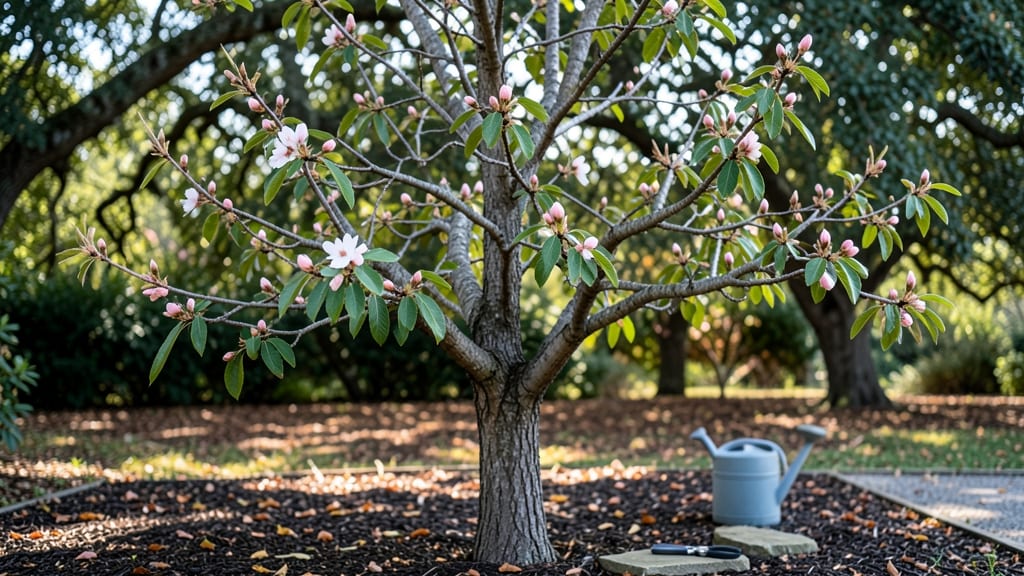
Peach tree flower buds are the secret to your tree’s future harvest, and pruning them right means the difference between a sparse crop and branches heavy with fruit. 🌸 I’ve spent years watching my peach tree’s buds transform from fuzzy pink clusters into blossoms—and then into the sweetest fruit of the season.
The key isn’t just cutting branches, but understanding when and how to shape the tree so those buds thrive.
Healthy buds appear in late winter or early spring, looking like tiny, rounded swellings along the branches. Damaged ones are shriveled, brown, or oozing sap—signs of frost, disease, or pests. The best time to prune is dormant season, when the tree isn’t actively growing, but before buds swell.
Use sharp pruners to make clean cuts just above a bud or branch collar, and avoid heavy pruning in late summer, which stresses the tree.
With the right pruning, your tree will produce vibrant, abundant blooms every year, leading to a bountiful harvest. Focus on opening the canopy for sunlight and air circulation, which reduces disease and encourages strong bud formation.
A well-pruned tree also bears fruit closer to the trunk, making it easier to pick—and less tempting for squirrels to steal!
Fertilize in early spring with a balanced 10-10-10 or fruit-specific blend to support bud development, and mulch around the base to retain moisture. If buds look weak or drop off, check for bud blast (a fungal disease) and treat with copper spray.
With these steps, your peach tree will reward you with years of reliable blooms and fruit.
📚 In This Guide
- What you need
- Instructions
- Tips and common mistakes
- Wrapping up and next steps
What you need
- ● Pruning shears: Bypass pruners (for small branches, sharp and clean-cut) – 1 pair (e.g., Felco F-2 or Corona Pro).
- ● Loppers: For thicker branches (½"–1½" diameter) – 1 pair (e.g., Fiskars X27).
- ● Hand saw: Pruning saw with a curved blade (for stubborn branches >1½") – 1 (e.g., Bahco Laplander).
- ● Disinfectant: 70% isopropyl alcohol or 10% bleach solution (to sterilize tools between cuts).
- ○ Pruning sealant: Optional but recommended for large cuts (>½") – 1 small bottle (e.g., Tanglefoot Tree Wound Pruning Seal).
- ● Gloves: Heavy-duty gardening gloves (cut-resistant if needed).
- ● Ladder: Sturdy, extendable ladder (if tree exceeds 8–10 ft).
- ● Trash bags: For collecting pruned debris.
- ● Extension pole saw: For high branches without a ladder.
- ● Marking spray: Fluorescent paint to tag cuts for future reference.
- ● Sharpener: File or stone for honing dull blades mid-pruning.
- ● Notebook/pencil: To sketch the tree’s structure before/after pruning.
- ● Safety gear: Goggles and long sleeves (for thorny varieties).
How to prune a peach tree for maximum flower bud formation
Here's the method I've used for years to turn my peach tree into a blooming powerhouse.
✂️ Step 1: Timing Your Pruning for Bud Development
Prune your peach tree during late winter or early spring, just as buds begin to swell but before any leaves appear. This timing ensures you're removing last year's growth while preserving the flower buds that form on one-year-old wood. I always check for plump, reddish buds—these are your future blooms.
If you prune too early, you risk cutting off next year's buds. If you wait too long, you'll remove flower buds that have already formed. The 3-4 week window before bloom is critical. Mark your calendar now—this is the moment that matters.
🌿 Step 2: Removing Dead, Diseased, or Crossing Branches
Start by cutting out any dead, diseased, or weak branches using clean, sharp pruners. Look for branches that are gray, brittle, or oozing sap—these won't produce flowers and may harbor pests. I always make my cuts at a 45-degree angle, about ¼ inch above a healthy bud.
Next, remove branches that cross or rub against each other. These create wounds that invite disease and block sunlight from reaching the center of the tree. You'll see the tree's natural open vase shape emerge as you work. This airflow improves bud health and reduces the risk of fungal infections.
☀️ Step 3: Thinning to Improve Light Penetration
Selectively thin branches to let sunlight reach the center of the tree. Peach trees need 6-8 hours of direct sun for strong flower bud development. I aim to keep the inner branches spaced 6-12 inches apart, removing any that grow inward or downward.
Don't remove more than 25% of the tree's canopy in one season—this stresses the tree and reduces flowering. Watch for new growth at the base after pruning; these are your future flowering branches. If a branch is too crowded, cut it back to a strong outward-facing bud to encourage better light exposure.
🌱 Step 4: Shaping for Future Blooms
Shape the tree to encourage outward growth and flower bud formation. Focus on scaffold branches—the main limbs that form the tree's structure. These should be well-spaced and sturdy, with flower buds forming along their length. Cut back any suckers (shoots growing from the base or roots) immediately.
Here's the thing—peach trees flower best on mature wood. By pruning to maintain a balanced shape, you're ensuring that next year's flower buds develop on last year's growth. I always step back to check my work—if the tree looks lopsided, I adjust until it's balanced from all angles.
⏰ Step 5: Post-Pruning Care for Bud Health
After pruning, water deeply to help the tree recover. Apply a balanced fertilizer (10-10-10) to support new growth and flower bud formation. I also spread 2-3 inches of mulch around the base to retain moisture and regulate soil temperature.
Monitor the tree for new shoots in spring—these will develop into next year's flowering branches. If you see yellowing leaves, it could mean over-pruning or nutrient deficiency. Adjust your approach next year. The goal is strong, healthy growth that translates into abundant flower buds for the following season.
Tips & tricks for perfect peach tree flower bud pruning
Real talk: Pruning isn't just cutting branches—it's sculpting your tree's future blooms. These are the details that separate a tree with a few flowers from one covered in blossoms.
Timing is Everything: That 3-4 week window before bloom is your golden opportunity. I learned this the hard way after pruning too early and missing next year's buds entirely. Check for plump, reddish buds that feel firm when gently squeezed—these are your future blooms. If you're unsure, wait until you see buds swelling but no green leaves emerging. This ensures you're preserving next year's flowers while removing last year's spent growth.
Tool Prep Matters: Your pruners should be as sharp as a chef's knife—dull blades tear wood and create messy wounds. I clean my pruners with rubbing alcohol between cuts to prevent spreading disease. For larger branches, use loppers or a pruning saw, but always make cuts at a 45-degree angle about ¼ inch above a healthy bud. This angle helps water run off, preventing rot. Never leave stubs—they invite pests and disease.
Light Exposure Strategy: The 6-8 hours of direct sun mentioned in Step 3 is non-negotiable for bud development. When thinning branches, aim to create a "fishbone" pattern where sunlight can penetrate to the center. I test this by standing in the tree's shade at noon—if you can't see the ground through the branches, you need to thin more. Remember, peach trees flower best on mature wood, so focus on maintaining those established scaffold branches while removing inward-growing branches that block light.
Post-Pruning Recovery: After you've finished pruning, don't just walk away. That deep watering and 2-3 inches of mulch aren't just suggestions—they're essential for recovery. I always water immediately after pruning to replace lost moisture, then add mulch to regulate soil temperature and prevent weeds. This care period is when your tree builds the energy it needs for next year's spectacular bloom. Think of it as giving your tree a spa day after its makeover.
Pro Tips for Peach Tree Flower Buds
- Real talk: Pruning isn't just cutting branches—it's sculpting your tree's future blooms.
- Timing is Everything: That 3-4 week window before bloom is your golden opportunity.
- Tool Prep Matters: Your pruners should be as sharp as a chef's knife—dull blades tear wood and create messy wounds.
Frequently asked questions
Got questions about peach tree flower buds?
You’re not alone! Here are answers to the most common concerns—from timing to troubleshooting—so you can keep your tree blooming beautifully.
When should I prune peach tree flower buds?
Prune after harvest (late summer to early fall) or before buds swell in early spring. Avoid pruning during dormancy (winter) or when buds are actively blooming—this can stress the tree. For best results, focus on shaping in late winter or removing dead wood in early spring.
What if my peach tree buds freeze or don’t open?
Peach trees are sensitive to late frosts (<28°F). If buds freeze, they’ll turn brown and mushy. To prevent this, prune strategically to improve airflow and consider frost cloths for young trees. If buds fail to open, check for pests (like peach tree borers) or fungal issues (like brown rot).
Can I prune flower buds to get bigger fruit?
Yes! Thinning flower clusters (not buds) can improve fruit size and quality. Remove 20–30% of blooms in early spring to reduce competition for nutrients. Focus on weak or crowded clusters—this encourages larger, healthier peaches. Pro tip: Use sharp pruners to avoid damaging buds!
How often should I prune peach tree flower buds?
Annual pruning is ideal, but adjust based on tree health. Young trees (1–3 years) need light shaping yearly, while mature trees benefit from structural pruning every 2–3 years and light maintenance annually. Always remove dead, diseased, or crossing branches first.
What should I avoid when pruning peach tree buds?
- Over-pruning: Never remove more than 25% of the canopy at once—this stresses the tree.
- Pruning too late: Avoid heavy cuts after June (new growth won’t harden before winter).
- Ignoring tools: Use sterilized, sharp pruners to prevent disease spread.
- Skipping safety: Wear gloves—peach tree sap can irritate skin!
Wrapping up and next steps
Caring for your peach tree’s flower buds is the secret to a lush, fruit-bearing future! 🌸 By mastering the right pruning techniques—like timing, tool selection, and strategic cuts—you’ll encourage vibrant blooms and bountiful harvests year after year.
Remember, patience and precision pay off in the form of stunning spring flowers and juicy peaches.
Ready to transform your tree? Start by observing your tree’s growth this season and experiment with small adjustments. Before you know it, your peach tree will be the star of your garden—and your neighbors will be jealous! 🌱