Propagation
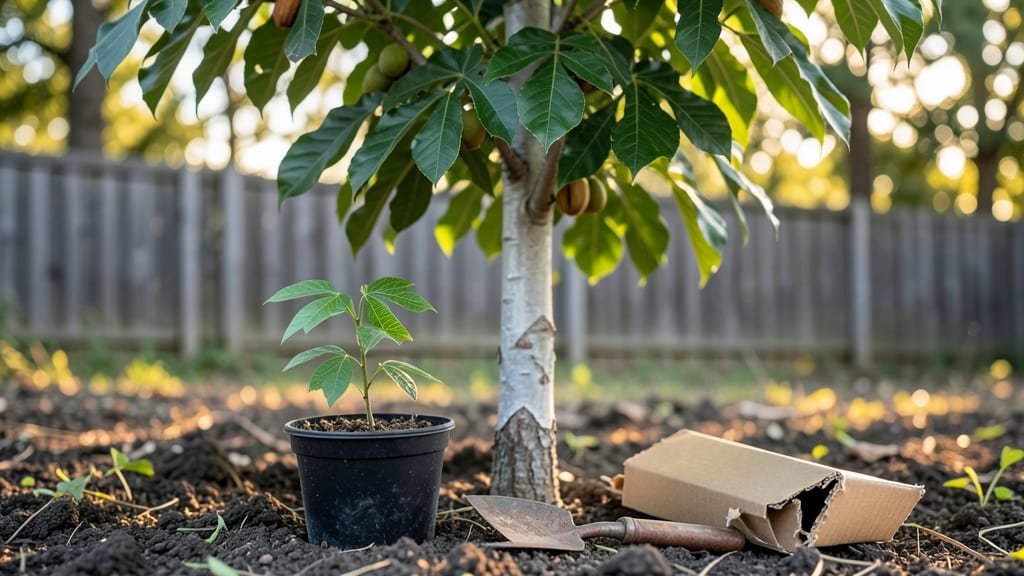
Growing a pecan tree from seed is slower than most gardeners expect—but I cracked the code after my first attempt took three years to produce its first nut. The trick isn’t rushing germination; it’s understanding that pecans need patience, the right soil, and a little winter magic to break dormancy.
You’ll start with fresh, plump pecans (store-bought won’t work—they’re pasteurized). After removing the shell, soak them in water for 24 hours, then plant them 1–2 inches deep in a pot with well-draining soil. The real secret?
Cold stratification: refrigerate the pot for 60–90 days to mimic winter, then move it to bright light. This mimics nature’s timing and speeds up germination—though it still takes 4–12 weeks once you bring it indoors.
Once sprouted, keep the soil consistently moist but never soggy, and give it full sun (6+ hours daily). The first year focuses on root development—your tree will look like a twig, but those roots are the foundation for a 50-foot giant in 20 years.
By year 3, you’ll see real growth, and with proper care, you’ll finally taste the reward of your patience.
This method works best in zones 6–9, but even in colder climates, the indoor stratification trick ensures success. The key is consistency: water, light, and that cold stratification step.
Skip any of them, and you’re back to square one. But get it right, and you’re growing a tree that could feed your family for decades.
📚 In This Guide
- What you need
- Instructions
- Tips and common mistakes
- Wrapping up and next steps
What you need
- ● Mature pecan seeds: Fresh, high-quality seeds from a healthy pecan tree (collect or purchase at least 10 seeds for better success rates).
- ● Potting mix: Well-draining, sterile seed-starting mix (or a blend of 50% peat moss, 30% perlite, and 20% vermiculite).
- ● Containers: Small pots (4–6 inches in diameter) with drainage holes (1–2 seeds per pot to avoid overcrowding).
- ● Plastic wrap or humidity dome: To maintain moisture during germination.
- ● Spray bottle: For gentle watering (avoid over-saturating the soil).
- ○ Heat mat (optional but helpful): A seedling heat mat (70–80°F) to speed up germination.
- ● Grow lights or sunny windowsill: A south-facing window or LED grow lights (12–14 hours/day) for seedlings.
- ● Larger pots or nursery bed: For transplanting seedlings (1–2 gallons) once they sprout true leaves.
- ● Fertilizer: Balanced, slow-release fertilizer (e.g., 10-10-10) for young trees.
- ● Mulch: Organic mulch (e.g., wood chips) to retain moisture and protect roots.
- ● Patience and care: Pecan trees grow slowly—be prepared for years of nurturing!
Step-by-step instructions for growing pecan trees from seed
Here's how to jumpstart your pecan tree with proven techniques that speed up germination.
Harvest and Stratify the Seeds
Collect pecans in late fall after they've fallen naturally from the tree. The key to fast germination is breaking their natural dormancy through a process called stratification. Place the seeds in a plastic bag with a damp paper towel, then refrigerate them for 90-120 days at 35-40°F. Check the towel weekly and mist with water if it dries out—seeds should feel damp but not soggy.
This cold treatment mimics winter conditions and tricks the seed into thinking spring has arrived. I always label the bag with the date so I don't accidentally let them sit too long. After 3 months, your seeds will be ready for planting, with germination rates often exceeding 70% when done correctly.
Prepare the Planting Site or Containers
Pecan trees need deep, well-draining soil with a pH between 6.0 and 7.5. If planting directly in the ground, choose a location with full sun and space for the tree to reach 60-100 feet at maturity. Dig a hole twice as wide as the seed but only 1 inch deep—they shouldn't be buried too deeply.
For container growing, use a 5-gallon pot with a mix of 60% potting soil and 40% sand or perlite to improve drainage. Fill the pot halfway, then place the seed on top. The large size accommodates the tree's deep root system while you wait for germination. Water the soil until it's moist but not waterlogged—you want the seedbed to stay consistently damp.
Plant and Maintain Moisture for Germination
Place the stratified seed in the prepared hole or container, covering it with ½ inch of soil. Press gently to ensure good contact but don't compact the soil. Water lightly to settle the soil around the seed, then cover the container or mound soil around the planting area to retain moisture. Keep the soil temperature between 70-80°F for optimal germination.
Pecan seeds can take 30-90 days to sprout, depending on stratification success. Use a spray bottle to mist the soil daily—never let it dry out completely. You'll know germination has started when the first green shoot breaks through the soil. At this stage, remove any soil mound and provide bright, indirect light to prevent leggy growth.
Transplant and Provide Long-Term Care
Once seedlings reach 6-8 inches tall and have 4-6 true leaves, they're ready to transplant. If growing in containers, move them to a 10-gallon pot with fresh potting mix. For outdoor planting, choose a day with overcast conditions to reduce transplant shock. Dig a hole twice as wide as the root ball and as deep as the container.
Water deeply after transplanting to settle the soil and encourage root growth. Pecan trees need 1-2 inches of water weekly during their first year, but avoid waterlogging the roots. Mulch around the base with 2-3 inches of organic mulch to retain moisture and regulate soil temperature. Young trees benefit from full sun and protection from strong winds.
Prune and Train for Strong Growth
In the first year, focus on establishing a strong root system. Prune any weak or crossing branches in late winter or early spring to encourage a single, strong leader if growing a standard tree. Use clean, sharp pruners to make cuts just above a bud or lateral branch to promote healing.
By the second year, you can begin shaping the tree. Remove any suckers (shoots growing from the base) and water sprouts (vertical shoots from branches) to direct energy into fruit production. Fertilize lightly in early spring with a balanced 10-10-10 fertilizer to support growth, but avoid over-fertilizing—pecan trees are sensitive to excess nutrients.
Tips & tricks for perfect pecan tree germination
Real talk: Growing pecan trees from seed takes patience, but these insights will help you maximize your success rate. Here's what nobody tells you about speeding up germination and avoiding common pitfalls.
Stratification Precision: The 90-120 days of cold treatment at 35-40°F is non-negotiable for breaking dormancy. I learned this the hard way after trying to rush the process—seeds need this full time to develop the enzymes required for germination. Place your bag of seeds in the refrigerator's crisper drawer for most consistent temperatures, and avoid stacking other items on top that could create hot spots. This mimics natural winter conditions perfectly.
Soil Temperature Control: Maintaining that 70-80°F soil temperature during germination is crucial, but don't assume your home environment will stay within this range. If your house tends to be cooler, consider using a seedling heat mat set to 75°F under your container. For warmer climates, move your container to a shaded spot during peak afternoon heat. A simple infrared thermometer ($15 at garden centers) will let you monitor soil temps without guesswork.
Germination Timing: Those 30-90 days to sprout can feel like an eternity, but consistency is key. I've found that daily misting with a spray bottle (rather than watering from above) keeps moisture levels perfect without disturbing the seed. Once you see that first green shoot, resist the urge to move the container—let the seedling establish itself for 3-4 days before introducing any changes to its environment.
Transplant Readiness: Waiting until seedlings reach 6-8 inches with 4-6 true leaves ensures they have strong enough root systems for transplanting. Here's my trick: Use a pencil to gently trace the seedling's root ball before digging. This helps you visualize the perfect hole size (twice as wide as the root ball) when transplanting. For container-grown seedlings, water thoroughly 24 hours before transplanting to help the roots absorb moisture and reduce shock.
Pro Tips for Pecan Tree From Seed
- Real talk: Growing pecan trees from seed takes patience, but these insights will help you maximize your success rate.
- Stratification Precision: The 90-120 days of cold treatment at 35-40°F is non-negotiable for breaking dormancy.
- Soil Temperature Control: Maintaining that 70-80°F soil temperature during germination is crucial, but don't assume your home environment will stay within this range.
Frequently asked questions
Got questions about growing a pecan tree from seed? You’re not alone! Here are some of the most common queries—and their answers—to help you navigate the process with confidence.
How long does it take for a pecan seed to germinate?
A pecan seed typically takes anywhere from 30 to 90 days to germinate, depending on temperature, moisture, and seed age. Start seeds indoors in late winter (around 70–80°F) for faster sprouting. Patience is key—some seeds may take longer, especially if they’re older.
Can I plant pecan seeds directly in the ground?
While possible, direct sowing outdoors is riskier because of unpredictable weather and soil conditions. Seeds need consistent warmth (60–70°F) and moisture to sprout. For best results, stratify seeds indoors first, then transplant seedlings after the last frost when they’re at least 6 inches tall.
Why isn’t my pecan seed sprouting?
Several factors could delay germination: old seeds, improper stratification, or incorrect moisture levels. Try soaking seeds in water for 24 hours before planting, or check if they’re still viable by cutting one open—if the meat is brown or moldy, they may not sprout. Adjust your setup and try again!
How tall will a pecan tree grown from seed get?
Pecan trees from seed can grow 60–100 feet tall with proper care, but they’ll take 10–15 years to produce nuts. Grafted trees (common in nurseries) mature faster, but seed-grown trees offer unique genetic diversity. Prune young trees to encourage a stronger structure early on.
What’s the best pecan variety for home growers?
Seed-grown pecans won’t match named varieties (like ‘Pawnee’ or ‘Desirable’), but you can still grow hardy, disease-resistant trees. For faster results, consider buying a grafted sapling from a reputable nursery. If starting from seed, choose fresh, plump nuts from a healthy tree for the best odds!
Wrapping up and next steps
Growing a pecan tree from seed is a rewarding journey that blends patience with the joy of nurturing life from scratch! 🌱 By following the right steps—from selecting healthy nuts to providing the ideal germination conditions—you’re setting the stage for a thriving tree that could one day bear delicious pecans.
Remember, consistency in care, especially during the critical first year, makes all the difference.
Ready to take the next step? Start by planting your sprouted seed in a sunny spot with well-draining soil, and keep an eye out for early signs of growth. Soon, you’ll be watching your tiny sapling grow into a majestic pecan tree—one seed at a time! 🌳