
Pruning
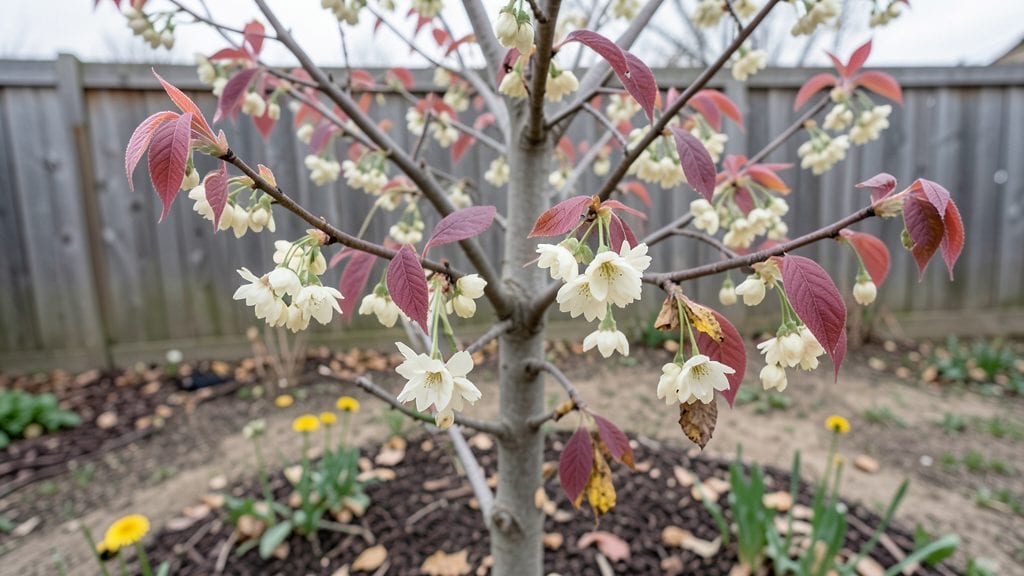
Pink leafed trees turn your Pacific Northwest garden into a living watercolor—soft blushes that shift with the seasons. 🌸 I planted my first Cercis canadensis (eastern redbud) after seeing how its spring pink canopy brightened a neighbor’s yard, and now it’s the star of mine.
These trees aren’t just pretty; they’re tough enough to handle our damp winters and sudden frosts, making them the unsung heroes of shade gardens.
What makes them special is their versatility—whether you want a 10-foot understory tree or a 20-foot statement focal point, there’s a pink-leafed variety for every spot. The Prunus serrulata 'Kwanzan' cherry, for example, bursts with pink blooms in spring, while Cercidium keeps its silvery-pink foliage all summer long.
Plant them near patios to catch the light filtering through leaves, or use them as borders to soften fences.
By late summer, you’ll love how these trees transition from vibrant pink to rich greens, then back to subtle tints in fall. Their low-maintenance nature means no fussing over color—just enjoy the show.
Pair them with evergreens for year-round interest, or let them stand alone as a dramatic centerpiece that steals the scene.
Perfect for small yards, large landscapes, or even urban courtyards where space is tight. The key is choosing the right type for your light conditions—most thrive in partial shade, though some like full sun. Let’s find the one that fits your garden’s personality!
📚 In This Guide
- What you need
- Instructions
- Tips and common mistakes
- Wrapping up and next steps
What you need
- ● Pink-leafed tree sapling: Choose a frost-hardy variety like Prunus cerasifera ‘Newport Pink’ or Cercis canadensis ‘Alba’ (1-3 years old, 3-6 ft tall).
- ● High-quality potting soil: 50 lbs (or a 5-gallon bag) with organic compost for drainage.
- ● Organic mulch: 2-3 cubic feet (e.g., shredded bark or wood chips) to retain moisture.
- ● Slow-release fertilizer: 10-10-10 NPK ratio (1 lb) for initial planting.
- ○ Tree stake (optional but recommended): 1-2 stakes (1.5–2 ft tall) + 3 ft of soft tree tie.
- ● Hand pruners: Bypass pruners (sharp, 6–8 inch blades) for clean cuts.
- ● Loppers: 1 pair (for thicker branches, 18–24 inch reach).
- ● Garden gloves: Heavy-duty, cut-resistant (1 pair).
- ● Watering can or hose: With adjustable nozzle for gentle watering.
- ● Shovel & trowel: Round-point shovel for digging; 6-inch trowel for precision.
- ● Disinfectant (70% isopropyl alcohol or bleach solution): 1 bottle to sterilize tools.
- ● Sunlight: Full sun (6+ hours/day) or partial shade (4+ hours).
- ● Soil pH: Slightly acidic to neutral (6.0–7.0). Test with a soil kit if unsure!
- ● Spacing: Plant 15–25 ft from structures/walkways (varies by species).
- ● Frost readiness: Verify your tree’s hardiness zone (USDA Zones 5–9 for most pink-leafed varieties).
Step-by-step guide for planting and caring for pink leafed trees
Here’s how to establish a stunning, resilient canopy that thrives in Pacific Northwest’s cool, damp climate.
🌱 Step 1: Choose the Right Location and Prepare the Soil
Pink leafed trees like Japanese maples (Acer palmatum) or serviceberry (Amelanchier) need partial shade to full sun—at least 4-6 hours of sunlight daily—but with afternoon shade in hotter microclimates. I always test the spot by checking nearby mature trees: if their leaves stay lush, your tree will too.
Dig a hole twice as wide as the root ball but only as deep. Amend the native soil with 3-4 inches of compost mixed into the bottom of the hole. This ensures drainage while retaining moisture, which is critical in the PNW’s rainy seasons. Tap the soil firmly around the edges to eliminate air pockets.
🪴 Step 2: Plant with Proper Spacing and Support
Place the tree so the top of the root ball sits 1-2 inches above ground level—this prevents waterlogging. Spread the roots gently, ensuring they fan out naturally. If the tree arrives in a container, loosen the root ball with your fingers to encourage outward growth.
Backfill with the amended soil, pressing lightly as you go to eliminate air gaps. Water deeply right after planting to settle the soil and eliminate air pockets. For young trees, I stake them only if needed—serviceberry, for example, grows sturdy enough to stand alone, but Japanese maples may need temporary support in windy areas.
☀️ Step 3: Water and Mulch for Frost Resilience
Water deeply once a week during the first growing season, aiming for 1-1.5 gallons per inch of trunk diameter. Check moisture by sticking your finger 2 inches deep—if it feels dry, water again. Overwatering is a common mistake; soggy soil invites root rot, especially in the PNW’s damp winters.
Spread 3-4 inches of mulch (like wood chips or bark) around the base, keeping it 6 inches away from the trunk. This insulates roots from temperature swings and retains moisture. Replenish mulch annually in early spring to maintain protection.
✂️ Step 4: Prune for Health and Structure
Prune in late winter or early spring before new growth begins. Remove dead, crossing, or weak branches first—these compete for resources. Thin out 10-20% of the canopy to improve airflow, which reduces fungal risks like powdery mildew common in coastal gardens.
For shaping, I focus on open-center growth—this lets light penetrate to lower branches, encouraging fuller foliage. Avoid heavy pruning in fall; new growth won’t harden off before winter, making the tree vulnerable to frost damage.
Tips & tricks for perfect pink leafed tree planting
Common pitfalls—and how to sidestep every one—when establishing your frost-resistant canopy in the Pacific Northwest.
Location Intelligence: Real talk: that 4-6 hours of sunlight matters more than you think. I’ve seen Japanese maples struggle in spots that get only morning sun—even though it’s "partial shade." Check the sun path throughout the day, not just at noon. The afternoon sun is what makes the difference between vibrant pink leaves and dull green.
Root Ball Prep: If your tree arrives in a container, here’s what nobody tells you—give those roots a good massage before planting. Loosen the root ball with your fingers to encourage outward growth. I’ve seen trees take off like rockets after this simple step, while others struggle when planted straight from the pot. It’s like giving your tree a deep tissue massage!
Watering Wisdom: That 1-1.5 gallons per inch of trunk diameter isn’t just a number—it’s a survival strategy. In the PNW’s rainy climate, overwatering is the silent killer. I’ve lost count of trees that got root rot from well-meaning gardeners who thought "more is better." Stick your finger 2 inches deep—if it’s damp, wait. If it’s dry, water deeply but thoroughly.
Pruning Precision: When you’re thinning that 10-20% of the canopy, aim for the branches that cross or grow inward. I always make my cuts just outside the branch collar—the little bump where the branch meets the trunk. This technique keeps the tree healthier longer than cutting flush, which creates wounds that take forever to heal.
Pro Tips for Pink Leafed Tree
- Common pitfalls—and how to sidestep every one—when establishing your frost-resistant canopy in the Pacific Northwest.
- Location Intelligence: Real talk: that 4-6 hours of sunlight matters more than you think.
- Root Ball Prep: If your tree arrives in a container, here’s what nobody tells you—give those roots a good massage before planting.
Frequently asked questions
Got questions about adding a pink leafed tree to your Pacific Northwest garden? Here are some answers to help you navigate pruning, care, and selection—so you can enjoy that stunning frost-resistant foliage year after year!
What’s the best pink leafed tree for cold climates like the PNW?
For frost resistance, consider Cercis canadensis ‘Alba’ (white flowering redbud) or Prunus serrulata ‘Kwanzan’ (cherry blossom). Both thrive in zones 5–8 and boast vibrant pink hues in spring. Cornus florida ‘Rubra’ (flowering dogwood) is another great option—its deep pink bracts withstand winter well.
How do I protect a pink leafed tree from late frosts?
Use frost cloths or row covers to shield young trees during late spring frosts (below 28°F). Avoid heavy mulch around the trunk—keep it 3–4 inches deep to prevent rot. Water deeply before a frost to help roots withstand cold. For established trees, prune damaged branches in late winter to encourage new growth.
When is the best time to prune a pink leafed tree?
Prune dormant trees (late winter/early spring) to shape them before new growth starts. Avoid heavy pruning in fall—it can stimulate tender shoots vulnerable to frost. For flowering trees (like redbuds), trim after blooming to preserve next year’s blossoms.
Can I grow a pink leafed tree in a container?
Yes! Dwarf varieties like Prunus ‘Snowgoose’ (pink spring blooms) or Cercis ‘Lavender Twist’ thrive in containers (15+ gallon pots). Use well-draining soil and repot every 2–3 years. Move containers to a sheltered spot in winter to protect roots from freezing.
Why are my pink leaves turning brown or yellow?
Brown/yellow leaves often signal overwatering, fungal issues, or nutrient deficiency. Check soil moisture—PNW’s damp climate can cause root rot. Yellowing between veins may mean chlorosis (iron deficiency); apply chelated iron or adjust soil pH (aim for 6.0–7.0). Fungal spots? Prune affected branches and apply neem oil.
Pro Tip:
For maximum pink impact, pair your tree with Heuchera ‘Plum Pudding’ or Hydrangea ‘Endless Summer’—both love PNW shade and complement soft pink foliage. Mulch with cedar chips to retain moisture and deter pests!
Wrapping up and next steps
From vibrant Cercis canadensis to hardy Prunus serrulata, pink leafed trees bring unmatched beauty and resilience to Pacific Northwest gardens—especially when pruned with care. 🌸 These frost-resistant stars thrive with the right tools, timing, and techniques, ensuring they dazzle year after year.
Whether you’re trimming for shape, health, or seasonal blooms, your efforts will pay off in stunning foliage and stronger growth.
Ready to give your pink leafed tree the TLC it deserves? Grab your pruners and schedule that first cut this spring! With a little patience and practice, you’ll be the envy of the neighborhood—and your tree will thank you with bursts of color for seasons to come.