Trees
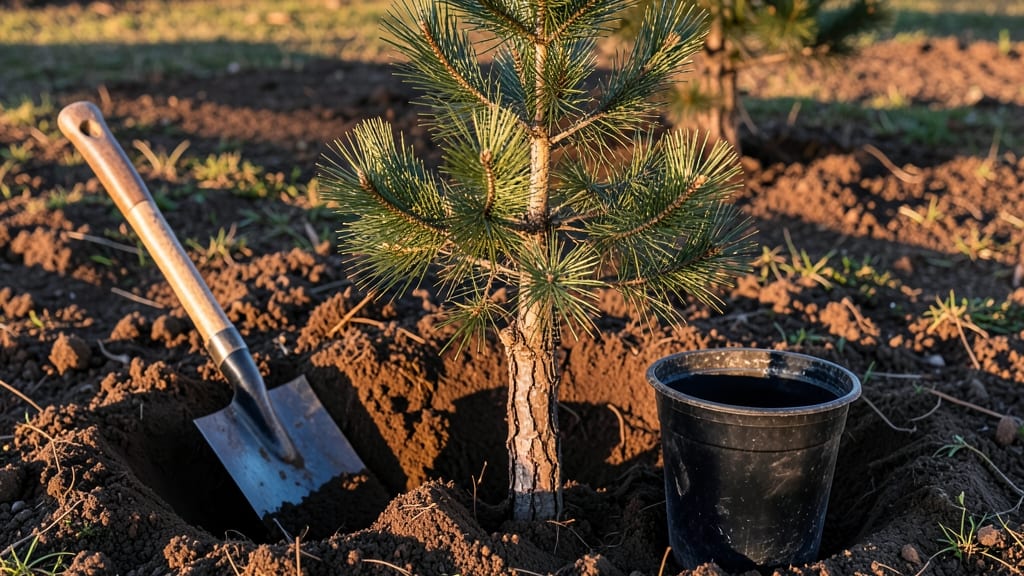
Planting evergreen trees transforms your yard into a year-round green sanctuary—no seasonal color loss, no bare branches, just lush foliage that stands out in every season.
I’ve planted over a dozen myself, and the difference between a thriving evergreen and one that struggles comes down to timing, soil prep, and a few key techniques most guides skip.
The best time to plant evergreen trees is late fall or early spring, when the ground is workable but not frozen. Cold-hardy varieties like blue spruce or white pine need well-draining soil mixed with compost to prevent root rot—a common mistake that kills saplings before they even establish.
Start by digging a hole twice as wide as the root ball but no deeper, then loosen the roots gently before setting the tree in place.
Once planted, evergreens need deep but infrequent watering—think 10-15 gallons per week for the first year—to encourage strong root growth. A 3-inch layer of mulch keeps moisture in and weeds out, but keep it 6 inches away from the trunk to avoid girdling.
Within a few years, you’ll have a sturdy, shade-providing tree that outlasts seasonal changes.
For rocky soil or harsh winters, choose varieties like Eastern white pine or Colorado blue spruce, which handle drought and cold better than fussy species.
Avoid planting too close to foundations or power lines, and always stake young trees for the first 12-18 months—it’s the difference between a crooked tree and one that grows straight and strong.
📚 In This Guide
- What you need
- Instructions
- Tips and common mistakes
- Wrapping up and next steps
What you need
- ● Evergreen tree seedlings or saplings: Choose 1-3 cold-hardy varieties (e.g., Picea glauca, Juniperus virginiana, or Thuja occidentalis) based on your climate zone and space.
- ● Shovel or spade: A sturdy digging tool (18-24 inches wide) for planting holes.
- ● Garden gloves: Heavy-duty to protect your hands from dirt and thorns.
- ● Measuring tape or ruler: To ensure proper spacing (typically 6-10 feet between trees, depending on maturity size).
- ● Compost or organic mulch: 2-3 cubic feet per tree to enrich soil and retain moisture.
- ● Watering can or hose with a gentle nozzle: For thorough watering after planting.
- ○ Stakes and twine (optional but recommended for young trees): 2-3 stakes per tree to provide support.
- ● Soil test kit: To check pH and nutrient levels (ideal pH for evergreens: 5.0-7.0).
- ● Slow-release fertilizer: 10-10-10 or similar for a nutrient boost.
- ● Tree guard or protective wrap: To shield young trees from pests or harsh winter winds.
- ● Wheelbarrow: For hauling soil, mulch, or tools efficiently.
- ● Pruning shears: For trimming dead branches post-planting.
- ● Check local regulations for permits or restrictions on planting near property lines or power lines.
- ● Select a sunny or partially shaded location with well-draining soil (avoid low spots where water pools).
- ● Plan for long-term growth—research your tree’s mature height and spread to avoid future conflicts.
Step-by-step instructions for planting evergreen trees
Cold-hardy evergreens thrive with the right technique—here's how to ensure strong roots and lasting beauty.
Choose the Right Location and Prepare the Site
Evergreens need space to grow—select a spot with 6-10 feet of clearance from structures and other trees. They prefer full sun to partial shade, depending on the species, so observe the sunlight pattern throughout the day. I always test the site by marking the tree's mature width (check the tag or nursery specs) and step back to visualize its future shape.
Remove grass, weeds, and debris from the planting area, digging down to a depth of 12-18 inches with a shovel. Loosen the soil to encourage root penetration, but avoid compacting it further. If your soil is heavy clay or sandy, amend it with 2-3 inches of compost mixed into the top 6 inches—this improves drainage and nutrient retention without smothering roots.
Here's the thing—evergreens hate soggy roots. If your site has poor drainage, consider planting on a slight mound or installing a 4-inch gravel layer at the bottom of the hole to promote water runoff. You'll know drainage is good when water soaks into the soil within 10-15 minutes after watering.
Dig the Hole and Handle the Root Ball
Dig a hole twice as wide as the root ball but no deeper—evergreens struggle when planted too low, which can suffocate roots. The top of the root ball should sit 1-2 inches above ground level to prevent water pooling around the trunk. I use a spade to create clean, vertical sides for easier root establishment.
Gently remove the tree from its container, loosening any circling roots with your fingers. If the root ball is tightly bound, score the edges with a knife to encourage outward growth. Submerge the root ball in a bucket of lukewarm water for 10-15 minutes before planting—this hydrates the roots and helps settle the soil around them later.
Don't skip this: evergreens are sensitive to root damage. If the root ball is wrapped in burlap, leave it on unless it's tightly bound—removing it can tear delicate roots. If the burlap is secured with wire or twine, cut it away completely to prevent girdling as the tree grows.
Position the Tree and Backfill Carefully
Place the tree in the center of the hole, ensuring the root flare (where the roots meet the trunk) is visible above the soil line. This natural transition prevents rot and encourages strong growth. Use a level to check that the tree stands upright—tilted trees struggle to recover, especially in windy conditions.
Backfill the hole with the native soil you removed, tamping down gently in 2-inch layers to eliminate air pockets. Avoid compacting too firmly, as this restricts root expansion. Water each layer lightly as you go to settle the soil around the roots. Once the hole is 80% filled, create a 2-inch deep basin around the tree to direct water toward the root zone.
Real talk: evergreens need stability from the start. After planting, tie the tree to a stake only if necessary—young, top-heavy evergreens may need support in windy areas. Use soft, stretchable ties (like tree straps) to avoid damaging the bark as the tree grows.
Water Thoroughly and Mulch Properly
Water the tree deeply—aim for 1-2 gallons spread evenly over the root zone. The soil should be moist 6-8 inches down, not just damp at the surface. You'll see the water soak in quickly if drainage is good, but if it pools, you've planted too low and need to adjust the soil level.
Apply 2-3 inches of mulch (like pine straw or wood chips) over the entire root zone, keeping it 6 inches away from the trunk to prevent rot. Mulch conserves moisture and regulates soil temperature, but too much can suffocate roots. I always rake mulch into the soil edges to create a smooth transition—this encourages roots to spread outward.
Here's where it gets fun—watch the soil moisture over the next week. Evergreens need consistent moisture during their first year, but they despise soggy conditions. Water 2-3 times per week if rainfall is light, adjusting based on how quickly the top 2 inches of soil dry out. Overwatering is the fastest way to kill a newly planted evergreen.
Monitor and Maintain for Long-Term Health
Check the tree weekly for new growth—healthy evergreens will show bright green needles within 4-6 weeks of planting. Yellowing or browning needles often signal overwatering, while dry, crisp edges indicate underwatering. Adjust your watering schedule based on what you observe, not just a fixed routine.
Fertilize lightly in early spring with a slow-release, balanced fertilizer (10-10-10) to support root development. Avoid high-nitrogen fertilizers, which encourage soft, weak growth vulnerable to winter damage. I scatter ½ cup of fertilizer around the drip line (the edge of the tree's canopy) and water it in thoroughly.
This is the moment that matters: evergreens need winter protection in their first few years. Apply 4-6 inches of mulch in late fall to insulate roots from freezing temperatures. If your climate gets below 0°F, wrap the trunk with tree guard or burlap to prevent sunscald and rodent damage. You'll see the difference in spring when the tree emerges strong and vibrant.
Tips & tricks for planting evergreen trees
Took me years to perfect these evergreen planting strategies—here's how to avoid the rookie mistakes that kill trees before they even take root.
Site Selection Strategy: Evergreens need space to mature, but their sunlight requirements vary dramatically by species. Blue spruces and firs thrive in full sun, while rhododendrons and azaleas prefer partial shade. I always test the site by marking the tree's mature width (found on the nursery tag) and stepping back to visualize its future shape—this prevents planting too close to structures or power lines. For container-grown trees, check the root ball's diameter and add 12-18 inches to determine minimum spacing needs.
Root Ball Preparation: The 10-15 minute lukewarm water soak before planting isn't just about hydration—it's about settling the soil around roots. I use this time to gently tease apart any circling roots with my fingers, which prevents girdling as the tree matures. For tightly bound root balls, score the edges with a knife every 2-3 inches to encourage outward root growth. Pro tip: If the root ball is wrapped in burlap secured with wire, cut the wire completely—even small wire fragments can girdle the trunk as the tree grows.
Drainage Test: Evergreens suffocate in soggy soil, so test your site's drainage before digging. After removing the grass and weeds, dig a test hole 12-18 inches deep and fill it with water. If the water drains completely within 10-15 minutes, you're good to go. If not, amend with a 4-inch gravel layer at the bottom of the planting hole or consider planting on a slight mound. This simple test saves countless trees from root rot every year.
Winter Protection: The 4-6 inches of mulch applied in late fall isn't just about insulation—it's about creating a thermal barrier that protects roots from temperature fluctuations. I always double-check that the mulch extends to the tree's drip line, not just the trunk area. For climates below 0°F, add an extra layer of tree guard or burlap around the trunk to prevent sunscald, which causes bark to crack and expose the tree to pests and disease.
Pro Tips for Planting Evergreen Trees
- Took me years to perfect these evergreen planting strategies—here's how to avoid the rookie mistakes that kill trees before they even take root.
- Site Selection Strategy: Evergreens need space to mature, but their sunlight requirements vary dramatically by species.
- Root Ball Preparation: The 10-15 minute lukewarm water soak before planting isn't just about hydration—it's about settling the soil around roots.
Frequently asked questions
Got questions about planting evergreen trees? You’re not alone! Here are some of the most common concerns—plus straightforward answers to help you get started with confidence.
When is the best time to plant evergreen trees?
The ideal window is early fall to late spring (before new growth starts). Evergreens planted in fall have time to establish roots before winter, while spring planting avoids frost damage. Avoid planting in extreme heat—soil stays too dry, and roots struggle to take hold.
How often should I water newly planted evergreens?
Water deeply 2-3 times per week for the first year, ensuring soil stays moist (but not soggy). After that, reduce to once a week unless drought strikes. Mulch helps retain moisture—just keep it 3-4 inches away from the trunk to prevent rot.
Can evergreens survive in my climate if I plant them now?
Most evergreens thrive in USDA Zones 3-8, but check your specific species (e.g., Pine vs. Spruce). If winters are harsh, opt for cold-hardy varieties like Blue Spruce or Eastern White Pine. For warmer climates, Arizona Cypress or Italian Cypress work well.
What if my evergreen looks sick after planting?
Yellowing needles? Overwatering or poor drainage are likely culprits. Brown tips? Underwatering or windburn—try misting or shielding the tree. If needles drop entirely, check for root rot or transplant shock. Prune dead branches and adjust care (e.g., less water, more mulch).
Are there low-maintenance evergreen alternatives?
Try Dwarf Alberta Spruce (slow-growing, shade-tolerant) or Inkberry Holly (drought-resistant, deer-resistant). For hedges, Emerald Green Arborvitae needs minimal pruning. Always pick native species—they adapt better and require fewer resources!
Wrapping up and next steps
Planting evergreen trees is a rewarding way to add year-round beauty and resilience to your landscape—no matter the season! 🌲 From choosing the right species to mastering soil prep and care, every step brings you closer to a lush, low-maintenance garden.
Whether you're a beginner or a seasoned gardener, the key is patience and attention to detail.
Ready to green up your space? Start by selecting your favorite evergreen variety, then roll up your sleeves and dig in! 🌱 Next up: Mark your calendar for planting season (fall is ideal!) and gather your tools—your future shade, privacy screen, or wildlife haven awaits.