Pruning
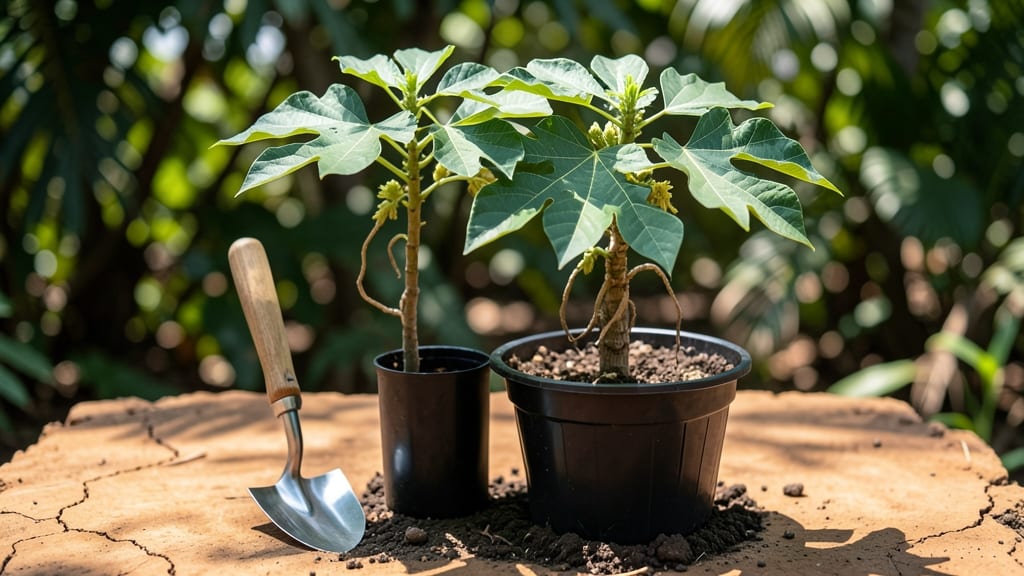
Planting a jackfruit tree in the Pacific Northwest might sound like a stretch, but with the right approach, you can grow this tropical giant in your own yard. 🌱 I’ve watched mine thrive through mild winters by using microclimate tricks—like planting near a south-facing wall—that push temperatures just enough to keep it happy.
The secret isn’t just the tree itself, but how you prep the soil and protect it from our cooler seasons.
Start with well-draining soil mixed with compost—jackfruit hates soggy roots—and choose a spot sheltered from wind. In our climate, a 5-gallon pot for the first year lets you move it indoors during frost, while mature trees can handle USDA Zone 10 conditions with some winter care.
The key is patience; these trees grow slowly at first but reward you with massive, fragrant leaves and—eventually—fruit.
Once planted, water deeply 2-3 times a week for the first month, then taper off as roots establish. Mulch heavily to insulate roots, and prune lightly to encourage a sturdy structure. Within 3-5 years, you’ll see real growth—though fruit may take a decade or more.
The payoff? A tree that looks like a jungle giant and produces fruit that tastes like a mix of pineapple, mango, and banana.
For PNW gardeners, the biggest hurdle is winter. Young trees need extra protection—think burlap wraps or a greenhouse setup—while mature trees benefit from a thick mulch blanket and strategic pruning to reduce cold damage. With these adjustments, your jackfruit can become a showstopper that actually bears fruit, not just leaves.
📚 In This Guide
- What you need
- Instructions
- Tips and common mistakes
- Wrapping up and next steps
What you need
- ● Jackfruit seed or sapling: 1 healthy seed (soaked for 24–48 hours) or a 1–2-year-old nursery-grown sapling (ensure it’s Artocarpus heterophyllus).
- ● Growing container (if starting indoors): 1–2 large pots (12–18 inches deep) with drainage holes, or a 5-gallon fabric grow bag for mobility.
- ● Well-draining potting mix: 1 bag of cactus/succulent mix (or blend 60% potting soil + 40% perlite/pumice).
- ● Shovel or trowel: 1 sturdy garden shovel (for transplanting) or a hand trowel (for small pots).
- ● Mulch: 2–3 inches of wood chips or straw mulch to retain moisture and regulate soil temp.
- ● Watering can or hose: With a gentle spray nozzle to avoid disturbing young roots.
- ● Fertilizer: 1 balanced organic fertilizer (e.g., 5-5-5 or compost tea) for initial planting; later, switch to citrus-specific fertilizer (high in nitrogen, potassium, and micronutrients).
- ● Sunlight access: A south-facing window (indoors) or a sheltered outdoor spot with 6+ hours of direct sunlight daily (use a grow light if needed).
- ● Pruning tools: 1 pair of sterilized bypass pruners (for shaping and removing dead branches).
- ● Soil moisture meter – to monitor watering needs without over/under-watering.
- ● Humidity tray or pebble tray – mimics tropical conditions if indoor humidity is low.
- ● Epsom salt (magnesium sulfate) – occasional foliar spray to boost leaf health.
- ● Trellis or support stakes – for young trees in windy PNW areas (though jackfruit is naturally sturdy!).
- ● Pest control: Neem oil or insecticidal soap – for aphids or scale (common in indoor setups).
Step-by-Step instructions for planting a jackfruit tree in cool climates
Here's how to give your jackfruit tree the best tropical start—even in cooler regions.
🌱 Step 1: Select the Right Tree and Container
Choose a dwarf grafted jackfruit tree (like 'Young' or 'Golden Ice Cream' varieties) for easier growing in containers. These stay smaller but still produce fruit. Pick a 5-gallon or larger container with drainage holes—jackfruit roots need space to spread and hate soggy feet.
Fill the bottom 2 inches with fast-draining media like perlite or pumice. This prevents root rot, which is the #1 killer of jackfruit trees in cool climates. I always add a 1-inch layer of gravel first—it creates airflow at the base where roots start.
☀️ Step 2: Prepare Soil and Position for Warmth
Use a mix of 50% tropical potting soil, 30% coconut coir, and 20% perlite—this mimics the airy, moisture-retentive soil of jackfruit's native habitat. Avoid regular garden soil; it compacts and suffocates roots. Amend with 1 tablespoon of balanced 10-10-10 fertilizer per gallon of mix to give the tree a nutrient boost.
Place your container in the sunniest spot possible—jackfruit trees need full sun (6+ hours daily). If outdoors, move it indoors before temperatures drop below 50°F at night. I keep mine on a south-facing patio with a portable greenhouse cover during cool evenings to add 5-10°F of warmth. Watch for leaves curling—this means it's too cold.
💧 Step 3: Water Deeply and Monitor Moisture
Water thoroughly until it drains from the bottom, then wait until the top 2 inches of soil feel dry before watering again. Jackfruit trees hate soggy roots but also can't handle drought. I use a moisture meter to check—aim for 60-70% moisture in the root zone. Overwatering causes yellow leaves; underwatering makes them crispy at the edges.
In cooler months, reduce watering by 30%—the tree grows slower and needs less moisture. Add 1 inch of mulch (like shredded bark) on top to retain heat and slow evaporation. Never let water sit in the saucer—empty it after 10 minutes to prevent root rot.
✂️ Step 4: Prune for Shape and Airflow
Prune once in early spring to remove any dead or yellowing leaves and shape the tree. Jackfruit trees grow fast, so I trim back 1/3 of the new growth to encourage bushier, fruit-bearing branches. Use clean, sharp shears to avoid tearing the bark—jackfruit trees heal slowly.
Focus on opening up the center of the tree so air circulates. This prevents fungal diseases like anthracnose, which thrives in humid, stagnant conditions. If you see black spots on leaves, prune those branches immediately and treat with neem oil to protect the tree.
🪴 Step 5: Fertilize and Protect for Winter
Feed with a balanced fertilizer (10-10-10) every 6-8 weeks during the growing season (spring through fall). In late summer, switch to a low-nitrogen, high-potassium fertilizer (5-10-15) to prep the tree for fruit production. Always water deeply after fertilizing to prevent root burn.
Before the first frost, move your jackfruit tree indoors to a bright, sunny spot (like a sunroom or greenhouse). If indoors isn't an option, cover the tree with a frost blanket and place a space heater nearby to keep temperatures above 55°F. Jackfruit trees won't survive freezing, but with protection, they can bounce back year after year.
Tips & tricks for perfect jackfruit tree planting in cool climates
Here's what nobody tells you about growing tropical fruit trees in chilly regions—and how to avoid the mistakes that kill most attempts.
Root Health Secret: In Step 1, that 2-inch layer of fast-draining media isn't just about drainage—it's about creating an oxygen-rich zone where roots can breathe. I've seen root rot wipe out jackfruit trees in just 3 weeks when this step is skipped. Use hydroponic clay pebbles instead of gravel if you want even better airflow at the base. The key is preventing that anaerobic environment where harmful bacteria thrive.
Sunlight Strategy: For Step 2, if your location gets less than 6 hours of direct sun, supplement with a grow light on a timer for 4-6 hours daily. I use a full-spectrum LED grow light positioned 12 inches above the tree during winter months. Jackfruit trees are photoperiod-sensitive—they need consistent light to trigger flowering. Watch for leaves turning pale yellow if light is insufficient.
Watering Wisdom: That 60-70% moisture range in Step 3 requires precision. I've found that self-watering containers with wicking systems work best—they maintain consistent moisture without the risk of overwatering. When checking soil moisture, stick your finger in about 2 inches deep; if it feels damp but not soggy, you're in the right zone. The 10-minute saucer emptying rule is non-negotiable—soggy roots are the silent killer of container-grown jackfruit trees.
Winter Protection Hack: When moving indoors for winter in Step 5, place your tree near a south-facing window with supplemental light. I've had success using a reflective Mylar blanket around the container to bounce extra light onto the leaves. Keep the space heater at least 3 feet away from the tree to prevent leaf scorch—aim for just enough warmth to maintain that 55°F minimum without creating a hotspot.
Pro Tips for Planting Jackfruit Tree
- Here's what nobody tells you about growing tropical fruit trees in chilly regions—and how to avoid the mistakes that ...
- Root Health Secret: In Step 1, that 2-inch layer of fast-draining media isn't just about drainage—it's about creating...
- Sunlight Strategy: For Step 2, if your location gets less than 6 hours of direct sun, supplement with a grow light on...
Frequently asked questions
Got questions about growing jackfruit in the Pacific Northwest? You’re not alone! Here are some of the most common concerns—plus straightforward answers to help you succeed.
Can jackfruit trees survive the cold winters in the PNW?
Jackfruit (Artocarpus heterophyllus) thrives in tropical climates, so it’s not cold-hardy. In the PNW, grow it in containers and bring it indoors when temperatures drop below 40°F (4°C). Alternatively, plant it in a microclimate (like a sunny, sheltered corner) and protect it with frost cloth or mulch. Young trees are most vulnerable—give them extra care!
How long does it take for a jackfruit tree to bear fruit?
Patience is key! In ideal conditions, a jackfruit tree can take 3–5 years to produce fruit. Dwarf varieties may fruit sooner, but even then, it depends on factors like sunlight, soil, and pollination. Pro tip: Hand-pollinate flowers with a small brush to boost fruit set if bees are scarce.
What’s the best soil mix for container-grown jackfruit?
Jackfruit prefers well-draining, slightly acidic soil (pH 6.0–7.0). Use a mix of:
- 60% cactus/succulent mix (for drainage)
- 30% peat moss or coconut coir (moisture retention)
- 10% perlite or pumice (aeration)
Do jackfruit trees need cross-pollination?
Yes! Jackfruit trees are not self-pollinating, meaning you’ll need at least two trees (or one tree with multiple varieties) for fruit production. If you only have one tree, hand-pollinate using a soft brush to transfer pollen from male to female flowers. Bonus: Bees love jackfruit—planting near other bee-friendly flowers (like sunflowers) can help!
Why isn’t my jackfruit tree flowering or fruiting?
Common culprits include:
- Insufficient sunlight: Jackfruit needs 6+ hours of direct sun daily. Move it to a sunnier spot or supplement with grow lights.
- Stress from temperature swings: Keep it in 70–90°F (21–32°C) range. Avoid drafts or sudden cold snaps.
- Nutrient deficiencies: Yellow leaves? Feed with a balanced fertilizer (10-10-10) every 2–3 months.
- Immature tree: Trees under 3 years old may not flower yet—be patient!
Are there cold-hardy jackfruit varieties for the PNW?
While no jackfruit is truly cold-hardy, some varieties tolerate cooler temps better than others. Look for:
- Artocarpus heterophyllus ‘Kohala’ (dwarf variety, more resilient)
- Artocarpus altilis (breadfruit, slightly hardier but not a true jackfruit)
Wrapping up and next steps
Growing a jackfruit tree in the Pacific Northwest is absolutely doable—even in cooler climates! 🌱 With the right care, soil prep, and a little patience, you’ll soon be enjoying this tropical treasure’s sweet, versatile fruit.
Whether you’re planting for novelty, sustainability, or delicious harvests, your effort will pay off in lush foliage and (hopefully!) juicy rewards.
Ready to take the next step? Start small:
- Pick a sunny spot and prep the soil.
- Choose a healthy sapling or seedling.
- Monitor its progress and protect it from frost.