
Container Gardens
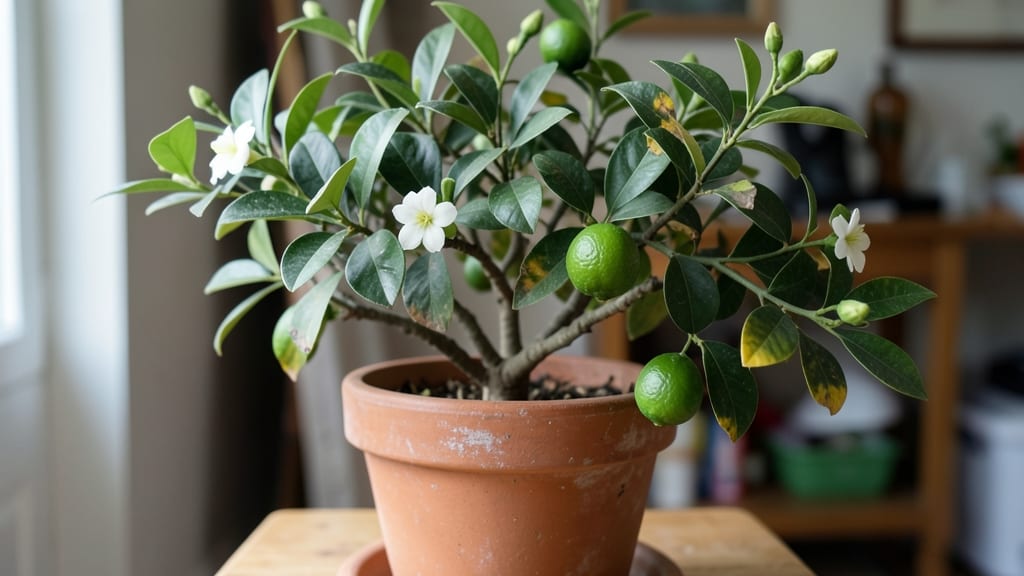
Growing a potted key lime tree means tangy summer flavors on your balcony or patio—no backyard required. 🌿 I’ve watched mine go from a bare-bones sapling to a fruit-bearing powerhouse in just three years, and the secret isn’t complicated: the right container, a little sunshine, and patience.
Most people assume citrus needs a garden, but key limes thrive in pots with minimal fuss, as long as you mimic their tropical roots.
The key to success starts with the pot—at least 15 gallons for mature trees, with drainage holes to prevent soggy roots. Use a well-draining citrus mix (equal parts potting soil, perlite, and compost), and repot every 2-3 years to keep roots from circling.
Water when the top inch feels dry, but never let it sit in standing water—key limes hate wet feet. A south-facing window or 6+ hours of direct sun daily keeps the tree happy indoors, while outdoor growers can move it to a shaded patio in summer.
By year two, you’ll see glossy green leaves and maybe even a few tiny limes—though container-grown trees fruit later than in-ground ones. The real magic happens when you prune lightly after harvest to encourage bushier growth.
Frost? Bring it inside before temps dip below 40°F. With these tweaks, your potted lime tree will reward you with sweet-tart fruit for years, proving that citrus doesn’t need a yard to shine.
Whether you’re a balcony gardener or just love the idea of fresh limes year-round, this setup works. The only challenge? Resisting the urge to overwater—once you nail that, you’re golden. Let’s get your tree growing!
📚 In This Guide
- What you need
- Instructions
- Tips and common mistakes
- Wrapping up and next steps
What you need
- ● Key lime tree (Citrus aurantifolia) – Choose a healthy, 1- to 3-year-old sapling from a nursery or online retailer (ensure it’s potted and disease-free).
- ● Container – A 5-gallon or larger pot with drainage holes (terracotta or plastic). Pro tip: 💡 Use a pot at least 12 inches deep for mature trees.
- ● Well-draining potting mix – A blend of 50% citrus-specific soil, 30% perlite or pumice, and 20% compost (avoid garden soil—it compacts!).
- ● Drainage medium – 1–2 inches of gravel or broken pottery at the pot’s bottom to prevent root rot.
- ● Slow-release citrus fertilizer – Look for a balanced 6-6-6 or 8-3-6 NPK ratio (e.g., Osmocote or Miracle-Gro Citrus).
- ● Watering can with a narrow spout – For precise hydration (avoid overhead watering to prevent fungal issues).
- ● Pruning shears – Sharp, clean shears for trimming dead branches or shaping the tree.
- ● pH testing kit – To monitor soil acidity (ideal range: 5.5–6.5 for key limes).
- ○ Mulch (optional) – 1–2 inches of organic mulch (e.g., bark chips) to retain moisture and regulate temperature.
- ○ Support stake (optional) – Useful for young trees in windy areas (choose a 3–4 ft stake).
- ● Spray bottle (for humidity) – Helps maintain moisture in dry climates, especially for seedlings.
Step-by-step guide for growing a thriving potted key lime tree
Here's how to keep your citrus happy in containers with minimal fuss.
🪴 Step 1: Choose the Right Container and Drainage
Start with a 5-gallon container—key lime trees need room to grow but won’t outpace a pot this size for years. Look for one with multiple drainage holes at the bottom, or drill extra holes if needed. I like terra cotta because it breathes and helps prevent root rot, but plastic works too if you’re careful with watering.
Line the bottom with 2-3 inches of small gravel or broken pottery shards to create an air gap. This keeps roots from sitting in water, which is deadly for citrus. The container should be at least 12 inches deep—shallower pots restrict root growth and stunt your tree.
🌱 Step 2: Plant With Well-Draining Soil and Support
Fill the pot with a mix of 50% premium potting soil and 50% perlite or coarse sand—this ensures drainage while holding enough moisture. I avoid garden soil because it compacts and suffocates roots. Gently remove your key lime tree from its nursery pot and loosen any circling roots with your fingers.
Place the tree in the center of the container, then backfill with your soil mix, pressing lightly to eliminate air pockets. Leave 1 inch of space between the soil surface and the pot’s rim for watering. Add a stake and soft tie now to support the young tree—key limes grow top-heavy, and a sudden breeze can snap weak stems.
☀️ Step 3: Position for Bright, Indirect Light and Warmth
Key lime trees crave full sun (6-8 hours daily), but direct afternoon sun can scorch tender leaves. Place your pot near a south- or west-facing window where it gets bright, indirect light. If you’re using grow lights, position them 6-12 inches above the tree for 12-14 hours of light daily—citrus needs plenty to fruit well.
Keep temperatures between 65-85°F—they’re tropical and won’t tolerate drafts or cold snaps. If your home dips below 55°F at night, move the tree away from windows or use a small space heater nearby. Watch for yellowing leaves, which often signal cold stress or overwatering.
💧 Step 4: Water Deeply and Maintain Consistent Moisture
Water your key lime tree once a week, letting 1 inch of water drain out the bottom—you’ll know it’s enough when water appears in the saucer. Let the top 2 inches of soil dry out between waterings; citrus roots hate soggy conditions. I use room-temperature water to avoid shocking the roots, and I always water in the morning so excess moisture evaporates by evening.
Mist the leaves 2-3 times a week with a spray bottle to mimic humidity. You’ll notice the leaves perk up and stay glossy—this prevents brown tips, a common sign of dry air. In winter, reduce watering to every 10-14 days unless your home is very dry.
✂️ Step 5: Prune and Fertilize for Healthy Growth
Prune your tree once a year in late winter or early spring to shape it and remove dead or crossing branches. Use clean, sharp pruners to make cuts just above a leaf node. I never cut more than 25% of the foliage at once—key limes are sensitive, and aggressive pruning stresses them. After pruning, wipe the tools with rubbing alcohol to prevent disease spread.
Fertilize every 4-6 weeks in spring and summer with a balanced citrus fertilizer (like 6-6-6). Follow the package instructions, but I halve the dose in winter when growth slows. You’ll see new leaves emerge within 2-3 weeks—that’s your sign the fertilizer is working. Avoid over-fertilizing; it burns roots and causes leaf drop.
Tips & tricks for perfect potted key lime tree care
Here's what I've learned after watching my own key lime tree thrive in containers—these simple tricks make all the difference.
Container Material Matters: Terra cotta pots are ideal because they wick away moisture, which prevents root rot in citrus. If you must use plastic, add extra drainage holes and monitor watering closely—plastic traps moisture and can suffocate roots. I've seen trees in poorly draining containers develop yellow leaves within weeks, so don't skip this step!
Soil Mix Secret: The 50/50 blend of premium potting soil and perlite is non-negotiable for key limes. I've tried mixing in garden soil, and within months, the roots became compacted and the tree struggled. For even better drainage, add a handful of orchid bark to your mix—it creates air pockets that citrus roots love. This prevents that dreaded soggy soil feeling.
Light Positioning Hack: When placing your tree near a window, rotate the pot quarter-turns every week. This ensures even growth since trees naturally lean toward light sources. I noticed my first tree grew lopsided until I started rotating—now it's perfectly balanced with no weak spots.
Fertilizer Timing Tip: Always fertilize in the morning when the tree is actively photosynthesizing. This gives the roots time to absorb nutrients before evening. I also mix a handful of worm castings into the soil every 3 months—it adds natural microbes that help roots process nutrients more efficiently. The difference in leaf color is noticeable within weeks!
Pro Tips for Potted Key Lime Tree
- Here's what I've learned after watching my own key lime tree thrive in containers—these simple tricks make all the difference.
- Container Material Matters: Terra cotta pots are ideal because they wick away moisture, which prevents root rot in citrus.
- Soil Mix Secret: The 50/50 blend of premium potting soil and perlite is non-negotiable for key limes.
Frequently asked questions
Got questions about growing a potted key lime tree?
Here are answers to the most common ones—so you can enjoy fresh, tangy limes right from your container garden!
How big does a potted key lime tree get?
A key lime tree in a container typically stays between 6–10 feet tall, depending on pruning. If you keep it in a 15–25 gallon pot, growth will be more manageable. Use dwarf varieties like ‘Mexican’ for smaller spaces—just ensure it gets full sun (6+ hours daily) to thrive!
How long does it take for a potted key lime tree to bear fruit?
Patience is key! In containers, key lime trees usually take 3–5 years to produce fruit, sometimes longer. For faster results, choose a grafted tree (already fruiting) or provide consistent care: bright light, well-draining soil, and occasional fertilizer (like citrus-specific blends). Cold snaps can delay fruiting, so protect your tree in winter.
Why are my key lime tree’s leaves turning yellow?
Yellow leaves often signal overwatering or nutrient deficiencies. Let the top 1–2 inches of soil dry out between waterings, and avoid soggy pots. Check for iron or nitrogen deficiencies—amend soil with compost or use a citrus fertilizer. Yellowing edges? It might be low humidity; mist leaves or place a tray of water nearby.
Can I grow a key lime tree indoors?
Yes, but with caveats! Key limes need bright, direct light—a south-facing window or grow lights work best. If indoors, rotate the pot weekly for even growth. Watch for spider mites (common in dry indoor air) and keep humidity up. For fruit production, outdoor summers (60°F+) are ideal, but a sunny indoor spot can still yield leaves and occasional limes.
What’s the best fertilizer for a potted key lime tree?
Use a balanced citrus fertilizer (like 6-6-6 or 8-3-9) every 4–6 weeks in spring/summer. In fall/winter, reduce to monthly or switch to a low-nitrogen formula. Organic options like fish emulsion or worm castings work too! Avoid high-salt fertilizers—flush the soil occasionally with water to prevent buildup.
Can I propagate a key lime tree from cuttings?
Yes! Take 4–6 inch semi-hardwood cuttings in late spring/early summer. Dip the cut end in rooting hormone, plant in perlite or sand, and keep humid (use a plastic bag). Roots should form in 4–8 weeks. Alternatively, air-layer mature branches for higher success rates. Patience pays off—propagation can be tricky but rewarding!
Wrapping up and next steps
Growing a potted key lime tree is a rewarding way to enjoy fresh, tangy fruit right at home—no sprawling yard required! 🌱 With the right container, sunlight, and a little TLC, you’ll soon be harvesting limes straight from your balcony or patio.
Whether you’re a beginner or a seasoned gardener, this citrus beauty thrives with minimal fuss, making it the perfect project for small spaces.
Ready to take the next step? Start with a healthy plant, monitor its needs, and watch it flourish. Before you know it, you’ll be sipping homemade key lime pie margaritas—made with your very own homegrown limes! 🍋✨