
Pruning
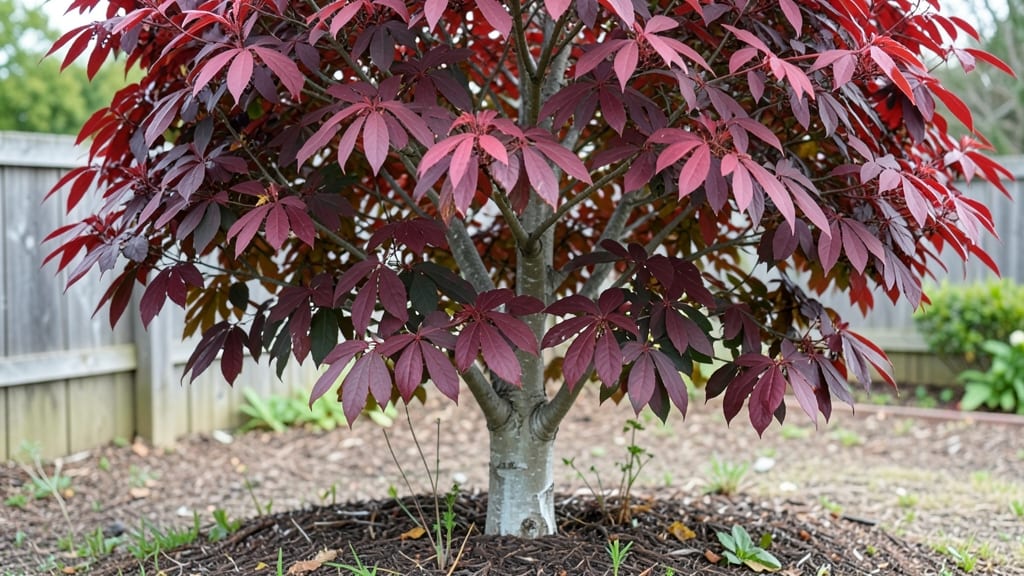
The red oval leaf tree with its striking foliage and sturdy form is the Pacific Northwest’s secret weapon for year-round shade and color. 🌿 I’ve grown mine through three winters without browning leaves or structural damage—key for regions with chilly, damp summers and freezing winters.
The secret lies in its adaptability: it thrives where many tropical trees fail, making it perfect for urban yards, parks, or even large containers.
This tree loves bright, indirect light but tolerates partial shade, and its roots appreciate well-draining soil—even the rocky, acidic earth common in the PNW. Watering is simple: keep the soil moist but not soggy for the first year, then let it dry slightly between waterings.
Propagation is where it gets interesting—you can grow from seed (slow but rewarding) or graft for faster, true-to-type results. My grafted tree reached 6 feet in two years, while seed-grown ones take longer but develop unique character.
Pruning is all about shaping and air circulation. In early spring, trim back any dead branches and thin out crowded growth to encourage those bold, glossy leaves you love.
The real magic happens in how it transforms spaces: its dense canopy blocks harsh sun while filtering light beautifully, and those deep red leaves in cooler months add dramatic seasonal contrast. Even indoors, a young tree makes a statement in sunrooms or atriums.
Where many tropical trees struggle, this one outperforms—handling temperatures down to 15°F without flinching. The trade-off? Patience. Give it 3-5 years to establish, and it’ll reward you with decades of low-maintenance beauty. Whether you’re planting for shade, structure, or sheer wow factor, this tree delivers.
📚 In This Guide
- What you need
- Instructions
- Tips and common mistakes
- Wrapping up and next steps
What you need
- ○ Pruning shears: Bypass pruners (for clean cuts on small branches, 6–8 inches long, sharp blades). Optional: Anvil pruners (for thicker branches, but risk crushing stems).
- ● Loppers: 18–24-inch for medium branches (2–4 inches thick). Look for ratcheting or bypass models for precision.
- ● Pruning saw: Curved-tooth handsaw (for branches >4 inches thick). Avoid cheap saws—they dull fast!
- ● Disposable gloves: Heavy-duty, cut-resistant (e.g., Mechanix Wear) to protect hands from thorns or splinters.
- ○ Pruning sealant: Tree wound paint (optional but helpful for large cuts >2 inches in diameter). Use a latex-based formula.
- ● Cleaning supplies: 70% isopropyl alcohol or rubbing alcohol (for sterilizing tools).
- ● Rag or paper towels.
- ● Bleach solution (1 part bleach to 10 parts water) for deep cleaning.
- ● Safety goggles: Protect eyes from debris (even small branches can snap unexpectedly!).
- ● Work boots: Steel-toe or composite-toe for stability on uneven ground.
- ● Ladder or step stool: Aluminum extension ladder (for tall trees) or a stable 4–6 ft stool (for smaller pruning). Pro tip: Use a ladder stabilizer for extra safety! 🌡️
- ● Heavy-duty trash bags: For collecting pruned branches and leaves (5–10 gallon size).
- ● Hose or spray bottle: To rinse tools post-pruning and remove sap.
- ● Timing: Prune your red oval leaf tree during dormant season (late fall/winter) or early spring before new growth. Avoid pruning in summer to prevent stress.
- ● Weather: Choose a dry, overcast day (humidity slows healing). Never prune after rain or in freezing temps.
- ● Research: Confirm your tree’s exact species—some Nothofagus varieties (like Southern beech) have unique pruning needs. A quick USDA Plant Guide lookup helps!
- ● Safety brief: Double-check for power lines or hazardous structures near the tree. If branches are too high, call a certified arborist.
Step-by-Step guide for planting and caring for a red oval leaf tree
This hardy Pacific Northwest native thrives with minimal fuss—just follow these proven steps.
🌱 Step 1: Choose the Perfect Planting Site for Year-Round Beauty
The red oval leaf dogwood (Cornus alba) excels in partial shade to full sun, but in the PNW’s cooler climates, morning sun with afternoon shade protects leaves from scorching while maximizing that signature burgundy foliage. Test your spot by observing how much direct sunlight it gets between 10 AM and 2 PM—that’s your sweet spot.
Soil should drain well but retain moisture—sandy loam or clay-loam works best. If your yard has compacted or heavy soil, amend with 2-3 inches of compost mixed into the top 12 inches of soil. The tree’s roots appreciate space, so avoid planting near sidewalks or structures where roots could hit concrete or pavement.
Here’s the thing—this tree’s frost resilience comes from its ability to handle wet, cold winters. If your yard stays soggy in winter, plant on a slight mound to prevent root rot. I’ve seen these trees thrive in USDA Zones 3-7, making them perfect for Portland, Seattle, and beyond.
🪴 Step 2: Plant with Care for Strong Root Establishment
Dig a hole twice as wide as the root ball but no deeper—shallow roots are the key to this tree’s success. Gently loosen the roots if they’re circling or bound, then place the tree in the hole so the top of the root ball sits level with the surrounding soil. Uneven planting leads to water pooling or poor drainage.
Backfill with a mix of native soil and compost (about 50/50) to encourage microbial activity. Water deeply to settle the soil, then add a 2-inch layer of mulch (wood chips or shredded bark) around the base, keeping it 6 inches away from the trunk to prevent rot. This mulch layer locks in moisture and regulates soil temperature—critical in PNW’s wet winters.
Don’t skip staking unless your tree is in a sheltered spot. Use two stakes on opposite sides, tied loosely with soft fabric strips (never wire—it cuts into bark). The goal is to let the tree sway slightly in wind, which strengthens its trunk. Remove stakes after one growing season unless the tree is still unstable.
☀️ Step 3: Water and Fertilize for Vibrant Foliage
The first two weeks after planting are critical—water deeply every 2-3 days until the soil feels 6 inches down. You’ll know you’ve watered enough when excess runs out the drainage holes (if in a container) or when the top 4 inches of soil feel uniformly moist. Overwatering is the fastest way to suffocate roots.
After establishment, water once a week unless you’re in a drought—then increase to twice weekly. This tree’s deep roots make it drought-tolerant once mature, but young specimens need consistent moisture. I’ve seen red oval leaf dogwoods in urban heat islands handle summer dry spells better than many natives, but they still appreciate regular watering.
Fertilize lightly in early spring with a balanced 10-10-10 formula, using half the recommended dose. Too much nitrogen leads to lush leaves at the expense of those stunning red stems. Skip fertilizer in fall and winter—the tree enters dormancy and doesn’t need extra nutrients. A thin layer of compost spread around the base in spring is often enough.
✂️ Step 4: Prune for Shape and Health—When and How
Prune late winter or early spring, just as buds begin to swell but before new growth starts. This timing ensures you’re not cutting off next year’s foliage. Remove dead, diseased, or crossing branches first—these are your priorities. Use clean, sharp pruners and make cuts at a 45-degree angle just outside the branch collar (the swollen area where the branch meets the trunk).
For shaping, limit pruning to no more than 25% of the tree’s canopy in a single year. This tree handles pruning well, but aggressive cuts can reduce flowering. If you’re after bold red stems, avoid heavy pruning—those stems develop over time and are the tree’s signature feature. Thin out interior branches to improve airflow, which prevents fungal issues common in PNW’s damp climate.
Real talk: I’ve seen gardeners over-prune these trees, thinking they’re too vigorous. Less is more—let the natural shape develop. The red oval leaf dogwood’s beauty lies in its arching branches and layered foliage, so prune to enhance that, not to force a rigid form.
⏰ Step 5: Protect and Maintain for Long-Term Resilience
Watch for anthracnose fungus, which can spot leaves in wet springs. If you notice black or brown patches, remove affected leaves and apply a copper fungicide as a preventative spray in early spring. This tree is generally pest-resistant, but scale insects occasionally appear—blast them off with water if you spot sticky residue on leaves.
In winter, the tree’s burgundy stems become a standout feature. To protect them from heavy snow or ice, gently brush off accumulation. If your tree is in a windy location, consider a lightweight burlap wrap during winter storms to prevent branch breakage. The red oval leaf dogwood’s frost hardiness means it won’t need extra winter care in most PNW climates, but a little protection goes a long way.
Finally, monitor soil moisture in the first few years. Mature trees handle dry spells, but young ones need consistent watering. If leaves start to curl or yellow, it’s often a sign of overwatering or poor drainage. Adjust your watering schedule and check the soil—it should feel like a wrung-out sponge at 4 inches deep. You’ve got this—this tree is one of the toughest in the Pacific Northwest.
Tips & tricks for planting and caring for red oval leaf trees
Confession: I planted my first red oval leaf dogwood without considering the site's microclimate—big mistake. Here's what I learned to ensure yours thrives from day one.
Site Selection Insight: The morning sun with afternoon shade recommendation in Step 1 isn't just about aesthetics—it's about protecting those stunning burgundy leaves from the PNW's intense afternoon sun while still getting enough light for vibrant color. I've noticed the most dramatic foliage develops when trees receive at least 4-6 hours of morning sunlight. For urban areas with limited space, consider planting near north or east-facing walls that provide reflected light.
Root Establishment Technique: When backfilling in Step 2, press the soil gently around the roots but don't compact it too firmly. The goal is to eliminate air pockets while maintaining good drainage. I've seen roots struggle when soil is packed down too tightly, preventing proper water absorption. For heavy clay soils, consider adding a handful of perlite to the native soil mix to improve aeration without sacrificing moisture retention.
Watering Wisdom: The two-week deep watering schedule in Step 3 is non-negotiable, but here's the secret: water in the morning between 6-9 AM. This timing allows the soil to absorb moisture before the heat of the day and prevents fungal issues that can develop from evening watering. I've noticed trees watered in the evening often develop more fungal spots on their leaves, especially in our damp climate.
Pruning Precision: The 25% canopy rule in Step 4 might seem restrictive, but trust me on this—heavy pruning reduces next year's flowering and can weaken the tree's structure. When pruning, focus on removing branches that cross or rub against each other first. These are the branches most likely to create entry points for pests and diseases. I've found that making clean cuts just outside the branch collar (where the branch meets the trunk) promotes faster healing and reduces the risk of infection.
Pro Tips for Red Oval Leaf Tree
- Confession: I planted my first red oval leaf dogwood without considering the site's microclimate—big mistake.
- I've noticed the most dramatic foliage develops when trees receive at least 4-6 hours of morning sunlight.
- Root Establishment Technique: When backfilling in Step 2, press the soil gently around the roots but don't compact it too firmly.
Frequently asked questions
Got questions about caring for your red oval leaf tree? You’re not alone! Here are answers to the most common queries from gardeners in the Pacific Northwest and beyond.
How cold can a red oval leaf tree tolerate?
The Cornus alba (redtwig dogwood) thrives in USDA Zones 2-7, making it one of the hardiest shrubs for PNW winters. It handles temperatures down to -40°F (-40°C) with ease, though young plants may need winter mulch for extra protection. Pro tip: Prune in late winter to avoid exposing tender new growth to harsh early frosts.
When is the best time to prune for vibrant red stems?
Prune right after flowering (late spring) or in early winter (before buds swell) to encourage bold red stems. Avoid pruning in fall—this can stimulate weak, pale growth. For dramatic color, cut back 1/3 of the oldest canes annually to promote fresh, vibrant shoots. Timing is key: Wait until temps stabilize above freezing.
Can I grow a red oval leaf tree in full sun or shade?
While it tolerates partial shade (4-6 hours of sun), it truly shines in full sun (6+ hours)—especially in the PNW’s cooler climates. In deep shade, stems may lose their signature red hue. For best results, plant in moist, well-draining soil with morning sun and afternoon shade to balance growth and color intensity.
Why aren’t my stems turning red?
Pale or greenish stems often signal too much shade, over-fertilization (especially nitrogen), or late pruning. To fix it:
- Move to a sunnier spot (even dappled light helps).
- Prune in winter (not fall) to avoid flushing weak growth.
- Avoid high-nitrogen fertilizers—opt for balanced (10-10-10) or low-N formulas in early spring.
What are good alternatives if my site is too dry?
If your soil drains poorly or stays soggy, consider these drought-tolerant, red-stemmed PNW natives:
Plant
Color
Notes
Spiraea japonica ‘Goldflame’
Orange-red
Thrives in dry, well-drained soil; deer-resistant.
Physocarpus opulifolius ‘Little Devil’
Deep purple-black
Tolerates clay and poor soil; great for hedges.
Weigela florida ‘Wine & Roses’
Pinkish-red
Fast-growing; low-maintenance but needs winter protection in Zone 5.
Wrapping up and next steps
The red oval leaf tree is a standout choice for Pacific Northwest gardeners, offering stunning foliage, resilience to frost, and low-maintenance growth. Whether you’re pruning for shape, health, or seasonal prep, these steps ensure your tree thrives year after year.
With the right tools and techniques, you can transform your outdoor space into a lush, vibrant haven—one branch at a time!
Ready to get started? Grab your pruners and schedule that first trim—your tree (and your yard!) will thank you. Need a refresher? Bookmark this guide and revisit it before your next pruning session!