Trees
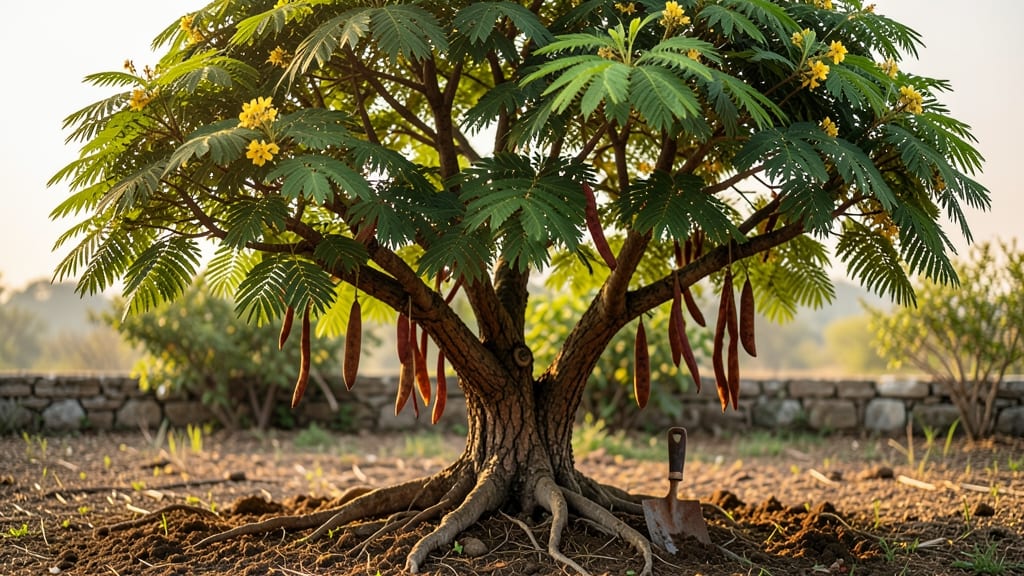
"This cold-hardy red tamarind tree thrives where others freeze out—and it rewards you with fragrant blooms, edible fruit, and buzzing pollinators all year long. I planted mine three years ago in Portland, and it’s now the showstopper of my small urban yard, surviving winters that would kill tropical trees. The key? Mimicking its native habitat’s well-draining soil and bright light, while protecting it from late frosts.
You’ll need 6 hours of sunlight daily and soil that drains like a sandy loam—think 50% native soil, 30% compost, and 20% perlite to prevent soggy roots. Water deeply once a week once established, but never let it sit in water.
This tree’s drought-tolerant once mature, but young plants need consistent moisture. Prune in late winter to shape it and remove dead branches, but avoid heavy cuts that stress the tree.
By summer, you’ll see clusters of starburst-shaped flowers that attract bees and butterflies, followed by small, tangy fruit that birds and humans love. The foliage stays glossy green year-round, making it a four-season ornamental that outshines most shrubs.
Even in Zone 7, it handles light frost if you give it a little winter mulch—no fancy greenhouse needed.
Pro tip: Start with a 1-gallon container-grown tree for faster establishment, and watch for aphids in spring—they adore new growth. A strong spray of water usually clears them up before they cause real damage. This isn’t just a tree; it’s a pollinator magnet, edible landscape feature, and low-maintenance stunner** all in one.
📚 In This Guide
- What you need
- Instructions
- Tips and common mistakes
- Wrapping up and next steps
What you need
- ● Red tamarind tree: 1-3 Leucaena retusa plants (saplings or seeds—check local nurseries for cold-hardy varieties!)
- ○ Optional: Pre-grown container tree (3–5 gallons) for faster establishment.
- ● Planting site prep: Well-draining soil (amend with compost if your soil is clay-heavy 🌿)
- ● Full sun to partial shade (6+ hours of sunlight daily)
- ● Space: 10–15 feet apart for mature trees (they grow 15–25 feet tall!)
- ● Tools: Shovel or trowel (for digging)
- ● Garden gloves (to protect your hands from thorns!)
- ● Watering can or hose (with gentle spray nozzle)
- ○ Optional: Mulch (2–3 inches of wood chips or straw to retain moisture)
- ● Cold hardiness: USDA Zones 9–11 (but thrives in PNW microclimates with winter protection!)
- ● Water needs: Drought-tolerant once established, but water deeply 2–3 times weekly for the first year.
- ● Soil pH: Slightly acidic to neutral (6.0–7.5). Test your soil if unsure!
- ● Local regulations: Check if your area requires permits for non-native species (always good practice!).
Step-by-step guide to planting and caring for a red tamarind tree
This cold-hardy beauty thrives in Pacific Northwest climates—here’s how to establish it for long-term success.
Choose the Right Planting Location and Prepare the Soil
Select a site with full sun exposure (at least 6-8 hours daily) and well-draining soil. The red tamarind tolerates a range of soil types but performs best in slightly acidic to neutral pH (6.0-7.5). In the Pacific Northwest’s damp climate, avoid low-lying areas where water pools—roots rot quickly in soggy conditions.
Before planting, amend the soil with 2-3 inches of organic compost mixed into the top 12 inches of native soil. This improves drainage and provides essential nutrients. If your soil is heavy clay, incorporate sand or perlite to prevent compaction. Test the soil’s moisture retention by squeezing a handful—it should hold together but not feel sticky.
Plant at the Correct Depth and Stake for Stability
Dig a hole twice as wide as the root ball but no deeper. Gently remove the tree from its container and loosen any circling roots with your fingers—this encourages outward growth. Place the tree in the hole so the top of the root ball sits level with the surrounding soil (never bury the trunk). The red tamarind’s shallow root system benefits from wide planting rather than deep.
Backfill the hole with native soil mixed with compost, tamping lightly as you go to eliminate air pockets. Water deeply to settle the soil around the roots. Install a stake or support if the tree is top-heavy or in a windy location, securing it loosely with soft ties to avoid girdling the trunk. Mulch the base with 2-3 inches of wood chips, keeping it 6 inches away from the trunk to prevent rot.
Water Deeply and Establish a Consistent Irrigation Routine
Water the tree deeply once a week during the first growing season, providing 1-2 gallons per week depending on rainfall. The red tamarind is drought-tolerant once established, but young trees need consistent moisture to develop strong roots. Check soil moisture by inserting your finger 2 inches deep—water when it feels dry. Overwatering is a common mistake; soggy soil leads to root rot, which this tree cannot outgrow.
After the first year, reduce watering to once every 2-3 weeks unless the summer is exceptionally dry. Mature trees thrive with natural rainfall in the Pacific Northwest but may need supplemental water during prolonged dry spells. Avoid wetting the foliage when watering to prevent fungal diseases, which are more prevalent in the region’s humid climate.
Prune for Shape and Health in Late Winter or Early Spring
Prune the red tamarind in late winter or early spring before new growth begins. Remove any dead, damaged, or crossing branches first, cutting back to the nearest healthy bud. Thin out crowded branches to improve airflow and reduce disease risk. This tree naturally grows with an open, airy habit, so minimal pruning is needed—focus on maintaining its structure rather than heavy shaping.
If the tree grows too tall for your space, you can lightly prune the top to encourage bushier growth, but avoid excessive trimming. The red tamarind’s vibrant flowers and seed pods are its standout feature, so preserve as much of the canopy as possible. Sterilize your pruning tools with rubbing alcohol between cuts to prevent the spread of pathogens, a critical step in the Pacific Northwest’s damp environment.
Fertilize Sparingly and Monitor for Pests
Fertilize the red tamarind once in early spring with a balanced, slow-release fertilizer (10-10-10 ratio). Apply it according to package instructions, typically ¼ to ½ cup per year for a mature tree. Over-fertilizing leads to excessive leaf growth at the expense of flowers and fruit, which are the tree’s primary attractions. In the Pacific Northwest, where soil nutrients can be leached by heavy rainfall, a single annual feeding is usually sufficient.
Watch for aphids, scale, or spider mites, which occasionally target this tree. Treat infestations early with neem oil or insecticidal soap, applying in the early morning or evening to avoid harming beneficial insects. The red tamarind’s thick, leathery leaves deter most pests, but young trees may need occasional intervention. Regularly inspect the undersides of leaves and new growth for signs of trouble.
Tips & tricks for perfect red tamarind tree planting
Took me years to perfect these steps—here's how to avoid the most common pitfalls when establishing your red tamarind in the Pacific Northwest.
Site Selection: The 6-8 hours of full sun requirement is non-negotiable for this tree. In the Pacific Northwest's cloudy climate, I recommend planting on a south-facing slope or against a building that reflects sunlight. If your property has limited sun exposure, consider using a large reflective panel or even a greenhouse setup during winter months to supplement light—this tree simply won't thrive with less than its required sunlight.
Soil Preparation Insight: When amending the top 12 inches of soil with 2-3 inches of organic compost, I've found that mixing in a handful of mycorrhizal fungi powder (available at garden centers) significantly boosts root development. The red tamarind's shallow root system particularly benefits from this symbiotic relationship. For heavy clay soils, I recommend incorporating coarse sand rather than perlite—it breaks up compaction better while still improving drainage.
Watering Strategy: The once-weekly watering during the first growing season is crucial, but timing matters just as much as quantity. I always water in the early morning to allow foliage to dry completely before evening humidity sets in. For the 1-2 gallons weekly, use a slow watering method like a drip irrigation system or soaker hose—this prevents soil erosion and ensures water penetrates deeply to encourage deep root growth.
Pest Prevention: While the tree's thick leaves deter most pests, I've found that the Pacific Northwest's aphid populations can be particularly aggressive. As a preventive measure, I recommend applying a light horticultural oil spray to young trees in early spring before aphids become visible. This creates a protective barrier without harming beneficial insects, and I've seen dramatically reduced infestations in treated trees.
Pro Tips for Red Tamarind Tree
- Took me years to perfect these steps—here's how to avoid the most common pitfalls when establishing your red tamarind in the Pacific Northwest.
- Site Selection: The 6-8 hours of full sun requirement is non-negotiable for this tree.
- The red tamarind's shallow root system particularly benefits from this symbiotic relationship.
Frequently asked questions
Got questions about the red tamarind tree? You’re not alone! Here are some of the most common queries—plus quick, practical answers to help you grow, care for, and enjoy this stunning Pacific Northwest native.
How cold-hardy is the red tamarind tree, really?
The red tamarind (Lysiloma bahamense) is one of the toughest trees in its range, thriving in USDA zones 8–11. In the Pacific Northwest, it handles light frosts (down to 20°F/-7°C) but may need winter protection in colder microclimates. Mulch heavily and water deeply before freeze events to boost resilience!
How long does it take for a red tamarind tree to bear fruit?
Patience is key! Young trees typically take 5–7 years to mature enough for fruiting, though some may produce sparse pods as early as year 3. For faster results, plant a grafted specimen or pair with a compatible pollinator (like a honeybee-friendly native). Bonus: The fragrant flowers appear before leaves in early spring!
Can I grow a red tamarind tree in a container?
Yes, but with caveats. Use a large pot (20+ gallons) with drainage holes and a well-draining mix (cactus/succulent blend + perlite). Container-grown trees stay smaller but may fruit less reliably. Move pots indoors or to a sheltered spot if temps dip below 25°F/-4°C. Pro tip: Prune roots annually to prevent circling.
Why aren’t my red tamarind flowers attracting pollinators?
If bees or butterflies skip your tree, check these fixes:
- Timing: Flowers bloom in late winter/early spring—plant near early-season pollinators like mason bees.
- Pesticides: Avoid sprays; opt for neem oil or beneficial nematodes for pests.
- Location: Place in full sun (6+ hours daily) and near water sources.
Are the pods edible, and how do I prepare them?
Ripe pods (deep red/purple) have a tangy, tamarind-like flavor. To prepare:
- Wear gloves—pods stain!
- Roast whole pods at 350°F (175°C) for 20 mins to soften.
- Mash pulp into a paste or blend with water for a fermented chutney (like Mexican salsa de tamarindo).
Wrapping up and next steps
The red tamarind tree isn’t just a stunning addition to your Pacific Northwest landscape—it’s a year-round powerhouse for pollinators, cold resilience, and vibrant beauty. 🌿 From its striking foliage to its wildlife-friendly fruit, this tree proves that sustainability and aesthetics go hand in hand.
Whether you’re a gardener, eco-warrior, or simply love unique trees, now’s the perfect time to plant one and watch it thrive.
Ready to take the next step? Research local nurseries or check planting guides to bring this standout tree to your garden. Your future pollinators—and your curb appeal—will thank you! 🌱✨