Blooming
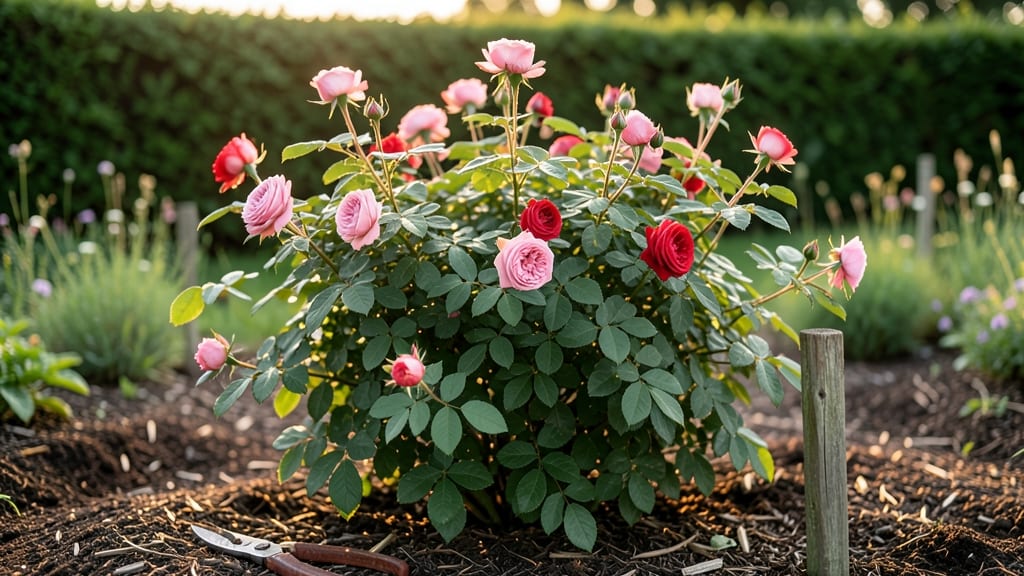
Growing a rose blossom tree in your Pacific Northwest garden means waking up to clouds of fragrant blooms that hummingbirds adore. 🌸 Unlike delicate roses, these hardy trees thrive in cooler climates, offering bold flowers and minimal fuss—perfect for beginners or busy gardeners.
My first one surprised me with its resilience after I nearly drowned it during a rainy spring (oops).
The secret to success starts with the right spot: full sun to partial shade and well-draining soil rich in organic matter. Pacific Northwest gardens often have acidic soil, so a 5-gallon bucket of compost mixed into the planting hole works wonders.
These trees handle our region’s damp winters beautifully, but they hate soggy roots—elevate the soil slightly if your yard stays wet.
By mid-summer, you’ll be rewarded with clusters of blooms in shades of pink, white, or lavender that last for weeks. The scent alone makes it worth the wait, and the glossy leaves add lushness to any landscape.
Prune lightly after blooming to encourage next year’s flowers—just 3-4 cuts per branch keeps them healthy without sacrificing beauty.
Even in our rainy climate, these trees rarely face major pests, though aphids might visit. A strong spray of water usually sends them packing. With proper care, your rose blossom tree will become the showstopper of your garden, year after year. Ready to get started?
📚 In This Guide
- What you need
- Instructions
- Tips and common mistakes
- Wrapping up and next steps
What you need
- ● Rose Blossom Tree (Rosa spp.) – Choose a variety suited to zones 6-9, like Rosa rugosa or Rosa ‘Dr. Huey'. Opt for: 1-3 bare-root plants (fall planting) or
- ● 1-2 container-grown saplings (spring planting)
- ● Well-draining soil mix (50% native soil + 50% compost or peat moss). Pro tip: 💡 Pacific Northwest’s acidic soil may need lime (1-2 lbs per 100 sq ft) for optimal growth.
- ● Organic mulch (3-4 inches of wood chips or straw to retain moisture).
- ● Balanced fertilizer (10-10-10 or rose-specific formula, 2-3 tbsp per plant).
- ● Trowel or spade (for digging)
- ● Garden gloves (to protect from thorns!)
- ● Watering can or hose with a gentle spray nozzle
- ● Pruning shears (sterilized with rubbing alcohol)
- ○ Optional: Trellis or sturdy fence (8-10 ft tall for climbing varieties).
- ● Full sun location (6+ hours daily). Partial shade (3-6 hours) works in hotter PNW summers.
- ● Space! Mature trees reach 10-15 ft wide. Space plants 6-8 ft apart.
- ● Consistent watering (1-2 inches per week; drought-tolerant once established).
Step-by-step guide to growing a fragrant rose blossom climber
Here’s how to cultivate a stunning, fragrant rose climber thriving in Pacific Northwest conditions.
🪴 Step 1: Choose the Right Location and Support Structure
Select a spot with at least 6 hours of direct sunlight daily—morning sun is ideal to prevent afternoon leaf scorch. Pacific Northwest climates benefit from partial afternoon shade in summer, so a location near a north-facing wall or trellis works well. Avoid low-lying areas where cold air pools, as roses dislike soggy roots.
Install a sturdy 6-8 foot tall trellis, arbor, or fence before planting. I use powder-coated metal or cedar because they resist rot and provide years of support. Space support posts 8 feet apart for stability. The structure should be 4-6 inches from the planting spot to allow easy access for pruning and maintenance.
🌱 Step 2: Plant Your Rose Blossom Tree at the Right Time
Plant bare-root roses in early spring (March-April) when soil temperatures reach 50°F—this gives roots time to establish before summer heat. Container-grown roses can be planted throughout spring and early fall, but avoid planting when temperatures are below 40°F or above 85°F.
Dig a hole twice as wide as the root ball but only as deep as the roots. Loosen the roots gently if they’re circling or bound. Place the rose so the graft union (bulge near the base) sits 2-3 inches above soil level—this prevents root rot. Backfill with a mix of native soil and 2 inches of compost, tamping lightly to remove air pockets.
☀️ Step 3: Water and Mulch for Strong Establishment
Water deeply immediately after planting—soak the soil until it’s 12 inches deep to encourage root growth. Follow up with 1 inch of water weekly during the first growing season, adjusting for rain. Pacific Northwest summers can be dry, so drip irrigation or soaker hoses help maintain consistent moisture without wetting the foliage (which invites disease).
Spread 3 inches of mulch (wood chips or bark) around the base, keeping it 6 inches away from the trunk. This conserves moisture, regulates soil temperature, and suppresses weeds. Replenish mulch annually in early spring—never let it pile against the stem, as it can cause rot.
✂️ Step 4: Prune for Shape and Fragrance
Prune newly planted roses lightly in early spring to remove dead or crossing branches. Focus on opening the center of the plant to improve airflow and sunlight penetration. Cut back one-third of the oldest canes to encourage new growth. Use clean, sharp pruners and make cuts at a 45-degree angle just above an outward-facing bud.
After the first flush of blooms, deadhead spent flowers to redirect energy into new growth. In late summer, prune again to remove weak or leggy stems. This keeps the plant compact and encourages stronger, more fragrant blooms the following year. Avoid heavy pruning in fall—it stimulates tender growth that won’t survive winter.
🌿 Step 5: Fertilize and Protect for Long-Term Health
Apply a balanced, slow-release fertilizer (10-10-10) in early spring when new growth appears. Follow package instructions for amounts—over-fertilizing leads to weak stems and fewer blooms. In late summer, switch to a low-nitrogen, high-phosphorus fertilizer (5-10-10) to support root development and next year’s flowers.
Watch for aphids, spider mites, or black spot—common Pacific Northwest issues. Treat early with neem oil or insecticidal soap for pests, and remove infected leaves immediately. Space plants 3-4 feet apart to improve airflow and reduce disease risk. With consistent care, your rose climber will reward you with lush, fragrant blooms for years.
Tips & tricks for perfect rose blossom climbers
Here's what I've learned after years of growing fragrant climbers in Pacific Northwest gardens—details that make all the difference.
Location Secret: That 6 hours of sunlight is non-negotiable for fragrant roses, but here's the thing: morning sun is your best friend. The cooler morning light prevents leaf scorch that happens when afternoon sun hits. I've seen roses near south-facing walls struggle with burnt edges—trust me on this. If your yard only gets 4-5 hours of direct sun, consider a container where you can move it to sunnier spots during peak hours.
Support Structure Wisdom: When installing your 6-8 foot trellis, I can't stress enough how important those 4-6 inches of clearance are. You'll thank yourself later when you're not constantly bumping into the structure while pruning. I like to use cedar because it naturally resists rot, but if you're on a budget, powder-coated metal will last just as long. Pro tip: Bury the support posts at least 12 inches deep—they won't wobble when your climber gets heavy with blooms.
Planting Time Strategy: The early spring window (March-April) gives roots critical time to establish before summer heat, but here's what nobody tells you—soil temperature is more important than calendar dates. I test soil temp with a thermometer before planting. If it's below 50°F, wait it out. I've planted too early when soil was still cold, and the roots just sat there waiting to grow. The same goes for fall planting—if nights dip below 40°F, your new rose won't have time to acclimate.
Watering Hack: That 12-inch deep watering right after planting isn't just about moisture—it's about encouraging roots to grow downward. I use a long screwdriver to check depth after watering. For the weekly 1 inch of water, I've found that drip irrigation on a timer works best. It delivers consistent moisture without wetting the leaves (which is crucial for preventing black spot disease). And remember, Pacific Northwest summers can be deceivingly dry even with frequent rain—don't skip your watering schedule just because it rained yesterday.
Pro Tips for Rose Blossom Tree
- Here's what I've learned after years of growing fragrant climbers in Pacific Northwest gardens—details that make all the difference.
- Location Secret: That 6 hours of sunlight is non-negotiable for fragrant roses, but here's the thing: morning sun is your best friend.
- Support Structure Wisdom: When installing your 6-8 foot trellis, I can't stress enough how important those 4-6 inches of clearance are.
Frequently asked questions
Got questions about nurturing your rose blossom tree? You’re not alone—gardeners in the Pacific Northwest often wonder about timing, care, and troubleshooting. Here are answers to the most common queries to help you grow a thriving, fragrant climber!
When is the best time to plant a rose blossom tree in the PNW?
The ideal window is late fall or early spring (September–April), when the soil is workable but not frozen. This gives roots time to establish before summer heat. Avoid planting in extreme cold or drought—PNW’s mild winters make fall a great choice, but spring works too if you’re in a wetter microclimate.
How much water does a rose blossom tree need, especially in rainy PNW?
While the PNW’s rain helps, consistent moisture is key—especially the first year. Water deeply 1–2 times per week (more in summer droughts) to encourage root growth. Avoid soggy soil, though: well-draining soil prevents root rot. Mulch (2–3 inches) retains moisture and protects roots from temperature swings.
Can I grow a rose blossom tree in a container, or does it need ground planting?
Yes! A large container (at least 15–20 gallons) works for small varieties, but expect slower growth. Use a fast-draining mix with perlite and ensure the pot has drainage holes. Move containers to partial shade in summer to prevent overheating. Just know: ground-planted trees thrive longer with fewer restrictions.
Why aren’t my rose blossoms opening, even though the plant looks healthy?
Several factors could be at play:
- Too much shade: Rose blossoms need 6+ hours of sunlight daily. Trim nearby trees or relocate if needed.
- Over-fertilizing: Too much nitrogen = leafy growth, fewer blooms. Use a balanced bloom booster (like 10-10-10) in early spring.
- Stress from transplant shock: If recently planted, give it 4–6 weeks to adjust before expecting flowers.
- Pests or disease: Check for aphids, spider mites, or fungal spots (common in PNW humidity). Treat with neem oil or fungicide if needed.
Do rose blossom trees attract pests, and how do I keep them away?
Yes, they can draw aphids, Japanese beetles, and spider mites, but PNW’s cool climate often keeps pests in check. Preventative tips:
- Spray foliage with neem oil (early spring/fall).
- Encourage beneficial insects like ladybugs by planting companion flowers (e.g., marigolds).
- Prune damaged leaves promptly to reduce hiding spots.
- Use row covers during beetle season (June–July).
Wrapping up and next steps
Growing a rose blossom tree in your Pacific Northwest garden is a rewarding journey—one that fills your space with stunning blooms and intoxicating fragrance.
Whether you’re drawn to climbing varieties like Rosa ‘New Dawn’ or compact shrubs, these fragrant beauties thrive with the right care, patience, and a little love. 🌸
Now that you’re armed with the essentials—from soil prep to pruning tips—take the next step! Start small: plant a single cutting or a young sapling, and watch your garden transform.
Before you know it, your rose blossom tree will be the star of your outdoor haven, year after year. Happy gardening! 🌱