Pruning
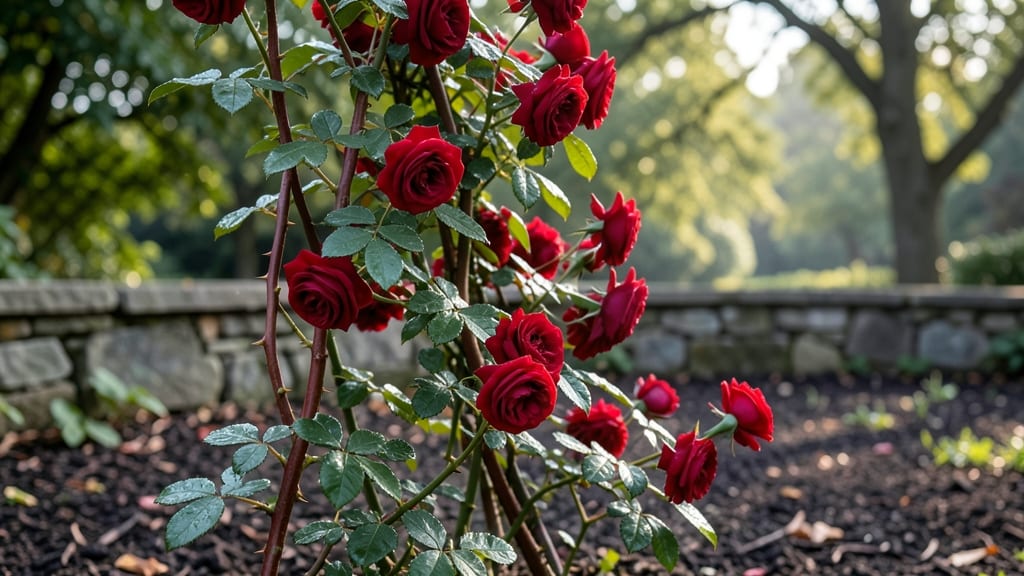
Your red rose tree can bloom nonstop if you prune it right—here’s how I’ve kept mine covered in flowers for 10+ months straight. The key isn’t cutting back hard like old-school guides say; it’s about encouraging new growth at the right time.
My first attempt left me with a leggy, sparse bush, but after learning these tricks, my Knock Out Red now looks like a cloud of velvety blooms. 🌹
Start with the basics: a sunny spot with at least 6 hours of direct light daily, well-draining soil, and space to grow (3–4 feet for shrub roses, wider for climbers). Water deeply once a week—unless it’s scorching hot—then mulch to keep roots cool.
Fertilize lightly every 4–6 weeks with a balanced rose food, but cut back in late summer to avoid tender new growth before winter. The payoff? Roses that burst into bloom the second spring arrives.
Pruning transforms everything. In late winter, cut back dead or crossing branches to open the center, then trim back remaining stems by about one-third. Throughout the season, pinch off spent blooms and any branches growing inward—this forces energy into new shoots and more flowers.
By summer’s end, your bush will be denser, healthier, and ready for winter protection with a thick layer of mulch or burlap wrap.
This works for Knock Outs, Double Delights, or climbing varieties—just adjust spacing and pruning intensity. The secret isn’t complicated, but it does require consistency. Once you see that first flush of red blooms in early spring, you’ll wonder why you waited so long to try it.
📚 In This Guide
- What you need
- Instructions
- Tips and common mistakes
- Wrapping up and next steps
What you need
- ● Pruning shears: Sharp, bypass-style shears (2-3 pairs, depending on tree size). Avoid dull or anvil-style shears—they crush stems!
- ● Loppers: For thicker branches (1 pair, 6-8" cutting capacity). Look for ratcheting or bypass models for precision.
- ● Pruning saw: A fine-tooth, curved-blade saw (1) for branches thicker than 1.5 inches.
- ● Disinfectant: 70% isopropyl alcohol or a 10% bleach solution (1 small spray bottle) to sterilize tools between cuts.
- ● Gloves: Heavy-duty, gardening gloves (1 pair) to protect against thorns and sap.
- ○ Rake or broom: For clearing fallen debris (1). A leaf blower is optional but handy!
- ○ Pruning sealant (optional but recommended): A tree wound paint (small jar) to coat large cuts and prevent disease.
- ● Timing: Prune your Rose Tree Red during dormant season (late winter/early spring) or right after blooming (summer). Avoid pruning in fall or extreme heat!
- ● Weather check: Choose a dry, overcast day to minimize stress on the tree. Wet conditions can spread disease.
- ● Safety gear: Safety glasses (1 pair) and long sleeves/pants to shield against thorns and sap.
- ● Clean workspace: Lay down a tarpaulin or old sheet (1-2) to catch debris and make cleanup easier.
- ● ✨ Sharpen your tools! Dull blades tear stems, inviting disease. Hone shears with a file or sharpening stone before starting.
- ● 🌡️ Work in layers: For large branches, make a notch cut first to control the fall. Then, remove the remaining wood in one smooth motion.
- ● 🎯 Dispose of debris: Bag and compost or dispose of pruned branches to prevent pests or diseases from lingering.
Step-by-step pruning guide for your rose tree Red
Here's how to transform your rose tree into a blooming powerhouse year after year.
✂️ Step 1: Prune for Structure in Late Winter
Wait until after the last frost but before new growth begins—typically February or March in most climates. This is your chance to shape the tree's framework. Start by removing any dead, diseased, or crossing branches at the base. You'll know a branch is dead if it's brittle, doesn't bend, and has no green underneath the bark when scratched.
Next, cut back last year's growth by one-third to encourage new, vigorous shoots. Make clean cuts just above an outward-facing bud, angled slightly away from the bud to prevent water from pooling. This ensures your cuts heal properly and new growth emerges in the right direction. I always use sharp bypass pruners—dull tools crush stems and invite disease.
🌿 Step 2: Encourage Blooms During Early Spring
Once new leaves appear in early spring, focus on promoting flowers. Look for branches that produced blooms last year and cut them back by half their length. This stimulates the formation of new flower buds. For your Rose Tree Red, which blooms repeatedly, you'll want to make these cuts just above a leaf node where three or more buds are clustered—this ensures a strong floral display.
Remove any suckers growing from the base of the tree or graft union. These are vigorous shoots that drain energy from your blooms. Snip them off at ground level immediately—don't let them establish. Here's the thing—if you see water sprouts (thin, upright shoots growing from the trunk), prune them too. They're energy vampires that won't contribute to your floral display.
☀️ Step 3: Maintain Shape and Health Through Summer
After the main bloom cycle, give your Rose Tree Red a light trim to maintain its shape. In late summer, cut back about one-third of the oldest wood—this prevents the tree from becoming overgrown and woody. Look for branches that are thicker than a pencil; these are candidates for rejuvenation cuts. Make your cuts just above an outward-facing bud to encourage new growth that will bloom next season.
Throughout the growing season, remove any deadheading flowers immediately after they fade. This prevents seed formation and redirects the plant's energy into producing more blooms. I like to do this on a weekly basis—it keeps the tree looking tidy and encourages continuous flowering. If you notice any yellowing leaves or signs of pests, address them promptly. A healthy tree is a blooming tree.
⏰ Step 4: Prepare for Winter Dormancy in Fall
In early fall, give your Rose Tree Red one final trim to clean up any remaining debris and shape the tree for winter. Remove any weak, spindly growth that didn't produce flowers. These branches are just taking up energy that could be used to strengthen the tree's structure. Cut them back to a strong bud or branch junction.
Apply a 2-3 inch layer of mulch around the base of the tree, keeping it a few inches away from the trunk. This protects the roots from freezing temperatures and helps retain moisture. Here's where it gets fun—watch the tree's response next spring. With proper fall pruning, you'll see robust new growth emerging earlier and more vigorously than ever before.
Tips & tricks for perfect rose tree Red pruning
Let me share the hard-won wisdom that'll keep your Rose Tree Red blooming like crazy all season long.
Timing is Everything: That late winter prune in February or March is non-negotiable for your Rose Tree Red. I learned this the hard way after pruning too early and exposing tender new growth to frost damage. Wait until after the last frost—you can check your local frost dates online if you're unsure. For repeat bloomers like this variety, timing your cuts just right ensures you don't accidentally remove next year's flower buds.
The One-Third Rule: When pruning in late winter or late summer, always cut back by one-third of last year's growth. This magical ratio stimulates vigorous new growth while maintaining the tree's shape. I mark the cuts with a piece of tape before making them—it helps visualize that perfect one-third reduction. And remember: always cut just above an outward-facing bud at a 45-degree angle to prevent water from pooling and causing rot.
Bud Cluster Strategy: For your Rose Tree Red's spectacular repeat blooms, focus on cutting above clusters of three or more buds during early spring pruning. These bud clusters are where your next flush of flowers will emerge. I make it a habit to count the buds before making each cut—this ensures you're preserving the tree's flowering potential rather than accidentally removing future blooms.
Mulch Magic: That 2-3 inch layer of mulch in early fall isn't just decorative—it's a game-changer for winter survival. I use shredded bark mulch because it breaks down slowly and improves soil structure over time. Keep the mulch several inches away from the trunk to prevent rot, and consider adding a thick layer of straw around the base for extra winter protection in colder climates.
Pro Tips for Rose Tree Red
- Let me share the hard-won wisdom that'll keep your Rose Tree Red blooming like crazy all season long.
- Timing is Everything: That late winter prune in February or March is non-negotiable for your Rose Tree Red.
- The One-Third Rule: When pruning in late winter or late summer, always cut back by one-third of last year's growth.
Frequently asked questions
When is the best time to prune my Tree Red rose for maximum blooms?
The golden window is late winter or early spring (just before new growth starts), but you can also do a light shape-up in summer after blooms fade. Avoid heavy pruning in fall—it stresses the plant before winter. Pro tip: If you missed the spring cut, don’t panic! Just focus on removing dead wood and shaping.
How much can I cut back my Tree Red rose without harming it?
For vigorous growth, aim to remove 1/3 of the plant’s oldest canes each year. Cut just above an outward-facing bud (use clean, sharp shears!) and avoid over-pruning—this can stunt blooms. Tree Red roses are forgiving, but never cut more than 1/2 the plant at once, even if it looks overgrown.
Why isn’t my Tree Red rose blooming after pruning?
Bloom delays often mean too much shade, over-fertilizing with nitrogen (leafy growth, not flowers), or pruning at the wrong time. Check for hidden pests (like aphids) too! If you pruned in fall, give it time—spring’s warmer temps trigger blooms. Fix it: Switch to a bloom-boosting fertilizer (high phosphorus) and ensure 6+ hours of sun daily.
Can I prune my Tree Red rose in containers differently than one in the ground?
Yes! Container roses need more frequent pruning (every 4–6 weeks) to prevent root-bound stress. Trim back by 1/4 to 1/3 in spring, then do a light maintenance prune after each flush of blooms. Key tip: Repot every 2–3 years and prune roots if they’re circling—this keeps blooms lush!
What if my Tree Red rose has bare stems after pruning—did I ruin it?
Not necessarily! Tree Red roses often look stark post-prune, but new canes will emerge from the base if the roots are healthy. Avoid cutting into old, woody stems (they won’t regrow). If you see green shoots at the base, you’re on track—just be patient! Pro move: Mulch well to protect new growth.
Wrapping up and next steps
Mastering the art of pruning your rose tree red isn’t just about trimming—it’s about unlocking its full potential for year-round beauty and robust health. 🌹 With the right tools, timing, and techniques, you’ll transform your garden into a vibrant showcase of lush blooms and thriving growth.
Start small, stay consistent, and watch your rose tree reward you with stunning results!
Your Next Step: Take Action!
Ready to give your rose tree red the care it deserves? Grab your pruners, mark your calendar for the next pruning session, and dive in! Every cut is a step toward a more vibrant garden. Happy pruning—your roses will thank you! 🌿✨