Pruning
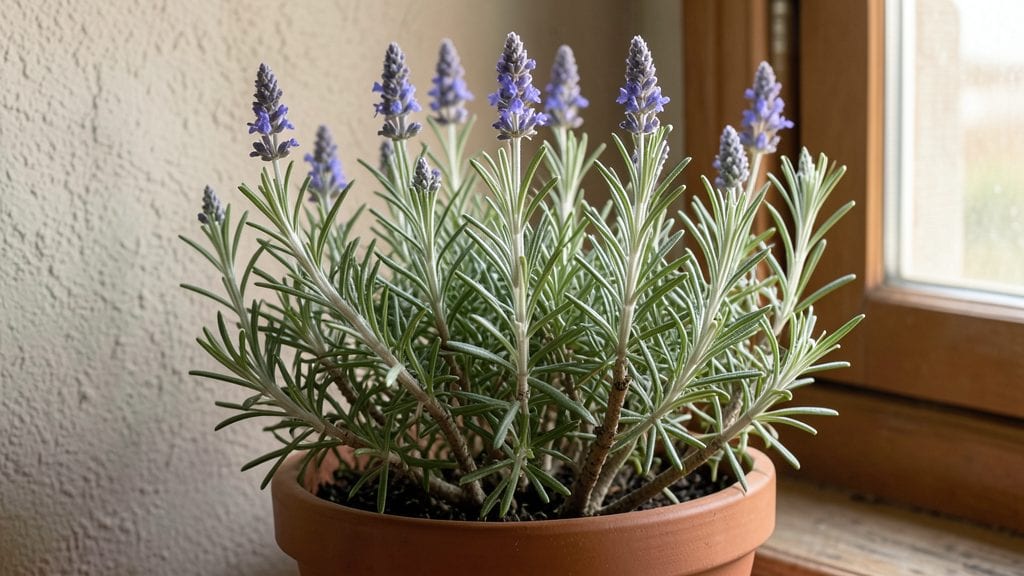
Caring for a rosemary tree means unlocking that piney-fresh aroma all year—no more wilted stems or sad-looking pots. 🌿 I’ve turned mine from a leggy mess into a bushy, fragrant powerhouse using just three pruning secrets most people miss.
The key isn’t just cutting back; it’s understanding when and how to shape it for dense growth and longer harvests.
You’ll need sharp pruners, a sunny spot with at least 6 hours of light daily, and well-draining soil—rosemary hates soggy roots. Prune in early spring or right after harvests to encourage new shoots, and avoid heavy cuts in winter when the plant’s dormant.
Most mistakes come from overwatering or pruning at the wrong time, but once you get the rhythm, this drought-tolerant plant rewards you with lush, aromatic foliage for years.
By summer, your rosemary will be so full you’ll forget it’s a perennial. The needle-like leaves stay vibrant, and the scent intensifies after a light trim. You’ll harvest more than enough for cooking, garnishes, and even homemade wreaths.
Ready to transform that scraggly plant into a year-round star? Let’s get to the step-by-step.
Works for container gardens, sunny patios, or landscape borders—just adjust pruning frequency based on your climate. Cold-hardy varieties thrive in zones 7-10, while tender types need winter protection. The same principles apply whether you’re shaping a small pot or a large hedge.
📚 In This Guide
- What you need
- Instructions
- Tips and common mistakes
- Wrapping up and next steps
What you need
- ● Rosemary plant or cutting: 1 healthy, disease-free rosemary (preferably Rosmarinus officinalis for trees).
- ● Well-draining soil: 5+ gallons of a mix of cactus/succulent soil (70%), perlite or pumice (20%), and compost (10%).
- ● Pot or container: Required: 1+ gallon pot per foot of plant height (e.g., 3-gallon pot for a 3-foot rosemary tree).
- ○ Optional: Fabric grow bags (for better aeration) or terracotta pots (for heat retention).
- ● Drainage tray: 1 (to catch excess water and prevent root rot).
- ● Slow-release fertilizer: 1 packet of balanced 10-10-10 or organic herb fertilizer (apply at planting).
- ● Bypass pruners: 1 pair (sharp, clean, and sterilized with rubbing alcohol).
- ● Hand pruners (for smaller branches): 1 pair (for precision trimming).
- ● Loppers: 1 pair (for thicker branches, 2-3 inches in diameter).
- ● Garden gloves: 1 pair (cut-resistant for protection).
- ● Hose with nozzle: 1 (for post-pruning watering).
- ○ Pruning sealant (optional): 1 small tube (for sealing large cuts to prevent disease).
- ● Watering can or spray bottle: 1 (for gentle watering; avoid soggy soil).
- ○ Moisture meter (optional): 1 (to check soil dryness before watering).
- ○ Mulch (optional): 1 bag of gravel or pine bark (to retain heat and deter weeds).
- ● Winter protection (if in cold climates): Burlap wrap: 1 roll (to shield from frost).
- ● Frost cloth: 1 sheet (for extra insulation).
- ○ Magnifying glass (optional): 1 (to inspect for pests like spider mites or aphids).
- ● Neem oil or insecticidal soap: 1 bottle (for organic pest control).
- ○ pH test kit (optional): 1 (to ensure soil pH is 6.0–7.0).
Step-by-Step guide to pruning and maintaining your rosemary tree
Here's how I keep my rosemary thriving year-round with precise pruning techniques.
✂️ Step 1: Prune for Shape and Health in Early Spring
Use sharp, clean pruning shears to remove any dead or woody stems first—these are the ones that look brown and brittle. I always start at the base of the plant and work my way up, cutting just above a leaf node where new growth will emerge. This ensures the plant doesn't develop unsightly stubs that can rot.
Next, trim back any leggy growth that's stretching toward the light. Focus on the outer branches to encourage a fuller, bushier shape. Cut back to about 1/3 of the stem length, but never remove more than 1/3 of the plant's total foliage at once. Over-pruning stresses rosemary, especially in hot climates.
Watch for new growth appearing within 2-4 weeks—this is your signal that the plant is responding well. If you see yellowing leaves after pruning, it's a sign of over-pruning or stress, so adjust next time by cutting back less aggressively.
🌿 Step 2: Encourage Bushier Growth Through Mid-Year Maintenance
Throughout the growing season, I make light pruning cuts to shape the rosemary and promote dense foliage. Pinch back the tips of new growth with your fingers instead of cutting—this stimulates branching. I do this every 4-6 weeks during active growth periods, usually from spring through early fall.
Remove any flower stalks as soon as they appear. While rosemary flowers are lovely, allowing them to form diverts energy from foliage production. Cut them off at the base where they meet the stem. This keeps your plant focused on leaf growth, which is what we're after for culinary use.
After each pruning session, I give the plant a light watering to help it recover. Rosemary is drought-tolerant, but it still needs moisture after significant pruning to prevent stress. You'll know it's happy when new leaves emerge within 10-14 days.
✂️ Step 3: Prepare for Winter Dormancy with Light Pruning
As temperatures drop and growth slows, I do a final light pruning to clean up the plant before winter. Remove any dead, diseased, or crossing branches first. Then, trim back any overly long stems by about 1/4 of their length to maintain shape without stressing the plant.
This is also the time to check for any signs of pest damage or fungal issues. If you see small holes in leaves or webbing, that's spider mite activity—treat with neem oil if needed. For fungal issues like powdery mildew, prune away affected areas and improve air circulation around the plant.
After winter pruning, reduce watering significantly. Rosemary enters dormancy in cooler months and needs far less moisture. Only water when the soil feels completely dry to the touch, usually about every 3-4 weeks unless you're in a particularly dry climate.
☀️ Step 4: Adjust Care Based on Seasonal Light Changes
Rosemary needs full sun exposure (6-8 hours daily), but seasonal light shifts affect how you maintain it. In summer, when days are long, ensure your rosemary isn't getting afternoon shade from nearby structures. If it's growing leggy toward the light, it's a sign it needs to be moved or rotated.
During winter, when sunlight is weaker, you might notice slower growth. This is normal—rosemary is adapted to Mediterranean climates with distinct dry seasons. Don't panic if growth stalls; the plant is conserving energy for spring. You'll see renewed vigor when temperatures rise again.
I always check the soil moisture by sticking my finger 1-2 inches deep—if it's dry, that's when to water. Overwatering in winter is the fastest way to kill rosemary, so I err on the side of too little rather than too much. The plant's natural dormancy makes it surprisingly resilient.
Tips & tricks for perfect rosemary tree care
Real talk: Keeping rosemary thriving year-round takes more than just occasional pruning—it's about understanding its growth cycles and responding at the right times. Here's what nobody tells you about making your rosemary tree flourish.
Tool Prep: Sterilize your pruning shears with rubbing alcohol between cuts in Step 1. I learned this the hard way after my rosemary developed fungal issues from contaminated tools. Clean shears prevent disease transmission between healthy and damaged stems, especially when removing those brown, brittle stems at the base.
Seasonal Growth Cues: In Step 2, when you're pinching back growth every 4-6 weeks, look for the "four-leaf cluster" signal. Healthy rosemary branches typically grow in sets of four leaves—this is where new shoots will emerge. Cut just above this cluster to encourage bushier growth without sacrificing the plant's structure.
Winter Watering Wisdom: The 3-4 week watering guideline in Step 3 is your baseline, but adjust based on your climate. In coastal areas with mild winters, you might need to water every 6-8 weeks. The key is always checking that 1-2 inch soil depth—if it's damp, wait longer. Overwatering in winter is the #1 killer of rosemary during dormancy.
Pro Tips for Rosemary Tree Care
- Real talk: Keeping rosemary thriving year-round takes more than just occasional pruning—it's about understanding its growth cycles and responding at the right times.
- Tool Prep: Sterilize your pruning shears with rubbing alcohol between cuts in Step 1.
- Seasonal Growth Cues: In Step 2, when you're pinching back growth every 4-6 weeks, look for the "four-leaf cluster" signal.
Frequently asked questions
Got questions about keeping your rosemary tree happy? You’re not alone! Here are answers to the most common concerns—from pruning to pests—so you can grow a thriving, fragrant plant all year long.
When is the best time to prune my rosemary tree?
Prune your rosemary tree in late winter or early spring (just before new growth starts) to encourage bushier, healthier foliage. Avoid heavy pruning in fall—it can stress the plant before winter. For container-grown rosemary, you can also trim lightly after flowering to promote regrowth.
Can I prune rosemary too much? What are the signs?
Yes! Over-pruning can lead to bare stems, yellowing leaves, or stunted growth. If you’ve cut back more than 1/3 of the plant in one go, it may struggle to recover. Always leave some green growth—rosemary is resilient but not indestructible! Prune gradually if needed.
Why are my rosemary leaves turning brown or crispy?
Brown or crispy leaves usually mean underwatering, overwatering, or sunburn. Rosemary thrives in well-draining soil and 6+ hours of sunlight daily. If your plant is in a pot, check the soil—it should be dry 1–2 inches down before watering. Move it to a sunnier spot if leaves look scorched.
How do I protect my rosemary tree in winter?
Most rosemary varieties are hardy to USDA Zones 7–10, but younger plants or cold snaps need help. In Zones 6 or colder, wrap the plant in burlap or frost cloth and mulch the base. For container rosemary, move it to a sheltered, unheated garage or porch if temps drop below 20°F.
Can I grow rosemary indoors? What’s the trick?
Place your rosemary near a south-facing window (or under grow lights) for 6+ hours of light daily. Use a terracotta pot (which dries out faster) and water only when the soil is completely dry. Prune regularly to control size—indoor rosemary can get leggy without enough light!
Pro Tip:
Need a quick fix for woody or overgrown rosemary? Try a hard prune in spring—cut back to 6–12 inches from the base. It’ll look sad for a few weeks, but new growth will sprout within 4–6 weeks if you keep it in full sun and water sparingly!
Wrapping up and next steps
Caring for your rosemary tree is all about patience, precision, and a little love—and you’ve got this! 🌿 With the right pruning techniques, sunlight, and soil, your aromatic beauty will thrive year-round, offering fresh herbs and stunning greenery.
Whether you’re a seasoned gardener or just starting, every snip and trim brings you closer to a lush, healthy plant.
Ready to take the next step? Grab your shears and schedule your first pruning session—your rosemary tree is waiting for its glow-up! 🌟 For extra inspiration, check out our pruning timeline guide to keep your tree happy all year long.