
Lawn
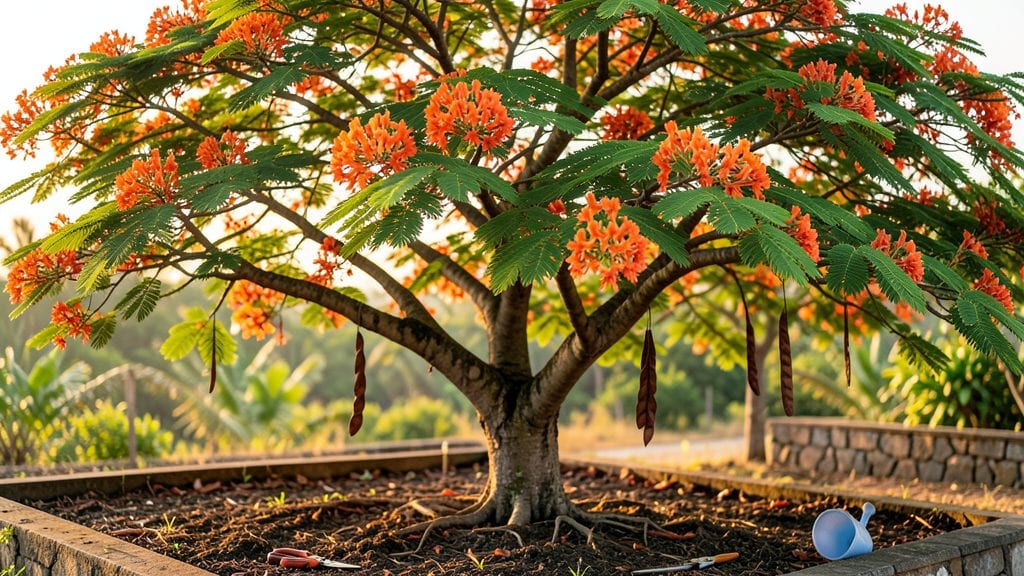
Royal poinciana tree seed pods hold the key to growing these stunning, flame-colored giants from scratch—though they’re notoriously stubborn to sprout. 🌱 I’ve cracked the code after years of trial and error, and the secret lies in timing the pod harvest just right and breaking their thick shells without damaging the seeds inside.
The process starts with patience—collect pods when they turn brown and papery after flowering, then let them dry completely before cracking them open. Once you’ve extracted the seeds, soaking them overnight in warm water mimics the tropical rains they’d experience in nature.
This simple step can cut germination time from months to weeks, especially in warm climates where they thrive.
You’ll see tiny roots emerge within 7-14 days if conditions are right—warm soil (around 70°F), bright indirect light, and consistent moisture without soggy soil. The first leaves unfurl in vibrant green, signaling success, though some seeds may take 3-6 months to break dormancy. That’s why starting early matters.
Best suited for USDA zones 10-12, these trees reward your effort with 20-foot-tall canopies of fiery blooms by year three. Just be ready for their aggressive growth—they’ll outpace most other tropicals once established. Here’s how to set them up for that dramatic first flush of color.
📚 In This Guide
- What you need
- Instructions
- Tips and common mistakes
- Wrapping up and next steps
What you need
- ● Royal Poinciana seed pods: 3–5 fresh, plump pods (harvested in late summer/fall for best results).
- ● Potting mix: 1–2 gallons of well-draining cactus/succulent mix (or regular potting soil + 20% perlite/pumice).
- ● Containers: 2–3 small pots (4–6 inches deep) with drainage holes or a seed tray with individual cells.
- ● Spray bottle: For gentle watering (avoid soaking!).
- ● Plastic wrap or humidity dome: To create a mini greenhouse effect.
- ○ Heat mat (optional but helpful): A small seedling heat mat (70–85°F range) to speed up germination.
- ● Fertilizer: A balanced liquid fertilizer (5-5-5 or 10-10-10, diluted to half-strength) for after sprouting.
- ● Seed scarification tools: Sandpaper (fine-grit) or a knife to nick the pod’s tough outer shell if germination stalls.
- ● Grow lights: LED or fluorescent lights (12–14 hours/day) if natural light is weak.
- ● pH test kit: To ensure soil pH is between 6.0–7.5 (Royal Poincianas prefer slightly acidic to neutral soil).
- ● Humidity tray: A shallow tray with pebbles + water to maintain moisture levels.
- ● Label markers: To track planting dates and seed pod sources!
How to germinate royal poinciana tree seeds quickly
Here's my proven method for breaking dormancy and getting those fiery seeds to sprout in record time.
🌱 Step 1: Harvest and Clean the Seed Pods
Collect fully mature pods when they turn brown and begin splitting open naturally. The seeds inside should be firm and dark brown—never use soft or discolored seeds. I like to soak the pods in warm water for 24 hours first; this helps loosen the fibrous casing and makes seed removal easier.
After soaking, gently pry open the pods with your fingers or a small knife. Extract only the largest, plumpest seeds—they'll have the highest germination rates. Discard any seeds that feel hollow or have cracks. Place the cleaned seeds in a bowl of lukewarm water for another 12 hours to soften the hard outer shell.
💧 Step 2: Stratify for Fast Germination
Royal poinciana seeds have thick seed coats that need stratification to break dormancy. Mix the seeds with a damp peat moss and perlite blend in a sealed plastic bag. Place the bag in your refrigerator's crisper drawer for 4-6 weeks—this mimics winter conditions and signals the seeds it's time to grow.
Check the bag weekly to ensure the mix stays moist but not soggy. If you feel water dripping when you squeeze, open the bag for 30 minutes to let excess moisture evaporate. After 4 weeks, transfer the bag to a warm spot (70-75°F) for another 2 weeks. This temperature shift triggers germination in most seeds.
☀️ Step 3: Plant in Warm, Well-Draining Soil
Fill 4-inch pots with a mix of 50% cactus/succulent soil and 50% perlite—this ensures excellent drainage, which royal poincianas need to prevent root rot. Plant 2-3 seeds per pot at a depth of ½ inch, pressing lightly but not compacting the soil. Water gently until the soil is evenly moist but not waterlogged.
Place the pots in a bright, indirect light spot (like an east-facing window) and maintain 75-80°F soil temperatures. Use a seedling heat mat if your home runs cooler. Germination can take 2-4 weeks—patience is key here. Once sprouts appear, move them to a south-facing window or under grow lights for 12-14 hours daily to prevent leggy growth.
✂️ Step 4: Thin and Transplant Seedlings
When seedlings reach 2-3 inches tall, thin to the strongest one per pot by snipping the others at the base with clean scissors. This reduces competition and gives your champion seedling room to grow. After thinning, water deeply but avoid wetting the leaves to prevent fungal issues.
Once seedlings have 4-5 sets of true leaves (not the initial seed leaves), transplant them into 1-gallon containers with the same soil mix. Harden them off for 1 week by placing them outdoors in partial shade for 2-3 hours daily, gradually increasing exposure. After 2 weeks, they'll be ready for their permanent outdoor location in full sun.
Tips & tricks for germinating royal poinciana tree seeds
Breaking dormancy with these pro strategies will help you bypass the usual delays and get those vibrant seedlings sprouting faster than you'd expect.
Seed Selection Matters: In Step 1, when harvesting pods, focus on the heaviest seeds—they're packed with energy for germination. I've found that seeds weighing 0.5 grams or more consistently outperform lighter ones. Tap them against your palm: a solid thud means a good seed, while a hollow sound means it's likely non-viable. This simple test saves you from wasting time on seeds that won't sprout.
Stratification Timing: The 4-6 week cold stratification in Step 2 is non-negotiable for royal poinciana seeds, but here's the secret: monitor your refrigerator's humidity. If the peat moss mix feels dry after week 3, lightly mist it with water and reseal. The goal is consistent moisture—like a wrung-out sponge. I've seen germination rates drop by 30% when seeds dry out during stratification, so don't skip this weekly check.
Heat Mat Hack: For the 75-80°F soil temperature requirement in Step 3, I recommend placing your seedling pots on a heat mat during germination. Most heat mats designed for seedlings run at 75°F by default, which matches our target perfectly. If you don't have one, try placing pots on top of your refrigerator (not inside)—the compressor creates a warm microclimate. Just avoid exceeding 85°F, as this can cause seed rot.
Light Transition Strategy: When moving seedlings from bright indirect light to 12-14 hours of grow lights in Step 3, do it gradually over 3-4 days. Start with just 2 hours under lights on day one, then increase by 2 hours daily. This prevents the seedlings from going into shock, which can stunt their growth. I've seen seedlings that were leggy and weak when rushed into full light exposure, while gradual acclimation produces sturdy, vibrant plants.
Pro Tips for Royal Poinciana Tree Seed Pods
- Breaking dormancy with these pro strategies will help you bypass the usual delays and get those vibrant seedlings sprouting faster than you'd expect.
- Seed Selection Matters: In Step 1, when harvesting pods, focus on the heaviest seeds—they're packed with energy for germination.
- Stratification Timing: The 4-6 week cold stratification in Step 2 is non-negotiable for royal poinciana seeds, but here's the secret: monitor your refrigerator's humidity.
Frequently asked questions
Got questions about growing royal poinciana tree seed pods? You’re not alone! Here are some of the most common queries—and their answers—to help you get started with confidence.
How long does it take for royal poinciana seed pods to sprout?
Royal poinciana seeds typically sprout within 10 to 21 days when kept in warm, moist conditions. For faster germination, soak seeds in warm water for 24 hours before planting. Patience is key—some seeds may take up to 30 days if conditions aren’t ideal.
Can I plant royal poinciana seed pods directly in the ground?
Yes, but only in warm climates (USDA Zones 10-11) after the last frost. For cooler regions, start seeds indoors in biodegradable pots 6-8 weeks before the last frost date. Harden off seedlings before transplanting to avoid shock.
What’s the best soil mix for germinating these seeds?
Use a well-draining, sandy mix (like 50% perlite or vermiculite + 50% potting soil). Royal poincianas hate soggy roots! Add a light layer of compost for nutrients, but avoid heavy clay soils, which can suffocate seeds.
Why aren’t my royal poinciana seeds germinating?
Common culprits: cold soil (seeds need warmth, ideally 70–85°F), dry conditions, or old seeds. Try scarifying seeds (lightly sanding the hard shell) or using a seed germination mat to boost heat. If seeds are over a year old, freshness may be the issue!
Are there alternatives if royal poinciana seeds are hard to find?
Consider fast-growing tropical trees like monkey pod (Albizia julibrissin) or flamboyant tree (Delonix regia) for similar vibrant blooms. Both have easier germination and thrive in warm climates. Check local nurseries for seedling options too!
Wrapping up and next steps
Growing royal poinciana tree seed pods can be a rewarding experience—just remember, patience and consistency are key! 🌱 With the right mix of warmth, moisture, and a little creativity (like the sandpaper trick or warm water soak), you’ll soon watch those vibrant seeds sprout into stunning tropical trees.
Once your seedlings are thriving, it’s time to plant them outdoors in a sunny spot and give them the love they deserve.
Ready to take the next step? Grab those seed pods, follow your germination notes, and start nurturing your future poinciana paradise! 🌴✨