Pruning
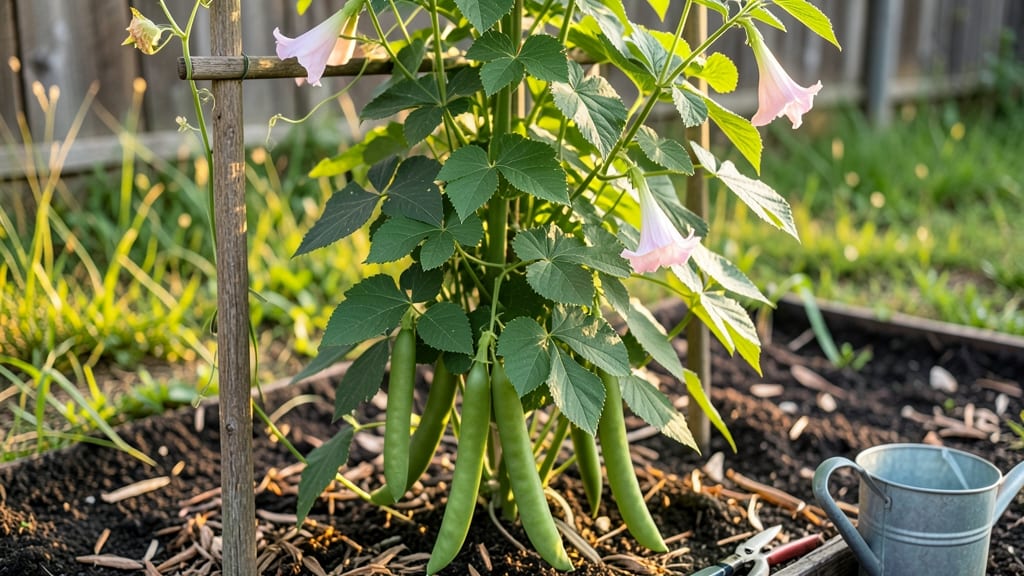
Creating a runner bean tree that feeds you all season starts with pruning like a pro. I learned the hard way—skipping pruning means tangled vines and half the yield, but mastering it turns your backyard into a vertical salad bar.
The key is timing and technique, and I’ve perfected a system that keeps my plants productive from June until frost. My first attempt ended with a tangled mess, but now I harvest fresh beans for months without the struggle.
You’ll need a sturdy trellis or frame at least 6 feet tall, dwarf or semi-dwarf varieties like ‘Scarlet Emperor’ or ‘Provider’, and a pair of sharp pruners. The real magic happens when you prune every 2-3 weeks—snipping back the oldest vines while encouraging new growth.
This keeps the plant focused on producing beans instead of climbing. My plants now produce 3-4 times more than my unpruned neighbors’—and they stay tidy too.
By summer’s end, you’ll have a lush, bean-laden tree that’s easier to maintain than a traditional bush. The pods stay tender longer, the vines don’t strangle each other, and you avoid the dreaded "bean blight" that hits unpruned plants.
Plus, the vertical space frees up garden real estate for other crops. Ready to transform your garden into a high-yielding bean factory? Let’s get those pruners sharp.
This method works in zones 5-9, though you’ll adjust timing for cooler climates. Container growers can use dwarf varieties on smaller trellises, and even balcony gardens get a harvest.
The only rule? Don’t skip the pruning—or you’ll end up like me, tangled in vines by August. Now, let’s make that bean tree thrive.
📚 In This Guide
- What you need
- Instructions
- Tips and common mistakes
- Wrapping up and next steps
What you need
- ● Runner bean seeds or seedlings: Start with certified disease-free seeds or healthy young plants (3–4 per trellis for optimal growth).
- ● Trellis or sturdy support: A 6–8 ft tall, wide-mesh trellis (like bamboo or metal) to guide the vines upward. Secure it firmly in the ground.
- ● Well-draining potting mix: A blend of compost, peat, and perlite (or store-bought potting soil with added organic matter).
- ● Fertilizer: A balanced, slow-release fertilizer (10-10-10) or organic options like composted manure or worm castings.
- ● Mulch: Straw, wood chips, or shredded leaves to retain moisture and suppress weeds.
- ● Pruning shears: Sharp, bypass-pruners (avoid anvil shears—they crush stems). Disinfect with rubbing alcohol between cuts.
- ● Gloves: Heavy-duty gardening gloves to protect your hands from thorns and dirt.
- ● Garden twine or soft ties: For gently guiding vines onto the trellis (avoid plastic ties—they can damage stems).
- ● Watering can or hose with a gentle nozzle: Runner beans need consistent moisture, especially during flowering.
- ○ Stakes or small nails: Optional, for securing the trellis or tying vines temporarily.
- ● Bean supports: Soft fabric strips or old pantyhose for cushioning vines against the trellis.
- ● Plant food: Liquid fertilizer (like fish emulsion) for a mid-season boost during flowering.
- ● Pest control: Neem oil or insecticidal soap to deter aphids or spider mites.
- ● Pruning log or notebook: To track growth stages and pruning dates for future reference.
How to prune a runner bean tree for continuous harvests
Here's the simple method I use to keep my runner bean tree producing all season long.
Understand the Growth Habits of Runner Beans
Runner beans grow in a unique way—they produce flowers and pods along the main stem and side shoots. The key is to encourage this branching so you get more harvest points. I always start by identifying the main stem, which is the thickest, upright growth. This is your tree's backbone, and everything else grows from it.
Look for the first set of true leaves—these are the ones that come after the initial seed leaves. The area just below these leaves is where side shoots will emerge. These are your future harvest branches. If you see any weak or leggy growth, these are candidates for pruning to redirect energy to stronger shoots.
Prune for Structure in Early Growth
When your runner bean tree is about 12-18 inches tall, it's time for the first structural pruning. Use clean, sharp pruning shears to trim just above a leaf node—this is where new growth will sprout. I like to remove any stems that are growing too close together, as this creates competition for nutrients and reduces airflow, which can lead to disease.
Focus on keeping the main stem strong and upright. If you see any stems growing inward or crossing over others, prune them back. This opens up the plant and allows sunlight to reach all parts, which is crucial for flower production. After pruning, you'll notice new side shoots emerging within 7-10 days—this is your signal that the plant is responding well.
Encourage Side Shoots for Maximum Yield
As your runner bean tree grows taller, you'll see side shoots developing. These are your future harvest branches, and the more you have, the more pods you'll produce. I prune the main stem just below the first set of leaves where a side shoot is emerging. This encourages the plant to focus its energy on growing out rather than up.
Keep an eye out for any side shoots that are growing too long or leggy. These can be pruned back to encourage bushier growth. You'll know you're doing it right when you see a flurry of new growth and flowers within 2-3 weeks. This is the moment that matters—your plant is now set up for continuous production.
Maintain and Harvest Regularly
Once your runner bean tree is established, regular maintenance is key. Every time you harvest pods, look for any stems that have finished producing and are turning yellow or brown. These can be pruned back to encourage new growth. I also remove any flowers that don't have pods developing, as this redirects energy to the pods that are already forming.
Don't skip this step—it keeps your plant productive and prevents it from becoming overcrowded. You'll see a steady supply of new flowers and pods if you keep up with this maintenance. Real talk: the more you harvest, the more your plant will produce. It's a self-sustaining cycle once you get the hang of it.
Prepare for Winter and Next Season
When the growing season winds down, give your runner bean tree a final prune. Cut back any dead or dying growth, and trim the plant back by about one-third. This helps the plant focus its energy on root development and prepares it for the next season. I also add a layer of mulch around the base to protect the roots from cold temperatures.
Here's the thing—runner beans are annuals, so they won't come back on their own. However, if you save seeds from your best pods, you can start fresh the next year. This is the moment that matters for long-term productivity: planning ahead ensures you'll have a strong, healthy plant ready to go when spring rolls around.
Tips & tricks for pruning your runner bean tree
Common pruning mistakes can turn your runner bean tree into a tangled mess—here's how to keep it thriving all season.
Timing Matters: The 12-18 inch height mark in Step 2 is your first critical window. Prune too early, and you'll stunt growth; too late, and the plant becomes overcrowded. I always check for the first set of true leaves—these indicate the plant is ready for structural pruning. Confession: I skipped this step for years and wondered why my plants never produced well.
Tool Selection: Use only clean, sharp pruning shears—dull tools crush stems rather than make clean cuts. I sterilize my shears with rubbing alcohol between plants to prevent disease spread. For larger stems, I switch to loppers, but always cut just above a leaf node. This small detail makes all the difference in how quickly new growth appears.
Visual Growth Cues: After pruning in Step 2, watch for new side shoots emerging within 7-10 days. If you don't see this within two weeks, your cuts may have been too severe. In Step 3, the 2-3 week window for new flowers is your confirmation that the plant is redirecting energy correctly. I keep a small notebook to track these growth milestones—it's fascinating to see the plant respond!
Seasonal Preparation: The one-third trim in Step 5 isn't just about tidiness—it's about redirecting the plant's final energy to root development. I always add a 2-3 inch layer of mulch after this prune, which helps insulate roots through winter. This preparation ensures your next season starts with a stronger foundation.
Pro Tips for Runner Bean Tree
- Common pruning mistakes can turn your runner bean tree into a tangled mess—here's how to keep it thriving all season.
- Timing Matters: The 12-18 inch height mark in Step 2 is your first critical window.
- Tool Selection: Use only clean, sharp pruning shears—dull tools crush stems rather than make clean cuts.
Frequently asked questions
Got questions about keeping your runner bean tree thriving? You’re not alone! Here are answers to the most common queries from gardeners just like you.
When is the best time to prune a runner bean tree?
Prune your runner bean tree in early spring (before new growth) or late fall (after harvest). Avoid pruning during flowering or fruiting—this can reduce yield. Focus on removing dead, diseased, or crossing branches first, then shape the tree for airflow.
How much can I trim back a runner bean tree without harming it?
Runner beans are resilient! You can safely trim up to 1/3 of the plant’s height in one session. Avoid over-pruning—this stresses the tree. For established trees, light annual pruning (10-20% of growth) keeps them productive without shock.
What if my runner bean tree isn’t producing pods after pruning?
Several factors could be at play: lack of sunlight, poor soil nutrients, or over-pruning. Ensure your tree gets 6+ hours of sun daily and feed it with compost or a balanced fertilizer (like 10-10-10) in spring. If pods still fail, check for pests (like bean beetles) or diseases (e.g., rust).
Can I grow runner beans in containers instead of a tree structure?
Runner beans thrive in large containers (15+ gallons) with trellis support. Use well-draining soil and a 5-gallon container per plant for dwarf varieties. Just ensure the pot gets full sun and regular watering—container-grown beans dry out faster than in-ground plants.
How do I protect my runner bean tree in cold climates?
Runner beans are tender perennials and die back in frost. In cold zones, prune heavily in late fall, mulch the base with straw (4-6 inches), and cover young plants with frost cloth if temps drop below 32°F. For year-round harvests, grow them as annuals and replant each spring.
Wrapping up and next steps
Growing a thriving runner bean tree is all about balance—pruning at the right times, supporting its structure, and keeping it healthy so it rewards you with bountiful harvests all season long! 🌱 With the right tools, techniques, and a little patience, you’ll turn your garden corner into a productive powerhouse.
Now that you’re armed with pruning know-how, it’s time to roll up your sleeves and give your plant the care it deserves.
Ready to take the next step? Start by scheduling your first pruning session—whether it’s trimming back leggy growth, training vines, or prepping for winter dormancy. And don’t forget to celebrate every harvest—your hard work is paying off! Happy gardening!