
Pruning
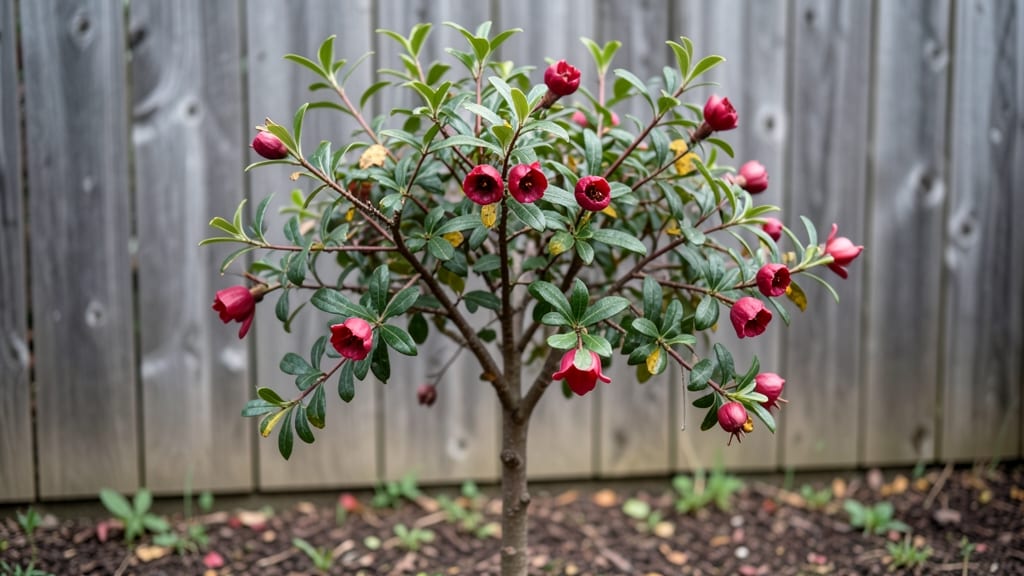
The Russian Red pomegranate tree thrives in Pacific Northwest winters better than most—if you prune it right. 🌿 I learned this the hard way after nearly losing my first tree to late frosts, but now it’s the star of my orchard, producing deep red fruits even when temperatures dip.
The secret lies in strategic cuts that balance winter hardiness with summer productivity.
This variety handles 15°F without flinching, but it still needs your help to shape up for cold. Start pruning in late winter (February-March) before buds swell, removing dead wood first.
Then, thin out crowded branches to let sunlight reach the center—this keeps fruit quality high and prevents disease. The goal is an open, vase-like shape that sheds snow easily.
By mid-summer, you’ll see the payoff: glossy green leaves and clusters of bright red flowers that eventually turn into those jewel-toned fruits. Prune again after harvest to clean up, but go easy—too much cutting now delays next year’s blooms.
The key is patience; Russian Reds reward careful pruning with years of reliable harvests even in rainy climates.
For Pacific Northwest gardeners, this tree is a game-changer. It’s drought-tolerant once established, handles our wet springs, and still delivers sweet, seedless fruits when others fail. Just remember: prune for structure in winter, shape for airflow in summer, and never skip the cleanup. Your tree—and your neighbors—will thank you.
📚 In This Guide
- What you need
- Instructions
- Tips and common mistakes
- Wrapping up and next steps
What you need
- ● Pruning shears (bypass or anvil type): Sharp, sterilized shears with a 4- to 6-inch blade for clean cuts. (1 pair)
- ● Loppers: For thicker branches (1.5-inch cutting capacity). (1 pair)
- ● Pruning saw: A curved-tooth saw for branches over 2 inches thick. (1)
- ● Rubbing alcohol (70% isopropyl): For sterilizing tools between cuts. (Small bottle)
- ● Gloves: Heavy-duty, cut-resistant gloves to protect your hands from thorns. (1 pair)
- ● Disposable pruning bags: To collect and dispose of clippings. (2-3 bags)
- ○ Tree wound dressing (optional but helpful): A pruning sealant (like Tanglefoot Tree Wound Pruning Seal) for larger cuts. (Small jar)
- ● Ladder or step stool: If your tree is taller than 6 feet. (1)
- ● Notebook & pencil: To sketch a quick pruning plan or mark branches to remove. (1)
- ● Heavy-duty pruning tape: To wrap and protect larger cuts from frost. (1 roll)
- ● Mulch (straw or wood chips): 2-3 inches around the base to insulate roots. (5-10 gallons)
- ● Frost cloth or burlap: For wrapping young or newly pruned trees if hard frosts are forecasted. (1-2 sheets)
- ● ✨ Sharpen your tools! Dull blades tear branches, inviting disease. Use a file or sharpening stone before starting.
- ● 🌡️ Time it right: Prune your Russian Red after the first hard frost (late fall/early winter) but before bud break in spring.
- ● 🎯 Sterilize as you go: Wipe tools with rubbing alcohol between cuts to prevent spreading bacterial or fungal infections.
Step-by-step guide to pruning Russian Red pomegranate trees for Pacific Northwest winters
Cold-hardy pomegranates like Russian Red need strategic pruning to survive our wet winters and thrive in spring.
✂️ Step 1: Time Your Pruning for Dormancy
Prune your Russian Red pomegranate during late winter to early spring, ideally 4-6 weeks before your last frost date. This timing ensures the tree has time to heal wounds before new growth begins. In the Pacific Northwest, aim for February to March when temperatures consistently stay above 20°F during the day.
Here's the thing—don't prune in fall. New growth stimulated by late-season cuts won't harden off before winter, making the tree more vulnerable to freeze damage. Wait until the tree is fully dormant but before buds begin swelling. You'll know it's ready when the branches feel firm but not brittle.
🌿 Step 2: Remove Dead, Damaged, and Weak Wood
Start by inspecting the entire tree for dead, diseased, or crossing branches. Use sharp pruning shears to make clean cuts just outside the branch collar—the swollen area where the branch meets the trunk. Russian Red pomegranates respond well to aggressive pruning, so don't hesitate to remove up to 30% of the tree's canopy if needed.
Look for branches that rub against each other or grow inward—they'll compete for sunlight and create entry points for disease. Thin these out first, cutting back to a healthy lateral branch. Make your cuts at a 45-degree angle just above an outward-facing bud to encourage proper regrowth.
☀️ Step 3: Open the Canopy for Airflow and Sunlight
Pomegranates need good air circulation to prevent fungal diseases like powdery mildew, which thrives in our damp Pacific Northwest winters. Step back and visualize the tree's structure—you want an open, vase-like shape that allows sunlight to penetrate to the inner branches.
Focus on removing suckers (vigorous shoots growing from the base or trunk) and water sprouts (fast-growing vertical shoots). These compete with fruit production and weaken the tree's winter hardiness. Cut these back to the main trunk or scaffold branches. You'll see new growth emerge from the sides in spring—this is the tree's way of distributing energy more efficiently.
⏰ Step 4: Shape for Winter Hardiness and Spring Fruit Production
Russian Red pomegranates produce fruit on current season's growth, so strategic pruning now sets up a strong framework for next year's harvest. Shorten last year's fruit-bearing branches by one-third to encourage bushier growth. This reduces the risk of winter dieback from heavy snow loads.
Pay special attention to the tree's central leader—the main vertical stem. If it's too dominant, it can shade lower branches and reduce fruit quality. Aim to create a balanced structure where light reaches all parts of the tree. After pruning, the tree should look like it's reaching upward and outward, not just growing straight up.
💧 Step 5: Clean Up and Protect Wounds
Once pruning is complete, gather all clippings and remove them from the site to prevent disease spores from overwintering. Sterilize your tools with 70% rubbing alcohol between cuts to avoid spreading pathogens. For larger cuts (over ½ inch in diameter), apply pruning sealant to protect against canker diseases common in wet climates.
Water the base of the tree deeply after pruning to help it recover. The roots will need moisture to support new growth in spring. Avoid fertilizing immediately—wait until 6-8 weeks after pruning when the tree is actively growing again. This gives the tree time to focus on healing rather than producing new leaves.
Tips & tricks for frost-resistant Russian Red pomegranate pruning
These pro insights will help you prune like a Pacific Northwest orchardist—balancing winter hardiness with next year's fruit potential.
Timing is Everything: The 4-6 week window before your last frost date is non-negotiable for Russian Reds. I check the local frost forecast and mark my calendar—pruning too early leaves wounds vulnerable to late-season cold snaps, while waiting too long risks stimulating tender new growth. For Seattle-area gardeners, I've found that pruning in the first two weeks of March gives the perfect balance between dormancy and spring readiness.
Branch Collar Awareness: This is where most gardeners go wrong—cutting too close or too far from the branch collar. The collar is that swollen area where the branch meets the trunk, and it's your tree's natural healing zone. Make your cuts just outside this collar (about 1/8 inch away) at a 45-degree angle. I use a pencil to mark the exact spot before cutting—this precision prevents unsightly stubs and promotes faster healing.
Canopy Visualization Technique: Step back and look at your tree from all angles before making cuts. The goal is that open vase shape where sunlight can reach all branches. I imagine drawing an upside-down triangle from the trunk outward—this helps me visualize where to make cuts to maintain that structure. For mature trees, I often remove the lowest branches first to create that crucial airflow from the bottom up.
Winter Wound Protection: In our damp Pacific Northwest climate, larger cuts (over ½ inch) are particularly vulnerable to canker diseases. After making these cuts, I apply a thin layer of pruning sealant immediately—this creates a protective barrier against moisture. For the sealant to work properly, make sure the cut surface is dry before applying. I've seen unsealed cuts develop cankers within weeks in our rainy winters.
Pro Tips for Russian Red Pomegranate Tree
- These pro insights will help you prune like a Pacific Northwest orchardist—balancing winter hardiness with next year's fruit potential.
- Timing is Everything: The 4-6 week window before your last frost date is non-negotiable for Russian Reds.
- Branch Collar Awareness: This is where most gardeners go wrong—cutting too close or too far from the branch collar.
Frequently asked questions
Got questions about keeping your Russian Red pomegranate tree thriving in the Pacific Northwest’s chilly winters? You’re not alone!
Here are answers to the most common concerns—from pruning timing to frost survival and everything in between.
How cold can a Russian Red pomegranate tree tolerate?
The Russian Red variety is one of the hardiest pomegranates, surviving temperatures down to 10°F (-12°C) with proper care. However, young trees (under 3 years old) or newly planted specimens may need winter protection like burlap wraps or mulch. Established trees handle frost better but still benefit from late-winter pruning to avoid cold damage to fresh cuts.
When is the best time to prune for PNW winters?
Prune your Russian Red in late winter or early spring (February–March), just before new growth begins. This timing ensures you remove dead wood while avoiding late-season frost damage to fresh cuts. Never prune in fall—it stimulates tender new growth that won’t survive winter. For heavy pruning, wait until after the last frost date in your area.
How much can I prune without harming the tree?
For established trees, aim to remove no more than 25–30% of the canopy per year. Focus on:
- Dead, diseased, or crossing branches
- Suckers at the base (they drain energy)
- Overcrowded growth to improve airflow
Young trees can handle light shaping (10–15%) to encourage a strong structure. Pro tip: Use sterilized pruners to prevent bacterial spread!
What if my pomegranate tree doesn’t fruit after pruning?
Lack of fruit often stems from over-pruning, poor nutrition, or immature trees. If your Russian Red is 3+ years old but still not fruiting:
- Check for balanced pruning—avoid cutting back more than 1/3 of the tree.
- Ensure it gets 6+ hours of sunlight and well-draining soil.
- Fertilize in early spring with citrus-friendly fertilizer (low nitrogen).
- Patience! Some trees take 4–5 years to bear fruit.
Troubleshooting: Yellow leaves? Test soil pH (ideal: 6.0–7.0). Too acidic? Amend with lime.
Are there frost-resistant alternatives if Russian Red struggles?
If your PNW winters push the limits, consider these cold-hardy pomegranate varieties:
Variety
Cold Hardiness
Fruit Color
Russian Red
10°F (-12°C)
Deep red
Cactusplant™ (Punica granatum ‘Cactusplant’)
15°F (-9°C)
Orange-red
Wonderful (with winter protection)
20°F (-7°C)
Bright red
Note: While alternatives exist, Russian Red is your best bet for zone 7–9 without extra fuss. For zones 6 or colder, grow it in a container and move it indoors during extreme cold.
Wrapping up and next steps
The Russian Red pomegranate tree is a resilient gem for Pacific Northwest gardeners, thriving even in chilly winters with the right pruning care. By mastering frost-resistant techniques—like late-winter shaping, deadwood removal, and protective layering—you’ll ensure a bountiful harvest year after year. Your green thumb is ready to conquer the challenge!
🌱 Next steps:
- Grab your pruners and schedule your first post-winter trim—spring’s the perfect time!
- Monitor your tree’s progress and adjust pruning habits as it grows.