
Trees
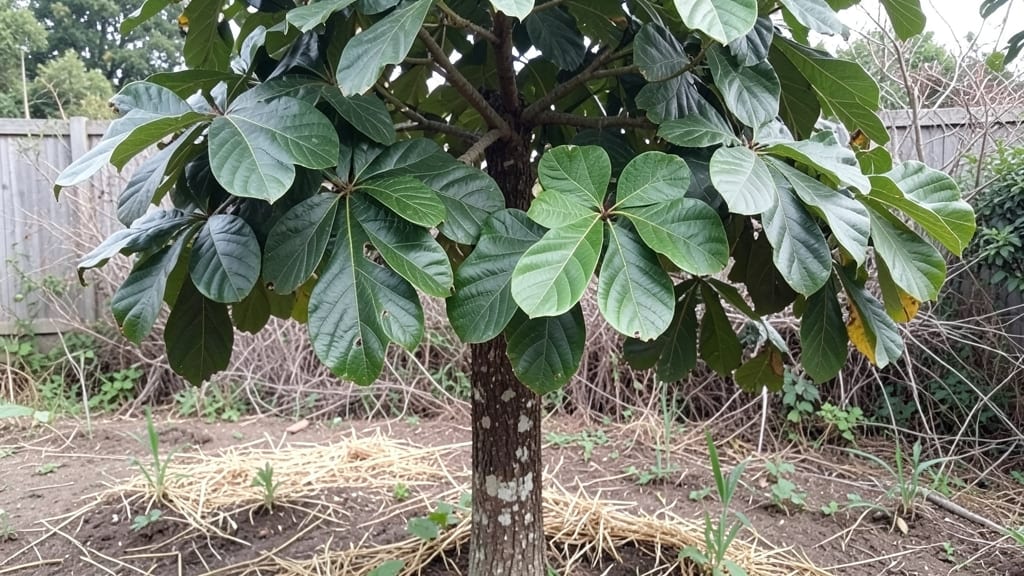
When sapote tree leaves turn yellow or develop spots, it’s not just a cosmetic issue—it’s a cry for help from your tree. 🌿 These leaves hold more than just beauty; they’re packed with medicinal properties, but only if the tree stays healthy.
The first step to harvesting those nutrient-rich leaves is recognizing what’s wrong before it’s too late.
Common problems like fungal infections, bacterial spots, or pest infestations (think scale or mites) can turn vibrant green leaves into a sad, spotted mess. I’ve seen sapote trees recover from these issues when caught early—just by adjusting watering, adding mulch, or applying neem oil.
The key is acting fast before the damage spreads.
📚 In This Guide
- What you need
- Instructions
- Tips and common mistakes
- Wrapping up and next steps
What you need
- ● Fresh sapote leaves: 10–20 mature, healthy leaves (ensure they’re free of pests or disease 🚫🐛). Harvest from organic or pesticide-free trees when possible.
- ● Pruning shears or sharp knife: A clean, sterilized tool (rubbing alcohol works) to avoid contaminating the leaves or the tree.
- ● Glove: Lightweight gardening gloves to protect your hands from sap or thorns (if applicable).
- ● Storage container: A breathable paper bag or airtight container (for short-term storage—freshness is key!).
- ● Labeling tags: Small labels and a marker to note the harvest date (helps track freshness).
- ● Drying rack or mesh screen: For air-drying leaves if you plan to store them long-term.
- ● Food dehydrator: Speeds up drying for medicinal use (set to 95°F/35°C or below).
- ● Plastic wrap: To temporarily seal leaves if you’re transporting them.
- ● Field guide or app: For positive identification of the sapote tree (safety first! 🌳🔍).
Step-by-step guide to harvesting and using sapote tree leaves
Here's how to gather and prepare these versatile leaves for medicinal use.
🌿 Step 1: Identify and Select Healthy Leaves
Look for sapote tree leaves that are fully mature but not wilted or yellowing. The best leaves are dark green, firm to the touch, and free of spots or insect damage. I always check the undersides for tiny webs or eggs—those mean pests are already there.
Harvest leaves in the morning after dew has dried but before the midday heat sets in. This gives you the freshest, most potent leaves with maximum moisture content. You'll want about 4-6 medium-sized leaves per batch for most medicinal preparations.
🌿 Step 2: Clean and Prepare the Leaves
Rinse the leaves thoroughly under cool running water to remove dirt and any hidden insects. I use a soft brush to gently scrub the undersides where debris often collects. Pat them dry with a clean towel or let them air-dry on a mesh rack.
For immediate use, you can chop the leaves finely with a sharp knife. If storing, wait until they're completely dry before processing. The drying process concentrates the medicinal compounds, making them more potent when stored properly.
💧 Step 3: Process for Medicinal Use
For teas or poultices, fresh leaves can be used immediately. Place 2-3 leaves in a cup of boiling water and steep for 5-7 minutes. Strain and drink while warm—this is my go-to remedy for minor respiratory discomfort.
For longer storage, dry the leaves completely in a well-ventilated area away from direct sunlight. Once brittle, crush them into a powder using a mortar and pestle. Store the powder in an airtight container in a cool, dark place where it'll keep for up to 6 months.
⏰ Step 4: Store Properly for Future Use
If you've dried the leaves, place them in a paper bag with small holes for 1-2 weeks to ensure all moisture evaporates. Then transfer to glass jars with tight-sealing lids. I label each jar with the date and purpose—whether it's for tea, poultices, or tinctures.
Fresh leaves stored in the refrigerator wrapped in a damp paper towel will last about 1 week, but dried leaves maintain their properties much longer. The key is keeping them away from heat and light, which degrade the active compounds.
Tips & tricks for perfect sapote tree leaf preparations
Working with sapote tree leaves can feel intimidating at first, but these simple tricks will help you get the most out of their medicinal properties every time.
Selection Tip: When harvesting your 4-6 medium-sized leaves, focus on the youngest mature leaves—they're often more tender and packed with active compounds. I've found that leaves from the lower third of the tree tend to have higher concentrations of beneficial oils, so if you're dealing with a large tree, prioritize those branches. Avoid leaves near the trunk or those with visible damage, as they may harbor more contaminants.
Cleaning Technique: The scrubbing step in Step 2 is crucial for removing hidden pests and debris. I use a soft-bristled toothbrush to gently clean the undersides of the leaves—it's more effective than a towel and gets into those tight crevices where dirt loves to hide. After rinsing, I give the leaves a final shake over the sink to remove any remaining water droplets, which helps speed up the drying process later.
Processing Secret: For the 5-7 minute tea steeping time, I've noticed that using slightly cooler water (just off the boil) preserves more of the delicate compounds than boiling water. Let your water cool for about 30 seconds before adding the leaves—this makes a noticeable difference in flavor and potency. If you're making a strong medicinal tea, you can actually use 3 leaves instead of 2 for an extra boost, especially if you're targeting respiratory issues.
Storage Wisdom: When drying your leaves for up to 6 months, I recommend using a food dehydrator set to 95°F if you have one—it creates more consistent drying than air-drying. If you're air-drying, place leaves on a screen or rack with good airflow underneath. The 1-2 week paper bag stage is critical for complete moisture removal, so don't rush it. Once properly dried, the leaves should shatter when folded rather than bend.
Pro Tips for Sapote Tree Leaves
- Working with sapote tree leaves can feel intimidating at first, but these simple tricks will help you get the most out of their medicinal properties every time.
- Selection Tip: When harvesting your 4-6 medium-sized leaves, focus on the youngest mature leaves—they're often more tender and packed with active compounds.
- Cleaning Technique: The scrubbing step in Step 2 is crucial for removing hidden pests and debris.
Frequently asked questions
Got questions about sapote tree leaves? You’re not alone! Here are some of the most common queries—plus straightforward answers to help you navigate their uses, care, and benefits with confidence.
Can you eat sapote tree leaves?
While sapote tree leaves aren’t typically eaten as a food, they’re not toxic and are used in traditional medicine. However, always consult a healthcare provider before consuming them—especially if you’re pregnant, nursing, or on medication. Stick to proven medicinal preparations (like teas) unless you’ve confirmed their safety for your diet.
When is the best time to harvest sapote leaves for medicine?
The ideal time to harvest sapote leaves is during the dry season or early morning when their essential oils (like saponins) are most concentrated. Avoid harvesting after rain, as moisture can dilute their potency. Use fresh leaves immediately or dry them in a well-ventilated area for later use.
How do I store sapote tree leaves for later use?
Fresh leaves last 3–5 days in the fridge wrapped in a damp cloth. For long-term storage, dry them in a shady spot (or at 95°F/35°C in a dehydrator) until crisp. Store dried leaves in an airtight container away from sunlight—this preserves their medicinal properties for up to 1 year. Freezing is another option for short-term use.
Are there alternatives to sapote leaves for similar benefits?
If sapote leaves are hard to find, consider these alternatives with overlapping benefits:
- Moringa leaves: Rich in antioxidants and anti-inflammatory compounds.
- Aloe vera: Soothes skin and aids digestion (but avoid the gel if sensitive).
- Neem leaves: Powerful for immune support and skin health.
What should I do if I experience side effects from sapote leaves?
Mild side effects (like nausea or dizziness) may occur, especially with high doses. If you notice severe reactions (rash, vomiting, or difficulty breathing), stop use immediately and seek medical help. Start with small amounts (e.g., 1 tsp of dried leaves in tea) to test tolerance. Keep a journal to track reactions if using them long-term.
Wrapping up and next steps
Discovering the medicinal magic of sapote tree leaves opens up a world of natural healing and sustainable living! From soothing skin irritations to supporting digestive health, these leaves offer a treasure trove of benefits—right in your backyard or garden.
Whether you’re harvesting for personal use or exploring traditional remedies, every step brings you closer to harnessing nature’s pharmacy.
Ready to dive deeper? Start small: experiment with teas or salves, document your experiences, and share your journey with fellow plant enthusiasts. Who knows? You might just uncover new ways to integrate sapote leaves into your wellness routine—one leaf at a time! 🌿✨