
Trees
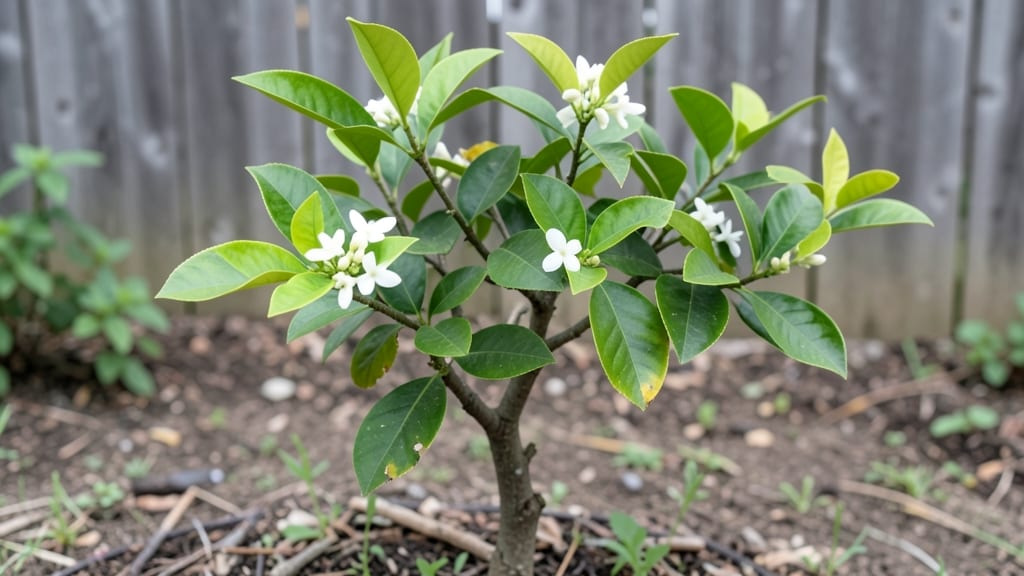
Meyer lemon tree leaves aren't just for garnish—they're the aromatic backbone of homemade infusions, syrups, and marinades. 🌿 I've turned my kitchen scraps into zesty flavor boosters by preserving those glossy leaves, and the process is simpler than you'd think.
A single batch of dried leaves can flavor a dozen cocktails or dressings, cutting grocery costs while adding that bright citrus punch you can't buy in stores.
The key to culinary success starts with healthy leaves—no yellowing, no spots, just vibrant green foliage packed with essential oils. Proper drying techniques (either air-drying or low-heat dehydrating) preserve that signature Meyer lemon aroma, while storage in airtight containers keeps them potent for months.
Even if your tree is small, you'll have more flavor than you know what to do with.
📚 In This Guide
- What you need
- Instructions
- Tips and common mistakes
- Wrapping up and next steps
What you need
- ● Fresh Meyer lemon tree leaves: 1–2 cups (packed), freshly picked for maximum potency. Pro tip: 💡 Harvest leaves from healthy branches, avoiding those near the roots or overly mature ones.
- ● Water: 4 cups (for teas/infusions) or as needed for recipes.
- ● Medium saucepan: 2–3 quart capacity, for boiling water.
- ● Fine-mesh strainer or cheesecloth: To strain leaves cleanly.
- ● Glass jars or airtight containers: 1–2 quart-sized, for storing infused liquids or dried leaves.
- ○ Optional flavor boosters: Honey (1–2 tbsp) or sugar (1 tsp) for sweetening teas.
- ● Citrus peels (e.g., Meyer lemon, orange) for layered aromas.
- ● Fresh herbs (mint, basil, or thyme) to complement the citrus notes.
- ● Food processor or mortar & pestle: For finely chopping leaves into pastes or powders.
- ● Dehydrator or oven: Set to 200°F (93°C) to dry leaves for long-term storage.
- ● Infusion oil (e.g., olive or coconut oil): ½ cup for flavored oils or marinades.
- ● Labeling supplies: Masking tape + markers to tag your creations!
How to harvest and use Meyer lemon tree leaves for flavorful infusions
Here's how to transform those bright green leaves into a fragrant, zesty addition to your kitchen.
🌿 Step 1: Identify and Select the Right Leaves
Pick only the freshest, healthiest leaves from mature branches—look for vibrant green color and firm texture. Avoid leaves with yellowing, brown spots, or signs of pests. The younger, smaller leaves near new growth pack the most intense citrusy flavor. I like to harvest just before cooking or steeping so the oils stay potent.
Use clean, sharp scissors to snip leaves cleanly at the stem. This prevents tearing and keeps the plant healthy. You'll need about 4-6 leaves per serving (that's roughly 2 tablespoons of chopped leaves). Store any extras in an airtight container in the fridge for up to 5 days or freeze them for longer storage.
✂️ Step 2: Prepare the Leaves for Infusion
Wash the leaves gently under cool water to remove any dust or debris, but avoid soaking them—they'll lose flavor. Pat them dry with a clean towel or paper towel. For whole-leaf infusions, simply place 1-2 leaves per cup of hot liquid (tea, water, or broth). The leaves will release their bright, floral-citrus aroma as they steep.
For chopped leaves, tear them into small pieces by hand or use clean kitchen scissors. This increases surface area, letting the oils infuse faster. I like to muddle the leaves lightly with a wooden spoon to release more of their essential oils before adding them to drinks or dressings.
💧 Step 3: Infuse Leaves Into Drinks, Dishes, or Oils
For hot infusions, steep leaves in boiling water for 3-5 minutes—longer steeping makes the water bitter. Strain immediately and use the fragrant liquid in teas, cocktails, or as a marinade base. The liquid should smell like a cross between lemon and jasmine, with a hint of floral sweetness.
For cold infusions, muddle leaves with cold water or citrusy liquids (like sparkling water or lemonade) and let sit for 1-2 hours in the fridge. This works beautifully for iced teas or refreshing summer drinks. If you're infusing oil (like olive or coconut oil), heat the oil gently with the leaves for 10-15 minutes, then strain and store in a dark bottle.
🌱 Step 4: Use Infused Leaves Creatively in Cooking
Add a pinch of dried or fresh chopped leaves to salad dressings, soups, or sauces for a bright citrus kick. They pair especially well with seafood, chicken, or goat cheese. I like to sprinkle a few leaves over pasta with garlic and olive oil right before serving—it adds a surprising depth of flavor.
For desserts, infuse the leaves into simple syrups (simmer leaves with equal parts water and sugar for 10 minutes, then strain). Drizzle over pancakes, yogurt, or fruit salads. The syrup keeps for 2 weeks in the fridge, making it a versatile pantry staple.
☀️ Step 5: Maintain Your Meyer Lemon Tree for Future Harvests
After harvesting, water your tree deeply to help it recover. Meyer lemons thrive in full sun (6-8 hours daily) and well-draining soil. Prune any damaged branches to encourage new growth, which means more flavorful leaves down the road. A balanced fertilizer in spring will keep your tree productive.
Real talk: Don't overharvest from a single branch—take leaves from multiple areas to keep the tree balanced. If you notice yellowing leaves after harvesting, it might just need more water or sunlight. Your tree will reward you with year-round leaf production if you care for it properly.
Tips & tricks for perfect Meyer lemon leaf infusions
Between us, these little-known techniques will help you unlock the full aromatic potential of Meyer lemon leaves without any fancy equipment.
Leaf Selection Tip: The younger, smaller leaves near new growth contain the most concentrated citrus oils. I've found that harvesting leaves from multiple branches—rather than just one—gives you a more complex, layered flavor. Avoid leaves with brown edges or spots, as these indicate oxidation and diminished potency.
Infusion Time Secret: For hot infusions, those 3-5 minutes are crucial—set a timer! The bitterness threshold hits around minute 6, and you'll lose that delicate floral-lemon balance. For cold infusions, give the 1-2 hours full time in the fridge; the flavor develops gradually and tastes far more nuanced than rushing it.
Oil Infusion Technique: When infusing oil with leaves for 10-15 minutes, keep the heat gentle—just warm enough to feel cozy to the touch. Too much heat destroys the delicate essential oils. I like to use a double boiler setup to maintain perfect temperature control without risking scorching.
Storage Wisdom: Freeze leaves in ice cube trays with a little olive oil to preserve their potency for months. Pop out cubes as needed for cooking—this method keeps them vibrant for up to 6 months, far longer than fridge storage. The oil also helps prevent oxidation when you're ready to use them.
Pro Tips for Meyer Lemon Tree Leaves
- Between us, these little-known techniques will help you unlock the full aromatic potential of Meyer lemon leaves without any fancy equipment.
- Leaf Selection Tip: The younger, smaller leaves near new growth contain the most concentrated citrus oils.
- Infusion Time Secret: For hot infusions, those 3-5 minutes are crucial—set a timer!
Frequently asked questions
Got questions about using Meyer lemon tree leaves? You’re not alone! Here are some of the most common queries—and their zesty answers.
Can I use Meyer lemon tree leaves fresh or do I need to dry them first?
Fresh leaves work beautifully for infusions, but drying them preserves flavor and extends shelf life. For tea or garnishes, fresh is fine—just wash them well! For long-term storage, dry in a cool, dark place for 1–2 weeks before crushing.
How long do dried Meyer lemon leaves stay fresh?
When stored properly in an airtight container (away from light/moisture), dried leaves stay potent for 6–12 months. Test potency by smelling—if they lose aroma, it’s time to replace them. Freezing is another option for up to 6 months!
What’s the best way to use Meyer lemon leaves in cooking?
Infuse leaves in hot water for tea (1–2 mins), steep in olive oil for dressings, or add to soups/stews for a citrusy kick. Pro tip: Tuck a leaf into whole fish or chicken for a fragrant twist. Remove after cooking to avoid bitterness!
Why are my Meyer lemon tree leaves turning yellow or brown?
Yellowing often signals overwatering or nutrient deficiency (like nitrogen). Brown edges? It could be underwatering or sunburn. Check soil moisture and adjust watering. For indoor trees, ensure bright, indirect light and well-draining soil.
Are Meyer lemon leaves safe for pets?
While non-toxic in small amounts, citrus leaves can upset pets’ stomachs. Avoid feeding them to cats/dogs. If ingested, monitor for vomiting or diarrhea—contact a vet if symptoms persist. When in doubt, keep leaves out of paw’s reach!
Wrapping up and next steps
Caring for your Meyer lemon tree leaves—and knowing how to use them—can unlock a world of flavorful possibilities! Whether you’re drying them for tea, infusing oils, or simply enjoying their fragrant aroma, these leaves are a versatile and free kitchen treasure.
Start small, experiment with recipes, and soon you’ll be savoring the bright, citrusy magic they bring to every dish.
Ready to dive in? Pick a few leaves from your tree today and try your first infusion—your taste buds will thank you! 🌿✨