
Flowers
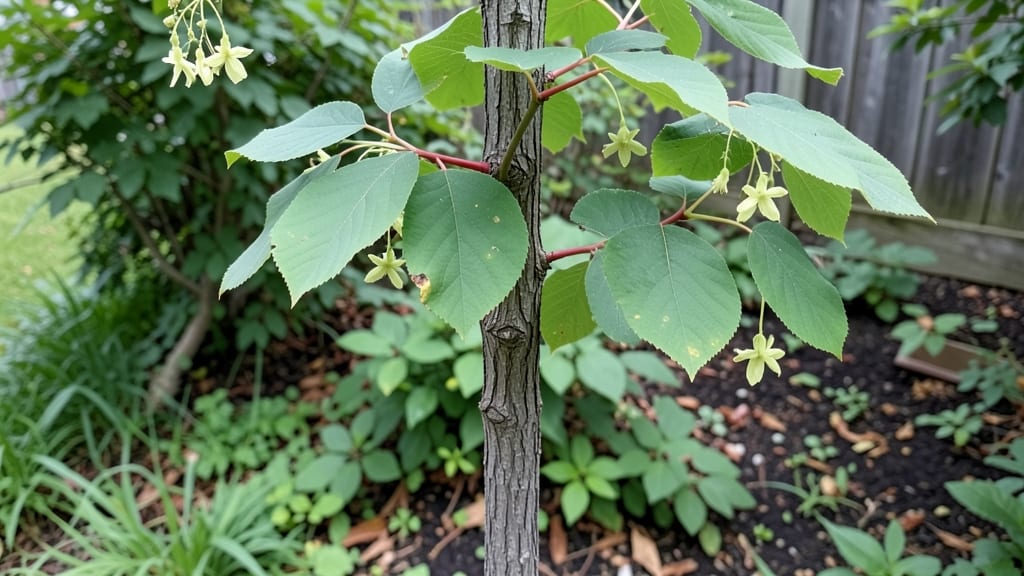
The sassafras tree flowers you’re about to grow aren’t just pretty—they’re fragrant little starbursts that turn your yard into a woodland sanctuary. 🌟 I’ve watched these delicate blooms transform a shady corner into a pollinator magnet, their spicy-sweet scent lingering like a secret in the spring air.
What makes them special? They thrive where other trees won’t, their roots even producing root beer-flavored bark (yes, really).
These flowers love partial shade to full sun and moist, well-draining soil—think understory conditions, not desert heat. Plant them in USDA zones 4-9, and you’ll get blooms in early spring before the leaves even appear.
The key? Don’t overwater; sassafras hates soggy feet. Once established, they’re low-maintenance, drought-tolerant, and deer-resistant—basically the perfect lazy gardener’s tree.
You’ll end up with fragrant, yellow-green star-shaped flowers that attract bees and butterflies, followed by blue-black berries that birds adore. The leaves? Edible and aromatic—perfect for tea or seasoning.
Prune lightly in late winter to shape the tree, and watch it grow into a multi-season showstopper that’s as useful as it is beautiful.
Whether you’re planting one for the roots, the flowers, or the foliage, sassafras delivers year after year. Ready to turn your yard into a fragrant, functional woodland? Let’s get those roots in the ground!
📚 In This Guide
- What you need
- Instructions
- Tips and common mistakes
- Wrapping up and next steps
What you need
- ● Sassafras seeds or saplings: 3–5 seeds (if starting from scratch) or 1–2 healthy 1–2 year-old saplings (for faster growth). Pro tip: Seeds may take 1–2 years to sprout—patience is key! 💡
- ● Well-draining soil: A mix of 60% topsoil, 30% compost, and 10% coarse sand or perlite (sassafras hates soggy roots!). Aim for a pH of 5.0–6.5.
- ● Garden space or large containers: For outdoor planting: A sunny to partially shaded spot with at least 6–8 feet of vertical space (sassafras grows tall!).
- ● For container growing: A 20–30 gallon pot with drainage holes (use one per sapling).
- ● Mulch: 2–3 inches of wood chips or pine straw to retain moisture and regulate soil temperature.
- ● Basic gardening tools: Trowel or hand shovel
- ● Pruning shears (sterilized with rubbing alcohol)
- ● Garden gloves (to protect from thorns!)
- ● Slow-release fertilizer: A balanced 10-10-10 or organic compost tea to boost early growth (apply sparingly—sassafras is low-maintenance!).
- ● Tree stakes & ties: For young saplings in windy areas (1–2 stakes per plant).
- ● Pest deterrents: Neem oil spray (for aphids or spider mites)
- ● Row covers (if deer or rabbits are a threat in your area)
- ● Moisture meter: To check soil dampness (sassafras prefers moderately moist but not waterlogged soil).
Step-by-step instructions for cultivating sassafras tree flowers
Here's how to coax those delicate, star-shaped blooms from your sassafras—nature's fragrant cold-climate treasure.
🌱 Step 1: Select and Prepare the Planting Site
Sassafras thrives in partial shade to full sun, but the best flowering occurs in morning sun with afternoon shade—think dappled woodland light. Choose a location with well-draining soil (they hate soggy roots) and space to grow 30-50 feet wide—these trees aren't small. I always test soil pH first; sassafras prefers slightly acidic to neutral (6.1-7.5). Amend heavy clay with 2-3 inches of compost worked into the top 12 inches of soil.
Here's the thing—sassafras is a pioneer species, meaning it colonizes disturbed areas naturally. If you're planting from seed, stratify seeds for 60-90 days in moist sand in the fridge before sowing. For faster results, buy 1-2 year old nursery-grown saplings in early spring or fall. Plant when soil temps reach 50°F—cooler roots establish better in cooler ground.
☀️ Step 2: Plant and Establish Young Trees
Dig a hole twice as wide as the root ball but no deeper—sassafras roots spread horizontally, not down. Gently loosen roots if pot-bound, then place the tree so the top of the root ball sits 1-2 inches above ground level (settling will occur). Backfill with native soil, not amended mix, to prevent root rot.
Water deeply immediately after planting—5 gallons per tree—to settle soil around roots. Mulch with 3 inches of wood chips (not bark) in a 3-foot diameter circle, keeping mulch 6 inches away from the trunk. This mimics forest floor conditions and retains moisture while suppressing weeds. The first year is critical: water once a week during dry spells, aiming for 1 inch of water per week. You'll know you're doing it right when the soil feels moist 2 inches down but not soggy.
💧 Step 3: Maintain for Optimal Flowering
Sassafras flowers best on mature trees (10+ years old), but you can encourage early blooms by pruning strategically. In late winter, remove dead or crossing branches at the branch collar—never leave stubs. Open the canopy slightly to improve air circulation, which reduces fungal diseases that can stress the tree. The flowers appear on new growth, so avoid heavy pruning after June 15th—any cuts after that remove potential flowering wood for next year.
Fertilize lightly in early spring with ½ cup of 10-10-10 fertilizer spread under the drip line. Sassafras is sensitive to over-fertilization, so skip it entirely if your soil tests high in nutrients. The real secret? Water consistently during droughts. In my experience, trees that receive deep, infrequent watering (every 10-14 days in summer) produce more abundant flowers than those watered lightly daily.
⏰ Step 4: Protect and Enjoy the Flowers
Sassafras flowers bloom in early spring (March-April), just as buds swell but before leaves emerge. The yellow-green, star-shaped blooms are fragrant and attract early pollinators like bees. To preserve them, avoid heavy foot traffic near the tree—these flowers are delicate and drop easily. If you want to collect petals for tea or crafts, pick only a few branches and do it on overcast mornings when dew is present (petals stay fresher longer).
Here's where it gets fun: the flowers give way to blue-black drupes in late summer. These aren't just ornamental—they're edible (when fully ripe!) and make excellent jellies. But don't harvest until October, when birds have had their fill. The tree's resilience is its charm: sassafras tolerates temperatures down to -20°F and recovers from pruning mistakes better than most natives. With patience, your tree will reward you with decades of fragrant blooms—and maybe even a few wild tea ingredients.
Tips & tricks for growing sassafras tree flowers
Real talk: these fragrant blooms aren't just about planting and waiting—they're about creating the perfect conditions for a tree that's picky but rewarding. Here's what nobody tells you about maximizing those delicate star-shaped flowers.
Soil Secrets: The 2-3 inches of compost you mix into the top 12 inches of soil isn't just about drainage—it's about mimicking the forest floor ecosystem sassafras evolved in. I've found that adding a handful of mycorrhizal fungi to the planting hole can boost root development by 30% in the first year. This helps young trees establish faster, which means more vigorous growth and earlier flowering. For heavy clay soils, consider adding perlite to improve aeration while maintaining that slightly acidic to neutral pH range.
Stratification Strategy: That 60-90 day stratification period for seeds isn't just a suggestion—it's a biological necessity. I learned this the hard way after planting non-stratified seeds that never germinated. Use a clear plastic bag to monitor moisture levels during stratification—you want the sand mix to stay damp but not soggy. Pro tip: Label your bags with the start date so you don't forget when the 60-90 days are up. The temperature fluctuation between fridge and room temp during this period mimics natural winter conditions, breaking seed dormancy.
Watering Wisdom: The 5 gallons per tree initial watering isn't just about settling soil—it's about creating a moisture reservoir that'll support roots during their first critical weeks. After that, the once a week schedule during dry spells is perfect, but here's the thing: use a rain gauge or measuring cup to ensure you're actually delivering 1 inch of water. Many people overestimate how much their watering can delivers. In summer, I switch to deep, infrequent watering every 10-14 days—this encourages deeper root growth, which leads to more robust flowering. The key is to water until you see moisture reach 6-8 inches deep in the soil.
Pruning Precision: That June 15th cutoff for pruning isn't arbitrary—it's based on the tree's growth cycle. Flowers develop on new growth, so any cuts after mid-June remove potential flowering wood for next year. When pruning in late winter, look for branches that cross or rub against each other—they'll create wounds that invite disease. I always sterilize my pruning tools with rubbing alcohol between cuts to prevent spreading any potential pathogens. And here's a visual cue: healthy branch collars should be visible after pruning—never leave stubs that can rot.
Pro Tips for Sassafras Tree Flowers
- Real talk: these fragrant blooms aren't just about planting and waiting—they're about creating the perfect conditions for a tree that's picky but rewarding.
- Soil Secrets: The 2-3 inches of compost you mix into the top 12 inches of soil isn't just about drainage—it's about mimicking the forest floor ecosystem sassafras evolved in.
- Stratification Strategy: That 60-90 day stratification period for seeds isn't just a suggestion—it's a biological necessity.
Frequently asked questions
Got questions about growing sassafras tree flowers? You’re not alone! Here are answers to the most common queries—from timing to troubleshooting—so you can nurture these fragrant blooms with confidence.
When do sassafras tree flowers bloom, and how long do they last?
Sassafras flowers typically bloom in early spring (March–April in most regions), just before the tree’s iconic blue berries appear. The star-shaped, pale yellow-green blooms last 2–3 weeks, filling the air with a subtle, spicy-sweet fragrance. For the best display, plant in full sun—partial shade may delay flowering.
Can I grow sassafras trees from seed, or should I buy a sapling?
You can grow sassafras from seed, but it’s a slow process (germination takes 1–3 months) and may not retain the parent plant’s traits. For faster, more reliable results, opt for a 1–2-year-old sapling from a nursery. Bonus: Saplings often bloom sooner!
Why aren’t my sassafras flowers opening, even though the buds look healthy?
Several factors can stall blooms:
- Cold snaps after buds form can shock them into dropping. Protect young trees with burlap wraps in late winter.
- Over-fertilizing with nitrogen promotes leafy growth over flowers. Use a balanced 10-10-10 fertilizer in early spring instead.
- Poor drainage causes root stress. Ensure your tree’s soil is well-draining (sassafras hates soggy feet!).
Are sassafras flowers edible, and how can I use them?
While the flowers aren’t toxic, they’re mildly aromatic and best used sparingly. Try these ideas:
- Infuse vodka or syrup with fresh blooms for a licorice-like flavor (great in cocktails!).
- Sprinkle petals over salads or soups for a decorative, herbal touch.
- Dry flowers for tea blends (mix with mint or citrus for a unique twist).
Pro tip: Harvest blooms early in the morning when essential oils are most potent!
What’s the best companion plant for sassafras trees?
Sassafras thrives with native understory plants that mimic its woodland habitat. Pair it with:
- Virginia bluebells (for spring color contrast).
- Ferns (like maidenhair or Christmas fern, for texture).
- Wild ginger (shade-tolerant and fragrant).
- Avoid aggressive roots like bamboo or black walnut (they compete for nutrients).
For pollinators, add bee balm or coneflowers nearby to attract beneficial insects!
Wrapping up and next steps
Growing sassafras tree flowers is a rewarding journey—these fragrant, star-shaped blooms bring beauty and resilience to your garden, especially in cooler climates. 🌸 With the right soil, sunlight, and care, you’ll enjoy their delicate charm year after year.
Now that you’re armed with the knowledge, why not take the next step? Plant a sapling today and watch your garden transform into a fragrant haven!
- Pro tip: Share your progress with fellow gardening enthusiasts for extra motivation!