
Pruning
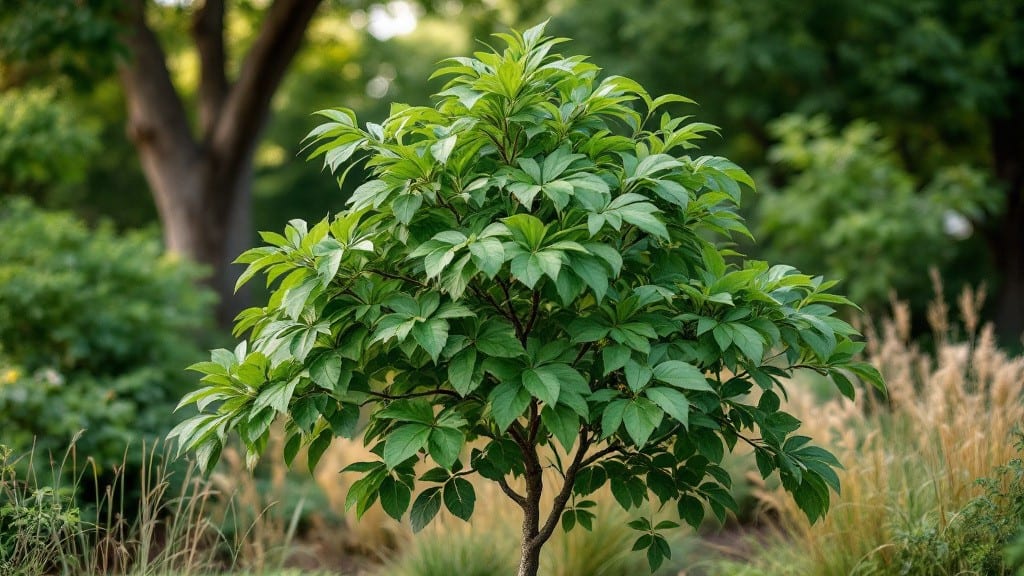
Planting a young black walnut tree means investing in a future that feeds your family and supports local wildlife—but only if you prune it right from the start. ✨ The first three years determine whether your tree grows into a sturdy, productive giant or a weak, disease-prone shadow of its potential.
Juglone sensitivity and frost cracks are real threats, but strategic cuts now prevent them later.
Black walnuts need full sun and well-draining soil, but their real secret is frost-resistant pruning. I learned the hard way that cutting too late in spring risks frost damage, while pruning too early weakens the tree before winter.
The goal is to shape the structure while keeping the bark thick enough to handle freeze-thaw cycles—something most guides skip.
By following these steps, you’ll end up with a tree that develops a strong central leader, resists wind damage, and produces heavy crops in 10-15 years. The key is timing: prune in late winter or early spring before buds swell, and always make clean cuts just outside the branch collar.
No jagged edges, no stubs—just smooth, intentional growth.
This method works for any young black walnut, whether you’re planting a nursery sapling or grafting your own. The same principles apply if you’re dealing with juglone-sensitive plants nearby—just give your walnut extra space. Let’s get those branches shaped for a lifetime of harvests.
📚 In This Guide
- What you need
- Instructions
- Tips and common mistakes
- Wrapping up and next steps
What you need
- ● Pruning shears: Bypass pruners (sharp, clean, and sterilized with rubbing alcohol to prevent disease). Size: 6–8 inches for small branches.
- ● Loppers: For thicker branches (up to 2 inches in diameter). Look for: Long handles (20+ inches) for leverage.
- ● Hand saw: Pruning saw with a fine-tooth blade for branches over 2 inches thick.
- ● Disposable gloves: Heavy-duty, nitrile-coated (black walnut sap can stain!). Pro tip: 💡 Wear two pairs if you’re extra cautious!
- ● Rag or paper towels: For wiping sap and sterilizing tools between cuts.
- ○ Sealing wax or pruning sealant: (Optional but helpful for large cuts > ½ inch) to prevent disease.
- ● Ladder or step stool: Sturdy and tall enough to reach the tree’s canopy safely.
- ● Timing: Prune during late winter or early spring (before buds swell) to avoid frost damage. Never prune in fall!
- ● Weather: Choose a dry, calm day—no rain or wind for 24 hours before/after.
- ● Safety gear: Safety glasses (to shield from falling debris) and closed-toe shoes.
- ● Tree health check: Inspect the tree for diseases (e.g., walnut blight) or pests before pruning.
- ● Tree growth regulator (e.g., Seaweed extract spray) to boost recovery post-pruning.
- ● Marking spray or ribbon to tag branches to remove (great for complex pruning plans!).
- ● Disinfectant spray (e.g., 10% bleach solution) for sterilizing tools between cuts.
- ● Notebook and pencil to sketch your pruning plan before starting.
Step-by-Step guide to pruning young black walnut trees
Pruning young black walnut trees builds a sturdy framework for decades of growth.
✂️ Step 1: Assess the Tree Structure
Start by examining your young black walnut tree in early spring, just as buds begin to swell. Look for branches that grow inward, cross each other, or rub against one another. These are the first candidates for removal—they create weak points where disease can enter and limit the tree's ability to develop a strong canopy.
Focus on the main trunk and primary branches. The goal is to create an open center that allows sunlight to reach the inner branches. This prevents crowded growth, which leads to weak wood and increased susceptibility to frost damage. Use your hand to gently test branch flexibility—stiff, brittle branches are already stressed and should be pruned.
✂️ Step 2: Remove Problem Branches
Use sharp, clean pruning shears to make cuts just outside the branch collar—the swollen area where the branch meets the trunk. Avoid leaving stubs, as they can invite rot and weaken the tree. For branches thicker than 2 inches, use a pruning saw with a smooth, clean motion to avoid tearing the bark.
Start with dead, diseased, or broken branches—these are the easiest to spot and remove first. Next, target branches growing straight upward from the main trunk (called "water sprouts") and any that cross or rub against others. These cuts should be made at a 45-degree angle, slanting away from the trunk, to encourage proper healing.
✂️ Step 3: Thin the Canopy
Step back and visualize the tree's future shape. Aim to remove about 20% of the tree's foliage to improve airflow and reduce frost risk. Focus on thinning out branches from the center outward, leaving the strongest, healthiest branches evenly spaced. This creates a balanced structure that can better withstand winter winds and frost.
For black walnut trees, prioritize branches that are growing too close to each other. Remove the weaker of the two branches—look for thinner stems, smaller leaves, or branches that are shaded by others. Avoid over-pruning; the goal is to maintain a natural shape while ensuring the tree retains enough foliage to photosynthesize effectively.
✂️ Step 4: Clean and Protect the Tree
After pruning, disinfect your tools with rubbing alcohol to prevent spreading disease between cuts. Remove all pruned branches from the area to reduce the risk of pests or pathogens lingering near the tree. Black walnut trees are particularly susceptible to walnut blight, so cleanliness is critical.
Apply a thin layer of tree wound sealant to larger cuts (over 1 inch in diameter) to protect the exposed wood. While sealants aren't always necessary for smaller cuts, they can help larger wounds heal faster and reduce the risk of infection. Water the tree deeply after pruning to help it recover and encourage new growth.
⏰ Step 5: Monitor and Repeat Annually
Check your tree throughout the growing season for any new branches that need attention. Black walnut trees grow quickly, so annual pruning in late winter or early spring is ideal. Avoid pruning in fall, as it can stimulate new growth that won't harden off before winter, making the tree more vulnerable to frost damage.
Over time, you'll develop a sense of the tree's natural growth pattern. The goal is to maintain a strong, open structure that allows sunlight to reach all parts of the canopy. This not only promotes healthier growth but also makes the tree more resilient to frost and other environmental stresses.
Tips & tricks for frost-resistant black walnut pruning
These little-known techniques will help you create a stronger, healthier black walnut tree that stands up to frost and storms.
Timing is Everything: Early spring, just as buds begin to swell, is the absolute best time to prune. This timing allows the tree to heal before summer heat arrives, reducing stress. I learned this the hard way after pruning in late winter—my tree struggled to recover before the growing season really kicked off. If you miss this window, late summer (after the first frost) is your second-best option, but avoid fall entirely.
Branch Selection Strategy: When deciding which branches to remove in Step 1, prioritize branches that grow inward or cross others—they're the weakest points. I use a simple visual test: if two branches are competing for space, remove the one with smaller leaves or thinner diameter. This creates instant airflow and reduces frost pockets where cold air can settle. For black walnut trees, this is especially critical because their dense foliage traps cold air.
Cutting Technique Matters: The 45-degree angle cuts in Step 2 aren't just about looks—they're about healing. When you make a clean cut slanting away from the trunk, it prevents water from pooling in the wound, which would otherwise invite rot. For branches over 2 inches thick, I always use a pruning saw with a smooth motion to avoid tearing the bark. Rough cuts create larger entry points for disease, especially for black walnut trees that are prone to walnut blight.
Post-Pruning Care: After finishing Step 4, I always give my tree a deep watering—about 10 gallons for a young tree—right after pruning. This helps the tree recover faster and encourages new growth. The wound sealant on larger cuts (over 1 inch) is worth the effort; I've seen unsealed cuts take twice as long to heal. Remove all pruned branches from the area immediately to prevent pests from using them as a bridge back to your tree.
Pro Tips for Young Black Walnut Tree
- These little-known techniques will help you create a stronger, healthier black walnut tree that stands up to frost and storms.
- Timing is Everything: Early spring, just as buds begin to swell, is the absolute best time to prune.
- Branch Selection Strategy: When deciding which branches to remove in Step 1, prioritize branches that grow inward or cross others—they're the weakest points.
Frequently asked questions
Got questions about nurturing your young black walnut tree? You’re not alone! Here are some common concerns—and their answers—to help you prune with confidence and keep your tree thriving.
When is the best time to prune a young black walnut tree?
Prune your young black walnut tree during late winter or early spring (before buds break) to avoid stressing the tree. Avoid pruning in fall, as this can encourage fungal diseases. If you must prune in summer, do so early in the morning to reduce water loss.
Are black walnut trees really frost-resistant? How does pruning help?
Black walnut trees are moderately frost-hardy (USDA Zones 4–9), but young trees need protection. Pruning properly improves airflow and sunlight penetration, reducing frost damage to branches. Focus on removing dead, crossing, or weak limbs to strengthen the tree’s resilience.
Can I prune a black walnut tree in summer? What are the risks?
Summer pruning is possible but risky. It can stress the tree and attract pests like walnut husk fly. If you must prune, limit cuts to light shaping and avoid heavy pruning. Water deeply afterward to help recovery. Always prioritize winter/early spring pruning.
What if my black walnut tree isn’t growing? Could pruning be the issue?
Over-pruning or improper cuts can stunt growth. If your tree isn’t thriving, check for root competition (from nearby plants) or disease. Prune only 10–20% of the canopy per year and avoid topping. If growth is still slow, test soil pH (black walnuts prefer 6.0–7.5) and amend if needed.
Are there alternatives to black walnut trees for frost-prone areas?
If frost is a major concern, consider butternut, hickory, or pecan trees, which are also hardy but slightly more cold-tolerant. For ornamental options, serviceberry or persimmon trees offer similar benefits with better frost resistance in some climates.
Wrapping up and next steps
Growing a young black walnut tree with confidence starts with smart frost-resistant pruning! By following the right techniques—like timing cuts in late winter or early spring, removing deadwood, and thinning crowded branches—you’ll set your tree up for stronger, healthier growth and a bountiful harvest. 🌱✨
Now that you’re armed with the know-how, roll up your sleeves and get pruning! Start small, observe your tree’s progress, and adjust as needed. For extra guidance, consider consulting a local arborist or joining a gardening community to share tips and triumphs. Happy growing!