Pruning
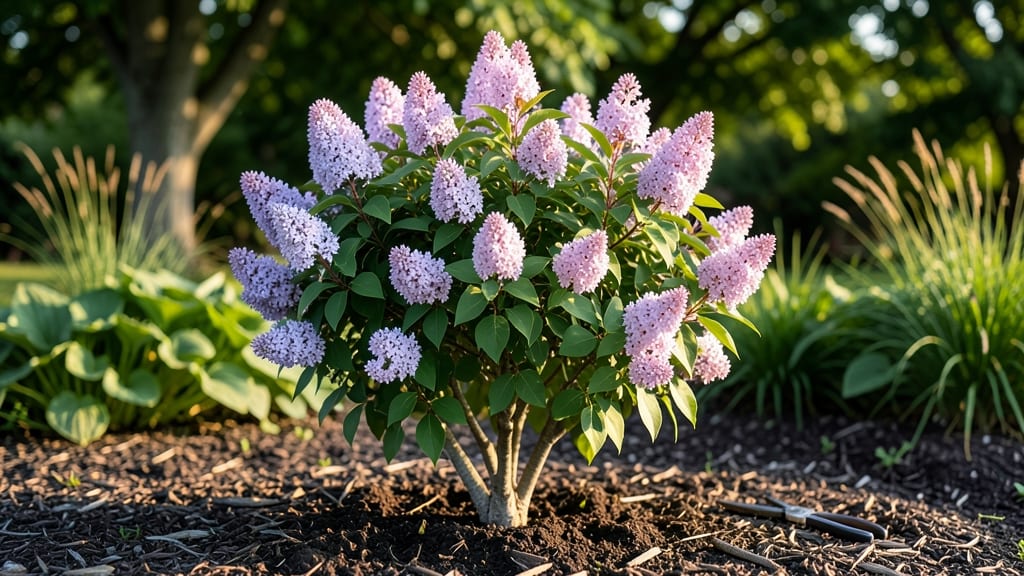
The Sensation lilac tree thrives where others freeze—its compact form and cold-hardy nature make it the perfect choice for Pacific Northwest gardens. 🌿 I planted mine last spring, and by summer, it was already showing off those fragrant purple blooms, even after a late frost.
This isn’t just another lilac; it’s a low-maintenance stunner that punches above its weight in small spaces.
What makes it special? It handles our region’s damp winters and cool summers like a pro, needing just full sun to partial shade and well-draining soil. Water it deeply once established, and you’ll spend less time fussing over it than most annuals.
The real magic happens in late spring when those clusters of lavender-purple flowers appear—scented enough to draw hummingbirds and curious neighbors alike.
Pruning is where this tree shines. Unlike its finicky cousins, the Sensation lilac blooms on new wood, so you can trim anytime without worrying about missed blooms. Shape it in early spring or right after flowering, and you’ll encourage even more vibrant blooms next season.
The result? A tree that stays compact, blooms reliably, and looks effortlessly elegant year after year.
Whether you’ve got a sunny border, a small yard, or even a large container, this lilac adapts. It’s the kind of plant that makes gardening feel easy—once you know the few key tricks. Let’s get yours thriving!
📚 In This Guide
- What you need
- Instructions
- Tips and common mistakes
- Wrapping up and next steps
What you need
- ● Pruning shears (bypass type): 1 pair (sharp, dull blades = jagged cuts). Look for ergonomic handles for comfort.
- ● Loppers: 1 pair (for thicker branches, 2–3 inches in diameter). Adjustable-length models are a game-changer!
- ● Pruning saw: 1 (for branches >3 inches thick). A bow saw with a curved blade works best.
- ● Gloves: 1 pair (heavy-duty, cut-resistant to protect from thorns and rough bark).
- ● Disinfectant (70% isopropyl alcohol or pruner cleaner): Small bottle (to sterilize tools between cuts and prevent disease).
- ● Rubbing alcohol (70%): Small bottle (for quick tool disinfection on the go).
- ○ Pruning sealant (optional but recommended): 1 small tube (like Tanglefoot Tree Wound Pruning Seal to protect large cuts).
- ● Ladder (if needed): 1 (extendable, 10–14 ft, with a stable platform for safety).
- ● Heavy-duty trash bags: 2–3 (for collecting pruned branches and debris).
- ● Rain gear: Waterproof jacket + gloves (because Pacific Northwest weather is unpredictable!).
- ● Safety glasses: 1 pair (to shield eyes from flying debris or sap).
- ● Work boots: 1 pair (with ankle support for uneven terrain).
- ● ✅ Check the forecast: Prune on a dry, calm day (rain = slippery branches; wind = safety hazard).
- ● ✅ Wear long sleeves/pants: Lilac thorns are no joke—protect your skin!
- ● ✅ Label your tools: Use a permanent marker to mark shears/loppers for easy identification.
How to prune a Sensation lilac tree for Pacific Northwest resilience
Here's the pruning method I've used for years to keep my frost-hardy lilacs thriving through PNW winters.
✂️ Step 1: Time Your First Cut for Late Winter Dormancy
Wait until late winter when the tree is fully dormant but before new buds swell—typically February to early March in the Pacific Northwest. This timing prevents frost damage while avoiding spring sap flow. You'll know it's ready when the branches look dry and brittle, not when they bend easily.
I always prune on a dry, sunny day when temperatures are above 40°F. Cold, wet conditions stress the plant and invite fungal infections. Grab your sharp pruning shears and rubbing alcohol to sterilize them between cuts—this prevents spreading disease from one branch to another.
✂️ Step 2: Remove Dead or Weak Wood First
Scan the tree for dead branches—they'll snap easily when bent or have no green bark underneath. Cut these back to the main trunk or a healthy lateral branch. Next, look for crossing branches or those growing inward—they compete for energy and create dense centers where pests hide.
Make your cuts at a 45-degree angle about ¼ inch above a outward-facing bud. This ensures water runs off the cut and new growth starts in the right direction. I always step back after each cut to check the tree's shape—this prevents over-pruning one side.
✂️ Step 3: Thin the Canopy for Better Airflow
Lilacs need good air circulation to prevent fungal diseases like powdery mildew. Start at the outer edges and work inward, removing one-third of the oldest stems at their base. These are the branches that produce fewer flowers and take energy from new growth.
Look for suckers—those vigorous shoots growing from the base or trunk. Remove them completely. Suckers drain energy from your main plant and create a mess. I use my pruning saw for thicker stems over ½ inch in diameter to avoid tearing the bark.
☀️ Step 4: Shape for Next Year's Blooms
After removing dead wood and thinning, focus on opening up the center of the tree. Lilacs bloom on old wood, so avoid cutting back into last year's growth. Instead, trim just the tips of branches that grew too long or look leggy.
Step back frequently and visualize the tree's natural shape—rounded and airy. You want sunlight to reach all parts of the canopy. For Sensation lilacs, which have a more compact growth habit, I keep the height between 6 and 8 feet unless it's a mature specimen. After pruning, I always clean up all debris from the base.
⏰ Step 5: Post-Pruning Care for Frost Resistance
Water the tree deeply right after pruning to help it recover. The roots need moisture to support new growth. Apply a 2-inch layer of mulch around the base but keep it 6 inches away from the trunk—this protects roots from freezing and retains moisture.
Fertilize lightly in early spring with a balanced 10-10-10 formula to encourage strong new growth. Avoid heavy feeding right after pruning—it stresses the tree. Monitor for aphids or spider mites in early summer, especially if the tree looks stressed. A strong pruning job makes your lilac more resilient to PNW frosts.
Tips & tricks for perfect Sensation lilac pruning
Here's what I've learned after years of pruning these hardy PNW lilacs—small details make all the difference for frost-resistant growth.
Timing Secret: February to early March is your sweet spot, but don't wait until buds swell—that's when the tree starts sending energy to new growth instead of strengthening existing branches. I've seen trees bloom poorly when pruned too late because the plant prioritizes flowers over recovery. Watch for those dry, brittle branches as your cue.
Cutting Technique: That 45-degree angle isn't just for looks—it's about water runoff. When you cut above an outward-facing bud at that angle, rainwater flows away from the wound instead of pooling. I've made the mistake of cutting straight across, and those spots always seem to attract fungal infections. Also, step back after every few cuts to check your shape—it's easy to over-prune one side when you're focused on details.
Canopy Strategy: Removing one-third of the oldest stems might sound drastic, but these branches are energy vampires. They produce fewer flowers and create dense centers where powdery mildew thrives in our damp PNW climate. I learned this the hard way when my first lilac got mildew—now I always start at the outer edges and work my way in. For Sensation lilacs specifically, that compact growth habit means you can be more aggressive with thinning than with larger lilac varieties.
Post-Pruning Care: That 2-inch mulch layer is your winter insurance. It acts like a blanket for roots while keeping the trunk dry. I've seen trees suffer from mulch piled against the trunk—it creates rot by trapping moisture. Always keep that 6-inch clearance! And don't skip the deep watering right after pruning; the roots need to recover from the shock of all those cuts.
Pro Tips for Sensation Lilac Tree
- Here's what I've learned after years of pruning these hardy PNW lilacs—small details make all the difference for frost-resistant growth.
- Timing Secret: February to early March is your sweet spot, but don't wait until buds swell—that's when the tree starts sending energy to new growth instead of strengthening existing branches.
- Cutting Technique: That 45-degree angle isn't just for looks—it's about water runoff.
Frequently asked questions
about the Sensation Lilac Tree—especially when it comes to pruning in the Pacific Northwest’s frost-prone climate. Here’s what you need to know!When is the best time to prune a Sensation Lilac Tree?
The ideal time to prune is late winter or early spring (February–March), just before new growth begins. This timing helps avoid frost damage and encourages healthy blooms. Skip pruning in fall—it can stimulate tender new growth that won’t survive winter!
How do I protect my lilac from frost after pruning?
After pruning, apply a light layer of mulch (2–3 inches) around the base to insulate roots. For young trees or harsh winters, wrap the trunk with burlap or use a tree guard to shield against cold winds. Avoid heavy mulch piles that can trap moisture and rot roots.
Can I prune my lilac tree too much?
Yes! Over-pruning weakens the tree and reduces next year’s blooms. Never cut back more than ⅓ of the plant’s height in one season. Focus on removing dead, crossing, or overcrowded branches while preserving the tree’s natural shape.
Why isn’t my Sensation Lilac Tree blooming after pruning?
Lilacs bloom on old wood, so heavy pruning too late in the season can delay flowers. If blooms are sparse, check for:
- Pruning in fall or late spring (cut back to just above a bud facing outward).
- Insufficient sunlight (6+ hours/day is ideal).
- Over-fertilizing with high-nitrogen feeds (use a balanced 10-10-10 instead).
Are there frost-resistant alternatives to the Sensation Lilac?
If you love lilacs but want extra cold hardiness, consider:
- ‘Miss Kim’ Lilac (hardy to -30°F, compact, fragrant).
- Russian Lilac (Syringa josikaea) (survives -40°F, drought-tolerant).
- Dwarf Korean Lilac (Syringa meyeri) (hardy to -20°F, great for small spaces).