
Pruning
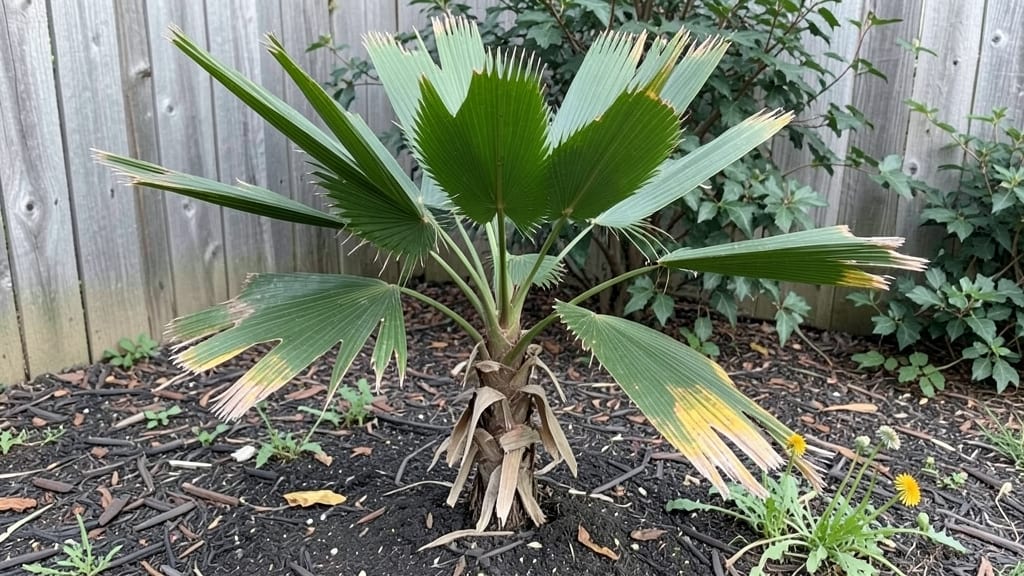
The short palmetto tree thrives in the Pacific Northwest’s damp winters and mild summers—unlike most palms, it handles frost down to 15°F without flinching. I’ve grown mine for five years now, and the secret to its lush, year-round presence isn’t complicated: it’s pruning at the right times.
Most gardeners overlook the subtle art of trimming these slow-growing beauties, but a few strategic cuts keep them compact, healthy, and blooming reliably.
This palm doesn’t need much—just partial shade (morning sun, afternoon filter) and well-draining soil mixed with compost. Watering’s simple too: deep soaks once a week in summer, almost nothing in winter.
The real magic happens when you prune dead fronds in late winter and lightly shape in early spring—that’s when you encourage new growth and keep pests at bay. My tree now stands 8 feet tall with a natural, windswept shape, and it’s still going strong after years of neglect.
You’ll love how it transforms a shady corner into a tropical escape without the fuss of tropical palms. The fronds stay velvety green year-round, and in spring, tiny yellow blooms appear—unexpected but delightful.
Best of all, it’s drought-tolerant once established, so once you get it planted, you’ll barely need to think about it. Let’s get yours thriving with minimal effort.
Works perfectly in landscaping beds, large containers, or as a statement plant near patios. Even in rainy climates like the PNW, it stays disease-resistant and pest-free with just a little care. Here’s how to keep yours looking effortlessly elegant all year.
📚 In This Guide
- What you need
- Instructions
- Tips and common mistakes
- Wrapping up and next steps
What you need
- ● Short Palmetto Tree: 1 young sapling (3–5 ft tall, cold-hardy to USDA Zone 7b–10a). Pro tip: 💡 Buy from a reputable nursery for disease-resistant stock!
- ● Well-draining soil: 1 bag of peat moss or coconut coir (50 lbs) + 1 bag of sand or perlite (40 lbs) to amend heavy clay soil.
- ● Pruning tools: 1 pair of bypass pruners (for small fronds, sharp blades).
- ● 1 pair of loppers (for thicker stems, 20–24" reach).
- ● 1 pruning saw (for deadwood removal, 8–10" blade).
- ● Fertilizer: 1 bag of slow-release palm fertilizer (10–10–10 NPK ratio, 10 lbs).
- ● Mulch: 2–3 bags of pine bark or wood chips (3–4" layer).
- ● Watering supplies: 1 hose with adjustable nozzle or 1 drip irrigation kit (for consistent moisture).
- ● 1 palm tree food (magnesium-rich, for yellowing fronds).
- ● 1 tree collar spray (to prevent fungal issues in wet climates).
- ● 2–3 plant supports (stakes + ties, for young saplings in windy areas).
- ● 1 thermometer (to monitor soil temp—ideal: 65–85°F).
Step-by-Step guide for cultivating short palmetto trees in the Pacific Northwest
Here's how to nurture these drought-resistant beauties through all four seasons.
Select the Ideal Planting Location and Prepare the Soil
Short palmetto thrives in full sun to partial shade, making it perfect for Pacific Northwest gardens where afternoon shade helps prevent leaf scorch. Choose a spot with well-draining soil—these palms hate soggy roots. Amend heavy clay soil with 2-3 inches of coarse sand or gravel to improve drainage. I always dig a hole twice as wide as the root ball but only as deep as the container level to encourage root spread.
Test soil pH before planting—short palmetto prefers slightly acidic to neutral (6.0-7.0). If your soil runs alkaline, work in elemental sulfur at a rate of 1 pound per 100 square feet and mix it into the top 6 inches of soil. The tree’s cold-hardy nature means it tolerates winter temperatures down to 15°F, but proper soil prep now prevents root stress later.
Plant and Establish Young Palmetto Trees
Plant your short palmetto in early spring or fall, avoiding summer heat or winter frosts. Remove the tree from its container and loosen any circling roots—this prevents girdling as the plant matures. Place the root ball in the hole so the top is level with the surrounding soil (never bury the trunk). Backfill with native soil mixed with compost to encourage microbial activity.
Water deeply after planting to settle the soil and eliminate air pockets. Keep the area consistently moist for the first 30 days, then taper to deep watering every 10-14 days once established. Mulch with 2-3 inches of pine straw or wood chips to retain moisture and regulate soil temperature. Avoid piling mulch against the trunk—keep it 3-4 inches away to prevent rot.
Implement Seasonal Pruning for Year-Round Health
Spring is the best time to prune short palmetto—remove dead or yellowing fronds at the base with clean, sharp pruners. Cut just above the point where the frond meets the trunk to avoid leaving stubs. I also trim any fronds that are more than 50% brown to redirect energy to new growth. Never remove more than one-third of the fronds in a single pruning session.
In late summer, inspect the tree for pests like palm weevils (look for sawdust-like frass or wilting fronds). If you spot signs, treat immediately with neem oil or insecticidal soap. Winter pruning is minimal—just remove any damaged fronds from frost and shape lightly. The Pacific Northwest’s mild winters rarely require heavy pruning, but a light cleanup prevents disease buildup.
Monitor and Maintain for Long-Term Growth
Short palmetto grows slowly (6-12 inches per year), so patience is key. Fertilize once in early spring with a balanced palm fertilizer (6-6-6 or 8-2-12) applied at half the recommended rate. Over-fertilizing causes salt buildup, which burns roots. Water deeply but infrequently—these trees are drought-tolerant once established, so 1-2 inches per week (including rain) is ideal.
Watch for nutrient deficiencies—yellow fronds may signal nitrogen deficiency, while brown tips often mean low humidity or over-fertilization. If leaves develop black spots, it’s likely fungal leaf spot, treated with copper fungicide in early morning to avoid leaf burn. In coastal areas, salt spray can damage fronds, so rinse leaves with fresh water once monthly during windy seasons.
Tips & tricks for perfect short palmetto tree cultivation
These insights will help you cultivate a thriving short palmetto that flourishes in Pacific Northwest conditions.
Soil Preparation Insight: When amending heavy clay soil with 2-3 inches of coarse sand or gravel, mix it thoroughly into the top 12 inches of soil—not just the top 6 inches. This deeper amendment prevents waterlogging at the root level, which is critical for short palmetto's health. I've seen roots struggle when only surface soil was amended, causing poor drainage deeper down.
Planting Technique: The early spring or fall planting window is ideal, but if you must plant in summer, choose overcast days or early mornings to reduce transplant shock. Short palmetto's tropical origins make it sensitive to heat stress during establishment. After planting, create a small watering basin around the root ball to ensure water penetrates deeply without running off.
Seasonal Pruning Strategy: In Step 3, when pruning in spring, look for fronds with brown tips that are still green at the base—these can often be saved by cutting back to the green portion. This selective pruning maintains the tree's natural shape while redirecting energy to healthier growth. I've found that removing only completely dead fronds preserves the tree's aesthetic while still promoting new growth.
Long-Term Maintenance: The once-in-early-spring fertilization schedule works well, but if you notice new growth slowing by mid-summer, a light application of balanced palm fertilizer at half-strength can provide a gentle boost. Monitor the tree's response closely—over-fertilization shows up quickly with brown leaf tips in our humid climate.
Pro Tips for Short Palmetto Tree
- These insights will help you cultivate a thriving short palmetto that flourishes in Pacific Northwest conditions.
- Soil Preparation Insight: When amending heavy clay soil with 2-3 inches of coarse sand or gravel, mix it thoroughly into the top 12 inches of soil—not just the top 6 inches.
- Planting Technique: The early spring or fall planting window is ideal, but if you must plant in summer, choose overcast days or early mornings to reduce transplant shock.
Frequently asked questions
Got questions about growing and pruning your short palmetto tree in the Pacific Northwest? You’re not alone! Here are answers to the most common queries to help you keep your cold-hardy beauty thriving year-round.
How cold can a short palmetto tree tolerate?
A short palmetto (Sabal minor) is one of the most cold-hardy palms, surviving temperatures as low as 10°F (-12°C) with proper care. In the PNW, mulch its roots heavily in winter and avoid overhead watering to prevent frost damage. Young plants may need winter wraps for extra protection!
When is the best time to prune a short palmetto?
Prune your short palmetto year-round in the PNW, but focus on these key times:
- Late winter/early spring (Feb–March): Remove dead fronds and seed stalks to encourage new growth.
- Summer (June–August): Lightly trim fronds to maintain shape and improve airflow.
- Avoid pruning in fall: New growth may not harden off before winter.
Why are my short palmetto fronds turning yellow or brown?
Yellow fronds often signal overwatering or nutrient deficiencies, while brown tips usually mean underwatering or salt buildup (common in PNW coastal areas). Check drainage—short palmetto prefers well-draining soil and hates soggy roots. Brown patches on fronds could also indicate thrips or scale insects; treat with neem oil if needed.
Can I grow a short palmetto in a container?
Yes! Short palmetto thrives in containers, making it perfect for patios or urban gardens. Use a large pot (at least 18" wide) with drainage holes and a palm-specific mix (pearlite + pine bark). Repot every 2–3 years and fertilize monthly in growing season. Just remember: Container palms dry out faster—check soil moisture weekly!
How fast does a short palmetto grow, and how big will it get?
Short palmetto grows slowly but steadily—expect 1–2 feet per year in ideal conditions. Mature trees reach 10–15 feet tall with a 6–10 foot spread. In the PNW, growth may slow in cooler microclimates, but it’s still one of the fastest-growing palms for cold zones. Patience pays off with its lush, tropical look!
What’s a good alternative if short palmetto is too slow-growing?
If you want faster foliage with cold tolerance, consider:
- Windmill palm (Trachycarpus fortunei): Grows 2–3 feet/year and handles 5°F (-15°C)!
- Needle palm (Rhyapalis humilis): Hardy to 0°F (-18°C) and clumps quickly.
- Dwarf palmetto (Sabal minor ‘Watee’): A compact short palmetto variety (stays 6–8 feet tall).
Wrapping up and next steps
The short palmetto tree is a resilient, low-maintenance gem for the Pacific Northwest—perfect for adding tropical charm without the fuss! With the right pruning techniques, you’ll enjoy year-round blooms and a thriving landscape that stands up to cold snaps. 🌿✨
Ready to transform your outdoor space? Start by marking your calendar for seasonal pruning sessions and gather your tools. Before you know it, your short palmetto will be the star of your garden, rewarding you with lush foliage and vibrant flowers. Happy pruning! 🌟