Pruning
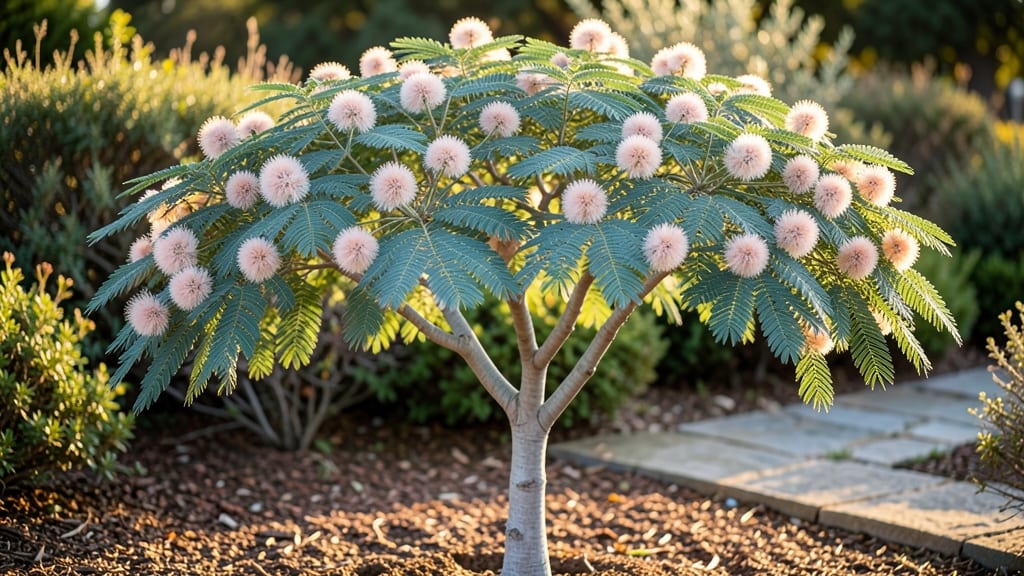
The silk mimosa tree thrives in Pacific Northwest climates where its frost resistance and airy pink blooms make it a standout vertical centerpiece. 🌿 I planted mine last spring near the patio, and now it’s the first thing guests notice—those fluffy, cotton-candy flowers swaying in summer breezes.
The key isn’t just its beauty but how well it handles our damp winters and cool summers, unlike fussy tropicals.
You’ll need well-draining soil (amend heavy clay with compost) and full sun for at least 6 hours daily. Water deeply once established, as these trees hate soggy roots but tolerate drought surprisingly well. The real secret?
Pruning in late winter to shape it while it’s still dormant—this keeps it compact and encourages those signature blooms. My tree now stands 12 feet tall with a spread of 8 feet, perfect for framing a deck or walkway.
By midsummer, you’ll be rewarded with clouds of pink flowers that last weeks, followed by seed pods that add texture. The tree also attracts pollinators like crazy, making it a double win for your garden ecosystem.
Just watch for Japanese beetles—they adore these trees, but neem oil keeps them in check.
Works beautifully in urban yards, large containers, or as a street tree. The only trade-off? Its roots spread aggressively, so plant it where it won’t outcompete other plants. Once established, it’s basically maintenance-free—just water, prune, and admire the show.
📚 In This Guide
- What you need
- Instructions
- Tips and common mistakes
- Wrapping up and next steps
What you need
- ● Silk mimosa tree sapling: 1–3 plants (bare-root or container-grown, 1–3 ft tall). Choose a frost-hardy variety (e.g., 'Summer Chocolate' or 'Pink Cascade').
- ● Well-draining soil: 5–10 cubic yards of a mix: 60% topsoil
- ● 30% compost
- ● 10% perlite or coarse sand
- ● Organic mulch: 2–3 inches of shredded bark, wood chips, or pine needles (cover a 3-ft radius around the base).
- ● Slow-release fertilizer: 1 lb of 10-10-10 or 5-10-10 formula (apply at planting and again in early spring).
- ● Watering can or hose with a gentle spray nozzle: 5+ gallons capacity (or a drip irrigation kit for efficiency).
- ● Pruning tools: 1 pair of bypass pruners (for small branches)
- ● 1 pair of loppers (for thicker branches, ½–1½ inches)
- ● 1 pruning saw (for branches >1½ inches)
- ● Gloves and long sleeves: Heavy-duty gardening gloves (to protect from thorns) and long sleeves.
- ● Soil test kit: To check pH (ideal range: 6.0–7.0). Adjust with lime (to raise pH) or sulfur (to lower) if needed.
- ● Tree supports: 1–2 tree stakes or a cage (for young trees in windy PNW areas).
- ● Mulch rings: 3–5 biodegradable mulch rings (to keep mulch in place).
- ● Frost cloth: 1–2 rolls (for young trees during late spring/early fall frosts).
- ● Tree food or mycorrhizal fungi: 1 lb of mycorrhizal inoculant (boosts root health in PNW’s acidic soils).
- ● Bird netting: 1 roll (to protect flowers from hungry critters!).
Step-by-Step instructions for cultivating silk mimosa trees in the Pacific Northwest
Here’s how to grow these stunning, cold-hardy trees that thrive even in our rainy climate.
🌱 Step 1: Choose the Perfect Planting Spot
Silk mimosa trees love sun but handle our Pacific Northwest’s partial shade better than most. Pick a spot with at least 4-6 hours of direct sunlight daily, though they’ll tolerate morning sun and afternoon shade—ideal for understory plantings near fences or patios. Avoid low-lying areas where cold air pools, as even frost-resistant varieties can struggle with prolonged cold saturation.
Check the soil drainage by digging a 6-inch hole—if water pools after 30 minutes, amend with 2-3 inches of compost or plant in a raised bed. These trees hate soggy roots, and our region’s wet winters make drainage non-negotiable. Test the soil pH too; silk mimosa prefers slightly acidic to neutral (6.0-7.0)—most Pacific Northwest soils lean acidic, so a quick test kit helps avoid over-amending.
🪴 Step 2: Plant with Care in Early Spring
Timing matters—plant 4-6 weeks before your last frost date (typically mid-April in the PNW). Start by digging a hole twice as wide as the root ball but only as deep as the container’s root base. Gently loosen the roots if they’re circling (a common issue with nursery-grown trees) and tease them outward to encourage spreading.
Place the tree in the hole so the top of the root ball sits 1-2 inches below soil level—this prevents stem rot from future rain. Backfill with native soil mixed with 1 part compost (use the 2 gallons of compost you’ve prepped), tamping lightly to remove air pockets. Water deeply right after planting—1 gallon per inch of trunk diameter—to settle the soil and eliminate gaps.
☀️ Step 3: Water and Mulch for Frost Resistance
Water once a week for the first month, then taper to every 10-14 days once established, depending on rainfall. Silk mimosa trees develop deep roots, so deep watering (not frequent light sprinkles) is key—water until soil 6 inches down stays moist. In our region, this means morning watering to prevent fungal issues from evening dampness.
Apply 3 inches of mulch (use the 3 cubic feet of wood chips you’ve gathered) around the base, keeping it 3 inches away from the trunk to prevent rot. Mulch acts like a blanket, protecting roots from sudden frost drops common in the PNW. Replenish mulch annually in early spring—this is your tree’s best defense against our unpredictable winters.
✂️ Step 4: Prune for Shape and Health
Prune in late winter or early spring before new growth starts. Remove dead, crossing, or weak branches first—these compete with your tree’s energy. Silk mimosa trees naturally grow in a vase shape, so focus on thinning interior branches to improve airflow and light penetration. Never cut more than 1/3 of the tree’s canopy in one season, or you’ll stress it.
Watch for suckers at the base—these steal nutrients. Snip them off at the ground level as soon as they appear. If your tree leans toward the sun, prune the longer side slightly to encourage balanced growth. Here’s the thing—pruning in fall invites disease, so avoid it unless removing deadwood. Our damp climate makes open wounds a risk.
Tips & tricks for perfect silk mimosa tree cultivation
Here's what nobody tells you about growing these resilient beauties in our unpredictable climate.
Sunlight Strategy: The 4-6 hours of direct sunlight in Step 1 is non-negotiable, but here's the thing—if your yard gets afternoon shade, focus on morning sun exposure. I've seen silk mimosa trees thrive with just 3 hours of morning sun if the afternoons are completely shaded, though growth will be slower. For maximum blooms, aim for that full 4-6 hours when possible.
Drainage Test: That 30-minute water pooling test in Step 1 is your best friend. If water still pools after 30 minutes, you're dealing with heavy clay soil common in the PNW. Don't just add compost—consider creating a raised bed or planting mound. I've had to dig down 12 inches in some spots to find proper drainage, and it made all the difference for root health.
Planting Depth: The 1-2 inches below soil level recommendation in Step 2 might seem subtle, but it's crucial. Too high and you'll get stem rot from our frequent rains; too low and you'll suffocate the roots. Use a level to check—your root flare (where roots meet trunk) should be just visible above soil level after planting. This small detail prevents years of stem issues.
Mulch Timing: Applying that 3 inches of mulch in Step 3 is smart, but here's the pro move: do it in early spring right after the last frost. This creates a protective barrier before our first heavy rains. I've seen trees without proper mulch timing develop root rot within months—don't skip this seasonal timing detail.
Pro Tips for Silk Mimosa Tree
- Here's what nobody tells you about growing these resilient beauties in our unpredictable climate.
- Sunlight Strategy: The 4-6 hours of direct sunlight in Step 1 is non-negotiable, but here's the thing—if your yard ge...
- Drainage Test: That 30-minute water pooling test in Step 1 is your best friend. If water still pools after 30 minutes...
Frequently asked questions
Got questions about growing and maintaining your silk mimosa tree (Albizia julibrissin) in the Pacific Northwest? Here are some common concerns—and their answers—to help you keep your tree thriving year-round.
How cold can a silk mimosa tree tolerate in the PNW?
The silk mimosa is one of the most frost-resistant trees in its family, handling temperatures as low as -15°F (-26°C) once established. In the PNW’s mild winters, young trees may need winter protection (like burlap wraps) for the first few years, but mature trees are hardy and low-maintenance.
How long does it take for a silk mimosa to grow to full size?
Silk mimosa trees grow at a moderate rate (1–2 feet per year), reaching their mature height of 20–30 feet in about 10–15 years. Their spread (15–25 feet wide) can be controlled with pruning, making them ideal for urban landscapes or large yards.
Why are the leaves turning yellow or brown?
Yellowing leaves often signal overwatering, nutrient deficiency, or fungal issues. Check soil moisture (they prefer well-draining soil) and inspect for powdery mildew or leaf spots. Prune affected branches and apply a fungicide if needed.
Can I grow a silk mimosa in a container?
While possible, silk mimosa trees are not ideal for containers due to their size and deep root systems. If you must, use a large (20+ gallon) pot with excellent drainage and prune aggressively to control growth. Repotting annually may be necessary.
When is the best time to prune for maximum blooms?
Prune your silk mimosa late winter or early spring (before new growth) to shape the tree and encourage vibrant pink blooms. Avoid heavy pruning in fall, as it can stimulate tender new growth vulnerable to frost.
Are silk mimosa trees good for pollinators?
Their fragrant, fuzzy flowers attract bees, butterflies, and hummingbirds, making them a pollinator powerhouse. Plant near gardens to boost biodiversity—just be mindful of their lightweight seeds, which spread easily.
Wrapping up and next steps
The silk mimosa tree is a stunning, low-maintenance addition to your Pacific Northwest garden, offering vibrant blooms and year-round interest—even in cooler climates! 🌿 With its frost-resistant nature and vertical growth habit, it’s perfect for adding height and charm to any landscape.
Whether you’re pruning for shape, health, or blooms, remember to act in late winter or early spring and use sharp tools for the best results.
Ready to transform your outdoor space? Start small—plant one silk mimosa tree today and watch it thrive! For even more inspiration, explore pruning techniques or companion plants that pair beautifully with its delicate foliage. Happy gardening! 🌸