Pruning
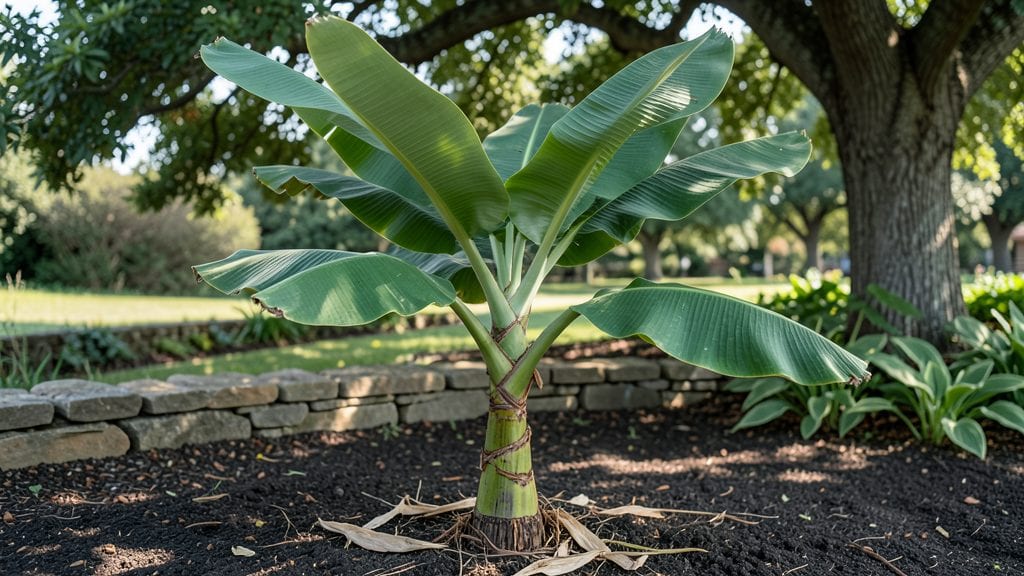
A small banana tree like the Dwarf Cavendish can thrive in containers and still produce fruit—if you prune it right. I’ve watched mine go from scraggly to productive just by cutting back at the right times, and the key isn’t what you think.
Most people over-prune, but the secret is actually less cutting and more strategic shaping.
The right pruning keeps your banana plant compact while encouraging new growth and fruit production. You’ll need sharp pruners, a clean workspace, and about 20 minutes once a month. The goal is to remove dead fronds first, then trim back older stems to make room for younger, fruit-bearing ones.
My tree now fits neatly in a 5-gallon pot and still gives me a handful of bananas each season.
What you’ll end up with is a neat, manageable plant that keeps producing year-round in warm climates—or at least until frost stops it. The leaves stay lush, the stems stay sturdy, and you avoid the messy, overgrown look that scares off beginners.
Plus, the fruit tastes sweeter when the plant isn’t struggling to support its own weight.
Works for patios, balconies, or even sunny indoor spots with grow lights. The same principles apply whether you’re growing in a 10-gallon container or a raised bed. Let’s get those fronds under control!
📚 In This Guide
- What you need
- Instructions
- Tips and common mistakes
- Wrapping up and next steps
What you need
- ● Pruning shears or small hand pruners – Sharp, clean blades (e.g., Felco F2 or similar) to make precise cuts without crushing stems.
- ● Disinfectant (70% isopropyl alcohol or hydrogen peroxide) – To sterilize tools and prevent disease spread.
- ● Gloves (gardening or cut-resistant) – Protects hands from sharp edges and sap.
- ● Compost or well-aged manure – 2–3 cups per pruning session to replenish nutrients.
- ● Balanced fertilizer (10-10-10 or organic option) – 1–2 tablespoons per tree, applied every 4–6 weeks.
- ● Mulch (straw, wood chips, or coconut coir) – 2–3 inches thick to retain moisture and regulate soil temp.
- ○ Loppers (optional) – For thicker stems (if your banana tree grows larger than 6 feet).
- ● Spray bottle with water – Keeps cuts moist to reduce shock.
- ○ Copper fungicide (optional) – Prevents fungal infections in humid climates.
- ○ Support stakes or trellis (optional) – Helps guide growth if your tree is top-heavy.
- ○ pH test kit (optional) – Ensures soil pH stays between 6.1–7.5 (bananas prefer slightly acidic soil).
Step-by-Step guide to pruning your compact banana tree
Keep your small banana tree thriving and productive with these expert pruning techniques.
Identify and Remove Dead or Yellowing Leaves
Start by examining the tree from top to bottom. Look for leaves that are completely brown, yellowed, or showing signs of disease—these won’t recover and only drain nutrients from healthy growth. Use sharp, clean pruning shears to cut these leaves at their base, about ½ inch above the pseudostem.
I always prune dead leaves first because they can harbor pests or fungal spores. If a leaf is only partially damaged (like half yellow), leave it—it’s still photosynthesizing. Focus on the ones that are 100% nonviable. After removing dead leaves, wipe down your shears with rubbing alcohol to prevent cross-contamination between cuts.
Prune Suckers to Encourage Stronger Growth
Banana trees produce suckers—new shoots that emerge from the base of the pseudostem. For a compact tree, you’ll want to keep only 1-2 of the healthiest, most vigorous suckers. Remove the rest by cutting them at the base with clean shears, ensuring you don’t leave stubs that could rot.
Here’s the thing—too many suckers compete for nutrients, leading to weak, stunted growth. I like to wait until the suckers are about 12 inches tall before deciding which to keep. If you’re unsure which to remove, pick the ones growing closest to the main stem—they’ll be the most aggressive and may outcompete your desired plant.
Trim Flower Stems for Compact Fruit Production
If your banana tree produces a flower stalk (inflorescence), you’ll need to decide whether to keep it. For compact trees, I often remove the first flower stalk to redirect the plant’s energy into stronger leaf and sucker growth. Use pruning shears to cut the stalk at its base, just above a healthy leaf node.
If you do want fruit, leave the stalk but prune any side shoots that form along its length—these can weaken the main fruit cluster. Once fruit begins to form, thin it to 3-5 bunches per stalk to ensure larger, higher-quality bananas. Remember, compact trees have limited energy, so overloading them with too many fruit clusters will stress the plant.
Maintain Pseudostem Health for Long-Term Growth
The pseudostem is the "trunk" of your banana tree, and keeping it healthy is key to long-term productivity. If the pseudostem develops soft, mushy spots or dark discoloration, it’s a sign of rot or disease. Use a sterile knife to carefully trim away any damaged areas, cutting back to healthy tissue.
After pruning, apply a thin layer of sterile coconut coir or compost around the base of the pseudostem to encourage new root growth. Avoid piling soil against the stem itself—this can trap moisture and promote rot. A healthy pseudostem should feel firm and slightly fibrous when pressed gently.
Seasonal Adjustments for Year-Round Care
Banana trees respond well to seasonal pruning adjustments. In spring, focus on removing old, dry leaves and encouraging new sucker growth. During summer, prioritize trimming flower stalks if you want to maximize leaf production. In fall, reduce watering slightly and prune any weak or damaged growth before winter.
Winter is the best time to give your compact banana tree a thorough check-up. Remove any remaining dead leaves and prune suckers back to 6-8 inches tall to prepare for the next growing season. If you’re in a cooler climate, consider moving the pot to a sheltered location or wrapping the pseudostem in burlap for added protection.
Tips & tricks for pruning your compact banana tree
Here's what nobody tells you about keeping your compact banana tree thriving—these insights come from years of experimenting with different pruning techniques. The details here make all the difference between a struggling plant and one that produces fruit reliably year after year.
Precision Cutting in Step 1: When removing dead leaves in Step 1, make your cuts just ½ inch above the pseudostem—this prevents water from pooling and causing rot. I use a ruler to measure the distance before cutting, especially with larger leaves. The goal is clean cuts that heal quickly without leaving ragged edges that can attract pests. This small detail keeps your tree healthy for months after pruning.
Sucker Selection Strategy in Step 2: The 12-inch height guideline for suckers in Step 2 is critical because smaller suckers haven't yet developed their own root systems. At this size, you can clearly see which ones have the strongest growth patterns. I've found that the sucker closest to the main stem often becomes the most vigorous—this is nature's way of ensuring the strongest replacement. Don't be afraid to remove aggressive suckers early; they'll only compete with your main plant.
Flower Stalk Management in Step 3: For compact trees, removing the first flower stalk redirects energy to leaf and root growth, which pays off when you eventually want fruit. When you do keep a stalk, prune side shoots immediately—they steal nutrients from your main fruit clusters. I've seen compact trees produce bananas twice as large by following this approach, even with limited space. The key is consistency in thinning to just 3-5 bunches per stalk.
Pseudostem Maintenance in Step 4: The sterile coconut coir or compost recommendation in Step 4 isn't just about aesthetics—it creates a microclimate that encourages beneficial microbial activity around your roots. After trimming damaged pseudostem areas, I always apply a thin layer and gently pat it down. This simple step has helped me prevent rot in several trees that were struggling with moisture issues. The firm, fibrous texture check is your best indicator of pseudostem health.
Pro Tips for Small Banana Tree
- Here's what nobody tells you about keeping your compact banana tree thriving—these insights come from years of experimenting with different pruning techniques.
- Precision Cutting in Step 1: When removing dead leaves in Step 1, make your cuts just ½ inch above the pseudostem—this prevents water from pooling and causing rot.
- Sucker Selection Strategy in Step 2: The 12-inch height guideline for suckers in Step 2 is critical because smaller suckers haven't yet developed their own root systems.
Frequently asked questions
Got questions about keeping your small banana tree thriving while maximizing fruit production? We’ve got answers!
How often should I prune a small banana tree?
Prune your small banana tree once a year after fruiting, typically in late winter or early spring. Remove dead or yellowing leaves, and trim back old pseudostems (the "trunk") to encourage new growth. Avoid heavy pruning—focus on shaping and rejuvenation. Pro tip: Use sterilized tools to prevent disease!
Can I prune a banana tree when it’s flowering or fruiting?
No—never prune during flowering or fruiting! This stresses the plant and can reduce yields. Wait until after harvest when the fruit bunch has fully turned yellow and dropped. Patience pays off for bigger, healthier crops next season.
What’s the best way to prune a banana tree indoors?
Indoor banana trees need gentler pruning due to limited space. Trim only dead leaves and overcrowded fronds—avoid cutting healthy growth. Ensure your pot has drainage, and repot every 2–3 years. If space is tight, prune selectively to maintain airflow and light exposure.
Why are my banana tree’s new leaves turning yellow after pruning?
Yellowing leaves post-pruning often signal stress or nutrient deficiency. Ensure your tree gets bright, indirect light and fertilize with a balanced, banana-friendly mix (high in potassium). Over-pruning or poor soil can also cause this—keep it moderate! Fix it: Boost humidity with a tray of water.
Are there alternatives to pruning for small banana trees?
If pruning feels overwhelming, try selective leaf removal to improve airflow or topping (cutting the top growth) to encourage bushier growth. For dwarf varieties, minimal pruning may suffice—focus on removing only the worst offenders. Regular feeding and watering also keep trees healthy without heavy cuts!
Wrapping up and next steps
Growing a small banana tree in compact spaces is totally doable—and rewarding! 🌱 With the right pruning techniques, you can keep your plant healthy, boost fruit production, and enjoy lush foliage year-round.
Whether you’re a beginner or a seasoned gardener, these steps ensure your mini banana tree thrives without taking over your garden.
Ready to take the next step? Start small—pick one pruning task this week, like removing dead leaves or shaping your tree. Before you know it, you’ll have a flourishing banana tree that’s as productive as it is charming! 🍌✨