
Container Gardens
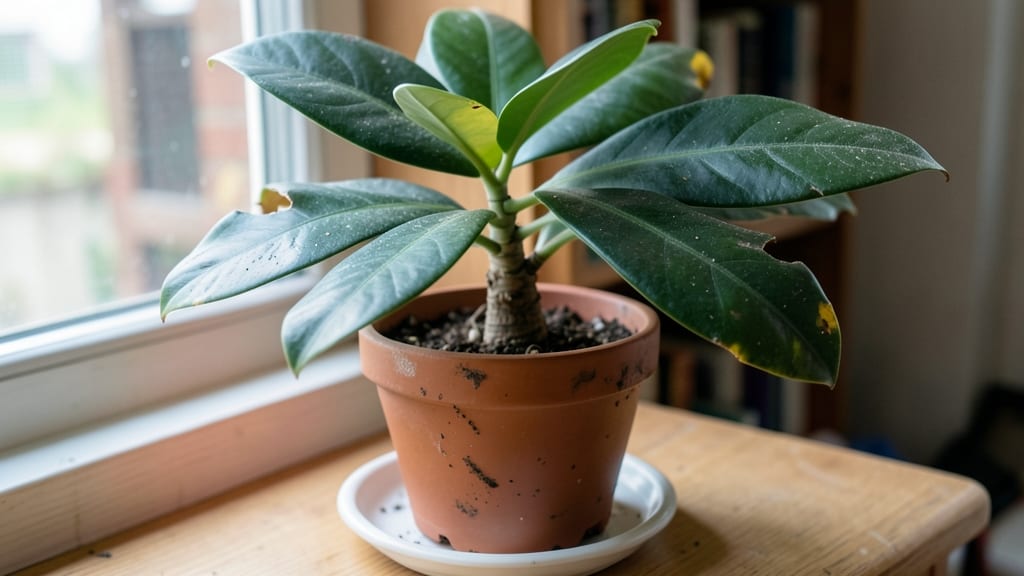
Miniature potted trees turn any small space into a lush, elegant retreat. 🌿 I’ve transformed my balcony into a serene garden oasis using dwarf citrus, olive trees, and ornamental varieties—each container designed to complement the space while keeping maintenance simple.
The key lies in selecting the right species for your light conditions and pairing them with containers that reflect your style, whether rustic terracotta or sleek modern planters.
Start with dwarf varieties like Meyer lemon, Japanese maple, or olive trees, which stay compact yet offer year-round interest. A 10- to 15-gallon container works well for most small trees, ensuring roots have room to grow without overwhelming the space.
Place them in sunny spots—most need 6+ hours of light daily—and use well-draining soil to prevent soggy roots, a common pitfall for potted trees.
Arrange your trees in tiered displays or group them by color for a cohesive look. A single statement tree in a large pot anchors a seating area, while clusters of smaller varieties create visual depth.
Seasonal touches—like adding evergreen fillers in winter or spring bulbs at the base—keep the design fresh year-round.
With the right placement, these trees thrive for years, offering shade, fragrance, and beauty without the upkeep of larger landscapes. Ready to design your own miniature forest? Let’s get started with the perfect species and styling tips for your space.
📚 In This Guide
- What you need
- Instructions
- Tips and common mistakes
- Wrapping up and next steps
What you need
- ● 1 small potted tree (choose a dwarf variety like Japanese Maple, Dwarf Citrus, or Ficus Microcarpa)
- ● 1 container (6–12 inches in diameter, with drainage holes; ceramic, terracotta, or plastic work well)
- ● High-quality potting soil (1–2 bags, well-draining mix like cactus/succulent blend or universal potting mix with perlite)
- ● Slow-release fertilizer (1–2 tablets or granules, designed for container plants)
- ○ Mulch (optional but recommended) (1 cup, organic like bark chips or coconut coir)
- ● Gloves (1 pair, for handling soil and plants)
- ● Trowel or small shovel (1, for planting and soil adjustments)
- ● Watering can or spray bottle (1, with a fine rose nozzle for delicate watering)
- ● Pruning shears (1 pair, for shaping and maintenance)
- ○ Decorative accents (optional) (pebbles, moss, or small figurines for aesthetic flair)
- ● A sunny or partially shaded spot (depending on your tree’s needs)
- ● Access to water (a sink or hose nearby)
- ● Basic knowledge of your tree’s care (light, water, and temperature preferences)
Step-by-step guide for cultivating small potted trees
Here’s how to create a thriving miniature tree that brings patio charm without the yard space.
🪴 Step 1: Choose the Right Container and Drainage
Select a 12-18 inch diameter pot with drainage holes—smaller trees need stable root support, but oversized containers encourage root rot. I prefer unglazed terra cotta for its breathability, though ceramic works too. Add a 2-3 inch layer of gravel or broken pottery at the bottom to prevent soil compaction and improve aeration.
If your pot lacks holes, drill them yourself—waterlogged roots will strangle your tree before it matures. Place a mesh screen over the holes to keep soil from washing out while allowing excess water to escape. This step is non-negotiable; even drought-tolerant species like olive or juniper will suffer without proper drainage.
🌱 Step 2: Select and Prepare the Soil Mix
Use a well-draining potting mix—never garden soil. I blend 50% premium potting mix, 30% perlite or pumice, and 20% compost for a lightweight, nutrient-rich medium. This ratio prevents compaction while providing essential minerals. For acid-loving trees like dwarf azaleas, add 1 part peat moss instead of compost.
Moisten the mix until it’s damp but not soggy—think of a wrung-out sponge. Pack it gently into the pot, leaving 1-2 inches of space between the soil surface and the rim. This gap prevents overflow during watering and allows for seasonal top-dressing with fresh mix. Tap the pot lightly to eliminate air pockets that could stunt root growth.
☀️ Step 3: Plant the Tree at the Correct Depth
Dig a hole twice as wide as the root ball but no deeper than the container’s original planting depth. Gently remove the tree from its nursery pot and loosen any circling roots with your fingers—this encourages outward growth. Place it in the hole so the top of the root ball sits ½ inch below the pot’s rim; settling will occur over time.
Fill the hole with soil, pressing lightly to eliminate gaps. Water deeply until moisture runs from the drainage holes—this settles the roots and removes air pockets. Avoid burying the trunk too deeply; stem rot is a common killer of potted trees. If your tree has a caliper (the trunk’s diameter at soil level), mark it with a pencil before planting to ensure proper depth.
💧 Step 4: Establish a Watering and Light Routine
Water once a week during the first month, allowing the top 2 inches of soil to dry between waterings. Overwatering is the #1 cause of potted tree failure—yellowing leaves or mushy stems are red flags. Use room-temperature water to avoid shocking the roots, and water at the base, not overhead, to prevent fungal diseases.
Place your tree in bright, indirect light for the first two weeks to reduce transplant shock. Gradually introduce it to 4-6 hours of morning sun daily, as afternoon heat can scorch tender foliage. If growing indoors, position it near a south-facing window or supplement with a grow light for 12-14 hours per day. Watch for leggy growth—a sign it’s stretching toward light.
✂️ Step 5: Prune and Fertilize for Long-Term Health
Prune once in early spring to shape the tree and remove dead branches. Use clean, sharp shears to make cuts at a 45-degree angle just above a leaf node. Avoid heavy pruning—never remove more than 25% of the foliage in one session, or you’ll stress the tree. I like to pinch back new growth in late summer to encourage bushier, more compact growth.
Fertilize every 6-8 weeks during the growing season with a balanced, slow-release fertilizer (10-10-10 or similar). Apply half the recommended dose to avoid burning roots—potted trees have limited space, so excess salts build up quickly. Flush the soil with water once a month to prevent salt accumulation, which causes brown leaf tips. Mulch the soil surface with ½ inch of organic mulch to retain moisture and regulate temperature.
Tips & tricks for perfect small potted trees
Creating miniature trees that thrive in containers takes more than just good intentions—it’s about understanding the subtle details that separate a struggling plant from a showstopping centerpiece.
Container Selection: The 12-18 inch diameter range isn't arbitrary—smaller pots restrict root growth, while larger ones encourage waterlogging. For drought-tolerant varieties like olive or juniper, consider slightly smaller pots (12-14 inches) to maintain dryness. If using ceramic, check for cracks first—even small ones can compromise drainage. I’ve learned this the hard way after watching roots rot in seemingly sturdy pots.
Soil Mix Secrets: The 50-30-20 ratio of potting mix, perlite/pumice, and compost is your foundation, but don’t overlook the importance of sterilizing your soil mix. Microwave it in 30-second bursts to kill pathogens—this prevents fungal issues before they start. For acid-loving trees, replace compost with peat moss, but only if your water is alkaline. Test your water first; the pH balance affects nutrient uptake.
Planting Depth: That ½-inch below the rim isn’t just a suggestion—it’s critical for preventing stem rot. Use a pencil to mark the caliper before planting, then verify the depth after filling. If your tree comes with a nursery pot, remove it completely to avoid girdling roots. I’ve seen too many potted trees fail because the root ball was buried too deeply, leading to suffocation and rot.
Light Transition: The first two weeks of bright, indirect light are non-negotiable, but here’s what nobody tells you: if your tree develops leggy growth, it’s already too late to fix it without serious pruning. Gradually introduce morning sun—never afternoon—by moving the pot incrementally closer each day. For indoor growers, supplement with a LED grow light positioned 12-18 inches above the tree for those 12-14 hours of light.
Pro Tips for Small Potted Tree
- Creating miniature trees that thrive in containers takes more than just good intentions—it’s about understanding the subtle details that separate a struggling plant from a showstopping centerpiece.
- Container Selection: The 12-18 inch diameter range isn't arbitrary—smaller pots restrict root growth, while larger ones encourage waterlogging.
- Soil Mix Secrets: The 50-30-20 ratio of potting mix, perlite/pumice, and compost is your foundation, but don’t overlook the importance of sterilizing your soil mix.
Frequently asked questions
Got questions about small potted trees? You’re not alone! Here are some of the most common queries—and their easy, actionable answers—to help you grow a thriving mini masterpiece.
What’s the best small potted tree for beginners?
Start with low-maintenance varieties like Dwarf Japanese Maple, Bonsai Olive, or Miniature Citrus Trees. These tolerate indoor conditions, need minimal pruning, and recover well from mistakes. Avoid finicky species like Ficus unless you’re ready for extra care!
How often should I water a small potted tree?
Check soil moisture weekly—stick your finger 1–2 inches deep. Water thoroughly when dry, but avoid soggy roots (drainage holes are key!). In summer, you may water every 3–5 days; in winter, reduce to every 10–14 days. Overwatering kills faster than underwatering!
Can I keep a small potted tree indoors year-round?
Most thrive indoors with bright, indirect light (east/west-facing windows are ideal). If your space is dim, supplement with a grow light. Watch for leaf drop—a sign of stress—and rotate the pot monthly for even growth. Pro tip: Open windows occasionally for fresh air!
How do I repot a small potted tree without harming it?
Repot every 2–3 years in spring, using a pot just 1–2 inches wider. Gently loosen roots, trim any circling growth, and use fresh, well-draining soil. Water lightly afterward and avoid fertilizing for 2 weeks to reduce shock. Timing matters!
What should I do if my small potted tree gets pests?
Inspect leaves regularly for aphids, spider mites, or scale. Treat mild infestations with neem oil or insecticidal soap. For stubborn pests, prune affected areas and quarantine the tree. Prevention tip: Keep your tree healthy with proper watering and light—pests target stressed plants!
Can I prune a small potted tree to shape it like a bonsai?
Use sharp scissors to trim new growth in spring/summer. For bonsai-style, focus on wiring branches (gently!) and regular pinching to encourage bushiness. Remember: Prune just above a leaf node, and never cut more than ⅓ of the foliage at once.
Still stumped? Drop your question in the comments—we’re happy to help your tiny tree thrive!
Wrapping up and next steps
Growing a small potted tree is a rewarding way to bring nature’s charm to your balcony or patio—no green thumb required! 🌿 Whether you’re drawn to the delicate branches of a dwarf citrus or the lush foliage of a bonsai, these miniature giants thrive with minimal space and care.
Remember, the key lies in choosing the right species, container, and sunlight, while staying mindful of watering and pruning.
Ready to dive in? Start small: Pick your favorite tree, gather your supplies, and give it a try! Even if you face a few challenges, every gardener learns by doing. Your future self—and your tiny tree—will thank you! 🌱✨