Pruning
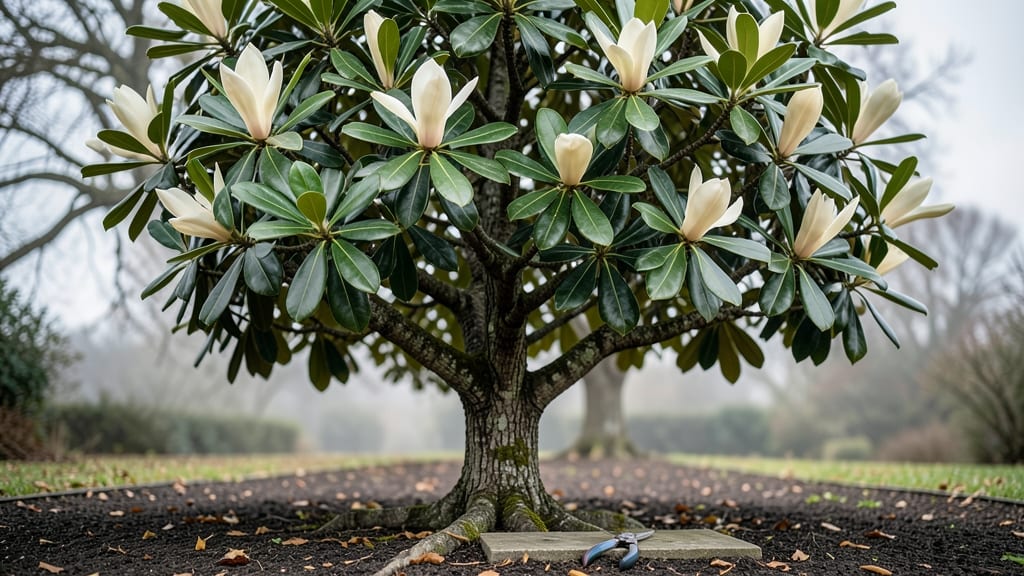
The southern magnolia tree bark is nature’s masterpiece—thick, textured, and rich with character that only deepens over decades. 🌳 I’ve spent years studying how its deep grooves and silver-gray hues transform with age, and the secret to keeping it stunning lies in smart pruning.
This isn’t just about trimming branches; it’s about preserving the bark’s dramatic beauty while keeping the tree healthy.
Magnolia bark tells a story—each layer holds clues about the tree’s age and resilience. Pruning at the right time (late winter or early spring) prevents damage to the bark’s protective layers while encouraging fresh, vibrant growth.
You’ll need sharp pruners, a ladder if needed, and a keen eye for dead or crossing branches that could compromise that iconic texture.
When done right, your magnolia’s bark becomes a year-round focal point—glossy green in summer, silvered with frost in winter, and always commanding attention. The key is gentle cuts that heal cleanly, leaving the bark’s natural drama intact. Think of it as sculpting a living work of art.
Whether you’re dealing with storm damage or just routine maintenance, this guide ensures your magnolia stays both healthy and breathtaking. Let’s get started—your tree’s masterpiece is waiting.
📚 In This Guide
- What you need
- Instructions
- Tips and common mistakes
- Wrapping up and next steps
What you need
- ● Pruning shears or loppers: Bypass pruners (for clean cuts) or anvil pruners (for thicker branches). Choose sharp, high-quality tools (e.g., Felco or Fiskars) to avoid tearing bark.
- ● Pruning saw: A curved-tooth pruning saw (e.g., Bahco or Corona) for branches thicker than 2 inches in diameter.
- ● Extension pole: A 3–6 ft telescoping pole with a saw or shears attachment for high branches.
- ● Gloves: Heavy-duty, cut-resistant gloves (e.g., Mechanix or Wolverine) to protect hands from thorns and rough bark.
- ● Disinfectant (70% isopropyl alcohol or bleach solution): To sterilize tools between cuts and prevent disease spread.
- ○ Pruning sealant (optional but recommended): A tree wound dressing (e.g., Tanglefoot Tree Wound Pruning Seal) for large cuts to reduce sap loss and infection risk.
- ● Ladder or sturdy stool: A stable, non-slip ladder (e.g., aluminum extension ladder) or a tall gardening stool for safe access to higher branches.
- ● Heavy-duty trash bags or bucket: For collecting debris (aim for 5–10 gallons capacity).
- ● Workwear: Long sleeves, pants with thick fabric, and closed-toe shoes to protect from scratches and sap.
- ● Safety goggles: To shield eyes from falling debris.
- ● Ear protection (earplugs or muffs): Useful for loud pruning saws.
- ● Knee pads: For comfort if you’ll be kneeling frequently.
- ● String trimmer or leaf blower: To clear fallen leaves and small debris efficiently.
- ● Camera or sketchbook: To document the tree’s structure before and after pruning.
How to prune Southern magnolia trees for stunning bark display
Here's the method I've used for years to keep magnolias healthy while showcasing their incredible bark.
🌿 Step 1: Choose the Right Time for Pruning
Southern magnolias are best pruned in late winter or early spring, just before new growth begins. This timing lets you shape the tree while it's dormant, reducing stress. I aim for February or March in most climates, but wait until after the last frost—new growth can't tolerate cold snaps.
If you must prune during the growing season, do it in early summer after the tree finishes flowering. Summer pruning stimulates new growth that may not harden off before winter, so it's riskier. The key is to work when the tree has energy reserves to recover.
✂️ Step 2: Remove Dead, Diseased, or Weak Branches
Start by inspecting the tree for branches that are dead, diseased, or crossing—these are your top priorities. Dead branches are brittle and snap easily; diseased ones may have discolored bark or oozing sap. I use sharp pruning shears to make clean cuts just outside the branch collar (the swollen area where the branch meets the trunk).
Remove any branches that rub against others or grow inward—these will eventually create wounds and invite pests. Thin out crowded branches to improve airflow and sunlight penetration. You'll notice the tree's natural structure more clearly once you eliminate these problem branches.
🌱 Step 3: Shape for Bark Display and Structural Integrity
Southern magnolias develop stunning, textured bark over time. To highlight this feature, avoid heavy topping or radical pruning that creates large stubs. Instead, focus on selective pruning to open up the lower trunk and branches. Remove branches that obscure the bark's beauty or grow too close to the ground.
Use a three-cut method for larger branches over 2 inches in diameter: make the first cut about 12-18 inches from the branch collar, then a second cut about 1-2 inches farther out. Finally, make the third cut just outside the branch collar. This prevents bark from tearing and ensures a smooth recovery.
💧 Step 4: Clean and Seal Pruning Wounds
After pruning, sterilize your tools with rubbing alcohol to prevent spreading disease. Wipe away any sap or resin that oozes from the cuts—this natural sealant helps the tree heal. For larger wounds, you can apply a wound dressing (like tree sealant) to protect against pests and rot, but only if the cut is over 4 inches in diameter.
Water the tree deeply after pruning to help it recover. Southern magnolias have deep roots, so focus on soaking the root zone rather than frequent shallow watering. Mulch around the base with 2-3 inches of organic mulch (like pine straw) to retain moisture and regulate soil temperature.
☀️ Step 5: Monitor and Maintain Year-Round
Check the tree monthly during the growing season for new dead branches or signs of disease (like fungal growth or unusual leaf spots). Prune out any issues immediately to prevent them from spreading. Southern magnolias are generally low-maintenance, but their thick bark can hide problems until they're advanced.
In late summer, give the tree a light trim to remove any water sprouts or suckers that may have appeared. These fast-growing shoots drain energy from the main tree. By following this schedule, your magnolia will develop a strong structure and stunning bark that becomes the centerpiece of your landscape.
Tips & tricks for perfect Southern magnolia tree bark display
Here's what I've learned after years of perfecting this pruning method—details that make all the difference.
Timing is Everything: The late winter/early spring window (February-March) is ideal because the tree is dormant but about to burst with new growth. If you're in a warmer climate where magnolias bloom earlier, adjust your timing to prune just after flowering but before the summer heat sets in. I've seen trees stressed when pruned too late—wait until you see those first tender leaves appearing.
Branch Collar Matters: When removing branches in Step 2, never cut flush with the trunk. That swollen area called the branch collar is where the tree naturally heals itself. Cutting too close creates wounds that take years to close properly. I use a sharp saw or pruning shears to make clean cuts just outside that collar—this simple detail prevents future rot and pest issues.
Three-Cut Method for Larger Branches: For branches over 2 inches in diameter, that three-cut technique in Step 3 is a game-changer. The first cut relieves tension, the second reduces weight, and the final cut ensures a clean separation. I've seen too many pruners make one big cut that tears the bark—this method prevents that damage while making cleanup easier. Remember to work from the underside of the branch to avoid bark stripping.
Post-Pruning Care: After finishing all your cuts, don't just walk away. Southern magnolias have deep roots that need proper hydration. That deep watering and 2-3 inches of organic mulch (like pine straw) in Step 4 isn't just decoration—it helps regulate soil temperature and keeps moisture where the roots need it most. I've noticed trees recover much faster when given this simple aftercare.
Pro Tips for Southern Magnolia Tree Bark
- Here's what I've learned after years of perfecting this pruning method—details that make all the difference.
- Timing is Everything: The late winter/early spring window (February-March) is ideal because the tree is dormant but a...
- Branch Collar Matters: When removing branches in Step 2, never cut flush with the trunk. That swollen area called the...
Frequently asked questions
Got questions about keeping your Southern magnolia tree’s bark looking its best while pruning? We’ve got answers! Here are some of the most common concerns—plus tips to keep your tree thriving year-round.
When is the best time to prune Southern magnolia trees to protect their bark?
The ideal time is late winter or early spring (just before new growth starts). Pruning during dormancy minimizes stress on the tree and reduces the risk of disease or pest issues that could damage the bark. Avoid heavy pruning in summer or fall, as this can expose the tree to heat stress or fungal infections.
Can I prune Southern magnolia bark in any season, or will it harm the tree?
While you can make light pruning adjustments (like removing dead branches) year-round, heavy pruning should be avoided outside of dormancy. Summer pruning can stress the tree, making it more vulnerable to sunburn or bark splits. If you must prune in warmer months, do so early in the morning to reduce heat exposure and keep cuts small.
What should I do if the bark starts peeling or flaking after pruning?
Peeling bark is often natural for Southern magnolias, but excessive flaking or oozing sap could signal stress or infection. If you notice blackened, cracked, or wet bark, inspect for pests (like scale insects) or fungal issues. Prune affected branches immediately, sterilize tools with rubbing alcohol, and consider applying a copper-based fungicide if needed.
Are there alternatives to pruning that can keep Southern magnolia bark healthy?
Yes! Focus on proper watering (deep but infrequent) and mulching (2–4 inches of organic mulch, keeping it away from the trunk). Avoid over-fertilizing, which can weaken bark resilience. If your tree is mature, avoid excessive thinning—magnolias have a natural, dense shape that protects their bark from sun and wind damage.
How do I tell if a pruning cut is too aggressive and might damage the bark?
Watch for these red flags: large, jagged cuts (always make cuts at a 45-degree angle just outside the branch collar), exposed inner bark (which can dry out), or sap bleeding excessively for weeks. If you’ve removed more than 25% of the tree’s canopy in one session, you’ve likely over-pruned. For large trees, consider hiring an arborist to avoid bark trauma.
Wrapping up and next steps
With the right tools, timing, and techniques, your Southern magnolia tree can thrive year-round with stunning bark and lush foliage! 🌿 Pruning isn’t just about aesthetics—it’s about health, safety, and longevity.
Whether you’re trimming for shape, removing dead branches, or encouraging vibrant growth, your efforts will pay off in beauty and resilience.
Ready to take the next step? Mark your calendar for your first pruning session—spring or late winter is ideal! And if you’re unsure, don’t hesitate to consult a local arborist for personalized advice. Your magnolia will thank you with gorgeous, year-round curb appeal! 🌟