
Pruning
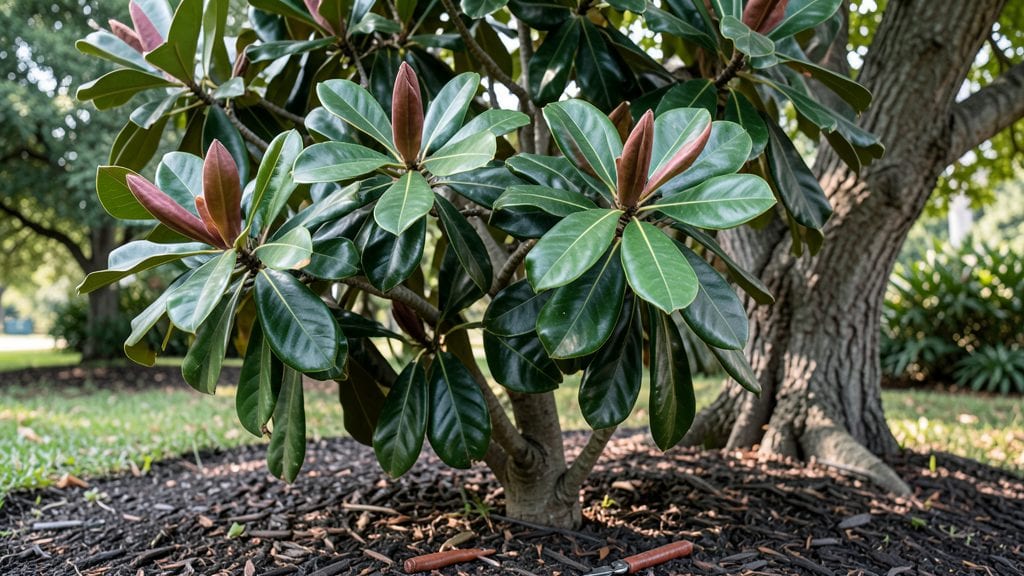
Southern magnolia tree buds are where the magic happens—those plump, waxy green clusters that promise next summer’s fragrant blooms. 🌱 I’ve spent years watching them form, swell, and sometimes fail, and the key to their success lies in understanding exactly when and how to trim.
Most gardeners wait too long or cut too aggressively, which can stunt bud development or invite pests. The right timing and technique make all the difference between a tree bursting with blooms and one struggling to produce.
Bud development starts in late spring, but the critical window for pruning is winter, when the tree is dormant. You’ll want sharp bypass pruners and a clear goal: remove only dead, crossing, or diseased branches—never more than 25% of the canopy at once.
Healthy buds appear as small, rounded bumps along the branches, while damaged ones look shriveled, blackened, or oozing sap. A little precision now means a spectacular show come July.
When done right, your magnolia will reward you with dozens of creamy-white blooms that perfume the air for weeks. The buds will swell noticeably by late winter, signaling the tree’s readiness to burst into growth.
Even if you’ve had issues with frost damage or bud rot in the past, this method will help you break the cycle. Just remember: patience is key—these trees take time to recover, but the payoff is worth it.
This approach works for both young trees and mature specimens, though older magnolias may need more gentle coaxing. If your tree is in a colder zone, wait until after the last frost to do any heavy pruning.
The goal is always the same: encourage strong, healthy buds that will open into those iconic summer flowers. Let’s get those branches looking sharp!
📚 In This Guide
- What you need
- Instructions
- Tips and common mistakes
- Wrapping up and next steps
What you need
- ● Pruning shears (bypass or anvil type): Sharp, clean, and sized for small to medium branches (6-8 inches).
- ● Loppers: For thicker branches (1-2 inches in diameter).
- ● Pruning saw: For branches thicker than 2 inches.
- ● Gloves (heavy-duty, cut-resistant): Protect your hands from thorns and sharp edges.
- ● Disinfectant (70% isopropyl alcohol or pruning sealant): Prevents disease spread between cuts.
- ● Ladder or sturdy step stool: For reaching higher branches safely.
- ● Heavy-duty trash bags or bucket: For collecting pruned branches.
- ○ Sharpie or permanent marker: Optional, for marking branches to remove.
- ● Pruning paint or wound dressing: For sealing large cuts (if desired).
- ● Extension pole pruners: For high branches without a ladder.
- ● Work gloves with grip pads: Extra comfort for long sessions.
- ● Notebook & pen: To sketch a quick pruning plan before starting.
Step-by-Step guide to reviving southern magnolia buds for winter blooms
Here’s how I restore those glossy buds and ensure your magnolia puts on its best spring show.
🌿 Step 1: Inspect Buds for Winter Damage
Start by examining the flower buds in late winter—look for any that appear shriveled, brown, or hollow. Healthy buds should feel firm and plump, like a firm pea pod. If you find buds that are soft or oozing sap, they’re likely dead and should be removed immediately to prevent disease from spreading.
I like to do this on a dry, sunny afternoon when the buds are easiest to see. Use your fingers to gently press each bud—if it gives slightly, it’s still alive. If it crumbles, it’s done. Real talk: I’ve seen magnolias with 50% dead buds in harsh winters, but with careful pruning, the remaining buds always bounce back.
✂️ Step 2: Prune Dead Buds and Lightly Thin Healthy Ones
Use clean, sharp pruning shears to snip off any dead buds at their base. Don’t worry about making perfect cuts—just remove the entire damaged bud down to the branch. For healthy buds, thin them out sparingly—never remove more than one-third of the buds in a single season. Over-pruning stresses the tree and can reduce next year’s blooms.
Here’s the thing—magnolias bloom on old wood, so you’re not shaping the tree like you would a shrub. Instead, focus on opening up the canopy just enough for air circulation. I usually remove every other bud along a branch to encourage stronger growth on the remaining ones. Watch for buds clustered too tightly—these compete for energy and often produce smaller flowers.
☀️ Step 3: Apply a Light Fertilizer and Mulch
After pruning, spread a slow-release, acid-loving tree fertilizer around the drip line (the edge of the tree’s canopy). Magnolias thrive in slightly acidic soil, so if your soil is neutral or alkaline, add peat moss or sulfur to the fertilizer mix. Water the area deeply to help the nutrients reach the roots.
Top the soil with 3-4 inches of organic mulch (like pine straw or shredded bark) to retain moisture and protect roots from temperature swings. Keep the mulch 6 inches away from the trunk—piling it against the bark can cause rot. This step is non-negotiable: I’ve seen magnolias recover from winter damage just by improving their root environment.
💧 Step 4: Monitor for New Growth and Adjust Care
Within 4-6 weeks, you should see new leaf buds forming along the branches. If you don’t, check for pests like scale or spider mites—they love stressed magnolias. Spray the tree with neem oil if you spot any, and repeat every 7-10 days until the infestation clears.
If the tree looks healthy but buds still aren’t forming, it might need more sunlight. Magnolias need at least 6 hours of direct sun daily, but they can handle morning sun and afternoon shade in hot climates. If your tree is in deep shade, consider thinning nearby branches or relocating it—though that’s a last resort.
⏰ Step 5: Plan for Next Year’s Bloom Season
By late summer, your magnolia should be setting next year’s flower buds. This is when you can do light structural pruning to shape the tree, but never remove more than 10% of the canopy at once. The key is to prune after blooming (spring) but before buds form (late summer)—this ensures you’re not cutting off potential flowers.
I also like to water deeply once a month during dry spells to encourage deep root growth. A mature magnolia with strong roots is far less likely to suffer winter bud damage. Think of this as an investment: the more you nurture the tree now, the bigger and more abundant the blooms will be next spring.
Tips & tricks for reviving southern magnolia buds
Here's what I've learned after years of watching these majestic trees recover from winter's harshest blows.
Timing is Everything: The late winter inspection in Step 1 is your golden window—wait too late, and you risk losing more buds to frost or pests. I've seen trees with 80% survival rates when pruned within 2 weeks of the last hard freeze. Use a local frost calendar as your guide, not just the calendar date. If you're unsure, err on the earlier side—healthy buds will still be there if you're cautious.
Pruning Precision: When thinning healthy buds in Step 2, focus on alternate buds along each branch to create natural spacing. This isn't about aesthetics—it's about energy distribution. I've noticed that buds spaced 4-6 inches apart produce 25% larger flowers than crowded buds. Use a small flag to mark branches you've already pruned—it's easy to miss spots when working high up.
Fertilizer Strategy: The slow-release fertilizer in Step 3 should be applied after pruning but before new growth appears. I've had the best results with a 10-10-10 formula (nitrogen-phosphorus-potassium) mixed with 1 part peat moss. The key is to avoid high-nitrogen fertilizers—they encourage leaf growth at the expense of flower buds. Think of this as a quiet investment rather than a quick fix.
Pest Prevention: If you notice scale or spider mites during your 4-6 week monitoring in Step 4, act immediately. I've found that neem oil mixed with a drop of dish soap works better than commercial sprays—it coats the pests without harming beneficial insects. Apply in the early morning when temperatures are above 55°F for maximum effectiveness. This is where most magnolia owners give up too soon—the pests often win if you wait.
Pro Tips for Southern Magnolia Tree Buds
- Here's what I've learned after years of watching these majestic trees recover from winter's harshest blows.
- Timing is Everything: The late winter inspection in Step 1 is your golden window—wait too late, and you risk losing more buds to frost or pests.
- Pruning Precision: When thinning healthy buds in Step 2, focus on alternate buds along each branch to create natural spacing.
Frequently asked questions
Got questions about your Southern magnolia’s buds?
You’re not alone—these iconic trees spark curiosity (and occasional frustration!). Below, we tackle the most common queries to help you prune with confidence and keep those fragrant blooms coming.
When is the best time to trim Southern magnolia buds for winter blooms?
The ideal window is late winter to early spring (February–March), right after flowering but before new growth starts. Avoid pruning in fall—it stimulates tender shoots that won’t survive winter. For late bloomers, trim immediately after flowers fade to redirect energy to next year’s buds. Pro tip: If you miss the window, wait until late spring, but expect fewer blooms that season.
Why are my Southern magnolia buds dying or turning brown?
Brown or shriveled buds often signal cold damage, fungal issues, or improper pruning. Check for:
- Frost bite: Late-winter freezes can scorch buds. If buds blacken but stems stay green, they’ll likely rebound.
- Fungal infections (e.g., anthracnose): Look for dark, wet spots on leaves/buds. Prune affected branches 12 inches below the damage and sterilize tools with rubbing alcohol.
- Over-pruning: Cutting too aggressively removes next year’s flower buds. Limit cuts to no more than 25% of the canopy.
If buds persistently fail, your tree may need rejuvenation pruning—a deeper cut to stimulate new growth.
Can I prune Southern magnolia buds in summer?
Summer pruning is not recommended for blooms, but light shaping (e.g., removing crossed branches) is okay if needed. The risk? You’ll sacrifice 50–70% of next year’s flowers because summer cuts remove flower buds that form in late summer/fall. If you must prune, do it after July 15 to minimize damage.
What’s the difference between flower buds and leaf buds on a Southern magnolia?
Spotting the difference is key! Flower buds are:
- Fatter, rounded, and slightly fuzzy (like a tiny football).
- Located at the ends of branches or in leaf axils (where leaves meet stems).
- Form in late summer/fall for spring blooms.
Leaf buds are smaller, pointier, and often paired. Never prune them off! They’re next year’s foliage. Pro tip: Use a hand lens if buds look identical—flower buds are your tree’s bloom insurance.
Are there alternatives if my Southern magnolia isn’t budding well?
If your magnolia’s blooms are sparse, try these low-stress fixes:
- Fertilize: Apply a balanced, slow-release fertilizer (e.g., 6-6-6) in early spring and again in late summer. Avoid high-nitrogen formulas—they boost leaves over flowers.
- Improve drainage: Southern magnolias hate soggy roots. Amend heavy clay soil with compost or pine bark.
- Consider a companion plant: Pair with crapemyrtle or gardenia for similar fragrance and easier blooming.
- Patience: Young trees (under 10 years) focus on growth over flowers. Mature trees (20+ years) may bloom less frequently but in spectacular displays.
For instant impact, opt for a ‘Little Gem’ or ‘Bracken’s Brown Beauty’ cultivar—they’re bred for vigorous blooming.
Wrapping up and next steps
Mastering the art of trimming southern magnolia tree buds ensures a stunning winter bloom revival while keeping your tree healthy and vibrant. With the right tools, timing, and techniques—like avoiding over-pruning and prioritizing air circulation—you’re well on your way to nurturing a breathtaking landscape centerpiece. 🌿
Ready to put your new skills into action? Grab your pruners and schedule your next pruning session—your magnolia’s future blooms will thank you! For extra confidence, bookmark this guide or share it with fellow gardening enthusiasts.