
Fertilization
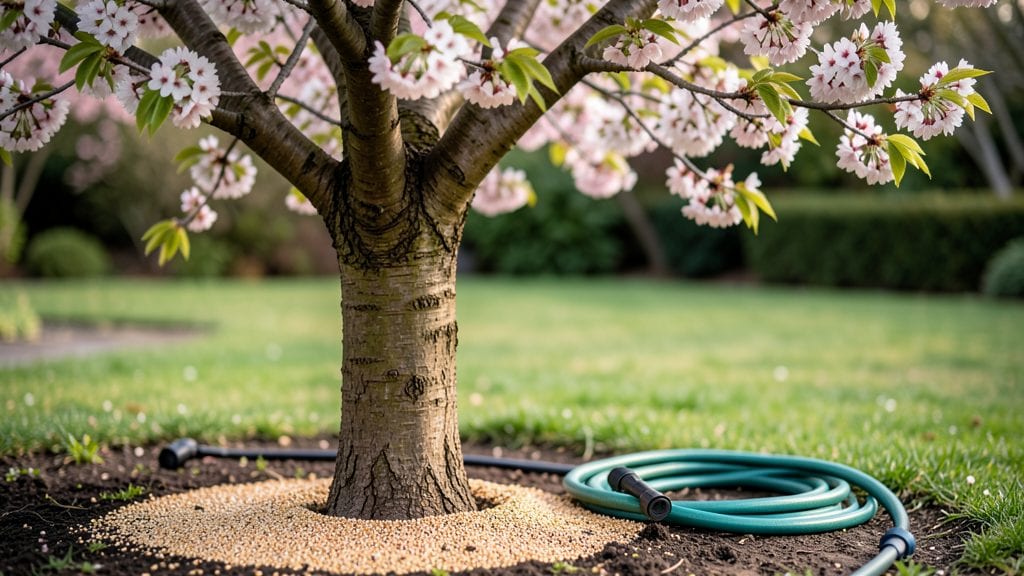
Spring tree fertilization isn’t just about throwing down fertilizer and hoping for the best—it’s about giving your trees the Pacific Northwest-tested nutrient boost they need to thrive after winter’s dormancy. 🌿 I learned this the hard way when my Douglas firs turned yellow after a heavy rain last year, despite my best intentions.
The key? Timing, soil prep, and knowing what your specific trees crave—whether they’re thirsty for nitrogen, phosphorus, or just a gentle organic wake-up call.
Most gardeners wait until late spring, but early spring—right as buds swell—is actually the sweet spot for deciduous trees like maples and fruit trees. Evergreens, though, play by different rules: they prefer a slow-release organic fertilizer in early spring to avoid salt burn.
You’ll need to test your soil first (or at least do a quick visual check for compacted or waterlogged areas) and choose between granular, liquid, or slow-release options—each has its place depending on your tree’s age and health.
What you’ll end up with is trees that burst into vibrant green by midsummer, with stronger roots, better bloom production, and fewer pests. My neighbor’s apple tree, once struggling, now produces bushels of fruit—and the secret was a simple soil test and a balanced fertilizer applied at the right time.
The best part? You’ll avoid the common mistakes that leave trees stressed, like over-fertilizing or using the wrong type for your soil’s pH.
Works for backyard orchards, street trees, or even that lone oak in your front yard. Here’s how to do it right the first time—no guesswork, just lush growth. Let’s get those roots fed!
📚 In This Guide
- What you need
- Instructions
- Tips and common mistakes
- Wrapping up and next steps
What you need
- ● Slow-release granular fertilizer (10-10-10 or 12-12-12 NPK ratio) – 5-10 lbs per 100 sq ft of root zone (adjust for tree size). 💡 Pro tip: Look for organic options like composted manure or alfalfa meal for eco-friendly results.
- ● Organic matter (compost, leaf mold, or aged bark) – 2-3 inches spread evenly around the drip line.
- ● Micronutrient supplement (e.g., iron chelate, manganese sulfate) – Follow label rates for deficiency-prone trees (e.g., rhododendrons, evergreens).
- ● Mulch (pine straw, wood chips, or cedar mulch) – 3-inch layer (keep 6 inches away from trunk).
- ● Garden hose with spray nozzle (for wetting fertilizer before application).
- ● Garden fork or tiller (to loosen soil 6-12 inches deep in the root zone).
- ● Spreaders (broadcast or drop spreader for even fertilizer distribution).
- ● Gloves & knee pads (PNW soil can be tough—protect your hands!).
- ● Measuring tape (to map the drip line—the outer edge of a tree’s branches).
- ● Soil test kit (PNW’s acidic soils may need pH adjustments—aim for 5.5-7.0 for most trees).
- ● Mycorrhizal fungi (boosts root health—mix into soil before planting or top-dressing).
- ● Tree-specific fertilizer (e.g., acid-loving plant blends for azaleas or high-nitrogen for fruit trees).
- ● Rain cover or tarp (if fertilizing before rain—lock in nutrients!).
Step-by-Step guide to spring tree fertilization
Here's how to give your trees the Pacific Northwest-ready nutrient boost they need for vibrant growth.
🌱 Step 1: Test Soil First for Targeted Nutrition
Before adding any fertilizer, grab a soil sample from 6 inches deep around the tree's drip line (the outer edge of the branches). Send it to a local lab or use a DIY test kit—you'll get back data on pH and nutrient levels. Pacific Northwest soils often lack nitrogen and organic matter, so you might need a balanced formula like 10-10-10 or a slow-release organic option.
If your soil tests show low pH (below 6.0), trees like maples and dogwoods will struggle. Sprinkle 2 pounds of garden lime per 100 square feet and water it in before fertilizing. For acidic-loving trees like rhododendrons, skip the lime entirely. The goal is to match the fertilizer to your tree's natural needs—don't guess!
💧 Step 2: Apply Fertilizer at the Right Time and Depth
Wait until the ground thaws and stays above 40°F for a week—usually late March to early April in the PNW. Spread a 2-3 inch layer of compost (or granular fertilizer) in a ring around the tree, starting at the drip line and extending outward. For young trees, use half the recommended dose—over-fertilizing burns roots and stresses trees.
Gently scratch the fertilizer into the top 1-2 inches of soil with a rake. Avoid piling it against the trunk—this can cause root burn and attract pests. Water the area deeply right after application to help nutrients penetrate the soil. You'll know it's working when you see new growth within 4-6 weeks, not when the fertilizer disappears.
✂️ Step 3: Water and Monitor for Growth Signals
After fertilizing, water the tree's root zone with 10-15 gallons of water to activate nutrient uptake. Check the soil moisture weekly—it should feel like a damp sponge, not soggy or bone-dry. Pacific Northwest summers can be unpredictable, so mulch the area with 3-4 inches of wood chips or bark to retain moisture and regulate temperature.
Watch for these signs of success: darker green leaves, new shoots on branches, and stronger root growth (you'll spot it when leaves stay vibrant even in dry spells). If leaves yellow or brown after a few weeks, you may have overdone it—reduce fertilizer next time. For evergreens like cedars or pines, focus on slow-release fertilizers to avoid winter burn.
☀️ Step 4: Adjust Based on Tree Type and Season
Deciduous trees (like maples or oaks) need fertilizer in early spring and again in late summer. Evergreens (like firs or spruces) do best with a single spring feeding. If your tree is newly planted, wait a full year before fertilizing—its roots are still establishing and don't need extra nutrients yet.
Here's the thing—PNW weather throws curves. If a heatwave hits, increase watering to help the fertilizer dissolve. If rain washes it away, reapply half the dose. The key is consistency: better to under-fertilize slightly than risk shocking the tree. A well-fed tree will reward you with lush foliage, stronger branches, and fewer pest problems all season long.
Tips & tricks for perfect spring tree fertilization
Here's what nobody tells you about getting those PNW trees thriving like a pro—without the guesswork.
Timing is Everything: That 40°F threshold isn't just arbitrary—it's when the soil warms enough for roots to wake up from winter dormancy. I've seen too many gardeners rush it in March only to have fertilizer wash away with spring rains. Mark your calendar for late March to early April, and if you're in a cooler microclimate, wait until the ground stays above 40°F for a full week. Trust me, your trees will thank you with stronger growth.
Soil Test Secrets: The instructions mention soil testing, but here's the thing: most DIY kits only show pH. For the full picture, ask your local extension office about comprehensive tests—they'll reveal exactly what nutrients your PNW soil is missing. I once fertilized my maple based on pH alone, only to discover it needed phosphorus too. The test results will tell you whether to go with a balanced 10-10-10 or something more targeted like 5-10-5 for phosphorus-heavy soils.
Application Precision: When you're spreading that 2-3 inch layer of compost in Step 2, think of it like a donut—no fertilizer should touch the trunk. I learned this the hard way when my young cedar developed bark burns from fertilizer piled against it. Use a rake to gently scratch it into the top 1-2 inches of soil, and for young trees, remember to halve the dose. The roots will thank you with better nutrient absorption and less stress.
PNW Weather Watch: Our unpredictable climate means you'll need to adjust on the fly. If a heatwave hits right after fertilizing, increase your watering to 20 gallons (double the recommended 10-15 gallons) to help nutrients dissolve. And if we get those sudden April downpours? Reapply half the dose within a week. The key is paying attention to what Mother Nature throws at us—your trees will grow stronger because of it.
Pro Tips for Spring Tree Fertilization
- Here's what nobody tells you about getting those PNW trees thriving like a pro—without the guesswork.
- Timing is Everything: That 40°F threshold isn't just arbitrary—it's when the soil warms enough for roots to wake up from winter dormancy.
- Soil Test Secrets: The instructions mention soil testing, but here's the thing: most DIY kits only show pH.
Frequently asked questions
Got questions about giving your Pacific Northwest trees the best spring boost?
You’re not alone! Here are answers to the most common queries about spring tree fertilization, from timing to troubleshooting—so your trees thrive without the guesswork.
When is the exact best time to fertilize trees in the PNW?
The ideal window is late winter to early spring (February–April), once the soil thaws but before new growth spikes. For evergreens like Douglas firs, aim for March–April—they’re hungry after winter! Avoid fertilizing if frost is forecasted within 48 hours.
What if I miss the spring window? Can I fertilize later?
Yes, but with caution! A light application in early summer (June) is better than none—but skip heavy feeds in late summer. Over-fertilizing then can stress roots before winter. For slow-release options, split doses: half in spring, half in early fall.
Is organic fertilizer better than synthetic for PNW trees?
Both work, but organic (compost, manure, or fish emulsion) improves soil long-term and mimics natural PNW ecosystems. Synthetic (like 10-10-10) delivers fast results but may need reapplication. Pro tip: Mix organic and synthetic for balanced, sustained growth!
Will rain wash away my fertilizer before trees absorb it?
Rain can dilute granules, but slow-release or water-insoluble fertilizers (like coated prills) stick around. Apply to moist (not soggy) soil and water lightly afterward to activate nutrients. For granular fertilizers, use a rain guard (like a tarp) for 24–48 hours post-application.
My tree’s leaves turned yellow after fertilizing—what went wrong?
Yellowing often signals over-fertilization (too much nitrogen) or root burn from synthetic salts. Flush the soil with water, reduce future doses by half, and switch to organic. If roots are damaged, mulch heavily to protect them. Wait 3–4 months before reapplying fertilizer.
Wrapping up and next steps
Spring tree fertilization is your secret weapon for vibrant, healthy trees in the Pacific Northwest! By choosing the right nutrients—like organic compost, slow-release granules, or liquid feeds—and timing your application just right, you’ll set your trees up for explosive growth all season long. 🌿✨
Ready to see those branches flourish? Grab your gloves, pick your preferred fertilizer, and get out there—your trees will thank you! For even better results, consider repeating the process mid-summer to keep them thriving. Happy gardening!