Pruning
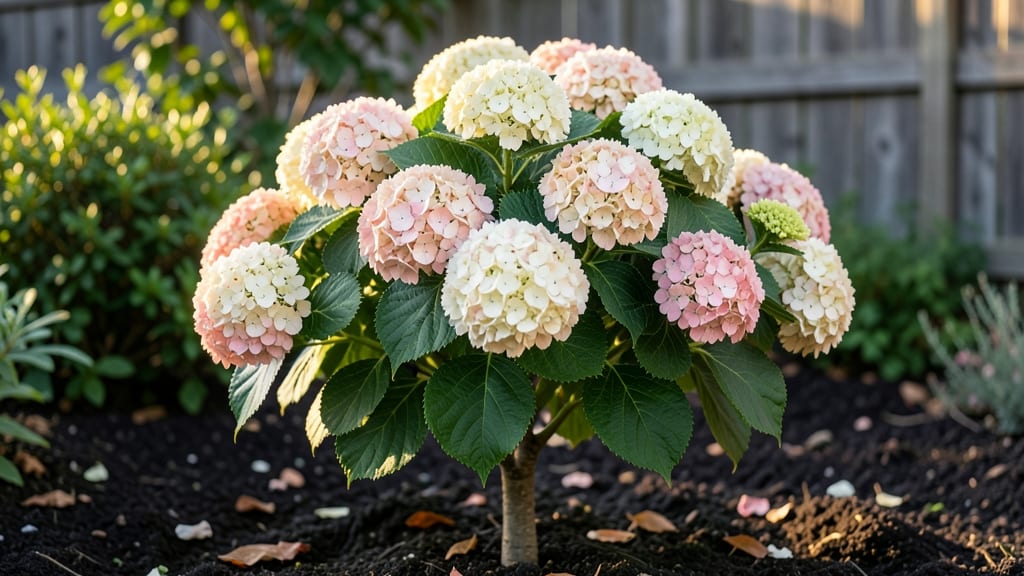
A strawberry vanilla hydrangea tree form turns your Pacific Northwest garden into a fragrant, vertical masterpiece—where creamy blooms and sweet vanilla-scented leaves create a showstopping centerpiece. 🌿 I’ve watched mine transform from a tangled shrub into a graceful, multi-stemmed tree over just two seasons, and the difference in height, structure, and fragrance is night-and-day.
The secret lies in strategic pruning during late winter or early spring, when you shape the main stems into a single, sturdy trunk while encouraging 3-5 strong branches to form the canopy.
This hydrangea thrives in partial shade, making it perfect for woodland gardens or modern courtyards where dappled light filters through.
Pair it with ferns or hellebores for a lush understory, or let it stand alone as a dramatic focal point near patios where you can enjoy its intoxicating aroma up close.
By midsummer, your tree form will burst with football-sized blooms in shades of vanilla cream, their papery petals catching the light like scattered pearls. The scent—like strawberries dipped in vanilla—lingers in the evening air, drawing hummingbirds and bees while keeping deer at bay.
It’s the kind of plant that makes neighbors pause and ask, "What’s that incredible smell?"—and your answer will be, "My hydrangea tree, of course."
Works equally well in cottage gardens, modern minimalist landscapes, or as a small orchard-style accent. The key is patience: a true tree form takes 2-3 years of careful pruning, but the payoff is a plant that becomes the heart of your garden’s story. Ready to shape yours?
📚 In This Guide
- What you need
- Instructions
- Tips and common mistakes
- Wrapping up and next steps
What you need
- ● Hydrangea plant: A healthy Hydrangea macrophylla (bigleaf hydrangea) variety, ideally 3–5 years old, with sturdy stems (4–6" thick). Pro tip: 💡 Choose a plant with at least 3–5 main branches for a balanced tree form!
- ● Pruning shears: Bypass pruners (sharp, clean, and disinfected with 70% isopropyl alcohol) to make precise cuts.
- ● Hand pruners: For smaller branches (avoid dull tools—they crush stems!).
- ● Loppers: For thicker branches (up to 2" diameter).
- ● Rubbing alcohol (70%): To sterilize tools between cuts and prevent disease.
- ○ Pruning sealant (optional): Tree wound paint (like Tanglefoot Tree Wound Pruning Seal) for cuts larger than ½".
- ● Garden gloves: Heavy-duty nitrile gloves (hydrangeas have thorns!).
- ● Stake & ties: 3–4 bamboo stakes (4–5 ft tall) + soft plant ties (to secure the central leader).
- ● String or twine: For guiding branch placement (avoid wire—it can cut into stems!).
- ● Step stool or ladder: For reaching higher branches safely.
- ● Spray bottle with water: To mist cuts and reduce stress on the plant.
- ● Timing: Prune in late winter or early spring (before new growth starts) for best results.
- ● Weather: Choose a dry, overcast day to minimize stress on the plant.
- ● Location: Ensure the hydrangea is in partial shade (6+ hours of dappled light) for optimal blooms and fragrance.
- ● Knowledge: Study your plant’s growth habit! 🌡️ Bigleaf hydrangeas bloom on old wood, so avoid heavy pruning in fall.
Step-by-step guide to crafting a strawberry vanilla hydrangea tree form
Here's how to create a fragrant vertical masterpiece that thrives in Pacific Northwest climates.
🌿 Step 1: Select and Prepare Your Hydrangea Base
Choose a macrophylla hydrangea (bigleaf variety) with strong, flexible stems—this is key for shaping. I prefer established plants with at least 4-5 mature stems, as younger ones may not hold the structure well. Prune back any weak or leggy growth before starting, cutting just above a strong outward-facing bud to encourage branching.
Dig a hole twice as wide as the root ball but only as deep. The crown (where stems meet roots) should sit 1 inch above ground level—this prevents rot in our damp climate. Water deeply before planting to help settle the roots. Here's the thing—hydrangeas hate dry roots, so mulch heavily with 3 inches of organic mulch (like shredded bark) after planting to retain moisture.
🪴 Step 2: Train the Central Vertical Stem
Select the straightest, strongest stem to become your vertical trunk. Tie it to a 6-foot bamboo stake using soft plant ties or strips of old fabric—these won't cut into the stem as wire can. Space ties every 12 inches up the stake. The goal is to grow this stem straight and strong enough to support the horizontal branches later.
Real talk: You'll need patience here. It takes 1-2 growing seasons for the central stem to reach full height. During this time, prune side branches back to 2-3 buds to encourage thicker growth at the base. Watch for new shoots forming at the base—these are your future horizontal branches. Remove all but the strongest 2-3 per stem to avoid overcrowding.
☀️ Step 3: Shape the Horizontal Branches
Once your central stem reaches 4-5 feet tall, it's time to create the starburst effect. Select 4-6 strong lateral branches (those growing outward from the main stem) and tie them horizontally to 4-foot long branches extending from your central stake. Space these branches evenly, about 12 inches apart vertically, to create a balanced look.
Here's where it gets fun—watch the branches grow outward. As they lengthen, gently weave them into a circular pattern around the central stem. You'll see new growth emerging at the tips—these are your future blooms. Prune back any growth that points inward to maintain that perfect starburst shape. Hydrangeas respond well to this training, and you'll see fuller, bushier branches within 6-8 weeks.
💧 Step 4: Maintain Moisture and Fertility
Hydrangeas in the Pacific Northwest need consistent moisture, especially during our dry summers. Water deeply 2-3 times per week during the first growing season, aiming for 1-2 inches of water per week. The soil should feel moist but not soggy—think of a wrung-out sponge. Mulch helps retain this moisture, but don't let it touch the stems to prevent rot.
Feed your hydrangea with a balanced fertilizer (10-10-10) in early spring and again in mid-summer. I like to mix in a handful of compost or worm castings around the base to boost soil fertility naturally. The fragrant blooms you're after thrive on rich, well-draining soil—hydrangeas hate soggy feet, so amend heavy clay soil with peat moss or perlite if needed.
✂️ Step 5: Prune and Refine Annually
Winter is the best time to prune your tree form hydrangea. Cut back any dead or crossing branches first, then shape the horizontal branches to maintain their form. Remove up to 1/3 of the oldest wood to encourage new growth. This is also when you'll see the full structure—prune lightly in late winter to avoid cutting off next year's blooms, which form on last year's growth.
Don't skip this step (I learned the hard way). Overgrown branches lose their shape and can become woody and less productive. After pruning, give your hydrangea a light feeding with high-phosphorus fertilizer (5-10-10) to support bloom development. With consistent care, your strawberry vanilla hydrangea will reward you with fragrant, lush blooms for years to come.
Tips & tricks for perfect strawberry vanilla hydrangea tree forms
Creating a fragrant vertical hydrangea masterpiece takes patience and precision—here's how to avoid common pitfalls and elevate your garden artistry.
Plant Selection: Look for mature macrophylla hydrangeas with at least 4-5 stems that show natural flexibility. Younger plants may lack the structural strength needed for the vertical form. I've found that plants with slightly thicker stems (about pencil thickness) hold their shape better during training. Avoid plants with signs of disease or pest damage—these can weaken your structure over time.
Staking Strategy: The 6-foot bamboo stake is your secret weapon for maintaining perfect vertical alignment. I recommend using two stakes for extra stability, especially in windy Pacific Northwest conditions. Space the ties every 12 inches but adjust as needed—if you notice the stem leaning, tighten the ties on the heavier side. Soft plant ties are crucial; wire can cut into the stem and create wounds that invite disease.
Pruning Precision: When pruning side branches back to 2-3 buds in Step 2, make clean cuts just above the bud at a 45-degree angle. This encourages stronger growth from that exact point. I've seen beginners accidentally cut too close to the bud or leave stubs—both can weaken the new growth. For the horizontal branches in Step 3, prune inward-facing growth immediately to maintain that perfect starburst silhouette. This takes about 6-8 weeks of careful maintenance.
Soil Science: Our Pacific Northwest climate demands special attention to soil drainage. If your planting area has heavy clay soil, mix in 25% peat moss or perlite by volume before planting. The 3 inches of organic mulch is essential—it should extend to the drip line of your mature tree form, not just around the base. This helps maintain consistent moisture while preventing soil compaction that can suffocate roots. The crown should always sit 1 inch above ground level to prevent rot in our damp winters.
Pro Tips for Strawberry Vanilla Hydrangea Tree Form
- Creating a fragrant vertical hydrangea masterpiece takes patience and precision—here's how to avoid common pitfalls and elevate your garden artistry.
- Plant Selection: Look for mature macrophylla hydrangeas with at least 4-5 stems that show natural flexibility.
- Staking Strategy: The 6-foot bamboo stake is your secret weapon for maintaining perfect vertical alignment.
Frequently asked questions
about the Strawberry Vanilla Hydrangea Tree Form—because every gardener deserves clarity! Here are answers to the most common queries to help you cultivate this fragrant beauty with confidence.How fast does the Strawberry Vanilla Hydrangea grow in the Pacific Northwest?
The Strawberry Vanilla Hydrangea typically grows 12–24 inches per year, though growth may slow in cooler PNW summers. With proper pruning (like the tree form technique), it can reach 6–8 feet tall in 3–5 years. Patience pays off—this shrub thrives in the region’s mild climate but rewards steady care with lush, fragrant blooms.
When is the best time to prune it into a tree form?
Prune your hydrangea late winter to early spring (February–March) before new growth emerges. Avoid pruning in fall or during bloom time, as this can stress the plant. For tree form, focus on removing inner branches to create a clear trunk and open canopy. Pro tip: Use sterilized tools and seal cuts with pruning sealant to prevent disease!
Why aren’t my hydrangea blooms as fragrant as they should be?
Fragrance fades if the plant is stressed, overcrowded, or lacks sunlight. Ensure it gets at least 4–6 hours of morning sun and well-draining soil. Over-fertilizing (especially with high nitrogen) can also dull scent. Try lightly mulching around the base and avoiding heavy pruning of flowering stems—these blooms form on old wood!
Can I grow this hydrangea in a container instead of the ground?
The Strawberry Vanilla Hydrangea adapts well to large containers (15+ gallons) with drainage holes. Use a balanced pH soil mix (5.5–6.2) and repot every 2–3 years to refresh nutrients. Just ensure the container stays moist but not soggy—containers dry out faster than ground soil. Bonus: Tree form is easier to maintain in pots!
What pests or diseases should I watch for in PNW gardens?
Common issues include aphids, spider mites, and powdery mildew. Inspect leaves regularly for sticky residue (aphids) or webbing (mites). Treat with neem oil or insecticidal soap. For mildew, improve airflow and avoid overhead watering. Prevention tip: Space plants 3–4 feet apart to reduce humidity buildup and fungal risks.
Wrapping up and next steps
The Strawberry Vanilla Hydrangea Tree Form isn’t just a stunning addition to your Pacific Northwest garden—it’s a fragrant, low-maintenance masterpiece that brings vertical drama and sweet aromas to your outdoor space. 🌸 With the right pruning techniques, you’ll keep it thriving for years, rewarding you with lush blooms and that irresistible strawberry-vanilla scent.
Ready to transform your yard? Grab your pruners and get started—your garden’s starburst awaits!
Next step: Mark your calendar for your first pruning session in early spring—just as new growth begins to emerge! 📅