
Pruning
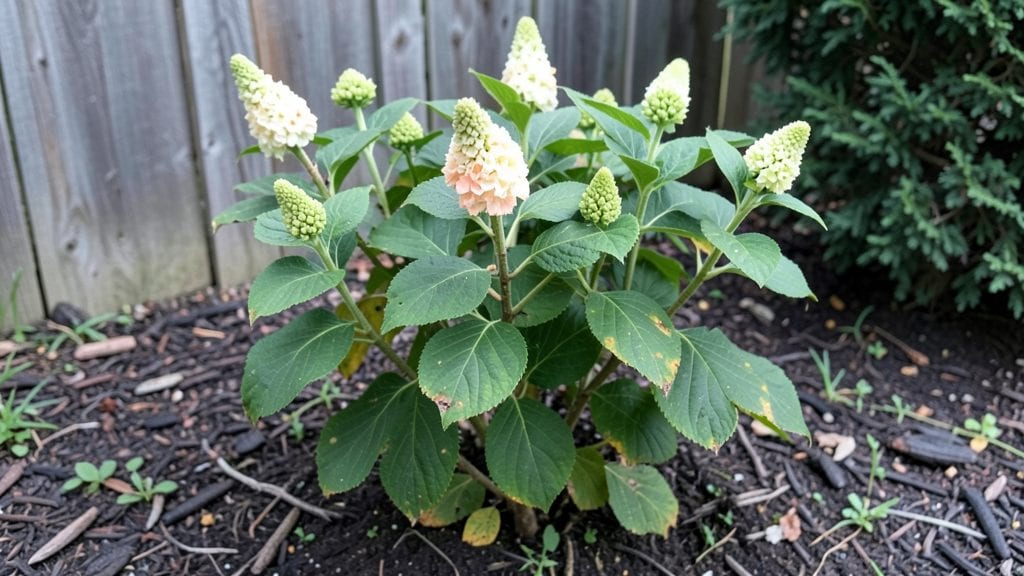
The sweet summer hydrangea tree thrives in the Pacific Northwest's cool, damp climate—its lime-green blooms turning to blush pink by summer's end. I planted mine last spring, and now it's the star of my shady corner, handling frost like a pro.
The secret isn't just the variety; it's knowing when to prune, how much water to give, and which pests to watch for.
This hardy hydrangea needs well-draining soil and morning sun, but it tolerates shade better than most. Space yours 8-10 feet apart so branches grow strong, and water deeply once a week once established.
The real magic happens in late winter when you prune—cutting back 20-30% of the previous year’s growth sends energy straight to those showy panicles.
By summer, you’ll have football-sized blooms that last from July through frost, even in rainy seasons. The foliage stays lush, and deer leave it alone—unlike some fancier varieties. Just watch for powdery mildew in humid summers and snip off affected stems early to keep it thriving.
Works just as well in containers if your yard is small, though it’ll need bigger pots as it grows. The key is patience—these trees take 2-3 years to really shine, but once they do, they’re the talk of the neighborhood. Let’s get yours growing strong!
📚 In This Guide
- What you need
- Instructions
- Tips and common mistakes
- Wrapping up and next steps
What you need
- ○ Pruning shears: Bypass pruners (sharp, clean, and sterilized with rubbing alcohol or bleach to prevent disease). Optional: Loppers for thicker branches.
- ● Gloves: Heavy-duty gardening gloves (protect against thorns and sap).
- ● Disinfectant: 1 part bleach to 9 parts water (for sterilizing tools between cuts).
- ○ Pruning sealant: Optional but helpful for sealing large cuts (e.g., Tanglefoot Pruning Seal).
- ● Garden twine or tape: For marking branches to remove (if needed).
- ● Trash bag or bucket: For collecting pruned branches (compost or dispose of).
- ● Weather check: Prune on a dry, overcast day (avoid midday heat or rain).
- ● Safety gear: Long sleeves/pants (hydrangeas can be thorny!).
- ● Research: Review your tree’s last year’s growth and pruning goals (rejuvenation vs. shaping).
- ○ Optional: A pruning guide or sketch of your tree’s structure (helps visualize cuts).
- ● 🔥 Sharpen your tools: Dull shears crush stems—always test on a scrap branch first!
- ● 🌡️ Work in layers: Remove 1/3 of the oldest wood first, then thin out crowded branches.
- ● ✨ Label branches: Use twine to mark branches to remove if you’re unsure (double-check before cutting!).
How to prune your Sweet Summer hydrangea tree for Pacific Northwest resilience
Here’s the seasonal pruning schedule I’ve used for years to keep my Sweet Summer hydrangeas thriving through PNW winters.
⏰ Step 1: Late Winter Pruning (February-March)
This is the most critical time for shaping your tree. Wait until after the last hard frost, when daytime temperatures consistently stay above 32°F. Look for the first signs of bud swell—tiny green bumps forming at the stem ends. These buds are your growth signal, telling you it’s safe to prune.
Remove one-third of the oldest wood first. These are the thickest, woody stems that no longer produce vibrant blooms. Cut just above a bud or outward-facing branch to encourage outward growth. I always use clean, sharp pruners to avoid tearing the bark, which invites disease. Make cuts at a 45-degree angle about ¼ inch above the bud to prevent water from pooling.
Next, thin out any crossing or rubbing branches. These compete for energy and can create entry points for pests. If you see dead or diseased wood, remove it entirely. Disinfect your pruners with rubbing alcohol between cuts to prevent spreading any potential infections.
✂️ Step 2: Light Summer Pruning (June-July)
After the first flush of blooms appears, do a quick check for any overly leggy or weak growth. These stems won’t support heavy flowers and can flop under rain or wind. Snip them back to a strong lateral branch or bud. This keeps the tree compact and encourages a fuller shape.
If you notice any spent blooms (those turning brown or drying out), remove them completely. Deadheading isn’t just about looks—it redirects the plant’s energy into new growth rather than seed production. Use hand pruners for small stems and loppers for thicker branches, always cutting just above a leaf node or bud.
Here’s the thing—Sweet Summer hydrangeas bloom on old and new wood, so don’t over-prune. You’ll still see flowers even if you skip this step, but light summer pruning keeps the tree looking tidy and healthy for the next season.
🌿 Step 3: Fall Cleanup (October-November)
As temperatures drop below 50°F at night, it’s time for final pruning. Remove any weak, damaged, or diseased branches first. These can harbor pests over winter and weaken the tree next spring. Look for mushy stems, blackened bark, or excessive sap—these are red flags.
Next, trim back any suckers or water sprouts that appear at the base or along the trunk. These steal energy from the main structure. Cut them at the base with a sharp saw if they’re thick, or just pull them by hand if they’re small. Mulch around the base with 2-3 inches of organic mulch (like shredded bark) to protect roots from freezing temperatures.
This is also the time to disinfect your tools one last time before storing them. A 10-minute soak in rubbing alcohol or a 10% bleach solution keeps them ready for next season. Cover the base of the tree with burlap or frost cloth if you’re expecting a hard freeze below 20°F—this extra protection can make all the difference in the PNW’s unpredictable winters.
☀️ Step 4: Winter Protection (December-February)
If your hydrangea is young or in a particularly exposed spot, wrapping the trunk can prevent sunscald and frost cracks. Use tree wrap or burlap, leaving a gap at the top so the tree can breathe. I like to add a layer of evergreen boughs around the base for extra insulation—it also looks festive!
Check for ice buildup during storms. Heavy ice can snap branches, so gently tap them with a broom if needed. Avoid pruning during winter unless you’re dealing with an emergency—waiting until late winter gives the tree time to recover from any stress.
Real talk: Overwintering can feel like a guessing game in the PNW, but consistency is key. Stick to this schedule, and your Sweet Summer hydrangea will reward you with bold, long-lasting blooms year after year. The secret? Prune early, lightly, and often—never all at once.
Tips & tricks for pruning your Sweet Summer hydrangea tree
Pruning your Sweet Summer hydrangea might seem intimidating, but these practical tips will help you navigate the process with confidence—especially in the PNW's unpredictable climate.
Timing is Everything: In Step 1, when waiting for daytime temperatures to stay above 32°F, I recommend checking your local weather forecast for the last hard frost date. If you're in a microclimate (like a sheltered valley), you might be able to prune a week earlier than the general PNW guideline. The key is those bud swells—if they're plump and ready, your tree is telling you it's time. Don't rush this step; cold snaps can set your tree back.
Cutting Technique Matters: When making those 45-degree angle cuts about ¼ inch above the bud in Step 1, I've found that using a pencil to mark your cuts first prevents mistakes. This is especially helpful if you're new to pruning or working with older, thicker branches. The angle helps water run off the cut, reducing the risk of rot. Also, always cut just above a bud that faces outward—this encourages the tree to grow in a full, rounded shape rather than inward where branches might cross.
Tool Maintenance Prevents Problems: The 10-minute disinfection step in Fall Cleanup (Step 3) is non-negotiable if you want to keep your hydrangea healthy. I keep a small bottle of rubbing alcohol in my gardening tool caddy for quick cleanups between cuts. Dirty tools can spread diseases like bacterial leaf spot, which is particularly problematic for hydrangeas. For stubborn sap buildup on your pruners, soak them in warm, soapy water for 15 minutes before disinfecting—the sap can gum up blades over time.
Winter Protection Hacks: For the 20°F freeze protection mentioned in Step 3, I've had great success with a combination of tree wrap and old Christmas lights wrapped around the trunk. The lights provide gentle warmth (they don't need to be on constantly—just during predicted cold snaps). For extra insulation, I use burlap sacks filled with straw around the base. This double protection has saved my young trees during some brutal PNW winters when temperatures dropped unexpectedly.
Pro Tips for Sweet Summer Hydrangea Tree
- Pruning your Sweet Summer hydrangea might seem intimidating, but these practical tips will help you navigate the process with confidence—especially in the PNW's unpredictable climate.
- Timing is Everything: In Step 1, when waiting for daytime temperatures to stay above 32°F, I recommend checking your local weather forecast for the last hard frost date.
- Cutting Technique Matters: When making those 45-degree angle cuts about ¼ inch above the bud in Step 1, I've found that using a pencil to mark your cuts first prevents mistakes.
Frequently asked questions
When is the best time to prune my Sweet Summer Hydrangea?
The ideal time is late winter or early spring (February–March), just as new growth begins. Avoid pruning in fall or winter, as this can damage buds forming for next year’s blooms. For light shaping, you can trim after flowering in summer—but never cut back more than ⅓ of the plant at once!
How cold-hardy is this tree, and do I need to protect it in winter?
Sweet Summer Hydrangeas are USDA Zones 4–9 hardy, making them perfect for the PNW’s chilly winters. No extra protection is needed unless you’re in a microclimate with extreme winds or late frosts. A 3-inch layer of mulch around the base helps insulate roots—but avoid piling it against the trunk.
Can I prune too much? What if I accidentally cut back too far?
Yes! These hydrangeas bloom on new wood, so never remove more than ⅓ of the plant in one go. If you over-prune, don’t panic—focus on healthy stems next year, and your tree will bounce back. For severe cuts, fertilize lightly in spring to encourage regrowth.
Why aren’t my hydrangeas blooming as much as last year?
Common culprits include over-pruning, underwatering, or poor soil. Check for dead or leggy stems—these can sap energy. Amend soil with organic matter, ensure 1–1.5 inches of water weekly, and avoid heavy fertilizers (they promote leaves over flowers).
Are there similar PNW-friendly hydrangeas I could try instead?
If Sweet Summer isn’t your vibe, consider these cold-resistant PNW alternatives:
- Oakleaf Hydrangea (H. quercifolia): Stunning fall color, Zone 5–9.
- Panicle Hydrangea (H. paniculata): Late-season blooms, drought-tolerant.
- Bigleaf Hydrangea (H. macrophylla): Classic mopheads, but needs winter mulch.
Wrapping up and next steps
The Sweet Summer Hydrangea Tree is a stunning, cold-resistant gem perfect for the Pacific Northwest’s climate—and with the right pruning care, it’ll reward you with vibrant blooms year after year. 🌸 By following this seasonal pruning calendar, you’ll keep your tree thriving, encourage lush growth, and avoid common pitfalls like over-trimming or missed deadheading.
Now that you’re armed with the tools, timing, and techniques, there’s no better moment to roll up your sleeves and give your hydrangea the love it deserves!
Ready to transform your garden? Pick a sunny weekend, gather your supplies, and start pruning—your hydrangea (and your neighbors!) will thank you. 🌿