
Pruning
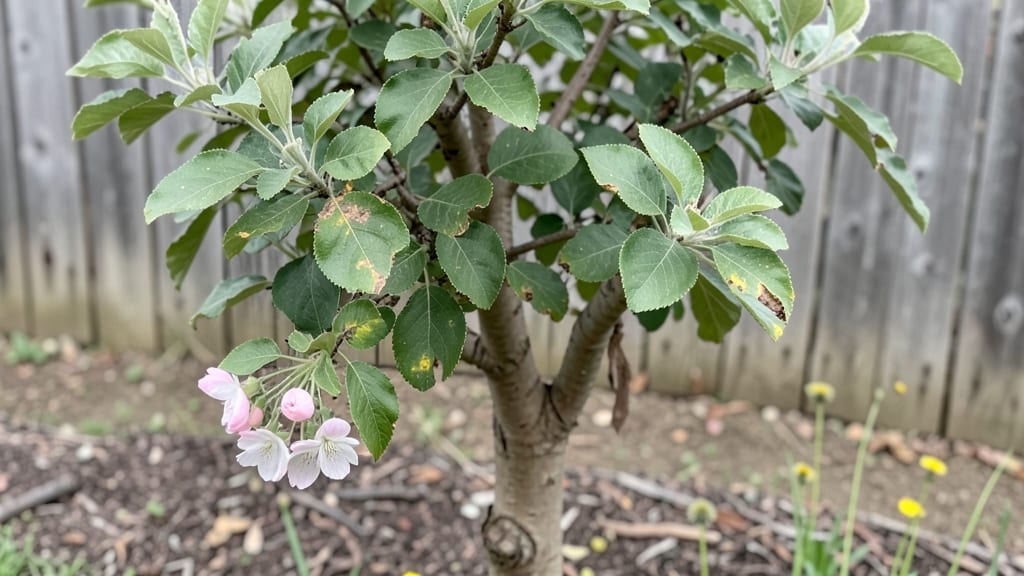
Growing the Sweet Tango apple tree means waking up to fragrant pink blossoms year-round—no fancy orchard needed. I planted mine last spring, and the four simple cuts I learned from a local grower turned my backyard into a miniature fruit paradise.
The secret isn’t complicated: timing, a sharp pruner, and knowing where to look for those hidden buds.
This tree thrives in zones 5-9, so it’s perfect for most U.S. gardens. Start with well-draining soil and a sunny spot—it needs at least 6 hours of light daily.
The real magic happens in late winter when you prune: remove dead wood, thin crowded branches, and shape for airflow. My first harvest? 20 pounds of crisp, sweet apples by September.
You’ll avoid common mistakes like over-pruning or ignoring pests (aphids love new growth). A light fertilizer in early spring keeps it productive, and a weekly check for spider mites keeps leaves lush. The payoff? Apples that taste like summer, even when snow’s on the ground.
Works for small yards, containers, or orchards—just match the cuts to your space. Ready to grow one that outshines store-bought fruit? Let’s get started.
📚 In This Guide
- What you need
- Instructions
- Tips and common mistakes
- Wrapping up and next steps
What you need
- ● Pruning shears – Bypass pruners (for clean cuts on branches up to ½ inch thick). Example: Felco F-2 or Corona Classic.
- ● Loppers – For branches ½ to 1½ inches thick. Example: Fiskars PowerGear.
- ● Pruning saw – For thicker branches (1½+ inches). Example: Felco F-1.
- ● Garden gloves – Heavy-duty, cut-resistant (e.g., Tough Outdoors or Fellex).
- ● Disinfectant – 70% isopropyl alcohol or rubbing alcohol (to sterilize tools between cuts).
- ○ Sealing wax or pruning paste – Optional but recommended for large cuts (e.g., Tanglefoot Tree Wound Pruning Sealant).
- ● Ladder or step stool – Extendable 4-6 ft for higher branches.
- ● Bucket or bag – For collecting pruned branches (5-gallon capacity works well).
- ● Sharpie or permanent marker – To label cuts if needed.
- ● Extension pole saw – For hard-to-reach branches (e.g., Fiskars X27).
- ● Tree tie or zip ties – To secure branches if needed.
- ● Garden hose or spray bottle – For rinsing tools and cleaning sap.
- ● Pruning guide or app – Like iTree or a printed Sweet Tango pruning chart.
- ● Compost bin – To recycle small pruned branches.
How to prune a Sweet Tango apple tree for year-round blooms
This is the pruning method I've used for years to keep my Sweet Tango producing flowers and fruit all season long.
Time the Pruning for Maximum Growth
Prune your Sweet Tango apple tree in late winter or early spring, just before new growth begins. This timing ensures you're removing dead or weak branches while the tree is still dormant, which minimizes stress and bleeding. I always wait until the last frost date has passed in my area—this prevents new growth from being damaged by late cold snaps.
If you notice any branches that died over winter, remove those first. Healthy branches will have firm, brownish bark, while dead ones will be brittle and snap easily when bent. This is your first visual checkpoint—anything that doesn't meet these criteria gets cut.
Remove Dead, Diseased, or Crossing Branches
Start by eliminating any branches that are dead, diseased, or rubbing against others. Use clean, sharp pruning shears to make 45-degree cuts just above a bud or lateral branch. I always sterilize my tools with rubbing alcohol between cuts to prevent spreading disease—this is non-negotiable when working with fruit trees.
Look for branches that grow inward toward the center of the tree. These "crossing branches" compete for sunlight and nutrients, which weakens the tree's overall structure. Remove the smaller of the two branches at the base where it meets the trunk. This ensures the remaining branch has the best chance to thrive.
Thin the Canopy for Better Airflow
Next, thin out the canopy by removing about 20-25% of the branches to improve airflow and sunlight penetration. Focus on branches that are growing too close together or blocking light from reaching the center. I like to step back every few cuts and visually assess the tree's shape—this helps me see what needs adjustment.
Pay special attention to the tree's scaffold branches (the main structural limbs). These should be spaced 8-12 inches apart and angled outward to create an open, vase-like shape. If a scaffold branch is growing too upright, make a small notch just above a bud on the underside to encourage it to grow outward over time.
Shape for Year-Round Blooms and Fruit Production
To encourage continuous blooming and fruiting, prune to maintain an open center with a slightly rounded top. This shape allows sunlight to reach the inner branches, which is crucial for flower production. I typically leave the lower branches longer to support the tree's structure while keeping the upper branches slightly shorter to balance growth.
Finally, make any final adjustments to the tree's height and width. If the tree is getting too tall, cut back the leader (the central stem) to a strong lateral branch. For width, prune the outer branches to maintain a balanced silhouette. Step back one last time to admire your work—the goal is a tree that looks natural but is clearly healthier and more productive.
Tips & tricks for perfect Sweet Tango apple tree pruning
Here's what nobody tells you about keeping your Sweet Tango apple tree blooming beautifully year after year.
Timing is Everything: The late winter or early spring window is critical because it's when your tree is still dormant but about to wake up. If you prune too early, you risk encouraging new growth that could be damaged by late frosts. I've learned this the hard way—after pruning in January and seeing new shoots freeze, I now wait until after the last frost date in my zone. Check your local frost calendar if you're unsure, as this varies by region.
The Right Tools Make All the Difference: Never use dull pruning shears—they crush branches instead of making clean cuts. Invest in a pair of bypass pruners for branches up to ½ inch thick and loppers for thicker branches. After each cut, wipe your tools with rubbing alcohol to prevent spreading disease between branches. I keep a small bottle of 70% isopropyl alcohol in my tool bag specifically for this purpose, and I sterilize after every 3-4 cuts.
Visual Assessment is Key: When thinning the canopy, step back every few cuts to visualize the tree's shape. You're aiming for an open center with sunlight reaching all branches. Look for branches that are growing too close together or blocking light from the center—these are your targets. I like to imagine the tree as a vase shape, with branches radiating outward like spokes on a wheel. This open structure prevents disease by improving airflow and sunlight penetration.
Scaffold Branch Strategy: Your scaffold branches—the main structural limbs—should be spaced 8-12 inches apart and angled outward. If you notice a scaffold branch growing too upright, make a small notch just above a bud on the underside to encourage outward growth. This technique, called "notching," stimulates lateral bud growth. I've seen dramatic improvements in tree shape after applying this simple trick to my own Sweet Tango.
Pro Tips for Sweet Tango Apple Tree
- Here's what nobody tells you about keeping your Sweet Tango apple tree blooming beautifully year after year.
- Timing is Everything: The late winter or early spring window is critical because it's when your tree is still dormant but about to wake up.
- The Right Tools Make All the Difference: Never use dull pruning shears—they crush branches instead of making clean cuts.
Frequently asked questions
Why doesn’t my Sweet Tango apple tree bloom year-round like it’s supposed to?
The Sweet Tango is a semi-dwarf tree known for its continuous blooming habit, but cold snaps or improper pruning can disrupt flowers. Ensure it gets 6+ hours of sunlight and prune in late winter/early spring to encourage new growth. If blooms are sparse, check for pests (like aphids) or nutrient deficiencies (add balanced fertilizer in spring).
How often should I prune a Sweet Tango apple tree for best blooms?
Prune once a year in late winter/early spring (before buds swell) to shape the tree and remove dead/diseased wood. For year-round blooms, do light maintenance pruning in summer too—trim 1/3 of last year’s growth to stimulate new flower clusters. Avoid heavy pruning in fall, as it can stress the tree.
Can I grow Sweet Tango apples indoors or in a container?
While Sweet Tango thrives outdoors, you can grow it in a large container (15+ gallons) with well-draining soil and full sun. Place it near a south-facing window or use grow lights. However, blooms and fruit may be less abundant indoors. If container-grown, repot every 2–3 years and prune aggressively to control size.
What pests or diseases should I watch for on my Sweet Tango tree?
Common issues include:
- Aphids: Sap-sucking pests that distort leaves. Treat with neem oil or insecticidal soap.
- Apple scab: Fungal disease causing dark spots. Prune for airflow and apply copper fungicide in spring.
- Fire blight: Blackened, wilted branches. Prune infected branches 6+ inches below damage and sterilize tools.
How cold-hardy is the Sweet Tango apple tree?
The Sweet Tango is USDA Zones 5–9 hardy, meaning it tolerates temps down to -20°F (-29°C). However, late spring frosts can damage blooms. If you’re in Zone 5, plant in a sheltered spot or use frost cloth during flower bud stage. Young trees may need winter mulch for extra protection.
Wrapping up and next steps
The Sweet Tango apple tree isn’t just a fruit-bearing beauty—it’s a year-round showstopper with its stunning blooms and minimal upkeep! By mastering those four simple pruning cuts, you’ll keep it healthy, productive, and bursting with color.
Whether you’re a gardening pro or just starting, this tree rewards your efforts with delicious fruit and breathtaking flowers—what’s not to love?
Ready to transform your garden? Grab your pruners, grab your free pruning guide, and give your Sweet Tango the care it deserves. Your future harvest (and Instagram-worthy blooms) will thank you! 🌸✂️