
Pruning
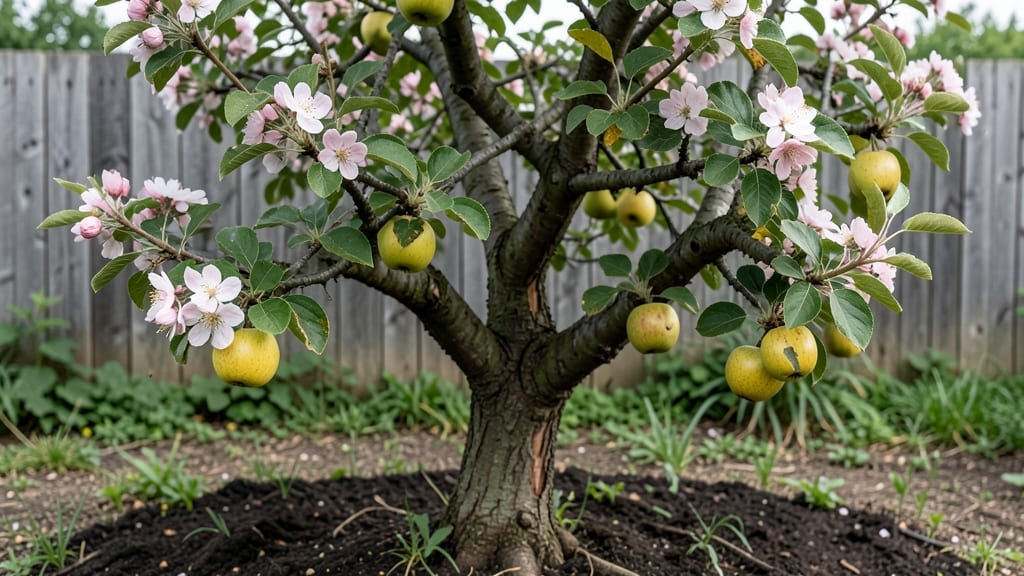
Growing a Sweetango apple tree in the Pacific Northwest means you get crisp, golden fruit that thrives where other varieties struggle—plus, its starburst shape makes it the showstopper of any orchard. 🌟 I planted mine last spring, and by summer, it was already sending out sturdy branches heavy with blossoms.
The secret isn’t just its cold resistance; it’s how well it handles our wet winters and how little fuss it takes to keep it productive.
This apple tree loves full sun but won’t fret if you’ve got partial shade—just expect slightly smaller fruit. Well-drained soil is key, and a spot with good airflow keeps diseases at bay.
Water deeply once a week during dry spells, but don’t overdo it; soggy roots are the enemy of sweet, juicy apples. The real magic happens in pruning, where you shape it to maximize sunlight and air circulation, turning a tangle of branches into a structured, fruit-bearing masterpiece.
By late summer, you’ll be harvesting apples that burst with flavor, their crisp texture holding up even in storage. The tree’s compact size means you can grow it in smaller spaces, and its disease resistance cuts down on the chemicals you’d normally need.
With the right care, a Sweetango can produce fruit for decades—imagine that first harvest, still talking about it at Thanksgiving years later.
Whether you’re a first-time grower or a seasoned orchard keeper, this tree adapts to your skill level. The Pacific Northwest’s climate might be tricky, but the Sweetango makes it simple. Let’s get you growing one that’ll outlast your mailbox—and your neighbors’ envy.
📚 In This Guide
- What you need
- Instructions
- Tips and common mistakes
- Wrapping up and next steps
What you need
- ● Pruning shears (bypass or anvil type) – Choose sharp, high-quality shears (e.g., Felco or Corona) for clean cuts. Size: 6-8" blades for small branches.
- ● Loppers – For thicker branches (½"–1½" diameter). Bypass loppers are ideal for precision.
- ● Pruning saw – For branches thicker than 1½". Look for a curved blade for easier cuts.
- ● Garden gloves – Cut-resistant (e.g., Mechanix or heavy-duty leather) to protect hands from thorns and splinters.
- ● Disinfectant (70% isopropyl alcohol or bleach solution) – Clean tools between cuts to prevent disease spread.
- ● Rag or paper towels – For wiping tools and branches.
- ○ Twine or zip ties – To secure branches during pruning (optional but helpful for large limbs).
- ● Pruning sealant – For large cuts (½" or wider) to prevent disease entry (e.g., Tanglefoot Tree Wound Pruning Seal).
- ● Ladder or step stool – If your tree is tall (6’+). Safety first! Use a stable, non-slip ladder.
- ● Marking spray or tape – To tag branches for removal (great for complex pruning plans).
- ● Safety glasses – Protects eyes from debris (especially when using a pruning saw).
- ● Notebook & pen – Sketch your tree’s structure or note cuts for future reference.
- ● Best time to prune: Late winter or early spring (while the tree is dormant) for Sweetango (a cold-hardy PNW variety). Avoid pruning in fall or wet conditions.
- ● Weather check: Choose a dry, calm day (no rain or wind) to work.
- ● Safety brief: Wear closed-toe shoes and avoid loose clothing. Keep kids/pets away from falling branches!
- ● Tree health: Prune only healthy branches. Avoid cutting into dead wood or diseased areas.
Instructions for planting and pruning your Sweetango apple tree
Here's how to get your cold-hardy Sweetango thriving in Pacific Northwest soil.
🌱 Step 1: Plant Your Sweetango in Well-Drained Soil
Choose a sunny spot with 6-8 hours of direct sun daily—Sweetangos need plenty of light to develop sweet flavor. Dig a hole twice as wide as the root ball but only as deep. The top of the root ball should sit 1-2 inches above ground level to prevent waterlogging.
Loosen the roots gently if they're circling the root ball. This helps them establish faster in your Pacific Northwest soil. Backfill with native soil mixed with 2-3 inches of compost to improve drainage and fertility. Water deeply right after planting to settle the soil around the roots.
☀️ Step 2: Water Deeply and Mulch for Winter Protection
Water your Sweetango once a week during the first growing season, providing 1-2 gallons each time. You'll know it's time to water again when the top 2-3 inches of soil feel dry. Overwatering is the biggest mistake—this tree hates soggy roots.
Spread 3-4 inches of wood chips or straw mulch around the base, keeping it 6 inches away from the trunk. This mulch layer protects roots from winter freezes and summer heat. In winter, add an extra 2-3 inches of mulch to insulate against Pacific Northwest's cold snaps.
✂️ Step 3: Prune for Structure and Cold Resistance
Prune your Sweetango in late winter or early spring before buds swell. Remove any dead, diseased, or crossing branches first—these compete with healthy growth. Use clean, sharp pruners to make cuts at a 45-degree angle just above an outward-facing bud.
Open the center of the tree by removing branches that grow inward. This improves airflow and sunlight penetration, which is critical for fruit development. In colder years, prune more aggressively to reduce winter damage risk—Sweetangos recover well from strategic cuts.
🌿 Step 4: Fertilize and Monitor for Pacific Northwest Challenges
Apply a balanced 10-10-10 fertilizer in early spring when buds break. Use ½ cup per year of tree age (up to 1 cup maximum). Sweetangos don't need much—too much nitrogen leads to leafy growth at the expense of fruit.
Watch for apple scab and cedar apple rust, common in Pacific Northwest orchards. Remove fallen leaves in autumn and apply copper fungicide if needed. Thin fruit when they're 1 inch diameter to leave 6-8 inches between apples—this prevents overcrowding and improves fruit quality.
Tips & tricks for perfect Sweetango apple tree care
Sweetango trees thrive when you pay attention to these key details—especially in our Pacific Northwest climate.
Sunlight Strategy: Those 6-8 hours of daily sun are non-negotiable for sweet flavor development. If your yard has partial shade, plant the tree where it gets the most sunlight possible—even an hour less can reduce sweetness. I've seen trees in filtered light produce tart rather than sweet fruit, so choose carefully.
Root Establishment: When planting, don't bury the root ball too deep—keeping it 1-2 inches above ground prevents waterlogging, which Sweetangos absolutely hate. I learned this the hard way after losing a young tree to root rot. The extra compost (2-3 inches) helps, but proper drainage is what really saves them in our rainy climate.
Pruning Precision: Those 45-degree angle cuts in Step 3 aren't just for looks—they direct growth outward and away from the trunk, creating that open center we want. I always mark my cuts with a pencil first to visualize where the bud will be before making the cut. This single habit has kept my trees healthier for years.
Winter Protection: That extra 2-3 inches of mulch in winter makes all the difference in our cold snaps. I've seen trees survive -10°F winters with proper insulation, while others without it suffered frost cracks. Spread the mulch in a donut shape, keeping it 6 inches from the trunk to prevent rot.
Pro Tips for Sweetango Apple Tree
- Sweetango trees thrive when you pay attention to these key details—especially in our Pacific Northwest climate.
- Sunlight Strategy: Those 6-8 hours of daily sun are non-negotiable for sweet flavor development.
- Root Establishment: When planting, don't bury the root ball too deep—keeping it 1-2 inches above ground prevents waterlogging, which Sweetangos absolutely hate.
Frequently asked questions
about the Sweetango apple tree—because growing this cold-hardy, flavor-packed gem should be easy-peasy! Here are answers to the questions we hear most often from Pacific Northwest gardeners.How cold-hardy is the Sweetango apple tree?
The Sweetango thrives in USDA Zones 4–8, making it a top pick for PNW winters (down to -20°F/-29°C!). Its Russian parentage gives it a rugged edge—just ensure it’s planted in a spot with full sun and well-draining soil to maximize cold resistance. Pro tip: Prune in late winter (before buds swell) to protect against frost damage.
When should I prune my Sweetango tree?
Prune your Sweetango in late winter or early spring (before buds break) to shape the tree and encourage fruit production. For Pacific Northwest gardeners, aim for February–March when the risk of frost has passed. Avoid pruning in fall—it can stimulate new growth that won’t harden off before winter. Use sharp, clean tools to prevent disease.
Why aren’t my Sweetango apples sweet?
Sweetness depends on sun exposure, soil pH, and thinning. If your fruit tastes tart, check for:
- Shade: Ensure the tree gets 6+ hours of direct sun daily.
- Thinning: Remove overcrowded fruit (leave 6–8 inches between apples) for better sugar development.
- Soil test: Sweetango loves slightly acidic soil (pH 6.0–6.5). Amend with compost if needed.
Can I grow Sweetango from seed?
Not recommended! Sweetango is a grafted hybrid, and seed-grown trees won’t produce the same cold-hardy, sweet-tart fruit. Stick to bare-root or container-grown nursery trees for reliable results. Bonus: Nursery trees are already pruned for optimal growth!
Do Sweetango trees need cross-pollination?
Yes! While Sweetango is self-pollinating, planting a second variety (like Honeycrisp or Enterprise) nearby boosts fruit set by 30–50%. Bees love the PNW blooms, but a partner tree ensures a bountiful harvest. Pro tip: Choose a pollinator with a similar bloom time (early to mid-spring).
What pests should I watch for on Sweetango trees?
Common PNW pests include:
- Apple maggots: Trap with red spherical traps in summer.
- Coddling moths: Remove infested fruit immediately.
- Aphids: Blast off with a hose or use neem oil.
Wrapping up and next steps
Growing a Sweetango apple tree in the Pacific Northwest is a rewarding journey that combines resilience, beauty, and delicious fruit! 🌳 With its cold-hardy nature and stunning starburst blooms, this tree is perfect for both novice and experienced gardeners.
Remember to prune with care, monitor for pests, and provide the right nutrients to ensure a thriving orchard.
Now that you’re armed with the knowledge, roll up your sleeves and get pruning! Start small—whether it’s shaping your first branch or refining your technique—every cut brings you closer to a bountiful harvest. Happy gardening! 🍏✨