
Size
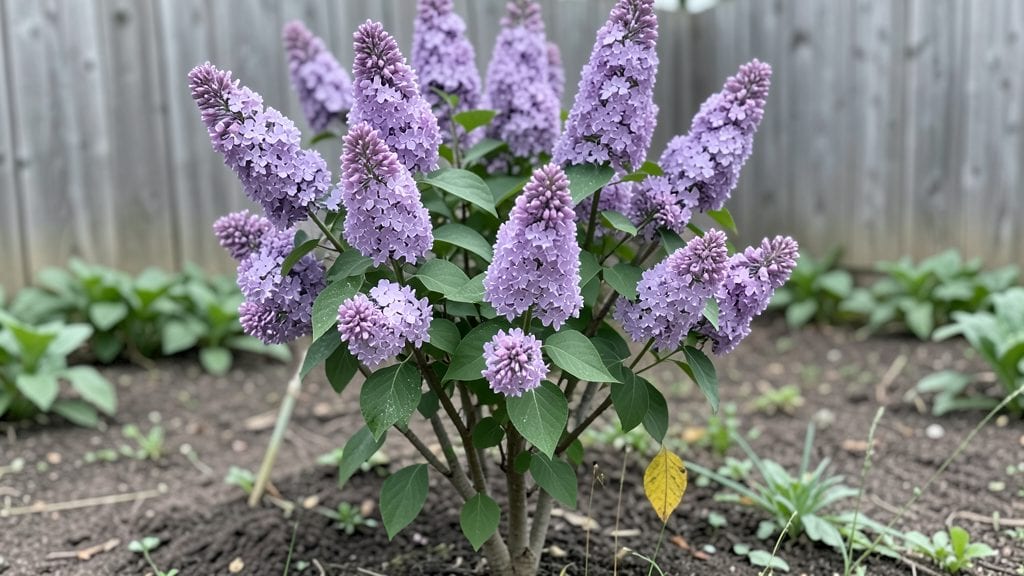
A tall lilac tree in your Pacific Northwest garden isn’t just a plant—it’s a fragrant, frost-proof centerpiece that transforms any space. 🌿 I planted mine near the front walkway, and now it’s the first thing visitors notice, its purple spikes perfuming the air in late spring.
The way it towers over shrubs while still blending into the landscape makes it the perfect statement piece.
This isn’t just about looks, though. Lilacs thrive in PNW’s chill winters and damp summers, making them low-maintenance stars. They work as privacy screens, entryway frames, or even a dramatic border—just give them 10-15 feet of space to stretch their branches without crowding neighbors.
Pair them with shade-tolerant perennials like hostas or ferns to highlight their height while keeping the base lush.
By late May, your yard will smell like childhood memories with every breeze. The flowers attract bees and butterflies, while the glossy foliage adds texture year-round. Even in winter, its sturdy branches hold interest.
For maximum impact, plant it where it gets morning sun—just enough to fuel those fragrant blooms without scorching the leaves.
Pro tip: Prune right after flowering to keep it compact and encourage next year’s blooms. My tree now gets compliments from neighbors—and I’ve never had to water it more than once a week. The best part? It keeps getting better with age, turning into a living monument that’s all yours.
📚 In This Guide
- What you need
- Instructions
- Tips and common mistakes
- Wrapping up and next steps
What you need
- ● Tall lilac tree: Choose a Syringa species like Syringa meyeri 'Palibin' (6–10 ft) or Syringa villosa 'Krasavitsa' (8–12 ft) for cold-hardy, fragrant blooms. Nursery-grown, 2–3 gallon container size (for easier transplanting).
- ● Planting site: Full sun (6+ hours/day)
- ● Well-draining soil (amend with compost if clay-heavy)
- ● Space: 8–12 feet from structures/walls (lilacs need room to thrive!)
- ● Tools: Shovel (round-point or digging spade)
- ● Garden trowel (for root adjustments)
- ● Pruning shears (sterilized, sharp)
- ● Wheelbarrow (for soil/amendments)
- ● Garden hose or watering can (with spray nozzle)
- ○ Soil amendments (optional but helpful): 5–10 lbs of 50/50 peat moss/perlite mix (for drainage)
- ● 2–3 lbs of balanced fertilizer (10-10-10) (sprinkle in planting hole)
- ● Mulch: 2–3 inches of wood chips or pine bark (retains moisture, regulates soil temp)
- ● Tree stake: 1–2 stakes + soft tie (if planting in windy areas)
- ● Drip irrigation kit (for consistent watering post-planting)
- ● Garden gloves (to protect hands from thorns/rough bark)
- ● Slow-release fertilizer tablets (for long-term nutrient boost)
Step-by-step guide to planting a tall lilac tree for Pacific Northwest climates
Here's how I plant these fragrant giants for years of low-maintenance beauty.
🌱 Step 1: Choose the Perfect Planting Location
Lilacs thrive in full sun—pick a spot with at least 6-8 hours of direct sunlight daily. In the Pacific Northwest's cooler climate, they'll appreciate morning sun and afternoon shade if summers get hot. Avoid low spots where cold air settles, as lilacs can suffer from late frosts.
Test the soil by digging a 12-inch deep hole. Lilacs prefer well-draining soil with a pH between 6.0-7.0. If your soil is heavy clay, amend it with 2-3 inches of compost mixed into the top 6 inches of soil. You'll know you've picked the right spot when the area stays dry after rain and gets good airflow.
🪴 Step 2: Prepare the Planting Hole and Tree
Dig a hole that's twice as wide as the tree's root ball but no deeper. Loosen the roots gently if they're circling the root ball—this encourages outward growth. Remove the tree from its container and let the roots soak in a bucket of water for 10-15 minutes before planting to help them settle.
Set the tree in the hole so the top of the root ball sits 1-2 inches above ground level. This prevents water from pooling at the base and rotting the roots. Fill the hole halfway with native soil, then water deeply to remove air pockets. The soil should settle about 1 inch when watered.
☀️ Step 3: Plant and Water for Establishment
Backfill the hole with the remaining soil, tamping down gently as you go. Create a 2-inch deep watering basin around the base to direct water to the roots. Water immediately after planting to help the soil settle around the roots—you'll see the soil level drop slightly as it compacts.
Give the tree 1-2 gallons of water right after planting, then 1 gallon every 2-3 days until new growth appears. Mulch with 2-3 inches of wood chips in a 3-foot diameter circle around the tree, keeping mulch 6 inches away from the trunk to prevent rot. The mulch will help retain moisture and regulate soil temperature.
✂️ Step 4: Prune for Strong Growth and Blooms
Wait until late spring or early summer after flowering to prune. Remove any dead, diseased, or crossing branches first. Then, cut back last year's growth by 1/3 to encourage new, vigorous growth. You'll see fresh green shoots emerge within 2-3 weeks of pruning.
Shape the tree lightly by removing any branches that grow inward or rub against each other. Lilacs bloom on old wood, so avoid heavy pruning in late summer or fall—this can reduce next year's flowers. After pruning, apply a balanced fertilizer (10-10-10) to support new growth.
Tips & tricks for planting a tall lilac tree
Here's what I wish I knew before planting my first lilac—these small details make all the difference for long-term success.
Sunlight Strategy: In the Pacific Northwest's variable weather, I've learned to prioritize morning sun exposure over afternoon. If your spot gets intense afternoon sun, consider a light shade cloth during peak summer hours to protect tender new growth. The 6-8 hours of sunlight should be spread throughout the day, not all concentrated in the afternoon when temperatures climb.
Root Ball Prep: That 10-15 minute root soak before planting is non-negotiable—it makes a dramatic difference in root establishment. I like to add a root stimulator to the water during this soak (like a diluted seaweed solution) for an extra boost. This helps the roots absorb moisture immediately after planting, which is especially important in our region's often dry summers.
Watering Wisdom: The 1-2 gallons of water right after planting might seem like a lot, but it's crucial for settling the soil around the roots. I've seen many trees fail because people skip this critical step. After the initial watering, maintain that 1 gallon every 2-3 days schedule religiously until you see new growth—this consistency is what builds strong root systems. In our climate, deep watering is always better than frequent light watering.
Pruning Timing: The late spring/early summer timing for pruning is perfect for our Pacific Northwest climate because it avoids both late frosts and the summer heat. I mark my calendar for right after the lilacs finish blooming—this ensures I don't accidentally cut off next year's flower buds. The 2-3 week window for new shoots to appear gives you a clear visual cue that the pruning worked.
Pro Tips for Tall Lilac Tree
- Here's what I wish I knew before planting my first lilac—these small details make all the difference for long-term success.
- Sunlight Strategy: In the Pacific Northwest's variable weather, I've learned to prioritize morning sun exposure over afternoon.
- Root Ball Prep: That 10-15 minute root soak before planting is non-negotiable—it makes a dramatic difference in root establishment.
Frequently asked questions
Got questions about growing or caring for a tall lilac tree in the Pacific Northwest? You’re not alone! Here are answers to the most common queries—from planting tips to troubleshooting—so you can enjoy that dreamy fragrance year after year.
When is the best time to plant a tall lilac tree in the PNW?
Plant your lilac in early spring (March–April) or fall (September–October) for the best success. The soil is cool but workable, reducing stress on the roots. Avoid summer heatwaves or winter freezes—both can stunt growth. If you’re in a milder PNW zone (like coastal areas), fall planting is ideal to establish roots before winter.
How tall can a tall lilac tree grow, and how much space does it need?
A mature tall lilac tree (like Syringa ‘Loddon’ or ‘Regent’) can reach 12–20 feet, with some varieties topping 25 feet! Give it 8–12 feet of clearance from structures, power lines, and other plants. Lilacs have a spreading habit, so account for 6–8 feet of width at maturity. If space is tight, consider dwarf varieties (6–8 feet tall).
Are tall lilac trees truly frost-resistant in the PNW?
Lilacs are hardy to USDA Zones 3–7, making them perfect for the PNW’s chilly winters. They thrive in cold snaps, heavy snow, and even light freezes—just avoid soggy soil in winter. For extra protection, mulch the base with 3–4 inches of wood chips in late fall. Prune after flowering (late summer) to encourage robust growth for the next season.
Why isn’t my lilac tree blooming as much as it should?
Lilacs need full sun (6+ hours/day) and well-draining soil to bloom abundantly. Common culprits for sparse flowers:
If your tree is over 10 years old, it may be time for a rejuvenation pruning (cutting back 1/2 to 2/3 of the oldest stems to the ground). If lilacs aren’t your style, these fragrant, frost-hardy PNW trees deliver similar charm:
For low-maintenance options, Philadelphus or Viburnum are top picks!
What are some fragrant alternatives to tall lilac trees for the PNW?
Wrapping up and next steps
A tall lilac tree isn’t just a stunning addition to your Pacific Northwest landscape—it’s a fragrant, frost-resistant powerhouse that brings color and charm year after year. Whether you’re drawn to its towering height, delicate blooms, or low-maintenance nature, this tree is a dream for gardeners and nature lovers alike. 🌿
Ready to transform your outdoor space? Start by choosing the perfect variety for your climate and soil, then roll up your sleeves for a rewarding planting experience. With a little care, your lilac will thrive and become the centerpiece of your garden for decades to come!