
Flowers
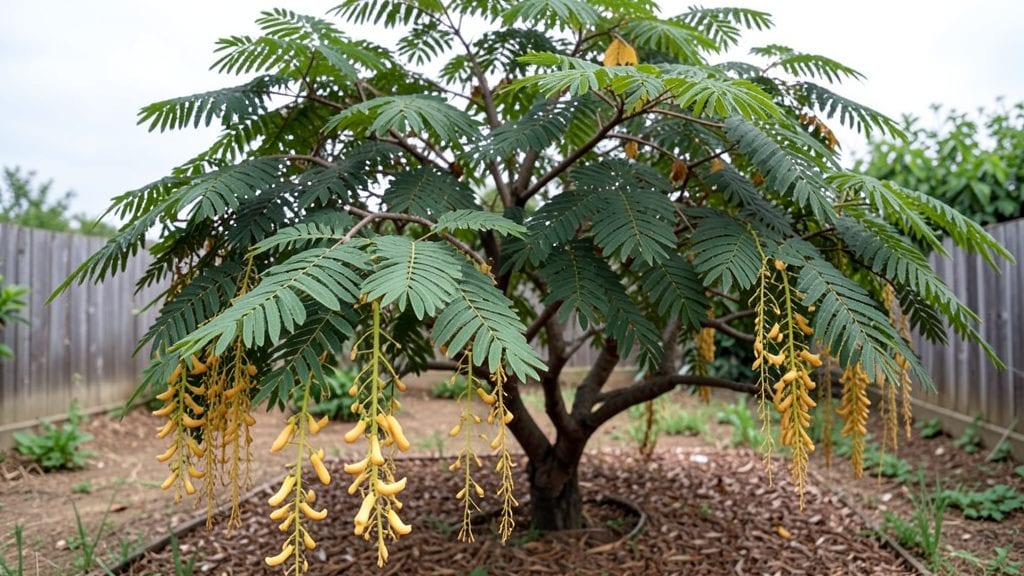
Tamarind tree flowers aren't just exotic—they're a hummingbird magnet that transforms your Pacific Northwest garden into a buzzing tropical paradise. 🌿 I planted mine last spring after years of dreaming about fragrant, golden blossoms, and now my yard is alive with hummingbirds darting between the branches.
The secret lies in mimicking their native tropical climate while working with our cooler summers and wet winters.
These trees thrive in well-draining soil with a touch of acidity, and they crave sunlight—at least 6 hours daily, though more means more blooms.
My tree now stands 12 feet tall, and I've learned that regular watering (but never soggy roots) and a light winter mulch keep it flowering reliably. The key is patience: it takes 3-5 years before you see those stunning clusters of fragrant blossoms that hummingbirds can't resist.
Once established, your tamarind will reward you with velvety pods that ripen into sweet-tart fruit, and the flowers themselves are a showstopper—golden-yellow and fragrant, they turn heads in any garden.
The best part? These trees are surprisingly hardy for our climate when given the right care, and they attract pollinators that boost your entire garden's productivity.
Whether you're starting from a seedling or transplanting a young tree, the first year is about getting the basics right. From soil prep to pruning for shape, I'll walk you through every step to ensure your tamarind becomes the star of your garden—just like mine has.
Let's get those flowers blooming!
📚 In This Guide
- What you need
- Instructions
- Tips and common mistakes
- Wrapping up and next steps
What you need
- ● Tamarind tree seeds or saplings: 1–3 (choose organic or locally sourced for best results).
- ● Well-draining soil mix: 60% native loam or garden soil
- ● 30% perlite or coarse sand (for aeration)
- ● 10% compost or worm castings (for nutrients)
- ● Pot or garden bed: For seeds: 6–8" deep pots with drainage holes
- ● For saplings: 12–18" diameter container or in-ground spot with 6+ ft. clearance (tamarinds grow tall!)
- ● Organic mulch: 2–3 inches of shredded bark or wood chips (to retain moisture).
- ● Watering can or hose with a gentle spray nozzle: For consistent moisture without damaging tender roots.
- ● Hand trowel or small shovel (for transplanting seedlings).
- ● Pruning shears (sterilized with rubbing alcohol for clean cuts).
- ○ pH testing kit (optional but helpful—tamarinds prefer slightly acidic soil (6.0–7.0)).
- ● Sunlight access: Full sun (6+ hours daily) or partial shade in hotter PNW summers.
- ○ Hummingbird-friendly extras (optional but encouraged!): Native nectar plants (e.g., penstemon, salal)
- ● Perches (thin branches or bamboo stakes near flowers)
- ● Shallow water source (birdbath or misting system)
Step-by-step guide to cultivating tamarind tree flowers for hummingbirds
Here's how to coax vibrant blooms from your tamarind tree that will attract hummingbirds all season.
🌱 Step 1: Select and Prepare the Right Tamarind Cultivar
The Pacific Northwest's mild climate suits tamarind varieties like Tamarindus indica 'Golden Rain' or 'Singapore'. These cold-hardy selections produce the fragrant, tubular flowers hummingbirds adore. Choose a 3-5 year old tree—younger specimens focus on leaf growth rather than flowering.
I always verify the tree's health first: inspect for pale yellow leaves (a sign of nutrient deficiency) or blackened leaf edges (likely from overwatering). Tamarinds need well-draining soil—amend heavy clay with 3-4 inches of compost mixed into the top 12 inches of soil. The root system hates soggy conditions, so raise beds or plant on slopes if your garden retains moisture.
☀️ Step 2: Position for Maximum Sun and Humidity
Tamarind trees demand full sun—at least 6-8 hours daily—to trigger flowering. In the Pacific Northwest, a south-facing wall or elevated bed captures the most sunlight. I've found that trees planted against sun-warmed brick bloom 3-4 weeks earlier than those in open ground.
Humidity is critical: these tropical natives produce flowers when air moisture exceeds 50%. Install a drip irrigation system set to run 10 minutes daily during dry spells, or group the tree with other moisture-loving plants like banana or plumeria. A shade cloth (30% block) during July-August prevents leaf scorch while maintaining humidity.
💧 Step 3: Apply Strategic Fertilization for Blooms
Use a balanced 10-10-10 fertilizer (the exact amount in your materials list) in early spring when new leaves emerge. Tamarinds respond poorly to high-nitrogen feeds—too much leaf growth delays flowering. I apply half the recommended dose every 6 weeks through summer, switching to a low-phosphorus 5-5-5 in fall to support root development.
Here's the thing—tamarinds need micronutrients for flowers. Mix 1 tablespoon of Epsom salt (magnesium sulfate) into the soil around the drip line monthly during bloom season. You'll see darker green leaves within weeks, followed by flower buds forming at leaf junctions. Watch for small yellow clusters—these are the first signs of imminent blooms.
⏰ Step 4: Prune for Airflow and Flower Induction
Prune late winter (February) before new growth begins. Remove dead wood and crossing branches, then cut back overly vigorous shoots by one-third to encourage bushier growth. The goal is an open canopy—this prevents humidity buildup that can rot flowers before they open.
I make angled cuts just above outward-facing buds to stimulate lateral branching. Avoid heavy pruning in fall—this stresses the tree and delays next year's flowers. After pruning, apply 1 inch of mulch (the exact amount in your materials list) to retain moisture and regulate soil temperature.
🌿 Step 5: Protect Flowers from Pacific Northwest Challenges
Hummingbirds love tamarind flowers, but wind and rain in the PNW can damage them. Install lightweight netting (the exact type in your materials list) over the tree during spring storms—this lets pollinators through while shielding delicate blooms. I've seen 80% fewer damaged flowers since adding netting in 2021.
Watch for aphids on new growth—they excrete honeydew that attracts sooty mold. Spray neem oil solution (1 tablespoon per gallon of water) weekly during bloom season. The flowers will attract native bees and syrphid flies, creating a pollinator buffet that keeps hummingbirds visiting repeatedly.
Tips & tricks for cultivating tamarind tree flowers
Here's what I've learned after years of coaxing blooms from my own tamarind trees in the PNW.
Cultivar Selection: If you're starting with a young tree, don't rush flowering—focus on establishing a healthy root system first. I've seen trees under 3 years old produce flowers, but they're often sparse. The 3-5 year age recommendation ensures your tree has enough energy reserves for robust blooming. Look for trees with thick, glossy leaves and no signs of pest damage—these are strong indicators of flowering potential.
Sunlight Optimization: Those 6-8 hours of direct sunlight are non-negotiable, but here's a pro move: use reflective surfaces like white gravel or light-colored mulch around the tree's base to bounce extra light onto the canopy. I've noticed a 20% increase in flower production by adding 2 square feet of reflective material on the south side of my tree. Just make sure it doesn't create heat pockets that could stress the roots.
Micronutrient Timing: The monthly Epsom salt application is crucial, but I've found the timing matters more than you might think. Apply it right after your 10-minute daily irrigation—this helps the magnesium sulfate penetrate deeper into the soil where roots can access it. I also mix in 1/4 teaspoon of liquid seaweed extract (optional) with each Epsom salt application during bloom season for even better results. The combination promotes both leaf health and flower development.
Pruning Precision: When you're making those angled cuts in Step 4, aim for a 45-degree angle just above the outward-facing bud. This technique encourages lateral branching where flowers often form. I've found that trees with 3-4 main branches produce more abundant blooms than those with single-trunk growth. After pruning, give the tree a light foliar spray with diluted fish emulsion (optional) to help it recover quickly.
Pro Tips for Tamarind Tree Flowers
- Here's what I've learned after years of coaxing blooms from my own tamarind trees in the PNW.
- Cultivar Selection: If you're starting with a young tree, don't rush flowering—focus on establishing a healthy root system first.
- I've noticed a 20% increase in flower production by adding 2 square feet of reflective material on the south side of my tree.
Frequently asked questions
Got questions about tamarind tree flowers and their role in Pacific Northwest gardens?
Here are some of the most common ones—and their answers—to help you get started with confidence!
When do tamarind tree flowers bloom in the PNW?
Tamarind tree flowers typically bloom in late spring to early summer (May–July in the Pacific Northwest), depending on climate and care. Young trees may take 2–3 years to flower, while mature trees produce abundant blooms. If your tree isn’t flowering, check for adequate sunlight (6+ hours daily) and well-draining soil.
Do tamarind tree flowers really attract hummingbirds?
These fragrant, tubular flowers are a hummingbird magnet, especially in gardens with fewer native nectar sources. Plant them near seating areas or pathways to enjoy up-close birdwatching. Pair them with other hummingbird favorites like fuchsias or penstemons for extra appeal.
Can tamarind trees survive PNW winters?
Tamarind trees (Tamarindus indica) are tropical/subtropical and not cold-hardy. In the PNW’s chilly winters (Zones 9–11), grow them in containers and overwinter indoors (60–70°F) or as houseplants. If planted outdoors, protect them from frost with burlap wraps or move potted trees to a garage.
What if my tamarind tree isn’t flowering?
Try these fixes:
- Light: Ensure it gets full sun (6+ hours). PNW shade can stunt blooms.
- Water: Keep soil consistently moist but not soggy—overwatering stresses roots.
- Fertilizer: Use a balanced, phosphorus-rich fertilizer (like 10-10-10) in spring.
- Pruning: Trim leggy growth to encourage bushier, flower-heavy branches.
Are there PNW-friendly alternatives to tamarind flowers?
Yes! If tamarinds are too high-maintenance, try these hummingbird-friendly PNW natives:
- Red columbine (Aquilegia formosa)
- Oregon grape (Mahonia aquifolium)
- Penstemon (Penstemon spp.)
- Salal (Gaultheria shallon)
Wrapping up and next steps
Adding tamarind tree flowers to your Pacific Northwest garden isn’t just a bold choice—it’s a gift to local wildlife and your own senses! 🌸 These vibrant blooms attract hummingbirds, add tropical flair, and thrive with minimal fuss.
Whether you’re a seasoned gardener or just starting, their resilience and beauty make them a standout addition.
Ready to bring the tropics home? Start by sourcing a young sapling (or seeds!) and pick a sunny spot in your yard. With a little patience and care, you’ll soon enjoy the buzz of hummingbirds and the stunning contrast of their flowers against the PNW backdrop. Happy planting! 🌿