Neem Oil
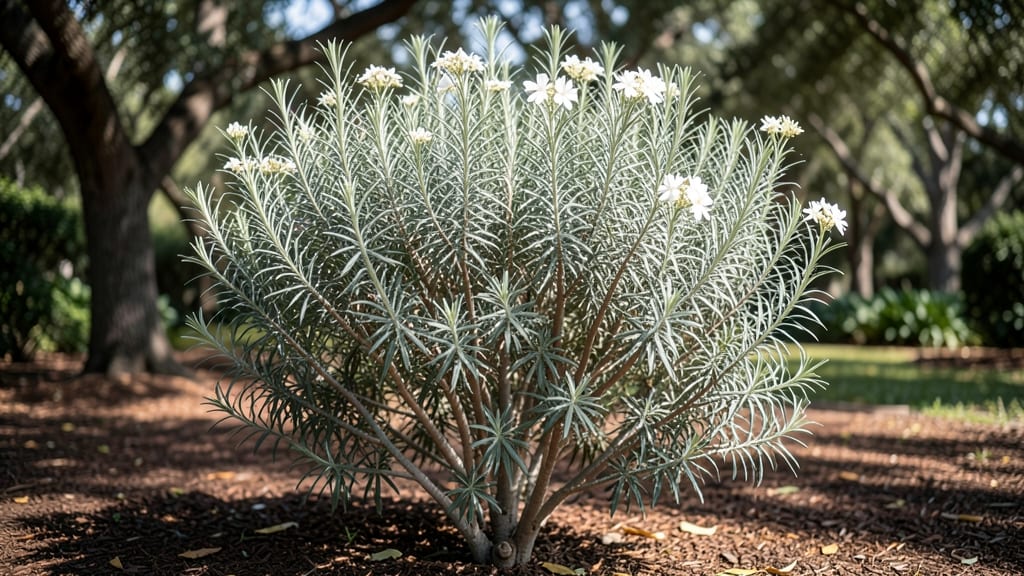
Growing tea tree oil plants (Melaleuca alternifolia) turns your garden into nature’s antifungal pharmacy. 🌿 I’ve watched mine transform from scraggly seedlings into fragrant, pest-repelling powerhouses—just a few leaves crushed between fingers releases that signature medicinal scent. The key? Mimicking its native Australian swampy conditions without overcomplicating things.
These hardy shrubs thrive in full sun to partial shade and tolerate poor, sandy soil—ideal for containers or rain gardens. Water deeply but let the soil dry slightly between soakings, and avoid soggy roots.
Propagation from cuttings is foolproof if you dip stems in rooting hormone and keep them humid for a few weeks. Even beginners nail this with the right setup.
You’ll end up with glossy, lance-shaped leaves that deter aphids, mites, and fungal diseases naturally. The plants grow 3–10 feet tall, depending on pruning, and their silvery-green foliage adds texture to any landscape.
Bonus: Harvest leaves anytime for homemade pest sprays or oil extraction (though that’s a whole other project!).
Perfect for coastal gardens, urban containers, or problem spots plagued by powdery mildew. Start with cuttings in spring, and by next summer, you’ll have a low-maintenance, high-value plant that works harder than any chemical treatment. Let’s get those roots growing!
📚 In This Guide
- What you need
- Instructions
- Tips and common mistakes
- Wrapping up and next steps
What you need
- ● Tea tree seeds or cuttings: 5–10 seeds (or 2–3 healthy cuttings, 4–6 inches long) for planting.
- ● High-quality potting mix: 2–3 gallons (for seedlings) or 5+ gallons (for mature plants). Use a blend with perlite or sand for drainage.
- ● Tea tree oil (100% pure, therapeutic grade): 1–2 oz for DIY sprays or treatments.
- ● Spray bottle (8–16 oz): For diluting oil into a garden solution.
- ● Watering can or hose with a gentle nozzle: For consistent moisture without damaging seedlings.
- ● Pruners (sterilized): For harvesting cuttings or trimming plants.
- ○ Gloves (optional but recommended): Tea tree oil can be potent—nitrile gloves protect your skin.
- ● Measuring cups/spoons: For precise oil dilution (e.g., 1 tsp oil per 1 quart water).
- ● Labeling tags: To track plant varieties or treatment dates.
- ● Sunlight access: A spot with full sun (6+ hours/day) or partial shade (for cooler climates).
- ● Well-draining soil: Tea tree plants hate soggy roots—amend clay soil with compost or sand.
- ● Patience: Seeds take 2–4 weeks to germinate; cuttings root in 4–6 weeks.
- ● Safety knowledge: Never ingest tea tree oil—it’s toxic if swallowed! Keep away from pets.
How to grow a tea tree oil plant for natural garden defense
This hardy evergreen thrives in sunny spots and delivers potent antifungal benefits.
🌱 Step 1: Choose the Right Location and Soil Conditions
Tea tree oil plants (Melaleuca alternifolia) demand full sun—at least 6-8 hours daily—to develop their signature medicinal oils. I always pick the sunniest, most sheltered corner of my garden because these plants hate cold winds. The soil must drain exceptionally well; they rot quickly in soggy conditions.
Amend heavy clay with 1-2 inches of coarse sand or perlite per square foot to improve aeration. Tea trees tolerate poor soil but grow best in slightly acidic to neutral pH (6.0-7.0). Test your soil—if it's alkaline, mix in 1 cup of sulfur per 10 square feet to adjust the pH before planting.
☀️ Step 2: Plant at the Correct Depth and Spacing
Dig a hole twice as wide as the root ball but only as deep as the container's base. Gently remove the plant from its nursery pot and loosen any circling roots with your fingers. Tea trees establish best when planted 12-18 inches apart—closer spacing leads to crowded, weak stems that produce less oil.
Place the plant so the top of the root ball sits level with the surrounding soil. Backfill with native soil mixed with 1 part compost to encourage root spread. Press firmly around the edges to eliminate air pockets, then water deeply until moisture reaches 6 inches down. The first few weeks are critical—keep soil consistently moist but never waterlogged.
💧 Step 3: Water Deeply but Infrequently After Establishment
Young tea trees need 1 inch of water weekly during their first growing season. I check moisture by sticking my finger 2 inches into the soil—if it feels dry, that's your signal to water. Mature plants, however, are drought-tolerant once established; reduce watering to every 2-3 weeks unless your region experiences extreme heat.
Water at the base of the plant in the early morning to prevent fungal diseases. Tea trees naturally repel many pests, but overwatering creates the perfect conditions for root rot. If leaves yellow or wilt, you're likely overdoing it—let the soil dry out more between waterings.
✂️ Step 4: Prune for Shape and Oil Production
Prune tea trees once annually in late winter to maintain their natural rounded shape. Remove any dead, diseased, or crossing branches first—these can harbor pests and reduce oil potency. Then, trim back overgrown stems by one-third to encourage bushier growth and higher essential oil content.
Use clean, sharp pruners to make cuts just above a leaf node. Avoid heavy pruning in summer, as new growth won't harden off before fall. I always wear gloves when handling tea tree branches—the oils can irritate sensitive skin. After pruning, apply a balanced organic fertilizer (10-10-10) to support new growth.
🪴 Step 5: Harvest Leaves for Oil Extraction
Tea trees reach oil-producing maturity in 3-5 years. Harvest leaves in early spring or late fall when oil concentrations peak. Cut small branches (about 6-12 inches long) just above a leaf node. Avoid taking more than one-third of the plant's foliage in a single harvest to prevent stress.
Strip leaves from the stems and dry them in a dark, well-ventilated area for 1-2 weeks. Once completely dry, store in an airtight container away from light. For oil extraction, use a cold-press method with a carrier oil like coconut oil. The resulting tea tree oil is a natural fungicide—dilute 1:10 with water and spray on plants to prevent powdery mildew and black spot.
Tips & tricks for perfect tea tree oil plant growth
These practical insights will help you cultivate a thriving tea tree that maximizes its antifungal potential.
Sunlight Strategy: While the instructions specify 6-8 hours of full sun daily, I recommend positioning your plant where it receives morning sun and afternoon shade if you live in a very hot climate. The intense afternoon rays can scorch tender new growth, especially during summer months. Monitor your plant's response—if leaves show yellowing or browning at the edges, it's getting too much direct heat.
Soil Preparation Tip: For alkaline soils, I've found that mixing in 1 cup of sulfur per 10 square feet works best when spread evenly over the planting area and lightly worked into the top 6 inches of soil. This adjustment takes about 2-3 months to fully modify the pH, so plan ahead if your soil test reveals high alkalinity. A simple pH test kit from your garden center makes this easy to verify.
Watering Wisdom: The 1 inch weekly watering guideline for young plants assumes average summer conditions. In my experience with hotter climates, I've found that watering every 4-5 days with 1.5 inches total (split into morning and evening sessions) prevents moisture stress while maintaining consistent soil dampness. Always water at the base to avoid wetting the leaves, which can promote fungal issues despite the plant's natural resistance.
Pruning Precision: When trimming back stems by one-third during late winter pruning, focus on removing the oldest wood first. These mature branches contain less essential oil compared to newer growth. I use sterilized pruning shears and make cuts at a 45-degree angle just above a leaf node to encourage faster healing and reduce disease entry points. The resulting fresh growth will be more potent for oil extraction.
Pro Tips for Tea Tree Oil Plant
- These practical insights will help you cultivate a thriving tea tree that maximizes its antifungal potential.
- Sunlight Strategy: While the instructions specify 6-8 hours of full sun daily, I recommend positioning your plant where it receives morning sun and afternoon shade if you live in a very hot climate.
- Soil Preparation Tip: For alkaline soils, I've found that mixing in 1 cup of sulfur per 10 square feet works best when spread evenly over the planting area and lightly worked into the top 6 inches of soil.
Frequently asked questions
How long does it take for a tea tree oil plant to mature and produce effective pest-fighting properties?
A tea tree oil plant typically takes 3–5 years to fully mature before its leaves yield high concentrations of terpinen-4-ol, the compound that fights fungi and pests. For faster results, consider using commercial tea tree oil (derived from mature plants) while your young sapling grows.
Can I use tea tree oil directly from the plant, or do I need to extract it first?
While fresh leaves can be crushed and steeped in water for a mild spray, the oil’s potency is much stronger when steam-distilled. For garden use, a 1–2% dilution (10–20 drops per quart of water) works best. Always test on a small plant area first—some varieties may be sensitive!
Will tea tree oil harm beneficial insects like bees or ladybugs?
Yes, tea tree oil can be toxic to bees and other pollinators. Avoid spraying when flowers are open or bees are active. For targeted pest control, use neem oil (another antifungal option) or apply tea tree sprays only at dusk when pollinators are less active.
What’s the best way to store tea tree leaves or oil for long-term use?
Store dried leaves in an airtight container away from sunlight (they last 6–12 months). For extracted oil, keep it in a dark glass bottle in a cool, dark place—it stays potent for 2–3 years. Refrigeration extends shelf life but isn’t required.
If my tea tree plant isn’t working against pests, what could I be doing wrong?
Check these common mistakes:
- Weak dilution: Use 1–2% concentration (not just a few drops).
- Inconsistent spraying: Apply every 7–10 days for fungal issues.
- Wrong timing: Spray before pests appear or after rain (oil washes off).
- Missing the undersides: Fungal spores love leaf undersides—flip leaves to treat thoroughly!
Wrapping up and next steps
The tea tree oil plant is a natural guardian for your garden, offering powerful antifungal properties to keep pests at bay without harsh chemicals. 🌿 Whether you're a seasoned gardener or just starting out, harnessing its benefits is simple and rewarding—just gather the right tools, follow a few easy steps, and let nature do the work!
Ready to transform your garden into a thriving, pest-free paradise?
Your next step? Experiment with tea tree oil treatments this season and watch your plants flourish! Start small, observe results, and share your success with fellow garden enthusiasts. Happy growing! 🌱