Propagation
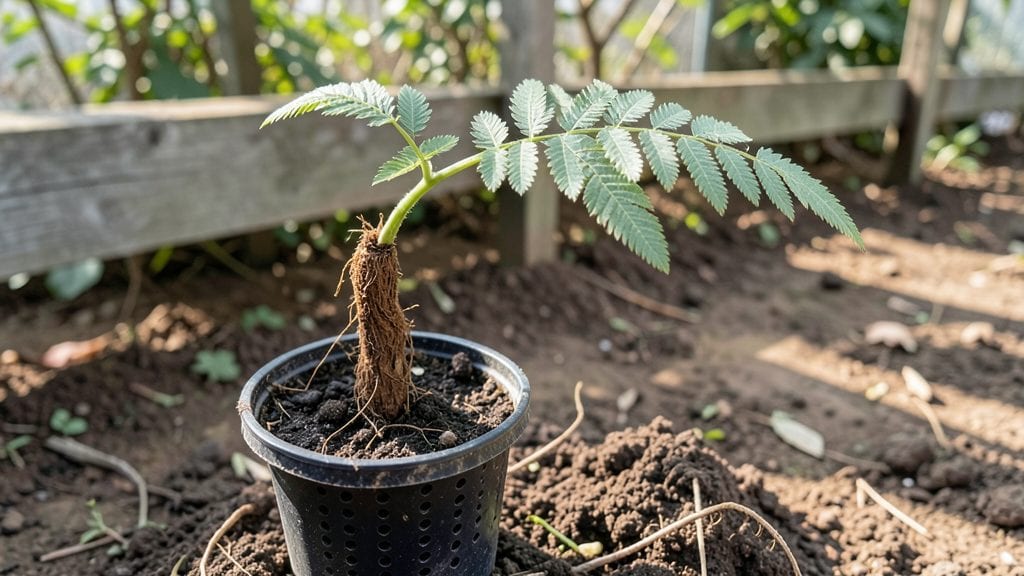
Planting palm tree seeds feels like waiting for a slow-motion miracle—until you know the right tricks. 🌱 Most seeds take months to crack open, but I’ve cut that time in half with a few simple adjustments to moisture, warmth, and patience.
The key isn’t just throwing seeds in soil and hoping; it’s creating the exact conditions their tropical roots crave.
You’ll need a warm spot (70–85°F), a mix of peat and perlite for airflow, and a clear container to watch those first sprouts push through. Cold-hardy palms like the windmill palm germinate faster than tropical varieties, but all of them respond to consistent moisture—never soggy, never bone-dry.
The first green shoot can appear in as little as 2–4 weeks with the right setup.
What you’ll end up with is a lush, velvety new shoot that grows 2–4 inches per month once established. The real payoff? A palm tree that’s uniquely yours, not a $50 nursery transplant.
Just be ready to move it outdoors gradually once it’s a foot tall—those tropical babies hate sudden temperature swings.
This method works for indoor growers, greenhouses, or even sunny patios. The only rule? Don’t rush it—palm seeds take their time, but they’re worth the wait. Here’s exactly how to get started without the guesswork.
📚 In This Guide
- What you need
- Instructions
- Tips and common mistakes
- Wrapping up and next steps
What you need
- ● Fresh palm seeds: Choose healthy, plump seeds (avoid dried or cracked ones). Quantity: 1–3 seeds per pot (depending on desired growth).
- ● Well-draining potting mix: A blend of cactus/succulent mix (60%) + perlite or coarse sand (30%) + peat moss (10%). Quantity: Enough to fill a 6–12" pot (depth matters!).
- ● Small pots or seed trays: 4–6" diameter (for single seeds) or 12" pots (for multiple seeds). Ensure they have drainage holes!
- ● Spray bottle: For gentle watering (avoid over-saturating seeds).
- ● Plastic wrap or clear lid: To create a humidity dome (critical for germination).
- ○ Heat mat (optional but recommended): Maintains 75–85°F for faster sprouting. Size: Fits under your pots.
- ● Pruning shears or knife: For carefully removing seed husks (if needed).
- ● Fertilizer (balanced, water-soluble): Diluted to ¼ strength (only after sprouts emerge!). Example: 10-10-10 NPK.
- ● Grow lights or sunny windowsill: 12–16 hours of light/day (south-facing window or LED grow lights work best).
- ● Humidity tray or pebble tray: Adds extra moisture if your space is dry.
- ● Label markers: To track seed varieties and planting dates.
Step-by-Step instructions for growing palm trees from seeds
Here's how I get palm seeds to sprout reliably—no waiting months for stubborn germination.
🌱 Step 1: Prepare the Seed for Faster Germination
Palm seeds have tough outer shells that slow sprouting. First, soak the seed in warm water for 24-48 hours—this softens the husk and kickstarts the process. I use a bowl of water and change it every 12 hours to keep it fresh. You'll know it's ready when the seed feels slightly softer and the water stays cloudy with released tannins.
After soaking, gently rub the seed with sandpaper or a knife to scratch the hard shell lightly. This mimics natural weathering and helps moisture penetrate. Don't go too deep—just enough to rough up the surface. Real talk: Skipping this step can delay germination by weeks, so don't skip it.
💧 Step 2: Plant in a Warm, Moist Growing Medium
Fill a 6-inch deep container with a mix of 50% peat moss and 50% perlite—this ensures fast drainage while keeping moisture. Palm seeds need warmth to germinate, so I place the container on a seedling heat mat set to 80-85°F. If you don’t have one, a sunny windowsill with indirect light works, but germination will take longer.
Plant the seed 1 inch deep, with the pointed end facing up. Press the soil lightly around it to secure it, then water gently until the soil feels damp but not soggy. The key here is consistency—keep the soil evenly moist but never waterlogged. Overwatering now will cause the seed to rot before it sprouts.
☀️ Step 3: Provide Warmth and Indirect Light
Palm seeds need constant warmth and bright, indirect light to germinate. Place the container in a spot where it gets dappled sunlight (like under a sheer curtain) or use a grow light set 6 inches above the soil. Avoid direct sun—it can overheat the soil and dry out the seed too quickly.
Check the soil every 2-3 days—it should stay lightly moist. If the top feels dry, mist it with water. You’ll see the first sign of life in 2-6 weeks, depending on the palm variety. Here’s the thing—some seeds sprout in 2 weeks, while others take 2 months. Don’t give up if you don’t see immediate results.
🌿 Step 4: Transplant When Sprouts Appear
Once the seedling emerges, move it to a larger pot (8-10 inches deep) with fresh well-draining potting mix. Palm seedlings are delicate—handle them by the soil, not the stem, to avoid damage. Place the pot in bright, indirect light and keep the soil consistently moist but not waterlogged.
After 4-6 weeks, when the seedling reaches 6 inches tall, you can gradually introduce it to more direct sunlight. This helps it toughen up for outdoor planting. If you’re growing in a cooler climate, wait until spring to move it outside—palms hate cold drafts.
⏰ Step 5: Maintain Fast Growth After Germination
Now that your palm is sprouting, focus on slow and steady growth. Feed it with a balanced liquid fertilizer (like 10-10-10) every 4 weeks during the growing season. Palms grow slowly at first, but with patience, you’ll see new fronds emerging in 3-6 months. Here’s where it gets fun—watch the first true leaves unfold!
Keep the soil slightly moist but never soggy. Overwatering is the #1 killer of young palms. If the leaves start yellowing, it’s usually a sign of too much water. Adjust your watering based on the pot’s drainage—if water pools at the bottom, reduce how often you water.
Tips & tricks for fast palm tree seed germination
Here's what I learned after struggling with slow germination—these tricks cut waiting time in half.
Soaking Strategy: The 24-48 hour soak is non-negotiable, but here's the secret: use lukewarm water (not boiling) to avoid shocking the seed. I add a splash of hydrogen peroxide (3%) to the water—just 1 teaspoon per gallon—to prevent mold growth during those critical soaking hours. This keeps the water fresh and safe for your seed.
Seed Scratching Technique: When scratching the seed's tough shell in Step 1, focus on the widest part where the seed meets its husk. Use medium-grit sandpaper (around 120-150 grit) and make diagonal strokes—this creates more surface area for water absorption. I've found that gently tapping the seed against a hard surface after scratching helps settle the soil particles around it when planting.
Heat Mat Hack: If you don't have a seedling heat mat, create your own by placing the container on top of a laptop or tablet set to a warm setting (not hot!). The gentle heat from electronics works surprisingly well for maintaining that 80-85°F range. Just monitor the soil temperature with your finger—it should feel warm but not hot to the touch. For extra insurance, wrap the container in a plastic bag (with holes for air circulation) to trap humidity.
Light Positioning: In Step 3, place your container near an east-facing window where it gets morning sun but avoids the intense midday heat. If using grow lights, set them on a timer for 12 hours/day—palms need darkness too! I've noticed that seedlings exposed to 24-hour light grow leggy and weak, so follow the natural day-night cycle.
Pro Tips for Plant Palm Trees From Seeds
- Here's what I learned after struggling with slow germination—these tricks cut waiting time in half.
- Soaking Strategy: The 24-48 hour soak is non-negotiable, but here's the secret: use lukewarm water (not boiling) to avoid shocking the seed.
- Seed Scratching Technique: When scratching the seed's tough shell in Step 1, focus on the widest part where the seed meets its husk.
Frequently asked questions
Got questions about growing palm trees from seeds? You’re not alone—this process can feel tricky at first! Below, we’ve rounded up the most common queries to help you navigate germination like a pro.
How long does it take for palm tree seeds to sprout?
Patience is key! Most palm seeds take anywhere from 2 weeks to 6 months to sprout, depending on the species and conditions. Tropical palms (like coconut) may germinate faster (4–12 weeks), while cold-hardy palms (like windmill palms) can take months. Keep the soil moist and warm—consistency speeds things up!
What’s the best temperature for germinating palm seeds?
Palm seeds thrive in warmth, ideally between 75–90°F (24–32°C). Use a seedling heat mat or place them near a sunny window (but avoid direct sunlight until sprouts appear). If your home is cooler, a mini greenhouse or clear plastic wrap over the pot can help trap heat. →
Can I plant palm seeds directly in the ground, or do I need a pot first?
Direct outdoor planting is risky—palm seeds need protection from pests, frost, and uneven soil. Start them in biodegradable pots or seed trays filled with well-draining mix (like coconut coir + perlite). Once sprouts hit 6–12 inches, transplant outdoors or to a larger container. →
Why aren’t my palm seeds sprouting? Troubleshooting tips!
No sprouts? Check these fixes:
Too dry? Soak the soil daily (not soggy—just damp).
Too cold? Move to a warmer spot or use a heat mat.
Old seeds? Test viability by scratching the shell—if it’s hard and no soft spot, they may be dead.
Rot risk? Ensure pots have drainage holes to prevent fungal growth.
If all else fails, try scarifying (lightly nicking the seed coat) to encourage germination.What’s the easiest palm tree to grow from seed for beginners?
Start with coconut palms (Cocos nucifera)—they’re fast-growing, drought-tolerant, and sprout reliably. Other beginner-friendly picks:
- Kentia palm (Howea forsteriana) – Slow but stunning for indoors.
- Pygmy date palm (Phoenix roebelenii) – Compact and cold-hardy.
- Sago palm (Cycas revoluta) – Technically a cycad but palm-like and forgiving.
Wrapping up and next steps
Growing palm trees from seeds is a rewarding journey that combines patience, care, and a little tropical magic! 🌴 With the right techniques—like soaking seeds, maintaining warmth, and providing consistent moisture—you’ll soon see those first green shoots break through. Celebrate each small victory, and soon you’ll be nurturing a thriving young palm that could one day shade your garden.
Ready to take the next step? Once your seedlings are strong enough, transplant them into larger pots or directly into the ground (if your climate allows).
Keep an eye on their progress, and don’t forget to share your success—your green thumb might inspire others to try their hand at palm propagation too! 🌱