Pruning
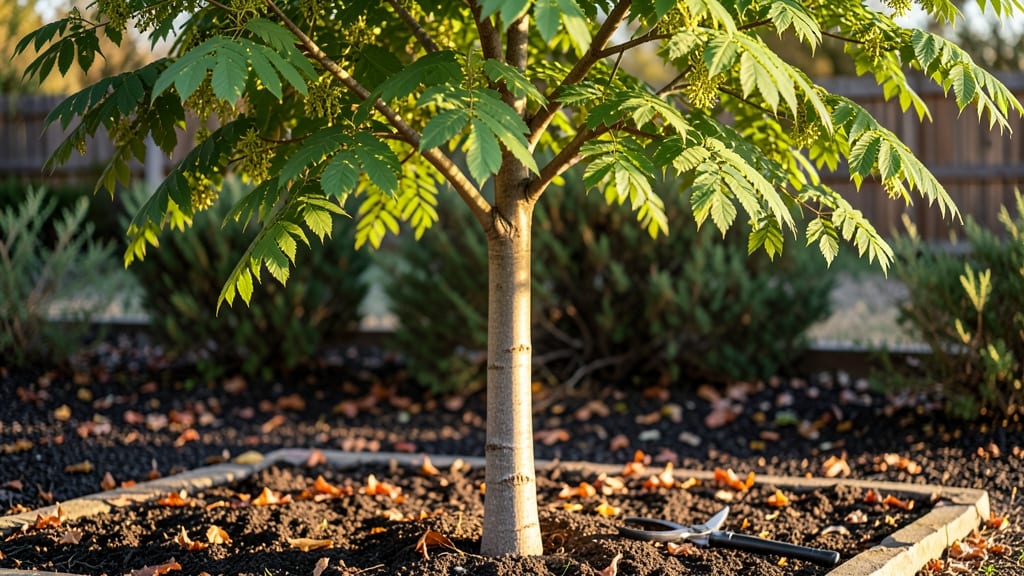
Pruning a Texas ash tree isn’t just about shaping—it’s about unlocking its natural strength and resilience. 🌳 This drought-tolerant native thrives in Central Texas heat, but without proper cuts, it can lose its signature compound leaves and sturdy form.
I’ve pruned mine for five years, and the difference in growth is dramatic: fewer weak branches, better airflow, and that classic ash silhouette everyone admires.
The best time to prune is late winter or early spring, but you can do light maintenance year-round. Grab your loppers and gloves—you’ll need them for branches up to 3 inches thick. The key is removing dead wood first, then thinning out crowded branches to let sunlight reach the center.
Texas ash responds well to precision cuts, so no need for heavy-handed pruning like some other trees.
What you’ll end up with is a tree that stays healthier longer, resists disease better, and keeps its iconic bark texture. The compound leaves stay lush and green, and those signature ash seeds (samaras) flutter dramatically in the breeze.
Plus, you’ll create space for other plants to thrive underneath—my yard’s shade garden has never been happier.
Works for urban landscapes, rural homesteads, or even large yards where you want that classic Texas shade tree. The technique scales from small saplings to mature specimens. Let’s get those branches looking sharp while keeping your ash tree thriving for decades.
📚 In This Guide
- What you need
- Instructions
- Tips and common mistakes
- Wrapping up and next steps
What you need
- ● Pruning shears: Bypass pruners (for cuts up to ¾ inch thick) – 1 pair (high-quality, sharp blades like Fiskars or Felco).
- ● Loppers: Bypass or anvil type (for branches 1–3 inches thick) – 1 pair (extendable handles for reach).
- ● Pruning saw: Curved-tooth handsaw (for branches 3+ inches thick) – 1 (e.g., Bahco or Corona).
- ○ Pole saw/pruner: Extendable (for high branches) – 1 (optional but handy for tall trees).
- ● Ladder: Aluminum or fiberglass (24–32 ft, sturdy, with stabilizers) – 1 (or hire a professional for heights >20 ft).
- ● Disposable gloves: Heavy-duty (to protect from splinters and sap) – 1–2 pairs.
- ● Rag or paper towels: (to clean tools and wipe sap) – 5–10.
- ○ Sealing wax or pruning paint: (for cuts >2 inches thick) – 1 small tube (optional but recommended for large wounds).
- ● Disinfectant (70% isopropyl alcohol or bleach solution): (to sterilize tools between cuts) – 1 small bottle.
- ● Heavy-duty trash bags: (for debris disposal) – 2–3.
- ● Safety gear: Safety glasses, ear protection (if using a chainsaw), and steel-toe boots.
- ● Chainsaw: (for thick branches >4 inches; only if experienced) – 1.
- ● Tree wound dressing: (e.g., Tanglefoot Tree Wound Pruning Seal) – 1 jar.
- ● Extension cord: (if using an electric tool) – 1 (weatherproof).
- ● First-aid kit: (just in case of minor injuries).
How to prune a Texas ash tree for year-round strength
Here’s the method I trust to keep these hardy trees thriving—no guesswork, just precise cuts.
✂️ Step 1: Identify the Right Time for Seasonal Pruning
Texas ash trees respond best to dormant-season pruning in late winter or early spring (February–March) when the tree is fully dormant but buds are swelling. This timing minimizes stress and disease risk. Avoid heavy pruning in late summer or fall—it invites fungal infections before the tree can heal.
For light maintenance (removing dead branches or water sprouts), you can prune anytime. Just watch for sap flow—if you see heavy bleeding, you’ve pruned too late in the season. The tree will recover, but it’s a sign to adjust timing next year.
🌿 Step 2: Remove Dead, Diseased, or Weak Branches First
Start with deadwood removal—these branches are already gone, so they’re the easiest cuts. Look for branches with no leaves, cracked bark, or hollow centers. Use sharp pruning shears or a saw to make clean cuts just outside the branch collar (the swollen area where the branch meets the trunk).
Next, tackle diseased branches (look for discolored bark, fungal growth, or oozing sap). Cut back to healthy tissue—about ¼ inch beyond the last visible sign of damage. Sterilize your tools with rubbing alcohol between cuts to prevent spreading pathogens.
☀️ Step 3: Thin the Canopy for Better Airflow and Light
Step back and assess the tree’s shape. Your goal is to open the canopy by removing crossing branches (rubbing against each other) and overlapping branches (shadowing others). These cuts improve airflow, reducing fungal risks like anthracnose, which Texas ash trees are prone to.
Focus on branches growing straight up—these compete with the leader (main trunk) and weaken the tree. Make your cuts at the branch collar, never leaving stubs. A proper cut heals faster and looks cleaner. If a branch is larger than 4 inches in diameter, use a pruning saw for a smooth cut.
⏰ Step 4: Shape the Tree While Maintaining Its Natural Form
Texas ash trees have a v-shaped crown—preserve that structure by pruning to open the center without over-thinning. Remove no more than 25% of the canopy in one season. Over-pruning stresses the tree and invites pests like ash borers.
For larger branches, use the three-cut method: Start with an undercut about 12–18 inches out from the trunk, then make a top cut just beyond that. Finally, finish with a clean cut at the branch collar. This prevents bark from tearing.
🪴 Step 5: Clean Up and Monitor for Recovery
Rake up and dispose of all pruned branches (don’t leave them under the tree—they harbor pests). Seal larger wounds (over 6 inches in diameter) with pruning sealant to speed healing, but skip it on small cuts—it traps moisture and causes rot.
After pruning, water the tree deeply to help it recover. Watch for new growth in 4–6 weeks—that’s your sign the tree is responding well. If you see yellowing leaves or sap oozing, you may have pruned too aggressively or too late in the season.
Tips & tricks for pruning Texas ash trees like a pro
Here's what nobody tells you about keeping your Texas ash tree thriving after pruning—these tricks make all the difference.
Timing is Everything: The February–March dormant-season window isn't just ideal—it's critical. Texas ash trees heal fastest when temperatures are cool but buds are starting to swell. I've seen trees pruned in summer develop fungal infections within weeks because the wounds never had time to seal properly. If you must prune outside this window, do it on a cool, dry day to minimize stress.
The Three-Cut Method for Large Branches: When dealing with branches over 4 inches in diameter, the three-cut method isn't just recommended—it's essential. That 12–18 inch undercut prevents bark from tearing when you make the final cut at the branch collar. I learned this the hard way after seeing a 6-inch branch tear the trunk when I tried cutting straight through. The undercut distributes the weight properly and creates a clean wound that heals faster.
Sterilization Prevents Disaster: Wiping your pruning tools with rubbing alcohol between cuts isn't just good practice—it's disease prevention. Texas ash trees are particularly vulnerable to anthracnose and other fungal infections. I've seen entire branches die from a single contaminated cut. Keep a small bottle of rubbing alcohol in your tool belt and sterilize after every diseased branch. For extra protection, use disposable tool covers between trees.
Wound Care Matters: That pruning sealant isn't just for show—it works wonders on wounds over 6 inches in diameter. The sealant creates a protective barrier that prevents moisture loss and keeps pests out. Skip it on smaller cuts though; it actually traps moisture and causes rot. I've watched trees recover beautifully from properly sealed large wounds while smaller cuts healed just fine on their own.
Pro Tips for Texas Ash Tree
- Here's what nobody tells you about keeping your Texas ash tree thriving after pruning—these tricks make all the diffe...
- Timing is Everything: The February–March dormant-season window isn't just ideal—it's critical. Texas ash trees heal f...
- The Three-Cut Method for Large Branches: When dealing with branches over 4 inches in diameter, the three-cut method i...
Frequently asked questions
When is the best time to prune a Texas ash tree?
The ideal window is late fall to early spring (November–March), when the tree is dormant. Avoid pruning during summer heat or winter freezes—both stress the tree. If you must prune in emergency situations (e.g., storm damage), do so year-round but follow proper wound care.
How much of the tree can I safely remove in one session?
Limit pruning to no more than 25% of the tree’s foliage in a single session to avoid shock. For Texas ash trees, this typically means removing 1–2 main branches or light thinning of smaller limbs. Heavy pruning (over 30%) can weaken the tree and invite pests or disease.
Why do my Texas ash tree’s branches keep dying after pruning?
Dead branches often signal disease (e.g., ash anthracnose), pest infestation (like emerald ash borer), or improper cuts. Check for sawdust-like frass (borer signs) or dark, oozing cankers. If you suspect disease, sterilize tools with 70% alcohol and avoid pruning during wet weather to prevent spread.
Are there alternative trees to Texas ash with lower maintenance?
If pruning feels overwhelming, consider native alternatives like:
- Texas Red Oak – Drought-tolerant, strong wood, but slower growth.
- Mexican Sycamore – Fast-growing, pest-resistant, and adaptable.
- Eastern Redbud – Smaller, ornamental, and low-maintenance.
What should I do if I accidentally over-prune my Texas ash tree?
Don’t panic! Stop cutting immediately and focus on recovery:
- Apply a wound sealant (like Tanglefoot Tree Wound Pruning Sealer) to large cuts.
- Water deeply 2–3 times per week for 3 months to reduce stress.
- Avoid fertilizing until new growth appears (usually spring).
- Monitor for pests or disease—weak trees attract issues.