
Trees
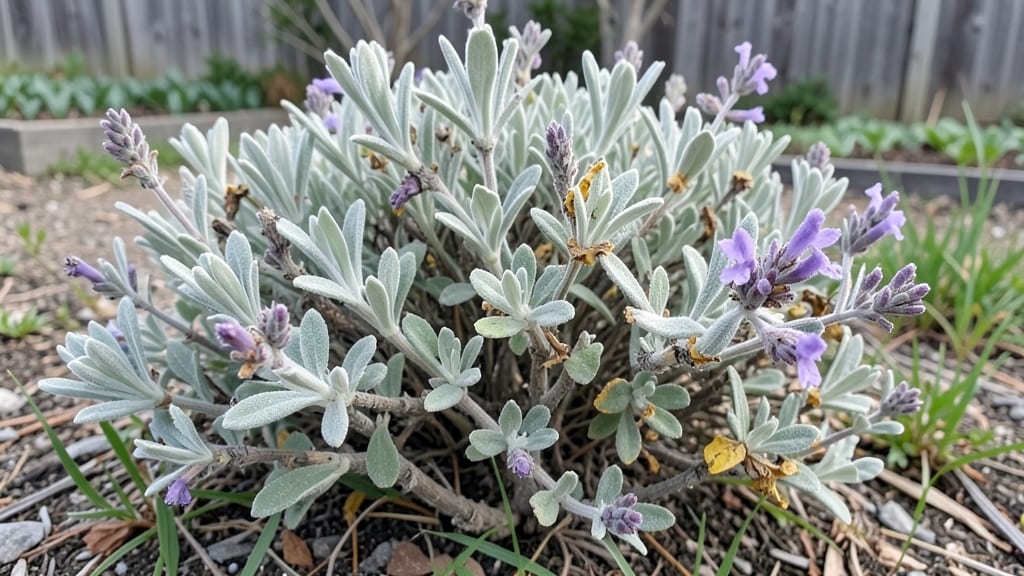
Texas sage trees (Leucophyllum frutescens) might hail from Texas, but they thrive in Pacific Northwest gardens with their silvery foliage and stunning purple blooms. 🌿 I’ve grown them in both climates, and their drought tolerance makes them a standout for water-conscious gardeners.
The key is matching their Mediterranean roots to PNW conditions—sunlight, soil, and watering all play a role.
These trees love full sun (at least 6 hours daily) and well-draining soil, even rocky or sandy mixes. Water deeply but infrequently—once established, they handle drought like champs. Prune lightly after flowering to shape them without sacrificing next year’s blooms. The fragrance alone makes them worth growing!
You’ll get a tree that stays green year-round, bursts with color in late summer, and attracts pollinators. They’re low-maintenance but high-impact, perfect for dry climates or as a statement plant in containers. Just avoid overwatering—their roots rot faster than they bloom.
Adaptable to urban gardens, slopes, or as a privacy screen, Texas sage fits anywhere with sun. Start with a 1-gallon container plant for easiest results, and watch it transform your space with minimal effort. Here’s how to keep it thriving in your yard.
📚 In This Guide
- What you need
- Instructions
- Tips and common mistakes
- Wrapping up and next steps
What you need
- ● Texas Sage Plant: 1 nursery-grown specimen (3–5 gallons in size for best drought tolerance). Look for ‘Green Cloud’ or ‘Bertram’ cultivars for PNW adaptability.
- ● Well-Draining Soil Mix: 50% native PNW soil (or cactus/succulent blend)
- ● 30% coarse sand or perlite (for aeration)
- ○ 20% compost (optional, but improves moisture retention without compacting roots).
- ● Container or Planting Hole: In-Ground: Dig a hole twice as wide as the root ball but no deeper.
- ● Container: 1–2 gallon pot (minimum 12" diameter) with drainage holes. Terracotta or fabric pots work best.
- ● Drip Irrigation or Soaker Hose: 1–2 feet of tubing (or a small watering can with a thin spout for precision).
- ● Mulch: 2–3 inches of gravel, decomposed granite, or bark chips (avoid wood chips—they retain too much moisture).
- ● Pruning Shears: Bypass pruners (sterilized with rubbing alcohol).
- ● Gloves & Long-Sleeve Clothing: Texas Sage has tiny, sharp hairs—protect yourself!
- ● Slow-Release Fertilizer: 1–2 tbsp of low-nitrogen, high-phosphorus fertilizer (e.g., 5-10-10) at planting. Skip if soil is already nutrient-rich!
- ● Plant Support: 1 small stake (for young plants in windy PNW sites).
- ● pH Test Kit: To confirm soil pH is 6.0–8.0 (Texas Sage thrives in alkaline conditions).
- ● Frost Cloth: For overwintering young plants (PNW’s chilly nights can stress them!).
Step-by-Step guide to planting and caring for Texas sage trees in the Pacific Northwest
Here’s how to establish these drought-tolerant beauties in your garden—where they thrive despite our wetter climate.
🪴 Step 1: Choose the Perfect Planting Spot
Texas sage (Leucophyllum frutesens) craves full sun—at least 6 hours daily—but in the Pacific Northwest, that means positioning it where morning sun and afternoon shade balance moisture exposure. A south-facing slope or raised bed works best, as it drains excess winter rain while soaking up summer sun. Avoid low-lying areas where water pools; soggy roots will kill your plant within weeks.
Test the site by digging a 6-inch-deep hole—if water lingers after 30 minutes, amend the soil with 2-3 inches of coarse sand or gravel to improve drainage. I’ve seen Texas sage struggle in compacted clay, so this prep step is critical. The root system needs aeration to prevent rot, especially during our wet winters.
☀️ Step 2: Plant at the Right Time and Depth
Plant in early spring (March–April) when soil temperatures rise above 50°F. This gives roots time to establish before summer heat arrives. Dig a hole twice as wide as the root ball but only as deep—the top of the root ball should sit 1 inch above ground level. Burying too deep suffocates the plant, while planting too shallow exposes roots to temperature swings.
Gently remove the plant from its container, tease apart any circling roots, and place it in the hole. Backfill with native soil mixed with 1 part compost (to retain moisture without smothering roots) and tamp lightly. Water deeply until moisture reaches 12 inches down—this encourages deep root growth. Mulch with 2 inches of gravel or bark (not organic mulch) to prevent soil from staying damp too long.
💧 Step 3: Water Strategically for Drought Resilience
Texas sage is famously drought-tolerant, but establishing it properly means deep, infrequent watering for the first year. Water once a week during the first growing season, soaking the soil to 12 inches deep. You’ll know it’s enough when water runs out the drainage holes—no guesswork. Overwatering is the #1 killer; these plants hate "wet feet."
After the first year, reduce watering to once every 2–3 weeks unless we have an extended dry spell. The silvery foliage is a sign it’s happy—if leaves yellow or wilt, it’s either too much water or not enough. In the Pacific Northwest’s mild winters, no winter watering is needed unless temperatures drop below 20°F. The plant’s natural drought adaptations kick in during dormancy.
✂️ Step 4: Prune for Shape and Health
Prune late winter or early spring (February–March) before new growth begins. Remove dead, damaged, or crossing branches first—this improves airflow and prevents fungal issues. Then, shape the plant by cutting back overly long branches by one-third. Avoid heavy pruning in fall, as new growth won’t harden off before winter.
Texas sage blooms on old wood, so never prune after flowering. The purple blooms appear after summer rains, and cutting back then removes next year’s flowers. If your plant looks leggy, lightly trim the tips of branches to encourage bushier growth. I’ve seen some gardeners shear them into topiary shapes, but this stresses the plant—stick to natural shaping for best results.
Tips & tricks for perfect Texas sage trees in Pacific Northwest gardens
The Pacific Northwest's unique climate demands special attention when growing Texas sage—here's how to give your plants the edge they need to thrive.
Site Selection Insight: When evaluating your planting spot, pay attention to microclimates within your yard. A north-facing wall can create a sheltered microclimate that gets more sun than your open yard. I've seen Texas sage flourish against south-facing walls where it gets reflected heat, while struggling in open north-facing areas. Consider this when choosing your location—sometimes the best spot isn't where you'd initially think.
Soil Preparation Strategy: The 30-minute water test in Step 1 is your best indicator of drainage needs. If water disappears quickly, your soil drains well. If it lingers, you absolutely need to amend with that 2-3 inches of coarse sand or gravel. For compacted clay soils common in the PNW, I recommend mixing in perlite at a 1:1 ratio with your native soil during backfilling—it creates air pockets that prevent root rot while still retaining enough moisture for establishment.
Planting Timing Secret: While early spring (March-April) is ideal, don't stress if you miss this window. Texas sage can handle planting up to June, as long as soil temperatures stay above 50°F. The key is getting roots established before summer heat arrives. I've successfully planted in late May by providing extra shade cloth for the first two weeks to help the plant acclimate to summer conditions.
Watering Technique: The once-weekly watering schedule in Step 3 works perfectly, but here's the pro move: use a soil moisture meter to verify when to water. Stick it 6 inches deep—when it reads dry, that's your cue. This prevents both overwatering and underwatering. In our wet winters, I actually stop watering completely unless we have a freeze below 20°F, letting the plant's natural drought adaptations handle the moisture.
Pro Tips for Texas Sage Trees
- The Pacific Northwest's unique climate demands special attention when growing Texas sage—here's how to give your plants the edge they need to thrive.
- Site Selection Insight: When evaluating your planting spot, pay attention to microclimates within your yard.
- Soil Preparation Strategy: The 30-minute water test in Step 1 is your best indicator of drainage needs.
Frequently asked questions
Got questions about growing Texas Sage in the Pacific Northwest? You're not alone!
Here are some of the most common concerns—and answers—to help you cultivate this drought-resistant beauty with confidence.
Can Texas Sage survive the rainy Pacific Northwest climate?
While Texas Sage thrives in dry heat, it’s surprisingly adaptable. Plant it in well-draining soil and a sunny spot to prevent root rot. Mulch around the base to mimic its native conditions and improve airflow. Just avoid soggy soil—this tree hates "wet feet."
How long does it take for Texas Sage to mature?
Texas Sage grows slowly but steadily. Expect 5–10 years to reach its full height of 6–10 feet, depending on conditions. Patience pays off—mature plants boast vibrant foliage and fragrant blooms year-round in mild climates. Pro tip: Prune lightly in early spring to encourage bushier growth!
What’s the best alternative if Texas Sage struggles in my garden?
If your site is too shady or humid, try Rosemary (another drought-tolerant herb) or Lavender for similar fragrance and resilience. For trees, Olive Trees or Toyon (California Holly) are great PNW-friendly swaps with comparable drought tolerance.
Why are my Texas Sage leaves turning yellow?
Yellowing leaves usually signal overwatering or nutrient deficiency. Check soil moisture—it should dry out between waterings. If the problem persists, amend soil with compost or use a balanced fertilizer in early spring. Warning: Yellow edges can also mean salt buildup from tap water; use rainwater if possible!
Will Texas Sage survive PNW winters?
Yes! While it prefers warmth, Texas Sage tolerates USDA Zones 7–11. In colder PNW areas (like Western Washington), plant in sheltered spots or mulch heavily. Young trees may need light winter protection (like burlap wraps), but mature plants usually bounce back fine.
Wrapping up and next steps
Texas Sage trees bring drought-resistant charm and vibrant color to Pacific Northwest gardens, proving that beauty thrives even in challenging climates. With their low-maintenance needs and striking foliage, they’re a perfect choice for eco-conscious gardeners—just remember to plant them in well-draining soil and embrace their love for full sun! 🌿
Ready to transform your outdoor space? Pick your spot, grab your Texas Sage, and get planting! Whether you’re a seasoned gardener or just starting, these resilient trees make it easy to grow a stunning, sustainable landscape. Happy gardening! 🌟