
Pruning
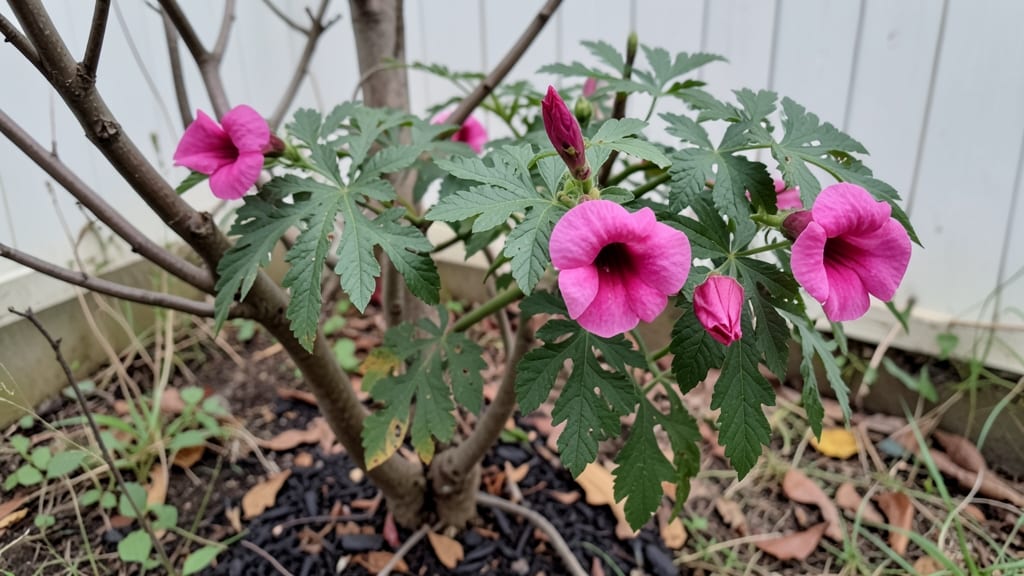
The rainbow tree transforms any Pacific Northwest garden into a living watercolor painting. 🌈 I planted my first variegated maple last spring, and its burgundy, gold, and cream foliage has become the centerpiece of my yard—even through winter storms.
These frost-hardy beauties don’t just survive our damp, cool climate; they thrive, offering year-round interest with their ever-changing hues.
What makes these trees so special is their adaptability. You can tuck them into small gardens as a bold focal point, line them along borders for a cascading effect, or use them to frame patios and entryways.
The Rainbow Shower Redbud even blooms in early spring, adding delicate pink flowers before the leaves emerge. Their compact size (typically 15-25 feet tall) makes them perfect for urban landscapes where space is limited.
Imagine stepping outside in December to find your tree glowing with deep reds and emerald tones, or waking up in June to soft pink blossoms against fresh green. These trees attract pollinators year-round and create a stunning backdrop for perennials like heucheras or ferns.
With proper pruning, you can shape them into almost any form—whether you want a classic rounded silhouette or a dramatic, layered look.
They’re low-maintenance too—just mulch annually and water deeply during the first growing season. Once established, they handle our rainy winters like champs.
Whether you’re redesigning your entire yard or just looking for a single showstopper, a rainbow tree will give you the kind of curb appeal that makes neighbors stop and stare. Let’s get yours planted!
📚 In This Guide
- What you need
- Instructions
- Tips and common mistakes
- Wrapping up and next steps
What you need
- ● Rainbow Tree Plant: 1 mature Cornus sericea (Red Osier Dogwood) or Cornus stolonifera (Red-Twig Dogwood) – the star of your rainbow! 🌈
- ● OR 3–5 young stems (1–2 inches in diameter) for a multi-stemmed "tree" effect.
- ● Pruning Tools: 1 pair bypass pruners (sharp, clean, and sterilized with rubbing alcohol).
- ● 1 loppers (for thicker stems, 1.5–2.5 inches in diameter).
- ● 1 pruning saw (if dealing with woody, mature branches).
- ● Protective Gear: 1 pair gloves (cut-resistant, like those for gardening).
- ● 1 safety glasses (to shield from debris).
- ● Sealant: 1 bottle pruning sealant (to prevent disease entry on larger cuts).
- ● Fertilizer: Slow-release balanced fertilizer (10-10-10 ratio) for post-pruning recovery.
- ● Mulch: 2–3 inches of organic mulch (wood chips or shredded bark) to protect roots.
- ● Stakes & Ties: If planting young stems, use 3–4 stakes and soft tree ties for support.
- ● Colorful Markers: Ribbon or paint (non-toxic) to tag stems for easy identification during pruning.
- ● Knowledge: Basic understanding of selective pruning for dogwoods (or willingness to learn!).
- ● Timing: Late winter/early spring (just before buds swell) for best results.
- ● Avoid pruning in fall or winter (unless removing dead wood).
- ● Location: A spot with full sun to partial shade and well-draining soil.
- ● Patience: Rainbow trees thrive with consistent care—expect vibrant colors in 2–3 years!
How to plant and care for a rainbow tree in the Pacific Northwest
Here's the method I trust for thriving, frost-resistant color year after year.
🪴 Step 1: Select the Perfect Planting Location
The rainbow tree (Acer griseum or Cercis canadensis 'Avondale') thrives in the Pacific Northwest's mild winters and moist summers—but only if you pick the right spot. Choose a location with partial shade to full sun (at least 6 hours of sunlight daily), sheltered from harsh winds that can stress the delicate bark. I always look for a spot near the house or garage where winter winds funnel, creating a microclimate that protects the tree.
Dig a hole twice as wide as the root ball but no deeper—planting too deep suffocates roots and causes rot. The top of the root ball should sit 1-2 inches above ground level to prevent water pooling around the trunk. Amend the native soil with 3-4 inches of compost mixed into the bottom of the hole for better drainage and nutrient retention.
☀️ Step 2: Plant and Water for Immediate Stability
Gently remove the tree from its container and loosen any circling roots with your fingers—this encourages outward growth instead of girdling. Place it in the hole, backfilling with the amended soil while someone else holds the tree upright. Press down firmly but don’t compact the soil—you want it loose enough for roots to spread easily.
Water deeply right after planting, soaking the root zone until water runs out the bottom of the hole. You’ll know it’s enough when the top 6 inches of soil feel uniformly damp. Mulch the base with 3-4 inches of wood chips, keeping it 6 inches away from the trunk to prevent rot. This mimics the forest floor and retains moisture while regulating soil temperature.
🌿 Step 3: Prune and Protect for Year-Round Health
Prune in late winter or early spring before new growth begins, removing any dead, diseased, or crossing branches. I always cut back to an outward-facing bud to encourage an open canopy. Avoid heavy pruning in fall—it stimulates new growth that won’t harden off before frost. The rainbow tree’s peeling bark and vibrant foliage are its signature, so resist the urge to over-prune for shape.
In the Pacific Northwest’s wet winters, watch for fungal issues like powdery mildew. Space out waterings in winter to prevent soggy soil—once every 2-3 weeks is plenty unless we have a dry spell. Fertilize lightly in early spring with a balanced 10-10-10 formula, but skip fertilizer in fall to encourage dormancy.
⏰ Step 4: Maintain Seasonal Care for Continuous Bloom
Spring is when the rainbow tree really shines—expect pink or lavender flowers in early spring, followed by reddish foliage that deepens through summer. Deadhead spent blooms to redirect energy into leaf growth, but leave seed pods for winter interest. The tree’s exfoliating bark adds texture year-round, making it a standout even in dormancy.
In fall, reduce watering but keep the soil slightly moist—this helps the tree prepare for winter. Apply a 2-inch layer of mulch in late fall to insulate roots from freezing temperatures. The Pacific Northwest’s frost won’t harm the rainbow tree, but consistent moisture prevents winter desiccation. A light winter pruning to remove any frost-damaged tips keeps the tree looking its best.
Tips & tricks for perfect rainbow tree planting
These pro strategies ensure your rainbow tree thrives in the Pacific Northwest's unique climate.
Site Selection: The 6 hours of sunlight mentioned in Step 1 is non-negotiable—this tree needs that minimum to develop its signature foliage colors. I've found that east-facing spots get morning sun without afternoon heat stress, which works perfectly. Look for areas where winter winds naturally funnel around corners of your home or garage for that extra protection.
Root Preparation: When loosening circling roots in Step 2, I like to use a small hand trowel to gently tease them apart rather than just pulling with fingers. This prevents root damage while ensuring they spread outward naturally. The goal is to mimic how roots would grow in the wild—never force them, just encourage their natural expansion.
Watering Wisdom: That deep watering in Step 2 should create a saturated zone extending at least 12 inches deep—not just damp topsoil. I test this by inserting a long screwdriver into the hole after watering; if it comes out clean, you've done it right. This deep saturation encourages roots to grow downward for stability, especially important for our windy PNW climate.
Seasonal Adjustments: The once-every-2-to-3-weeks winter watering guideline in Step 3 assumes average PNW rainfall. If you're in a particularly dry winter, check soil moisture weekly—stick your finger 2 inches down. If it's dry, water lightly. The key is preventing winter desiccation while avoiding soggy soil that invites fungal issues.
Pro Tips for The Rainbow Tree
- These pro strategies ensure your rainbow tree thrives in the Pacific Northwest's unique climate.
- Site Selection: The 6 hours of sunlight mentioned in Step 1 is non-negotiable—this tree needs that minimum to develop its signature foliage colors.
- Root Preparation: When loosening circling roots in Step 2, I like to use a small hand trowel to gently tease them apart rather than just pulling with fingers.
Frequently asked questions
about the Rainbow Tree—your go-to guide for pruning, care, and troubleshooting!1. How often should I prune my Rainbow Tree to keep it blooming year-round?
Prune your Rainbow Tree twice a year: late winter/early spring (to shape and remove dead wood) and after blooming (summer) to encourage new growth. Light trimming between seasons keeps it lush! Avoid heavy cuts in fall—it needs time to harden off for winter.
2. Can the Rainbow Tree survive harsh Pacific Northwest winters without extra protection?
This frost-resistant beauty thrives in USDA Zones 5-9 and handles 20°F (-6°C) temps like a champ. Just mulch the base 3-4 inches deep in late fall to insulate roots. No blankets or wraps needed—just let it shine!
3. What’s the best way to prune for vibrant, colorful blooms?
Focus on selective pruning: Cut back 1/3 of old stems to the ground in spring to make room for new, vibrant growth. Snip spent blooms (deadheading) to redirect energy. Avoid "shearing"—it stresses the tree and dulls colors. Think sculpting, not hacking!
4. My Rainbow Tree’s blooms are sparse—what could be wrong?
Check these fixes:
- Light: Needs 6+ hours of sun (partial shade = fewer blooms).
- Soil: Amend heavy clay with compost—it hates soggy roots.
- Fertilizer: Use a balanced, slow-release (10-10-10) in early spring.
- Pruning: Over-pruning? Scale back to 10-20% of growth per year.
5. Are there non-blooming Rainbow Tree alternatives for year-round color?
Yes! Try these PNW-friendly stars:
- Coralberry (Symphoricarpos orbiculatus): White/pink blooms + red berries.
- Oregon Grape (Mahonia aquifolium): Yellow flowers + evergreen foliage.
- Dart’s False Cypress (Chamaecyparis pisifera ‘Filifera’): Blue-green year-round + golden tips.
Wrapping up and next steps
The Rainbow Tree isn’t just a stunning addition to your Pacific Northwest garden—it’s a resilient, year-round beauty that thrives even in frost. By mastering its pruning, you’ll unlock vibrant blooms and a healthier plant for seasons to come.
Whether you’re trimming for shape, encouraging new growth, or simply keeping it tidy, every snip brings you closer to a garden that sparkles in every hue.
Ready to transform your outdoor space? Grab your tools, follow the steps you’ve learned, and watch your Rainbow Tree flourish like never before. Start small, stay consistent, and enjoy the magic of nature’s own rainbow! 🌈✨