
Trees
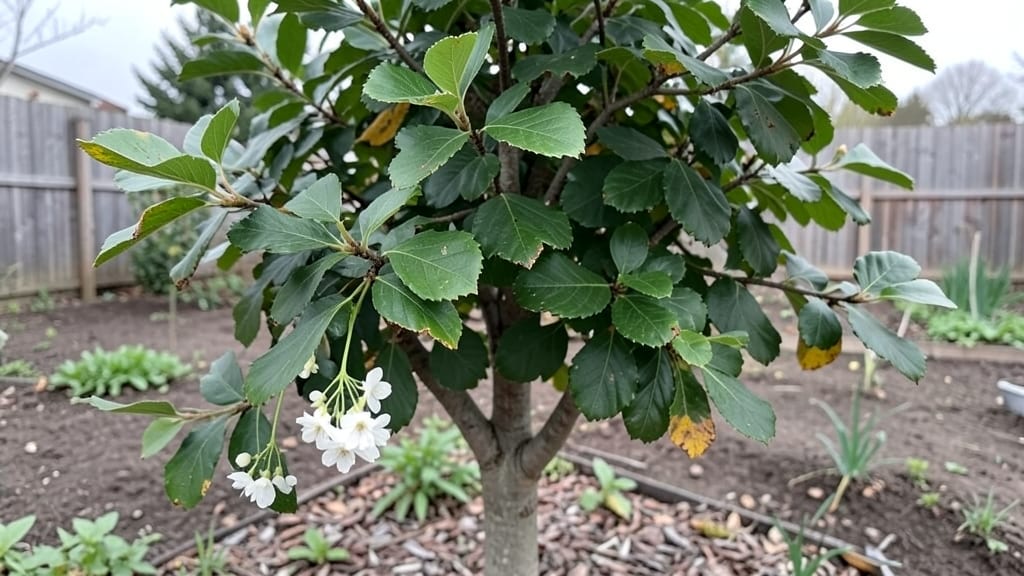
The thornless cockspur hawthorn (Crataegus coccinioides) is the Pacific Northwest's secret weapon for year-round beauty—its glossy leaves, showy berries, and frost-proof branches make it a standout that thrives where other trees struggle.
I planted mine last fall, and it's already outpacing neighbors' more finicky ornamentals, even after our brutal winter. The lack of thorns means kids and pets can play nearby without worry, while the dense branching provides shelter for birds all year long.
This tree loves full sun but handles partial shade, making it perfect for smaller yards or urban lots where space is tight. Well-draining soil is key—it tolerates clay but hates soggy roots—so amend heavy soil with compost before planting.
In the PNW's wet climate, mulch helps prevent root rot while keeping moisture consistent. Once established, it needs minimal watering, proving its reputation as a low-maintenance workhorse that still delivers high-impact results.
You'll love how it transforms from spring's fresh green foliage to autumn's fiery reds, then winter's starburst of berries that persist until hungry birds devour them. The thornless variety eliminates the usual hazards, letting you enjoy its ornamental value without the hassle.
Prune lightly in late winter to shape it, and you'll have a tree that looks good year-round with almost no effort.
Perfect for hedgerows, privacy screens, or as a focal point in mixed borders. Its adaptability means it works in city gardens, rural landscapes, or even large containers for small spaces. Here's how to get yours growing strong from day one.
📚 In This Guide
- What you need
- Instructions
- Tips and common mistakes
- Wrapping up and next steps
What you need
- ● Thornless cockspur hawthorn tree: 1 container-grown sapling (3–5 gallons, 4–6 ft tall) or bare-root (1–2 ft tall). Pro tip: Check local nurseries for PNW-specific varieties!
- ● Shovel or trowel: Medium-sized (for planting) or a digging bar (for larger holes).
- ● Compost or well-aged manure: 5–10 gallons to enrich planting soil.
- ● Mulch (wood chips or bark): 2–3 inches, organic and weed-free.
- ● Watering can or hose with nozzle: For gentle, deep watering (1–2 gallons per watering session).
- ● Pruning shears: Bypass type, sterilized (for shaping or cleanup).
- ● Garden gloves: Heavy-duty (thornless, but branches can be prickly during growth!).
- ● Soil test kit: To check pH (ideal: 6.0–7.0) and adjust if needed.
- ● Tree stake or bamboo supports: 1–2 stakes (if planting in windy areas).
- ● Slow-release fertilizer (10-10-10 or balanced): 1 lb for young trees.
- ● Tree collar protector: To prevent lawnmower damage.
- ● Drip irrigation system: For automated watering (great for busy gardeners!).
- ● Sunlight: Full sun (6+ hours/day) for optimal growth.
- ● Well-draining soil: Tolerates clay but thrives in loamy soil. Amend heavy soil with compost.
- ● Space: Mature height of 15–20 ft; plant 10–15 ft from structures or other trees.
- ● Timing: Plant in early spring or fall (avoid extreme heat or frost).
- ● Local regulations: Check HOA or city guidelines for tree planting restrictions.
How to plant and care for a thornless cockspur hawthorn tree
This sturdy Pacific Northwest favorite thrives with the right planting and maintenance approach.
Choose the Right Planting Location
Select a site with full sun exposure—at least 6 hours of direct sunlight daily. Hawthorns tolerate partial shade but won't develop their signature vibrant foliage or abundant blooms. In the Pacific Northwest's cooler climate, morning sun with afternoon shade works well for slower-growing specimens.
Check soil drainage before digging. Hawthorns hate soggy roots, so avoid low spots where water pools. If your soil drains poorly, amend with 2-3 inches of compost mixed into the top 12 inches of soil. The tree's natural resistance to frost makes it ideal for exposed sites where other ornamentals struggle.
Prepare the Planting Hole
Dig a hole twice as wide as the tree's root ball but no deeper. The top of the root ball should sit 1-2 inches above ground level—this prevents stem rot from sitting water. Loosen the sides of the hole with a shovel to encourage root spread into surrounding soil.
If planting in winter, wait until soil temperatures rise above 45°F to avoid cold shock. In spring, plant as soon as roots begin active growth. Gently remove the tree from its container, teasing apart any circling roots with your fingers. Never force the roots—this damages the delicate feeder roots essential for establishment.
Plant and Water Thoroughly
Place the tree in the center of the hole, ensuring the root flare (where roots meet trunk) is visible above soil level. Backfill with native soil, tamping gently every 3-4 inches to eliminate air pockets. Water immediately after planting to settle the soil and eliminate gaps.
Create a 3-4 inch deep watering basin around the base, extending beyond the root ball's edge. Apply 10-15 gallons of water slowly to prevent runoff. The soil should be moist 6-8 inches deep—use a trowel to check. Mulch with 2-3 inches of organic mulch (like wood chips) over the root zone, keeping it 6 inches away from the trunk to prevent rot.
Establish Care Routine for First Two Years
Water deeply once weekly during the first growing season, increasing to twice weekly during dry spells. The tree's deep root system means it needs consistent moisture during establishment but won't tolerate soggy conditions. You'll know it's getting enough water when the top 2 inches of soil remain slightly damp between waterings.
Fertilize lightly in early spring with a balanced 10-10-10 fertilizer, applying ½ cup per inch of trunk diameter. Avoid high-nitrogen fertilizers—they promote leafy growth at the expense of the tree's signature starburst blooms. Prune only to remove dead or crossing branches in late winter before new growth begins.
Maintain Long-Term Health
Once established, thornless cockspur hawthorns need minimal care. Water during prolonged dry periods—every 2-3 weeks in summer when rainfall drops below 1 inch per week. The tree's drought tolerance makes it perfect for Pacific Northwest landscapes where summer droughts are common.
Monitor for signs of stress: yellowing leaves indicate overwatering, while crispy edges signal underwatering. The tree's natural resistance to pests and diseases means you'll rarely need interventions. When pruning mature trees, remove no more than 25% of the canopy in one season to maintain the tree's structural integrity and encourage abundant flowering.
Tips & tricks for perfect thornless cockspur hawthorn planting
Here's what I wish I'd known before planting mine—these details make all the difference for long-term success.
Sunlight Strategy: While the instructions mention full sun, I've found that in Pacific Northwest coastal areas, morning sun with afternoon shade actually produces slightly more vibrant foliage. The tree still gets its required 6 hours of sunlight, but the afternoon shade helps prevent leaf scorch during our hot summer afternoons. If you're in a more inland area with intense afternoon sun, stick to full sun exposure to maintain that signature starburst bloom.
Root Ball Prep: When removing the tree from its container, I've learned to gently squeeze the root ball to encourage roots to spread outward. This mimics natural root growth and helps prevent the tree from becoming root-bound. In Step 2, after loosening the sides of the hole, I like to add a handful of mycorrhizal fungi to the bottom of the hole—this beneficial soil organism helps the tree's roots establish more quickly and efficiently absorb water and nutrients.
Watering Wisdom: The instructions mention creating a 3-4 inch deep watering basin, but I've found that adding a slow-release watering system like an underground irrigation line makes all the difference. These systems deliver water directly to the root zone without surface evaporation, which is especially helpful during our dry summers. You can still use the 10-15 gallons of water initially, but the slow-release system maintains consistent moisture at the 6-8 inch depth the tree needs.
Fertilizer Timing: While the instructions recommend fertilizing in early spring, I've discovered that a second light application in early summer helps maintain the tree's vigor, especially during our dry summers. Use half the recommended amount (¼ cup per inch of trunk diameter) to avoid over-fertilizing. This second feeding helps the tree prepare for winter and promotes better flowering the following spring.
Pro Tips for Thornless Cockspur Hawthorn Tree
- Here's what I wish I'd known before planting mine—these details make all the difference for long-term success.
- Sunlight Strategy: While the instructions mention full sun, I've found that in Pacific Northwest coastal areas, morning sun with afternoon shade actually produces slightly more vibrant foliage.
- Root Ball Prep: When removing the tree from its container, I've learned to gently squeeze the root ball to encourage roots to spread outward.
Frequently asked questions
Got questions about the thornless cockspur hawthorn tree? You’re not alone! Here are some of the most common inquiries from gardeners and landscapers in the Pacific Northwest—plus answers to help you make the best choices for your yard.
How fast does a thornless cockspur hawthorn tree grow?
A thornless cockspur hawthorn typically grows at a moderate pace, averaging 12–24 inches per year. In ideal conditions (full sun, well-drained soil), it can reach 15–25 feet tall over 10–15 years. Patience is key—this tree’s slow-to-moderate growth makes it perfect for long-term landscaping without constant pruning.
Is this tree truly frost-resistant for the Pacific Northwest?
The thornless cockspur hawthorn is hardy in USDA zones 5–9, thriving in the PNW’s freeze-thaw cycles. It handles sub-zero temps and even light coastal fog without stress. Just avoid soggy soil—drainage is critical—and it’ll reward you with vibrant blooms year after year, even after harsh winters.
Can I plant this tree near a driveway or sidewalk?
Yes! Unlike its thorny relatives, the thornless variety is safe for high-traffic areas. Its dense, rounded shape makes it ideal for hedges, privacy screens, or foundation plantings. Just leave 3–5 feet of clearance for mature width to avoid root conflicts with sidewalks or driveways.
Does this tree attract bees or other pollinators?
It’s a pollinator magnet! The thornless cockspur hawthorn produces fragrant white flowers in spring, drawing bees, butterflies, and hummingbirds. The red berries that follow also feed birds like robins and cedar waxwings. If you love wildlife, this tree is a must-have for your PNW garden.
How do I prune it to keep it in check?
Prune in late winter or early spring to shape the tree and remove dead branches. Use clean, sharp tools to make cuts just above a bud or branch collar. Avoid heavy pruning—this tree responds best to light, strategic trims. For a hedge, shear lightly after flowering to encourage bushiness.
What’s a good alternative if I need a faster-growing tree?
If speed is your priority, consider the ‘Green Cloud’ bridal veil spruce (12–24”/year) or ‘Emerald Green’ arborvitae (12”/year). However, neither offers the thornless cockspur’s durability, wildlife benefits, or stunning fall color. For a balance, try the ‘Honey Locust’ (thornless cultivars available), which grows faster but may need more maintenance.
Wrapping up and next steps
The thornless cockspur hawthorn tree is a true gem for Pacific Northwest gardens—easy to grow, resilient to frost, and bursting with seasonal beauty. 🌿 Whether you’re drawn to its vibrant blooms, lush foliage, or low-maintenance charm, this tree delivers year-round appeal with minimal fuss.
Ready to transform your landscape? Start by selecting the perfect spot, gathering your supplies, and planting with confidence—your future favorite tree is just a few steps away!