Trees
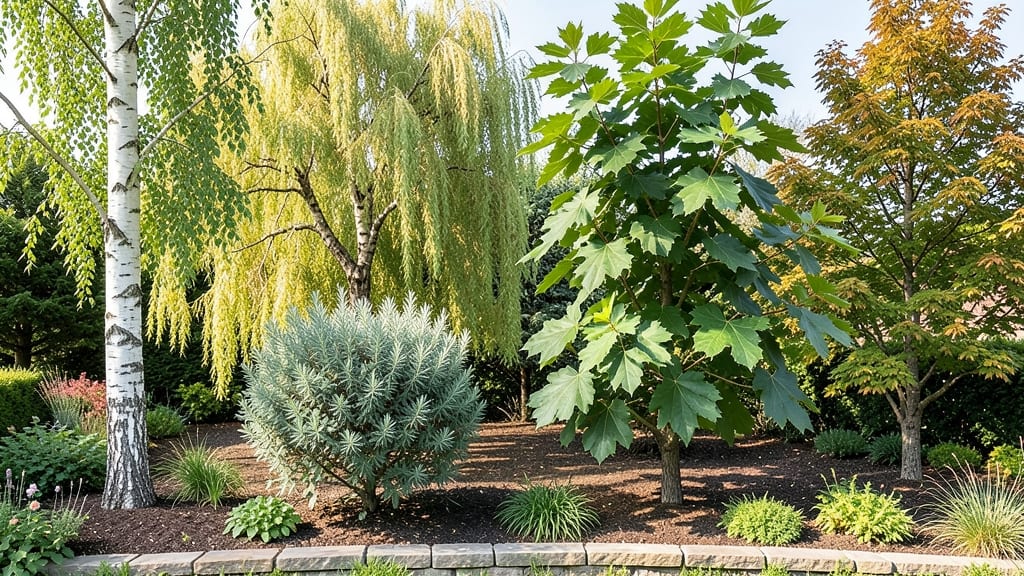
The fastest way to transform your yard is planting trees that grow top 10 fast-growing trees—some even hit their mature height in just five years.
I remember standing in my backyard three years ago, staring at a bare stretch of fence, and thinking, "This could be a lush green wall by summer." Now, it's a thriving privacy screen that blocks the neighbor's view and adds value to our home.
The secret isn't magic—it's choosing the right species for your climate and space.
These trees aren't just quick—they're versatile too. Some, like the Empress Tree, shoot up 8 feet per year and create instant shade, while others, like Arborvitae, grow densely for windbreaks or soundproofing.
My favorite for small yards? Green Giant Arborvitae—it stays narrow but grows 3-5 feet annually, perfect for tight spaces. Most need full sun and well-draining soil, but a few, like Weeping Willow, tolerate wet soil and partial shade.
By next summer, you could have a 15-foot-tall privacy screen where there was once just dirt. Imagine morning coffee under the dappled shade of a Leyland Cypress or the rustling leaves of a Dawn Redwood swaying in your breeze.
The key is picking the right tree for your zone—some thrive in the South, others in the North—and giving them room to spread their roots. Let's get you planted!
Here's the twist: fast growth doesn't mean flimsy branches. These trees develop strong wood and dense foliage quickly, making them durable and low-maintenance once established. Whether you're blocking noise, adding curb appeal, or creating a wildlife haven, these species deliver results faster than you'd expect.
Ready to pick your perfect match?
📚 In This Guide
- What you need
- Instructions
- Tips and common mistakes
- Wrapping up and next steps
What you need
- ● Tree saplings: 10–20 (depending on desired height and spacing; e.g., 6–8 ft apart for optimal growth). Choose from your top 3–5 fast-growing species (e.g., Leucadendron, Bamboo, or Willow).
- ○ Shovel or digging bar: 1 (preferably ergonomic for ease). For rocky soil, a mattress fork (optional but helpful).
- ● Garden gloves: 1–2 pairs (nitrile-coated for durability and grip).
- ● Mulch: 2–3 bags (wood chips or pine straw, 2–4 inches deep per tree). Avoid dyed mulch.
- ● Compost or organic fertilizer: 1–2 bags (balanced 10-10-10 or slow-release, like Alfisol).
- ● Watering can or hose with nozzle: 1 (soaker hose preferred for deep hydration).
- ● Stakes & twine: 10–20 stakes (4–6 ft tall) + twine (for young trees in windy areas).
- ● Pruning shears: 1 (bypass pruners for clean cuts).
- ● Soil test kit: 1 (to check pH and nutrient levels; ideal range: 6.0–7.0).
- ● Tree guard or protective wrap: 10–20 (for young trunks against pests/sunburn).
- ● Drip irrigation system: 1 (automates watering for large plantings).
- ● Post-hole digger: 1 (if staking deeply).
- ● Wheelbarrow: 1 (for hauling mulch/soil).
How to establish a privacy screen in record time
Here's how to pick and plant trees that grow fast enough to block nosy neighbors in just five years.
Choose Trees That Hit 20+ Feet in 5 Years
Start with species known for rapid height growth—Leyland cypress and Thuja green giant can reach 20-30 feet tall in that timeframe. Silver maple and hybrid poplar are also top performers, growing 5-8 feet per year under ideal conditions. Avoid slow-growing ornamentals like Japanese maples; they’ll take decades to provide privacy.
Check your hardiness zone—Leyland cypress thrives in zones 6-10, while hybrid poplar prefers 3-8. Planting the right species ensures you won’t waste years waiting for shade or screening. I always verify local climate suitability before buying saplings, because a mismatched tree will struggle and stunt growth.
Plant in Early Spring for Maximum Growth
Timing matters—plant bare-root trees in late winter or early spring (before buds swell) for the best start. Container-grown trees can go in until fall, but spring planting gives them 3-4 months of growing season before winter dormancy. Dig holes twice as wide as the root ball but only as deep—burying the root flare too deep suffocates the tree.
Amend the planting hole with 2 inches of compost mixed into the native soil. This boosts early root development, which directly translates to faster height growth. Water deeply right after planting—2-3 gallons per tree—to eliminate air pockets and encourage root spread. Mulch with 3 inches of wood chips to retain moisture and regulate soil temperature.
Water Deeply and Consistently for First Two Years
Young fast-growing trees need deep, infrequent watering—1-2 inches per week—to develop strong root systems. I use a soaker hose or drip irrigation to deliver water slowly at the base, avoiding wetting the foliage (which invites disease). Leyland cypress and Thuja especially appreciate this method, as they’re prone to fungal issues if kept too damp.
Check soil moisture 2 inches below the surface—if it’s dry, water again. Overwatering is just as harmful as underwatering; fast-growing trees need oxygen in their roots too. After the first year, you’ll see new growth rings in the trunk each spring, signaling healthy expansion. If growth stalls, it’s usually a sign of inconsistent watering or poor drainage.
Fertilize Strategically to Avoid Overgrowth
Apply a balanced, slow-release fertilizer (10-10-10) in early spring and again in mid-summer for the first two years. Fast-growing trees like hybrid poplar can deplete soil nutrients quickly, but over-fertilizing leads to weak, leggy growth. Stick to ½ cup per tree per application—more won’t speed things up, but it will encourage soft, disease-prone wood.
Focus on root development first. A tree with a wide, deep root system grows taller and stays stable in storms. I avoid high-nitrogen fertilizers (like lawn food) because they promote foliage over structure. Instead, I use organic options like composted manure or bone meal for steady, balanced nutrition. You’ll notice stronger stems and denser branching within a season.
Prune for Structure and Health, Not Just Height
Prune Leyland cypress and Thuja in late winter to shape the tree and remove dead branches. For maples and poplars, prune in early spring before new growth starts. Never remove more than 25% of the canopy in one season—aggressive pruning stresses fast-growing trees and can slow height gain. Focus on opening the center to improve air circulation and reduce disease risk.
Watch for suckers (shoots at the base) and water sprouts (vertical shoots along branches). Remove them immediately—they divert energy from upward growth. With proper pruning, your trees will develop a strong, symmetrical shape while still hitting that 20-foot mark in 5 years. I always step back after pruning to check balance; a lopsided tree grows unevenly and may lean over time.
Tips & tricks for fast-growing privacy trees
Here's what I learned after planting my own privacy screen—these details make all the difference between a tree that struggles and one that hits 20 feet in five years.
Species Selection Matters: In Step 1, when choosing your trees, consider the mature size of the species you pick. While Leyland cypress and Thuja green giant are both excellent choices, Leyland cypress grows taller (up to 30 feet) but narrower (12-15 feet wide), making it ideal for tight spaces. Silver maple, on the other hand, grows wider (40-50 feet) but only reaches 40-60 feet tall, so it's better for broader screening. I planted Leyland cypress along my property line where space was limited, and it's now providing perfect privacy.
Planting Time is Critical: The instructions emphasize planting in late winter or early spring, but I've found that planting in early spring (around March) gives trees an extra boost. The soil is workable but still retains moisture from winter, and the trees get a full growing season before winter dormancy. If you're in a warmer climate (zones 8-10), you can plant container-grown trees in early fall, but bare-root trees still do best in spring. This timing is especially important for hybrid poplar, which can grow up to 8 feet in its first year.
Watering Technique Boosts Growth: In Step 3, the instructions mention deep, infrequent watering, but I've learned that consistency is key. Use a rain gauge or tuna can to measure your weekly watering—aim for 1-2 inches total. For the first year, I water every 5-7 days, checking soil moisture 2 inches below the surface. If it's dry, water again. For the second year, you can extend to 7-10 days between waterings. I've seen trees grow twice as fast when watered consistently this way.
Fertilizer Timing and Type: The instructions specify a balanced fertilizer, but I've found that applying it at the right time makes a huge difference. In Step 4, apply the first dose of 10-10-10 fertilizer in early spring as new growth begins, and the second dose in mid-summer after you've pruned. For organic options, I've had great success with composted manure or bone meal. These organic fertilizers release nutrients slowly, which prevents overgrowth and encourages strong root development—critical for fast height growth.
Pro Tips for Top 10 Fast Growing Trees
- Here's what I learned after planting my own privacy screen—these details make all the difference between a tree that struggles and one that hits 20 feet in five years.
- Species Selection Matters: In Step 1, when choosing your trees, consider the mature size of the species you pick.
- Planting Time is Critical: The instructions emphasize planting in late winter or early spring, but I've found that planting in early spring (around March) gives trees an extra boost.
Frequently asked questions
Got questions about fast-growing trees? You’re not alone! Here are answers to the most common queries to help you plant with confidence—whether you’re building a privacy screen, boosting curb appeal, or just curious about nature’s speedy greenery.
How soon can I expect privacy from these trees?
Most fast-growing trees on this list can create a dense privacy screen in 3–5 years, depending on spacing and care. For example, Leyland cypress or hybrid poplars can reach 15–20 feet tall in just 3 years! Plant them 3–6 feet apart for quicker coverage. Pro tip: Mulch and water deeply in the first year to turbocharge growth.
Do fast-growing trees have shallow roots?
Not always! While some (like willows or silver maples) have aggressive, shallow roots, others—such as Thuja (Arborvitae) or Paulownia—develop deeper root systems. Always check the species before planting near foundations or driveways. Warning: Avoid planting willows or poplars near septic systems or pools—they can cause damage!
Can I plant these trees in clay soil?
Yes, but with a twist! Trees like Silver Maple or Eastern Redbud tolerate clay, while others (e.g., Leyland cypress) prefer well-draining soil. Fix clay soil by:
- Amending with compost or gypsum before planting.
- Planting on a mound to improve drainage.
- Choosing native species like Black Walnut (slower but resilient).
Will fast-growing trees live a long time?
Some do! While hybrid poplars may only live 20–30 years, others like Thuja or Eucalyptus can thrive for 50+ years with proper care. Climate matters: Eucalyptus loves heat, while Leyland cypress struggles in extreme cold. Always pick a tree suited to your USDA hardiness zone.
Are there cheaper alternatives to expensive fast-growing trees?
Skip pricier species like Paulownia (which can cost $100+ per tree) and opt for budget-friendly picks:
- Silver Maple ($30–$50) – Fast and adaptable.
- Russian Olive ($25–$40) – Drought-tolerant and hardy.
- Green Ash ($40–$60) – Native and low-maintenance.
Do fast-growing trees attract pests or diseases?
Some do! Willows and Poplars are prone to aphids, borers, and fungal diseases, while Eucalyptus can attract possums. Mitigate risks by:
Wrapping up and next steps
Transforming your outdoor space with fast-growing trees is not just possible—it’s achievable in record time! 🌱 Whether you’re craving instant privacy, shade, or natural beauty, these top 10 trees deliver results faster than you’d expect.
From the Paulownia tomentosa to the Leyland Cypress, each offers unique benefits tailored to your needs.
Ready to take action? Start by researching your climate and soil conditions, then pick the perfect tree from our list. Plant it today—your future shade (or windbreak!) won’t have to wait long! 🌳✨