
Pruning
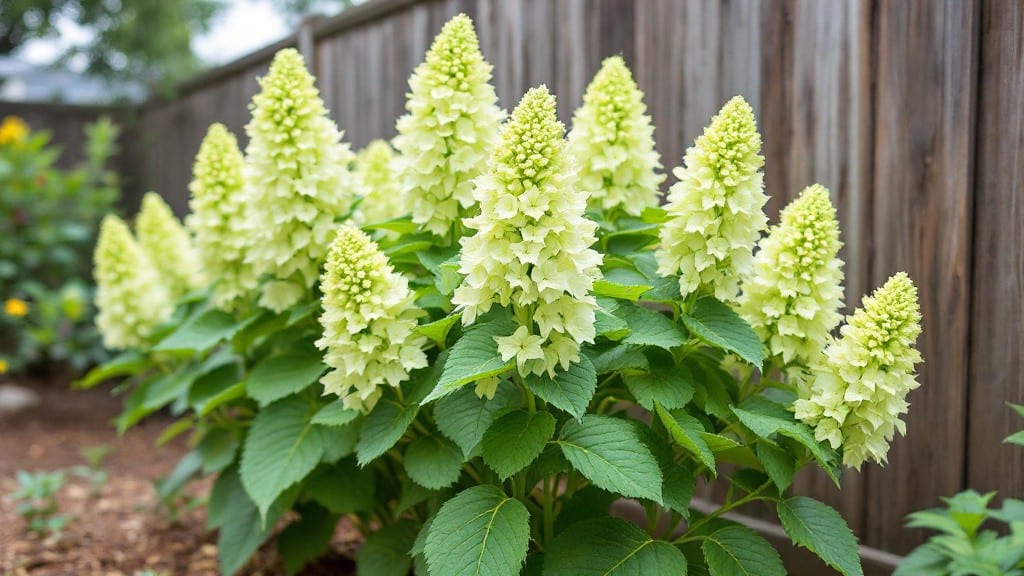
The tree form Limelight hydrangea is the Pacific Northwest's answer to year-round vertical drama—tough as nails against frost, sturdy as a redwood, and loaded with those signature lime-green blooms that glow like lanterns in winter.
I planted mine last spring, and by summer, it was already topping out at 6 feet with barely any fuss. The secret? It grows like a tree should—upright, strong, and with a natural shape that needs minimal fussing to look spectacular.
This isn’t your average hydrangea. Tree form Limelight hydrangeas thrive in partial shade to full sun, handle wet winters without flinching, and bloom on both old and new wood, meaning you get flowers even if you prune late. The soil?
Rich, well-draining loam with a splash of compost—think of it as a foolproof mix that forgives forgetful watering. And here’s the kicker: once established, it’s nearly drought-tolerant, making it the perfect low-maintenance star for busy gardeners or shady corners that other plants avoid.
By next summer, you’ll have a bushy, 8-foot-tall vertical masterpiece with blooms that last from early summer through frost. The key? Pruning in late winter to shape it like a tree—think of it as sculpting a living Christmas tree, but with flowers instead of ornaments.
And the best part? It keeps its lush foliage all winter, turning your yard into a year-round showstopper without a single dead branch in sight.
Whether you’re filling a shady corner, adding height to a border, or just craving a plant that outshines everything else, this hydrangea delivers. Let’s get yours growing like the Pacific Northwest powerhouse it’s meant to be.
📚 In This Guide
- What you need
- Instructions
- Tips and common mistakes
- Wrapping up and next steps
What you need
- ● Pruning shears: Sharp, bypass-style (for clean cuts), sized for small to medium branches (6–8" blades). Example: Felco F-2 or similar.
- ● Loppers: For thicker stems (1–2" diameter), with a longer handle (24–36") for reach. Example: Corona 44007.
- ● Pruning saw: Curved-tooth saw (for stubborn, woody growth). Example: Fiskars X7.
- ● Disinfectant: 70% isopropyl alcohol or bleach solution (1 part bleach : 9 parts water) to sterilize tools between cuts.
- ● Gloves: Heavy-duty, cut-resistant gloves (e.g., Mechanix Wear or similar) to protect hands from thorns and sap.
- ○ Plant ties (optional but handy): Soft velcro or fabric strips to secure new growth if needed (e.g., 1"–2" wide).
- ● Mulch: Organic mulch (e.g., shredded bark or pine needles) to retain moisture and insulate roots (2–3" layer).
- ● Handheld leaf blower: For clearing debris post-prune (e.g., Ego Power+ or similar).
- ● Pruning sealant: Tree wound dressing (like Tanglefoot Tree Wound Pruning Sealer) for large cuts (controversial—skip if unsure!).
- ● Ladder: Lightweight aluminum step ladder (4–6 ft) if your hydrangea is over 6 ft tall.
- ● Hydrangea food: Acid-loving plant fertilizer (e.g., Miracid or Holly-tone) to replenish nutrients after pruning.
How to plant and maintain tree form Limelight hydrangea for year-round structure
This striking shrub thrives in the Pacific Northwest’s climate—here’s how to plant and care for it properly.
Choose the Perfect Planting Spot
Tree form Limelight hydrangeas need partial shade to full sun—at least 4-6 hours of morning sunlight to prevent leaf scorch. In hotter inland areas, afternoon shade helps maintain vibrant blooms. I always check the microclimate: spots near fences or buildings stay cooler and are ideal.
Dig a hole twice as wide as the root ball but no deeper—this encourages outward root growth. Amend the native soil with 2 inches of compost mixed into the bottom of the hole. The plant’s tolerance for USDA zones 3-8 makes it versatile, but avoid low-lying areas where frost pools.
Plant with Proper Spacing and Mulching
Space plants 6-8 feet apart to allow airflow and future growth. Place the shrub so the top of the root ball sits 1 inch above ground level—this prevents stem rot. Gently loosen the roots if they’re circling and position the plant straight in the hole.
Backfill with native soil, pressing lightly to remove air pockets. Water deeply to settle the soil, then apply 3 inches of mulch (like bark or wood chips) around the base, keeping it 3 inches away from the stem. This mulch layer retains moisture and regulates soil temperature—critical in the PNW’s wet winters and dry summers.
Water and Fertilize for Strong Establishment
Water deeply 2-3 times per week for the first month, then taper to once a week once established. Check moisture by sticking your finger 2 inches into the soil—if it’s dry, water again. Overwatering leads to root rot, so ensure the planting site has good drainage.
In early spring, apply a balanced 10-10-10 fertilizer (following label rates) to encourage new growth. Avoid high-nitrogen fertilizers later in the season—they promote leafy growth at the expense of blooms. Limelight hydrangeas reward patience: established plants need little extra care beyond annual pruning.
Prune for Shape and Blooms
Prune immediately after flowering (late summer) to shape the tree form. Remove dead or crossing branches first, then trim back overly long stems to maintain the vertical structure. Never prune into old wood—new growth emerges from the current year’s stems.
For a more formal look, lightly trim the outer branches in early spring to encourage dense foliage. Avoid heavy pruning in fall, as the plant needs time to harden off before winter. The tree form’s natural shape makes it low-maintenance, but a little annual shaping keeps it looking intentional.
Tips & tricks for perfect tree form Limelight hydrangea planting
Here's what I've learned from years of growing these stunning shrubs that makes all the difference in their long-term success.
Sunlight Strategy: When choosing your planting spot, pay special attention to the morning sun angle. The 4-6 hours of morning sunlight mentioned in Step 1 should ideally come from the east or southeast to avoid the harsh afternoon sun. I've found that planting near a north-facing wall provides natural shade during the hottest part of the day while still getting plenty of morning light. This balance is crucial for preventing leaf scorch while maintaining vibrant blooms.
Root Ball Preparation: Before planting, soak the root ball in water for about 30 minutes to ensure it's thoroughly hydrated. This helps reduce transplant shock, which is particularly important for tree form hydrangeas that have a more delicate structure. After planting, I also create a small water reservoir around the base by forming a slight depression in the soil—this helps direct water straight to the roots during those critical first few weeks.
Mulching Mastery: The 3 inches of mulch specified in Step 2 should be applied after the soil has settled from initial watering. I recommend using coarse wood chips or bark mulch, which breaks down more slowly and provides better insulation. Keep that mulch 3 inches away from the stem to prevent moisture buildup that could lead to stem rot. In particularly cold winters, I add an extra 1-2 inches of mulch around the base for added frost protection.
Watering Wisdom: The 2-inch soil moisture check mentioned in Step 3 is your best friend. I've learned that hydrangeas actually prefer slightly drier conditions than many gardeners realize. While they need consistent moisture during establishment, once mature, they can handle brief dry periods better than soggy soil. Water deeply but less frequently—this encourages deeper root growth that makes the plant more resilient during our unpredictable PNW winters.
Pro Tips for Tree Form Limelight Hydrangea
- Here's what I've learned from years of growing these stunning shrubs that makes all the difference in their long-term success.
- Sunlight Strategy: When choosing your planting spot, pay special attention to the morning sun angle.
- Root Ball Preparation: Before planting, soak the root ball in water for about 30 minutes to ensure it's thoroughly hydrated.
Frequently asked questions
Got questions about growing and pruning Tree Form Limelight Hydrangea? You’re not alone!
Here are answers to the most common queries from gardeners in the Pacific Northwest and beyond.
When is the best time to prune my Tree Form Limelight Hydrangea?
Prune your Tree Form Limelight in late winter or early spring (February–March) before new growth begins. This timing ensures you shape the plant without cutting off next season’s blooms. Avoid pruning in fall, as it can leave tender stems vulnerable to frost.
How much water does this hydrangea need, especially in the PNW’s rainy climate?
While the PNW’s rain helps, Tree Form Limelight thrives with consistent moisture—about 1–1.5 inches per week. Water deeply 2–3 times per week in dry spells (even in rainy seasons) to encourage strong root growth. Mulch around the base to retain moisture and regulate soil temperature.
Is Tree Form Limelight truly frost-proof, or do I need extra protection in harsh winters?
Yes! This variety is hardy to USDA Zones 4–9 and handles frost beautifully. However, in extreme cold snaps (below 0°F)
To promote bushiness, prune back 1/3 of the oldest stems each year to stimulate new growth. Pinch back tips of new shoots in early summer to encourage branching. Avoid heavy pruning in the first year—let the plant establish its natural structure first! If your site has poor drainage or intense shade, try these PNW-friendly hydrangeas:
Yellowing leaves often signal overwatering or poor drainage. Brown edges or crispy leaves usually mean underwatering or heat stress. Check soil moisture—hydrangeas hate soggy roots but also need steady hydration. Fungal issues (like powdery mildew) can cause spotting; improve airflow and avoid overhead watering. How do I encourage a bushier, fuller shape instead of a leggy tree form?
What are some alternatives if Tree Form Limelight doesn’t thrive in my garden?
All three handle PNW winters well!
Why are my hydrangea leaves turning yellow or brown?
Wrapping up and next steps
Transforming your Tree Form Limelight Hydrangea into a stunning vertical centerpiece is easier than you think—especially with the right tools and techniques! 🌿 This frost-proof beauty thrives in the Pacific Northwest’s climate, rewarding you with bold blooms year after year.
Whether you’re pruning for shape, health, or sheer drama, remember: patience and precision are key.
Ready to elevate your garden? Grab your shears, schedule your next pruning session (early spring or late winter is ideal!), and watch your hydrangea steal the show. Your future self—and your neighbors—will thank you! 🌸✨