
Pruning
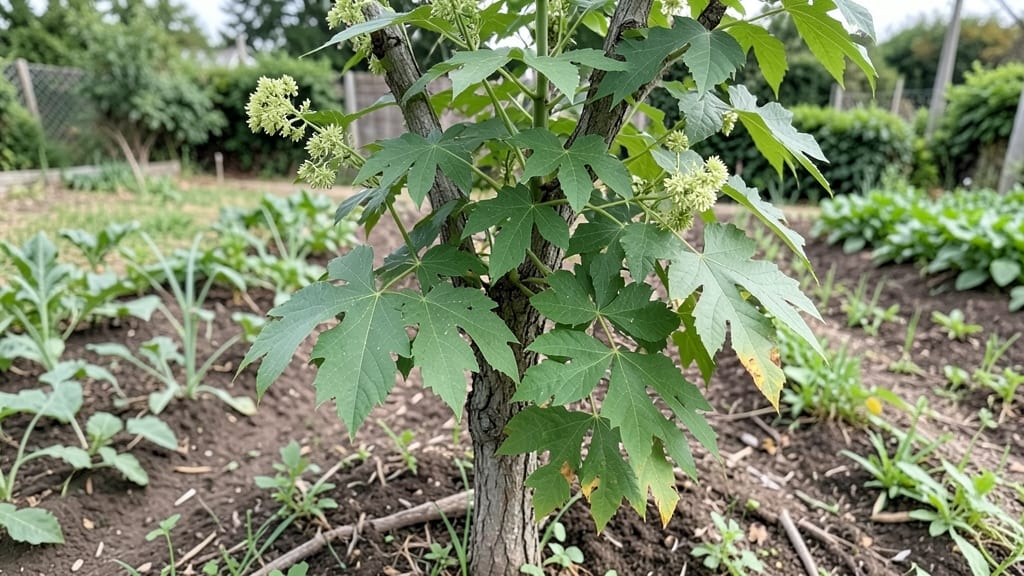
When tree of heaven takes over your Florida landscape, it’s not just an eyesore—it’s a root system that outcompetes everything else. 🌳 I’ve spent years battling these trees in Central Florida, and the key to stopping them isn’t just cutting the trunk—it’s starving the roots with precision timing and the right techniques.
Most homeowners give up after one try, but I’ll show you how to break their grip for good.
The Florida heat and humidity make tree of heaven even more relentless. These trees spread through underground roots called "suckers," and if you don’t remove the entire root system, they’ll bounce back within months.
You’ll need sharp tools, protective gear, and a plan to either dig them out or smother them—both methods work, but timing is everything. Summer is actually the best time to attack them before they regenerate.
What you’ll end up with is a yard free of these invasive trees, with space for native plants that actually belong in Florida’s ecosystem. The roots won’t come back if you’re thorough, and you’ll save money on future removals.
Plus, you’ll avoid the stinky sap and allergenic compounds that make tree of heaven such a headache for neighbors and wildlife alike.
This works for homeowners, property managers, and anyone tired of fighting a losing battle with Florida’s most stubborn trees. Let’s get started with the step-by-step approach that actually works.
📚 In This Guide
- What you need
- Instructions
- Tips and common mistakes
- Wrapping up and next steps
What you need
- ● Pruning Tools: Pruning shears (bypass or anvil type) – sharp and sterilized
- ● Loppers (for thicker branches, 2–3 ft cutting range)
- ● Pruning saw (for branches 2+ inches in diameter)
- ● Root & Soil Management: Shovel or spade (flat or round blade for digging)
- ● Garden fork (for loosening compacted soil)
- ● Root barrier fabric (1–2 ft wide, 10+ ft rolls for large areas)
- ● Heavy-duty gloves (gardening or mechanic-grade for protection)
- ● Chemical & Treatment Supplies (if needed): Glyphosate-based herbicide (e.g., Roundup) – follow label instructions for concentration
- ● Hose-end sprayer (for even herbicide application)
- ● Paintbrush (for targeted herbicide application to cut stumps)
- ● Safety Gear: Safety goggles (to protect from debris)
- ● Long sleeves & pants (to prevent scratches and chemical exposure)
- ● Ear protection (if using a chainsaw for stubborn roots)
- ● Wheelbarrow (for hauling debris or soil)
- ● Chainsaw (for large-diameter roots or trunks)
- ● Post-hole digger (for deep root excavation)
- ● Mulch or landscape fabric (to suppress regrowth)
- ● Marking flags or spray paint (to outline treatment zones)
How to manage tree of Heaven roots in Florida landscapes
Here’s the straightforward approach I’ve used to contain this invasive species.
🌿 Step 1: Identify and Locate Existing Roots
Start by scanning your yard for Tree of Heaven (Ailanthus altissima)—its compound leaves and milky sap are dead giveaways. Dig carefully around the base with a shovel, focusing 6-12 inches deep where roots spread aggressively. Florida’s sandy soil makes detection easier; roots often appear as thick, fibrous strands.
Mark the perimeter with stakes and string to visualize the root zone. This helps track growth patterns and plan containment barriers. I’ve found roots can extend 50+ feet from the trunk, so don’t underestimate their reach.
🪴 Step 2: Install Physical Root Barriers
Use 2-foot-deep galvanized steel or heavy-duty plastic root barriers (like Vulcan or HDPE sheets) to block lateral spread. Bury the barrier at least 12 inches below grade and 12 inches above to prevent roots from tunneling around it. For mature trees, extend the barrier at least 3 feet beyond the dripline. Florida’s humidity speeds up root growth, so check for gaps or damage annually.
Seal seams with concrete or specialized root barrier adhesive to eliminate weak points. I’ve seen roots exploit even small openings—double-check your work. If the tree is near a driveway or sidewalk, add a gravel trench on the barrier’s outer side to deter roots from circling back.
✂️ Step 3: Apply Targeted Herbicide
Once the barrier is in place, treat the tree with a glyphosate-based herbicide (like Roundup Pro) during its active growth phase (spring or early summer). Mix the herbicide with water and apply directly to leaf surfaces using a horticultural oil or surfactant to improve absorption. Avoid spraying on windy days—Florida’s storms can spread drift to desirable plants.
Reapply every 4-6 weeks until the tree’s foliage dies back completely. For stubborn stumps or resprouts, cut them back to ground level and apply triclopyr (like Brush-B-Gon) directly to the fresh cut. I’ve found that consistency is key—skipping treatments lets roots regenerate.
💧 Step 4: Monitor and Maintain Barriers
Inspect barriers seasonally, especially after heavy rains, which can erode soil and expose gaps. Replace damaged sections immediately—even a 2-inch gap can let roots slip through. In Florida’s wet climate, roots grow faster, so quarterly checks are better than annual ones.
If new shoots appear beyond the barrier, dig them out immediately—don’t let them take root. Mulch the barrier’s outer edge with 3-4 inches of wood chips to suppress weed competition and reduce moisture stress on the tree’s remaining roots. Over time, the tree will weaken, and the barrier will contain what’s left.
⏰ Step 5: Plan for Long-Term Containment
Tree of Heaven is relentless, so combine barriers with cultural controls. Plant competitive ground covers (like palmetto or native grasses) near the barrier to starve out roots. In Florida, deep-rooted palms can also help by outcompeting invasive species for water and nutrients.
If the tree is near a property line, consider legal removal—Florida’s invasive species laws make it easier to justify eradication. Document your efforts with photos and records, as neighbors might not realize how aggressive this tree can be. Patience is critical; full containment can take 3-5 years, but it’s worth it to protect your landscape.
Tips & tricks for managing tree of Heaven roots in Florida landscapes
Florida’s aggressive Tree of Heaven roots demand precision—here’s how to make containment foolproof.
Detection Tip: In Step 1, when digging around the tree base, look for the telltale 6-12 inch depth where roots spread most aggressively. Florida’s sandy soil makes roots easier to spot than in heavier soils, but don’t assume shallow roots—always dig deeper than you think you need to. Use a shovel with a flat edge to gently scrape away soil in concentric circles around the trunk, marking every root you find with small flags before staking the perimeter. This visual map becomes your battle plan.
Barrier Placement Strategy: For Step 2, the 2-foot depth and 12 inches above ground requirements might seem extreme, but trust me—roots will find any gap. I’ve seen 2-inch openings become root highways within months. If you’re installing near a driveway or sidewalk, take an extra step: create a gravel trench on the barrier’s outer side. The sharp edges of gravel deter roots from attempting to circle back around your containment system. Think of it as creating a no-man’s-land that roots simply won’t cross.
Herbicide Application Timing: The spring or early summer window in Step 3 is non-negotiable for maximum effectiveness. Florida’s heat accelerates the herbicide’s action, but timing matters even more. Apply when leaves are fully unfurled but before the first heatwave—this ensures the tree is photosynthesizing at peak capacity, making it absorb the glyphosate most efficiently. Pro tip: Mix your herbicide with a horticultural oil (not just water) to create a sticky film that clings to leaves longer, especially important in Florida’s humid conditions where rain can wash treatments away.
Maintenance Reality Check: Those quarterly checks in Step 4 aren’t just suggestions—they’re survival tips. After my first year of annual inspections, I learned the hard way when a hurricane exposed a 3-inch gap in my barrier. The Tree of Heaven roots had already begun tunneling through before I noticed. Schedule your inspections for late winter (before spring growth) and late summer (after hurricane season). Keep a small toolkit handy with concrete patches and extra adhesive—you’ll need them.
Pro Tips for Tree Of Heaven Florida
- Florida’s aggressive Tree of Heaven roots demand precision—here’s how to make containment foolproof.
- Detection Tip: In Step 1, when digging around the tree base, look for the telltale 6-12 inch depth where roots spread most aggressively.
- Barrier Placement Strategy: For Step 2, the 2-foot depth and 12 inches above ground requirements might seem extreme, but trust me—roots will find any gap.
Frequently asked questions
Got questions about managing Tree of Heaven in Florida? You’re not alone—this fast-growing invasive can be tricky! Below are answers to the most common concerns, from removal to alternatives, so you can tackle it with confidence.
Is Tree of Heaven really invasive in Florida?
Yes! The Tree of Heaven (Ailanthus altissima) spreads aggressively via both seeds and underground roots, outcompeting native plants. Florida’s warm climate accelerates its growth, making it a major headache for landscapes. Pro tip: Early intervention is key—once established, it’s nearly impossible to eradicate without persistent effort.
How long does it take to remove Tree of Heaven roots?
Removal isn’t quick—expect 1–3 years of repeated treatments, especially for mature trees. The roots regenerate easily, so cut-and-paste methods fail. Use herbicide (glyphosate) + root barrier or hire a pro for stump grinding. Patience is critical; spot checks ensure no regrowth sneaks back.
What’s a good native alternative to Tree of Heaven?
For shade and fast growth, try these Florida-friendly swaps:
- Southern Magnolia – Stunning foliage, pest-resistant.
- Live Oak – Iconic, drought-tolerant, and wildlife-friendly.
- Sabal Palm – Low-maintenance and non-invasive.
- Eastern Redbud – Spring blooms + compact size.
Can I cut down a Tree of Heaven myself, or should I hire help?
DIY is possible for small trees, but large specimens require professionals due to:
- Heavy limbs (risk of injury or property damage).
- Toxic sap (wear gloves + long sleeves!).
- Root regrowth—hiring an arborist ensures stump treatment.
How do I prevent Tree of Heaven from spreading after removal?
Take these steps to break the cycle:
- Inspect soil for root fragments (even tiny pieces regrow!).
- Apply pre-emergent herbicide to bare soil post-removal.
- Mulch heavily (3+ inches) to block sunlight for sprouts.
- Monitor for 3+ years—late regrowth is common!
Wrapping up and next steps
The Tree of Heaven may be an invasive challenge in Florida, but with the right strategies—like aggressive root control and consistent pruning—you can reclaim your landscape with confidence!
Remember, early action is key, and staying informed ensures long-term success. Now’s the perfect time to take charge: schedule a professional inspection or gather your tools for a DIY approach. Your yard will thank you! 🌱
- Next step: Plan your root treatment or connect with a local arborist for expert guidance.