
Pruning
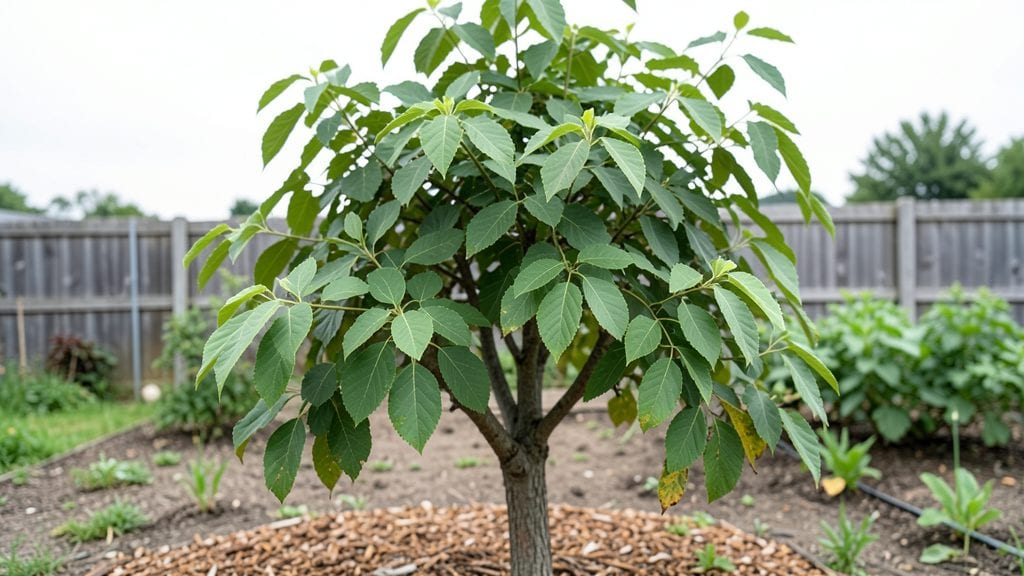
The Tree of Heaven in fall transforms from a towering green wall into a brownish-yellow spectacle that’s equal parts striking and alarming. 🌿 This invasive tree drops its leaves early, often by late October, and its seed pods explode like tiny firecrackers—covering sidewalks with sticky winged seeds.
The real challenge? Keeping it contained while your neighbors’ yards turn into its playground.
Fall is the best time to prune because the tree’s growth slows, making it easier to control. Grab your loppers and focus on removing suckers (those aggressive shoots) and thinning crowded branches.
The goal isn’t just aesthetics—it’s stopping this tree from choking out native species. I’ve seen it take over entire yards in just three years, so don’t wait until spring.
You’ll end up with a more manageable tree that’s less likely to spread chaos in your landscape. The pruned branches make great firewood (if you’re careful—the sap can irritate skin), and the cleanup is easier before winter.
Plus, you’ll avoid the stinky sap that oozes when you cut it in warmer months. Think of fall pruning as your first line of defense.
For invasive trees like this, timing matters. Prune after leaf drop but before hard frosts, and repeat in early spring to stay ahead. The key is persistence—this tree fights back, but so can you. Let’s get those branches under control before next year’s seed explosion.
📚 In This Guide
- What you need
- Instructions
- Tips and common mistakes
- Wrapping up and next steps
What you need
- ● Pruning shears: Bypass pruners (for small branches, 4–6 inches) – 1 pair (ensure sharp and clean).
- ● Loppers: For medium branches (6–12 inches in diameter) – 1 pair (look for bypass or anvil types with long handles).
- ● Pruning saw: For thick branches (12+ inches) – 1 lightweight saw (bow or folding saw recommended).
- ● Gloves: Heavy-duty, cut-resistant gloves – 1 pair (to protect against sap and thorns).
- ● Disinfectant: 70% isopropyl alcohol or bleach solution (1 part bleach to 9 parts water) – small spray bottle (for sterilizing tools).
- ● Heavy-duty trash bags: For collecting debris – 2–3 bags (13-gallon size or larger).
- ● Ladder (if needed): Extendable or step ladder – 1 sturdy ladder (ensure it’s rated for your height needs).
- ● Safety gear: Safety glasses and long sleeves/pants – 1 set (to guard against sap irritation and debris).
- ● Tree wound dressing: Pruning paste or sealant – small tube (for large cuts, though not always necessary for Tree of Heaven).
- ● Extension pole: For high branches – 1 pole saw attachment (if you have a compatible saw).
- ○ Work gloves with grip: For extra comfort during prolonged pruning – 1 pair (optional but handy).
- ● Notebook & pen: To jot down pruning notes or mark branches for future attention – 1 small notebook.
Instructions for pruning tree of Heaven in fall
Here’s how to refresh your tree while keeping it strong through winter.
🌿 Step 1: Assess the Tree’s Structure and Health
Start by examining the tree from all sides. Look for dead, diseased, or crossing branches—they’re your top priorities. Tree of Heaven thrives when it has good airflow, so crowded limbs should go first. I always check for signs of stress like yellowing leaves or bark splits, which might indicate pest issues or disease.
Use your hands to gently shake branches—any that release a cloud of insects or feel hollow are likely dead. Mark these branches with a piece of twine or flagging tape so you don’t miss them during pruning. This step ensures you’re only removing what’s necessary, not over-pruning.
✂️ Step 2: Remove Dead, Diseased, and Crossing Branches
Begin with the dead branches—cut them back to the nearest healthy bud or branch collar. Make clean cuts at a 45-degree angle just outside the branch collar to prevent water from pooling and causing rot. I use sharp bypass pruners for branches under ½ inch thick and loppers for thicker limbs.
Next, tackle crossing branches. Where two branches rub together, remove the smaller one or the one growing inward. This prevents bark damage and keeps the tree’s energy focused on growth. For larger branches, make a second cut 6-12 inches out from the branch collar to avoid tearing the bark.
🌱 Step 3: Thin the Canopy for Better Airflow
Tree of Heaven can get dense quickly, so thinning the canopy improves light penetration and reduces disease risk. Focus on removing branches that are growing straight up or inward. Aim to open the center of the tree by 20-30%—this lets sunlight reach the inner branches and encourages even growth.
Work from the outside in, cutting back branches that are too close together. You’ll know you’ve done enough when you can see light filtering through the canopy. Avoid removing more than 25% of the foliage in one season, as this can stress the tree.
⏰ Step 4: Prune for Shape and Seasonal Preparation
Now’s the time to shape the tree if needed. Tree of Heaven responds well to light pruning, so focus on refining its natural form. Cut back any branches that spoil the tree’s silhouette or grow in directions you don’t want. For example, if the tree leans too much to one side, prune a few branches on the heavier side to balance it.
Finish by removing any suckers or water sprouts—those are the fast-growing, weak shoots that pop up at the base or along the trunk. Cut them off at the base to redirect the tree’s energy into stronger growth. This step keeps the tree looking tidy and prevents future clutter.
Tips & tricks for perfect fall pruning of tree of Heaven
Here's what nobody tells you about keeping your Tree of Heaven healthy through winter—these tricks make all the difference.
Branch Inspection Technique: In Step 1, when you're shaking branches to check for dead wood, do it on a clear day when the tree is dry. Damp branches can hide hollow areas, and you might accidentally mark healthy branches for removal. I also recommend using a small flashlight to peer inside the branch—if you see dark, empty spaces or mold, that's a clear sign it needs to come out.
Cutting Angle Precision: The 45-degree angle mentioned in Step 2 is crucial, but here's the secret: use a small notch or reference mark on your pruners to ensure consistency. If you don't have marked pruners, hold your pruners at a 45-degree angle to a piece of paper first, then match that angle when cutting. This prevents water from pooling and causing rot at the cut site.
Canopy Thinning Strategy: When aiming to open the center by 20-30% in Step 3, think about vertical slices rather than just removing branches. Imagine cutting a pie—you want to remove sections that create gaps for light to filter through. This approach maintains the tree's natural shape while improving airflow. I usually start with the smallest branches first and work my way up to thicker ones.
Seasonal Pruning Timing: Fall is actually the ideal time for this type of pruning because the tree is entering dormancy. The cuts you make now won't stimulate new growth that might not survive winter. However, if you notice any bleeding from cuts (common with Tree of Heaven), don't worry—it's normal and won't harm the tree. This sap flow is the tree's way of healing itself during dormancy.
Pro Tips for Tree Of Heaven In Fall
- Here's what nobody tells you about keeping your Tree of Heaven healthy through winter—these tricks make all the difference.
- Branch Inspection Technique: In Step 1, when you're shaking branches to check for dead wood, do it on a clear day when the tree is dry.
- Cutting Angle Precision: The 45-degree angle mentioned in Step 2 is crucial, but here's the secret: use a small notch or reference mark on your pruners to ensure consistency.
Frequently asked questions
Got questions about Tree of Heaven in fall? You’re not alone! Whether you’re prepping for pruning or curious about its seasonal quirks, here are some common queries—and expert answers—to keep your tree thriving.
When is the best time to prune a Tree of Heaven in the fall?
The ideal window is late fall to early winter (November–February), after leaves drop but before harsh freezes. Pruning too early can stimulate new growth, while waiting too long risks dormancy stress. Aim for 30–45°F days for clean cuts and faster healing.
Can I prune a Tree of Heaven in fall if it’s invasive in my area?
Fall pruning slows spread by reducing seed production and energy reserves. Focus on removing suckers and aggressive branches—especially near sidewalks or foundations. Wear gloves: Sap can irritate skin, and roots are tenacious! Check local regulations first, as some areas mandate removal.
What’s the difference between pruning for aesthetics vs. controlling invasiveness?
| Aesthetic Pruning | Invasive Control |
|---|---|
| Shape the canopy, remove dead/diseased limbs, thin for airflow. | Cut suckers at the base, trim lower branches to block root spread, and never compost clippings (they regrow!). |
| Best in late fall/early winter. | Prioritize fall and spring to starve roots. |
My Tree of Heaven’s leaves are yellowing in fall—is that normal?
Yes! Golden-yellow foliage is natural as temperatures drop, but check for pests (like spider mites) or fungal spots (black/brown patches). If yellowing is uneven or paired with wilting, prune affected branches and test soil pH—this tree prefers slightly acidic to neutral (6.0–7.0).
Are there non-invasive alternatives to Tree of Heaven for fall color?
If invasiveness is your concern, try these low-maintenance, fall-flame trees:
- Ginkgo biloba: Disease-resistant, golden fall leaves, and no seeds.
- Amur Maple: Vibrant red foliage, compact growth, and non-aggressive roots.
- Serviceberry (Amelanchier): Edible berries + stunning orange-red fall color.
Pro tip: Plant in full sun to partial shade for optimal fall hues!
Wrapping up and next steps
The Tree of Heaven in fall is a stunning sight—but keeping it healthy year-round starts with smart pruning!
By following the right techniques, you’ll encourage vibrant growth, prevent invasive spread, and enjoy its golden hues for seasons to come. Your efforts now will pay off with a thriving tree that’s both beautiful and well-behaved.
Ready to take action? Grab your tools and schedule your first pruning session before winter’s chill. Start small, stay consistent, and watch your Tree of Heaven shine—literally! 🌳✨