
Pruning
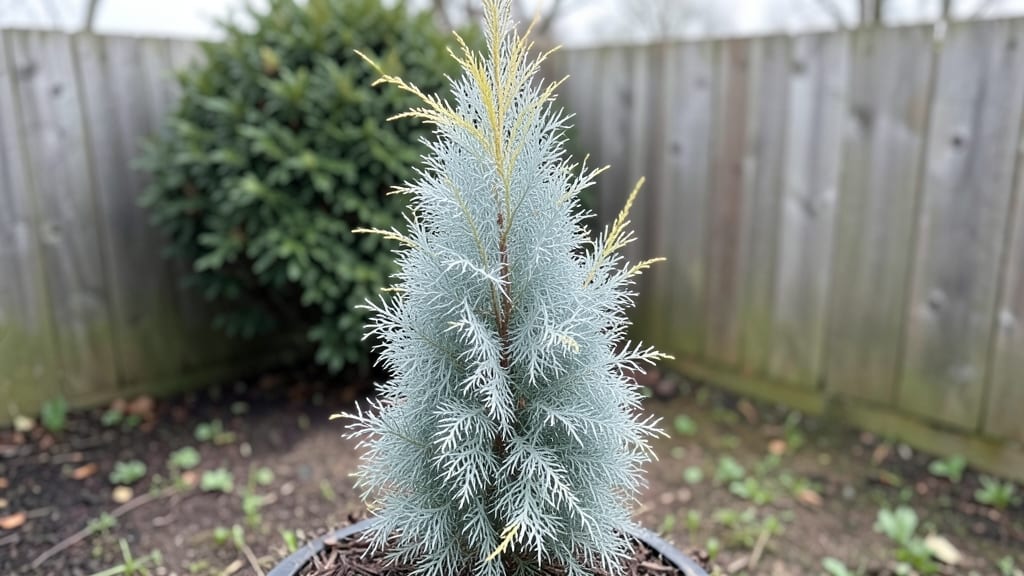
Whipcord arborvitae trees bring a sculptural, textured beauty to landscapes that regular evergreens simply can't match. 🌿 I remember the first time I saw one—its fine, wiry branches swaying like a natural watercolor painting, and I knew it would change how I garden.
Unlike bushy arborvitae, this variety grows with delicate, feathery foliage that moves with the slightest breeze, creating a living tapestry year-round.
The secret to growing whipcord arborvitae isn't complicated—just sunlight, patience, and minimal fuss. These trees thrive in full sun to partial shade, tolerating a range of soils as long as they're well-drained.
Watering is simple too: deep but infrequent watering in the first year, then letting nature take over once established. And the best part? You can skip the pruning—its natural shape is its charm.
What you end up with is a year-round statement piece that stays lush in winter and vibrant in summer. The foliage turns a soft bronze in cold months, adding warmth to snowy landscapes, while its airy texture softens harsh lines in modern gardens.
Perfect for borders, specimen planting, or even as a living privacy screen—just give it space to grow.
Works beautifully in USDA zones 4-8, whether you're planting a single specimen or lining a driveway. Here's how to make it thrive with almost no effort—your yard will thank you.
📚 In This Guide
- What you need
- Instructions
- Tips and common mistakes
- Wrapping up and next steps
What you need
- ○ Pruning shears: Sharp, bypass-style shears (for clean cuts on thin branches). Optional: Loppers for thicker stems (if your arborvitae is mature).
- ● Hand pruners: Small, ergonomic pruners for precision trimming (great for detail work).
- ● Gloves: Heavy-duty gardening gloves (protect against thorns and sap).
- ● Ladder or step stool: Sturdy and tall enough to reach the top of your arborvitae safely.
- ● Disinfectant: 70% isopropyl alcohol or a garden disinfectant (to sterilize tools between cuts and prevent disease).
- ○ Pruning saw (optional): For removing any thick, woody growth (if applicable).
- ○ String or twine (optional): For temporary guides to mark even cuts if you’re aiming for symmetry.
- ● Timing: Late winter or early spring (before new growth starts) for best results.
- ● Weather: A calm, dry day (avoid pruning after rain or in extreme heat).
- ● Safety gear: Safety glasses (to protect against debris).
- ● Clean workspace: Lay down a tarp or old sheet to collect clippings easily.
- ● Know your tree: Whipcord arborvitae thrives on light pruning—aim for no more than 10-15% of the foliage removed in a single session.
How to plant and maintain a whipcord arborvitae for long-lasting structure
This striking evergreen thrives with smart planning—here’s how to establish it for decades of minimal-maintenance beauty.
🪴 Step 1: Choose the Perfect Planting Site
Whipcord arborvitae (Thuja occidentalis ‘Whipcord’) demands full sun to partial shade—at least 6 hours of direct light daily—to maintain its signature upright, whip-like branches. I always check the site’s afternoon sun exposure first; late-day rays prevent branch thinning. The soil should drain well but retain moisture—this tree hates soggy roots.
Dig a hole twice as wide as the root ball but no deeper. Loosen the sides of the hole with your shovel to encourage root spread. Amend heavy clay with 2-3 inches of compost mixed into the native soil—this improves aeration without altering drainage. The tree’s compact growth means it won’t need much space, but give it 3-4 feet of clearance from structures or other plants.
☀️ Step 2: Plant and Stake for Stability
Remove the arborvitae from its container and gently tease the roots outward if they’re circling. Place the root ball in the hole so the top sits 1 inch above ground level—this prevents crown rot. Backfill with the amended soil, tamping lightly every 4-6 inches to eliminate air pockets. Water deeply to settle everything, then add a 2-inch layer of mulch (keeping it 6 inches away from the trunk) to conserve moisture.
Stake only if your site has strong winds or the tree feels unstable. Use two 4-foot stakes placed diagonally, tied loosely with soft fabric strips—never wire, which can girdle the trunk. I always check the ties after 4-6 weeks; if the tree is holding itself, remove stakes immediately to avoid restricting growth. Water twice weekly for the first month, then taper to once weekly once established.
✂️ Step 3: Prune Strategically for Shape and Health
Whipcord arborvitae’s natural form requires minimal pruning—focus on removing dead or crossing branches in early spring or late fall. Use clean, sharp pruners to make cuts just outside the branch collar (the swollen area where the branch meets the trunk). Avoid shearing; this tree’s beauty lies in its natural, vertical texture, not a manicured shape.
If you notice brown tips in winter, it’s likely winter burn—not a disease. This happens when cold, dry winds desiccate the foliage. To prevent it, water deeply before the first frost and apply a 2-inch mulch layer around the base. In late spring, trim back any damaged tips with bypass pruners, cutting just above a healthy bud. Fertilize lightly with slow-release evergreen fertilizer in early spring if growth seems sluggish.
🌿 Step 4: Monitor for Pests and Diseases Year-Round
Check for arborvitae sawfly larvae in early summer—they skeletonize foliage, leaving a lace-like appearance. Handpick large clusters or spray with neem oil if infestations appear. For bagworms, look for small, silk-covered bags on branches; remove them by hand or treat with Bt (Bacillus thuringiensis) before they pupate.
Root rot is the biggest threat, so never let the soil stay waterlogged. If the tree’s needles turn yellow or brown and feel mushy, it’s likely overwatered. Adjust your schedule to water only when the top 2 inches of soil are dry. For established trees, deep watering once every 10-14 days in dry spells keeps roots healthy without drowning them.
Tips & tricks for perfect whipcord arborvitae planting
Common pitfalls—and how to sidestep every one—when planting this striking evergreen.
Site Selection Secret: That critical 6 hours of direct light matters most in the afternoon. I’ve seen Whipcord arborvitae struggle when planted in morning-only sun—late afternoon rays are what keep those signature vertical branches tight and upright. If your site only gets morning sun, consider planting it slightly closer to a southern exposure wall that reflects light.
Root Ball Prep: Before planting, soak the root ball in water for 10-15 minutes to ensure it’s fully hydrated. This prevents transplant shock, especially in dry conditions. When teasing out circling roots in Step 2, focus on the outer third of the root ball—this encourages outward growth rather than circling deeper. The goal is to mimic natural root spread.
Mulch Matters: That 2-inch mulch layer isn’t just decoration—it’s your moisture shield. Use pine straw or shredded hardwood mulch (never fresh wood chips, which can compact). Keep it 6 inches away from the trunk to prevent rot. In the first year, mulch helps regulate soil temperature, which is crucial for root establishment during those critical twice-weekly waterings in Step 2.
Staking Strategy: If you’re staking, position those 4-foot stakes diagonally at a 45-degree angle to create a tripod effect with the tree. Use soft fabric strips (like old t-shirts) instead of wire—wire cuts into bark as the tree grows. Check the ties after 4-6 weeks (as instructed), but here’s the pro move: If the tree feels stable after 3 weeks, you can start loosening the ties gradually to encourage natural movement.
Pro Tips for Whipcord Arborvitae Tree
- Common pitfalls—and how to sidestep every one—when planting this striking evergreen.
- Site Selection Secret: That critical 6 hours of direct light matters most in the afternoon.
- Root Ball Prep: Before planting, soak the root ball in water for 10-15 minutes to ensure it’s fully hydrated.
Frequently asked questions
How often should I prune a whipcord arborvitae?
Prune your whipcord arborvitae just once a year, ideally in late winter or early spring (before new growth starts). This timing ensures you clean up any dead branches while avoiding stress to the tree. Skip summer pruning—it can encourage unsightly new growth. Think of it as a quick trim, not a major overhaul!
Can I shape it like a traditional arborvitae?
While whipcord arborvitae thrives with its natural, slender form, you can lightly shape it if desired. Use sharp pruners to gently guide growth—avoid heavy cuts, as this tree prefers minimal intervention. For a more formal look, focus on trimming the tips to encourage density. Just remember: less is more!
Why are my whipcord arborvitae branches turning brown?
Brown branches usually mean over-pruning, drought, or winter burn. Check for crispy tips (a sign of cold damage) or sparse foliage (a thirsty tree). Solution: Water deeply during dry spells and avoid pruning in late fall/winter. If the damage is severe, trim only the dead parts—healthy growth will return with proper care!
What’s the best alternative if I want low-maintenance evergreens?
If whipcord arborvitae seems too fussy, consider these low-maintenance evergreen alternatives:
- Emerald Green Arborvitae – Dense, columnar, and drought-tolerant.
- Thuja occidentalis ‘Sunkist’ – Golden foliage with minimal pruning needs.
- Dwarf Alberta Spruce – Slow-growing and naturally tidy.
Does whipcord arborvitae need winter protection?
Mostly no! Whipcord arborvitae is hardy to USDA zones 3-7, but young trees or those in exposed areas may benefit from a light burlap wrap in harsh winters. Avoid heavy mulch around the base—it can trap moisture and harm roots. A quick watering before freeze helps too!
Wrapping up and next steps
The Whipcord Arborvitae is a stunning, low-maintenance evergreen that brings year-round beauty to your landscape with just a little care. Its unique, feathery foliage and minimal pruning needs make it a dream for busy gardeners—plus, it thrives in diverse climates!
Whether you’re a pruning pro or a beginner, this tree offers easy elegance and resilience.
Ready to elevate your outdoor space? Plant one today and enjoy its lush charm with confidence—your future self (and your yard!) will thank you. 🌿✨