Trees
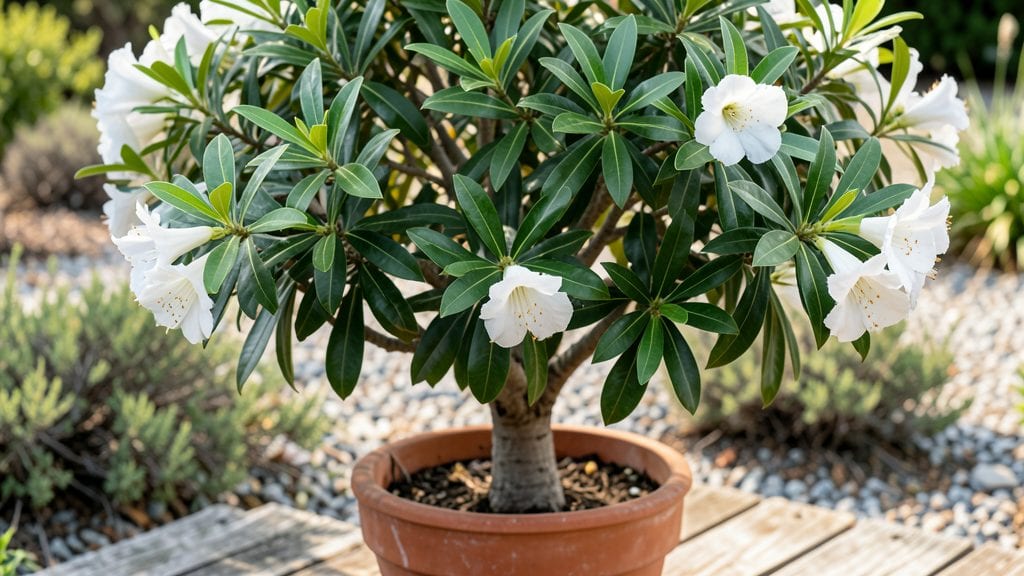
The white pomegranate tree transforms Pacific Northwest gardens into hummingbird havens year-round. 🌸 Its delicate white blooms and hardy nature make it a standout choice for gardeners who crave both beauty and wildlife support.
Unlike its red-fruited cousins, this variety thrives in cooler climates, producing edible fruit that's as stunning as it is functional.
This tree isn't fussy—it handles partial shade better than most pomegranates and tolerates our region's damp winters. With proper care, you'll see vibrant blooms in spring, followed by glossy white fruit that ripens in fall.
The key is well-draining soil, consistent watering during establishment, and minimal pruning to encourage strong growth. Hummingbirds will visit from early spring through late fall, making your garden a lively ecosystem.
📚 In This Guide
- What you need
- Instructions
- Tips and common mistakes
- Wrapping up and next steps
What you need
- ● White pomegranate tree: Choose between: Seedlings (3–6 inches tall, from a nursery specializing in Mediterranean or drought-tolerant plants)
- ● Young trees (1–3 years old, 4–6 feet tall, with a sturdy trunk)
- ● Mature trees (5+ years old, 10+ feet tall, for instant impact—check local regulations for size restrictions!)
- ● Well-draining soil: Mix 50% native soil + 50% cactus/succulent mix (or add perlite/sand for drainage). 💡 Pro tip: Test soil pH (ideal: 6.0–7.5).
- ● Container (if potted): 1–2 gallon pot for seedlings, 15+ gallon container for mature trees (ensure drainage holes!).
- ● Organic mulch: 2–3 inches of gravel, decomposed granite, or bark chips (avoid wood chips—they retain too much moisture).
- ● Basic gardening tools: Trowel or shovel
- ● Pruning shears (sterilized)
- ● Garden gloves
- ● Sunlight access: Full sun (6+ hours/day)—south- or west-facing spots are ideal.
- ● Watering system: Drip irrigation (recommended for drought-prone PNW summers)
- ● Or a watering can with a long spout (for deep root soaking)
- ○ Fertilizer (optional but helpful): Low-nitrogen, phosphorus-rich fertilizer (e.g., 5-10-10 ratio) for flowering
- ● Or composted manure (apply sparingly in early spring).
- ○ Hummingbird-friendly extras (optional but fun!): Nearby native PNW flowers (e.g., penstemon, salal) for extra nectar sources
- ● Wind chimes or shallow water feature to attract hummingbirds
Step-by-step instructions for planting and cultivating a white pomegranate tree
Here's how to establish a thriving white pomegranate that will reward you with stunning blooms and hummingbird visits.
🌱 Step 1: Choose the Perfect Planting Site
White pomegranates thrive in full sun—select a location receiving at least 6-8 hours of direct sunlight daily. In the Pacific Northwest's cooler climate, a south-facing spot with afternoon shelter from wind works best. The tree's shallow roots need well-draining soil, so avoid low-lying areas where water pools after rain.
I always dig a hole twice as wide as the root ball but only as deep—this prevents burying the graft union, which can weaken the tree. Amend the native soil with 2-3 inches of compost mixed into the bottom of the hole to encourage root spread. The tree's drought tolerance kicks in after establishment, but proper drainage from day one prevents root rot.
🪴 Step 2: Plant with Care During the Right Season
Plant your white pomegranate in early spring (March-April) when soil temperatures reach 55°F or warmer. This timing lets roots establish before summer heat stress. Handle the root ball gently—wrap the container in burlap if transporting, and keep roots moist with a damp towel. If planting bare-root, soak roots for 10-15 minutes before placing in the hole.
Position the tree so the graft union sits 1-2 inches above soil level. Backfill with native soil mixed with compost, tamping lightly every 4 inches to remove air pockets. Create a 2-inch high berm around the base to capture water during irrigation. Water deeply immediately after planting—5 gallons for a 1-gallon container tree—until moisture seeps to the hole's bottom.
☀️ Step 3: Establish Proper Watering and Mulching
For the first 30 days, water deeply every 3-4 days to encourage deep root growth. You'll know it's enough when water drains 6-8 inches down into the soil. After establishment, reduce to once weekly during dry spells, but check soil moisture—top 2 inches should feel dry before watering. Overhead watering promotes fungal diseases, so use a soaker hose at the base instead.
Apply 2-3 inches of organic mulch (like wood chips) around the base, keeping it 3 inches away from the trunk to prevent rot. This mulch layer conserves moisture, regulates soil temperature, and suppresses weeds. Replenish mulch annually as it decomposes. The Pacific Northwest's mild summers mean less water stress, but consistent moisture during the first growing season is critical for root development.
✂️ Step 4: Prune for Shape and Health
Prune in late winter (February) before new growth begins. Remove dead, crossing, or inward-growing branches first to improve airflow. Then shape the tree by cutting back overly vigorous shoots to one-third their length. White pomegranates bloom on both old and new wood, so avoid heavy pruning after flowering—you'll sacrifice next year's blooms.
Use clean, sharp pruners to make cuts at a 45-degree angle just above an outward-facing bud. Sterilize tools with rubbing alcohol between cuts to prevent disease spread. The goal is an open-centered shape that lets sunlight penetrate to the center. In the Pacific Northwest, where humidity lingers, proper pruning prevents fungal issues that can plague poorly ventilated trees.
Tips & tricks for perfect white pomegranate cultivation
Here's what nobody tells you about growing this stunning Pacific Northwest favorite—lessons I learned after watching three trees struggle before getting it right.
Sunlight Strategy: While the instructions call for 6-8 hours of sun daily, I've found that in the Pacific Northwest's cooler climate, morning sun (east-facing) combined with afternoon shade (west-facing) actually protects the delicate blooms from afternoon heat stress. The tree still thrives but produces even more flowers that hummingbirds adore. Position your tree where it gets the full morning sun but afternoon shelter from wind—this creates the perfect microclimate for continuous blooming.
Root Development Secret: The 2-3 inches of compost you mix into the planting hole isn't just about nutrients—it's about creating the perfect air-to-soil ratio for those shallow roots. I've seen roots spread twice as wide when using compost compared to native soil alone. For even better results, consider adding a handful of mycorrhizal fungi to the planting hole before backfilling. These beneficial fungi form symbiotic relationships with roots, dramatically improving water and nutrient uptake during the critical first 30 days.
Watering Wisdom: That 5-gallon initial watering for a 1-gallon container tree might seem excessive, but it's essential for breaking through the soil's natural resistance around the root ball. I learned this the hard way when my first tree's roots dried out because the water couldn't penetrate the compacted soil. For container-grown trees, make sure to water until you see moisture emerge from the drainage holes at the bottom. This ensures the root ball is fully hydrated and ready to establish in its new home.
Pruning Precision: When shaping your tree by cutting back overly vigorous shoots to one-third their length, focus on creating an open vase shape rather than a rounded form. This open structure allows sunlight to penetrate all the way to the center where new growth emerges. I've noticed that trees with this open center produce blooms on more branches throughout the season, not just at the outer edges. The key is to make your cuts just above an outward-facing bud—this encourages new growth to develop away from the center.
Pro Tips for White Pomegranate Tree
- Here's what nobody tells you about growing this stunning Pacific Northwest favorite—lessons I learned after watching three trees struggle before getting it right.
- The tree still thrives but produces even more flowers that hummingbirds adore.
- Root Development Secret: The 2-3 inches of compost you mix into the planting hole isn't just about nutrients—it's about creating the perfect air-to-soil ratio for those shallow roots.
Frequently asked questions
Got questions about growing and enjoying your white pomegranate tree?
Here are some of the most common ones—plus answers to help you cultivate a thriving hummingbird haven in your Pacific Northwest garden.
How cold-hardy is the white pomegranate tree?
The white pomegranate (Punica granatum ‘Alba’) thrives in USDA zones 7–11, making it a great fit for the PNW’s mild winters. While it can handle brief dips to 15°F, protect young trees with frost cloth or mulch if temperatures plummet below 20°F. Mature trees often recover well after light freezes!
Why aren’t hummingbirds visiting my tree?
Hummingbirds adore white pomegranate blooms, but a few factors might deter them:
- Timing: Plant in spring (March–April) for summer blooms—their peak hummingbird season.
- Location: Place near feeders or sunny spots (they prefer open areas for easy access).
- Pests: Check for aphids; these can block nectar access. Spray with soapy water if needed.
How long does it take for a white pomegranate tree to bear fruit?
Patience is key! With ideal conditions (full sun, well-draining soil, and consistent watering), your tree may produce small white flowers in 2–3 years and fruit in 3–5 years. Dwarf varieties (like ‘Nana’) fruit faster—often within 2 years. Prune lightly in late winter to encourage growth.
Can I grow a white pomegranate tree in a container?
Dwarf varieties (under 6 feet tall) thrive in 15–20 gallon pots with drainage holes. Use a fast-draining mix (cactus soil + perlite) and move the pot indoors (or to a garage) if temps drop below 30°F. Just remember: Containers dry out faster—water deeply 2–3 times weekly in summer.
What’s the best alternative if my tree isn’t thriving?
If your white pomegranate struggles with humidity, pests, or poor drainage, consider these PNW-friendly hummingbird magnets:
- Firethorn (Pyracantha) – Hardy, berry-producing, and loves shade.
- California Fuchsia (Epilobium canum) – Drought-tolerant with tubular blooms.
- Oregon Grape (Mahonia aquifolium) – Evergreen with yellow flowers and edible berries.
Wrapping up and next steps
The white pomegranate tree (Punica granatum 'Alba') isn’t just a stunning addition to your Pacific Northwest garden—it’s a year-round hummingbird haven that thrives with minimal fuss. From its delicate blooms to its drought-resistant nature, this tree offers beauty, wildlife support, and practicality in one package.
Whether you’re a seasoned gardener or a curious beginner, planting one is a rewarding step toward a more vibrant, pollinator-friendly landscape.
Ready to transform your outdoor space? Start by sourcing a healthy sapling, prepping your soil, and giving these feathered visitors a reason to linger. Your garden—and the hummingbirds—will thank you! 🌿🐦