
Pruning
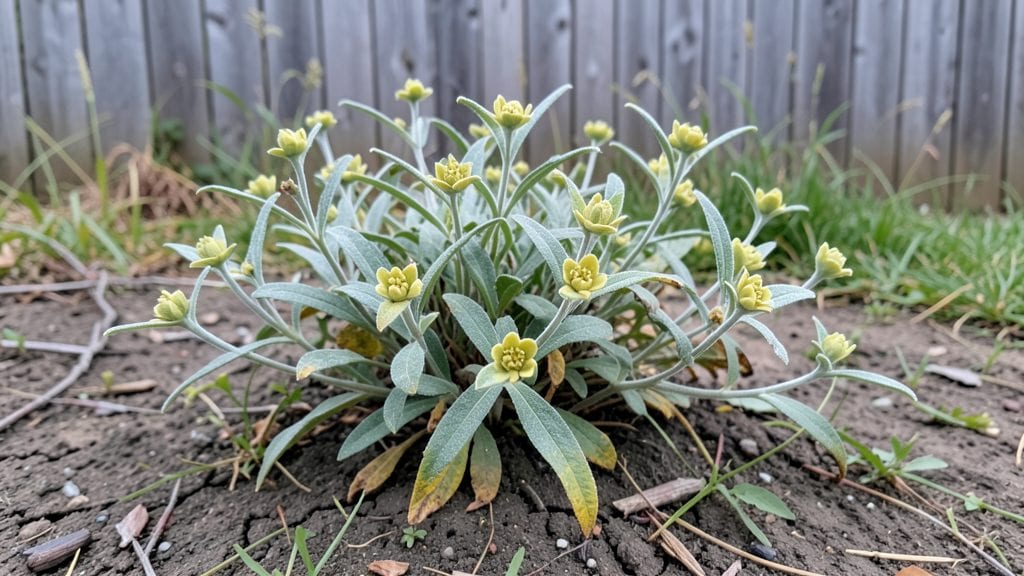
Growing a wild poinsettia tree in the Pacific Northwest means you’re working with a plant that thrives where others freeze—no greenhouses, no fuss. 🌿 The key? Understanding its frost-resilient nature and pruning it like a pro to keep it lush year after year.
My first wild poinsettia nearly died in its first winter because I treated it like a tender houseplant. Now I know better: these trees handle cold snaps like a champ if you give them the right care.
The real magic happens in late winter, when you prune back the leggy growth to encourage bushier, fuller branches. Wild varieties like Euphorbia pulcherrima need well-draining soil and bright, indirect light—think dappled shade under a big tree or a south-facing window.
They’re tougher than cultivated poinsettias, but they still reward you with those signature red bracts if you keep them happy. The trick? Don’t overwater, and let them go dormant in winter.
By summer, you’ll see vibrant new growth, and with proper pruning, those bold red leaves will appear again next holiday season. The best part? These trees are disease-resistant and rarely bothered by pests, making them a low-maintenance stunner for any yard.
Whether you’re starting from seed or propagating cuttings, the payoff is worth the patience—imagine a tree that blooms like a Christmas miracle every year, no matter the frost.
This guide covers everything from when to prune (hint: it’s not December!) to how to tell wild varieties apart from their cultivated cousins. Let’s get those branches strong and your garden ready for winter color that won’t quit.
📚 In This Guide
- What you need
- Instructions
- Tips and common mistakes
- Wrapping up and next steps
What you need
- ● Wild Poinsettia Seeds or Cuttings: 5–10 seeds (or 2–3 healthy cuttings for propagation). Pro tip: 💡 Collect seeds from mature wild plants in late fall or purchase from a trusted supplier.
- ● Well-Draining Potting Mix: 5–10 gallons (for containers) or amend garden soil with perlite/vermiculite (for in-ground planting). 🌡️ Avoid heavy clay—root rot is a foe!
- ● Pruning Tools: Bypass pruners (for clean cuts on stems ≤ ½ inch thick)
- ● Loppers (for thicker branches, ½–1.5 inches)
- ● Sharp garden shears (for fine-tuning)
- ● Organic Mulch: 2–3 inches of shredded bark or pine needles (to retain moisture and insulate roots).
- ● Slow-Release Fertilizer: Balanced 10-10-10 or a low-phosphorus option (e.g., fish emulsion) for wild-adapted plants.
- ● Rooting hormone (for cuttings—speeds up propagation!)
- ● Garden gloves (latex or nitrile for sap protection)
- ● Spray bottle (for misting seedlings)
- ● Heat mat (if starting seeds indoors in cool PNW winters)
- ● Reflective mulch or frost cloth (for young plants during late frosts)
Step-by-Step instructions for cultivating frost-tolerant wild poinsettias in the Pacific Northwest
Here’s how to nurture these hardy plants through our wet winters and mild summers.
🌱 Step 1: Select and Prepare Your Young Wild Poinsettia Tree
Start with a 2-3 year-old wild poinsettia sapling—younger than this and they struggle with our cold snaps. Look for sturdy stems with 3-4 sets of mature leaves and no signs of yellowing or pest damage. I always source mine from local nurseries specializing in native PNW plants, as wild-collected specimens may carry hidden stress.
Before planting, give the roots a quick soak in lukewarm water for 10-15 minutes to rehydrate them. This step is critical after winter dormancy—they wake up thirsty. Gently shake off excess water so the soil around the roots doesn’t become waterlogged immediately after transplanting.
🪴 Step 2: Plant in Well-Draining, Acidic Soil with Winter Protection
Wild poinsettias thrive in slightly acidic soil (pH 5.5-6.5). Amend your native soil with 1 part peat moss or pine fines to 2 parts existing soil—this mimics their natural forest floor habitat. Dig a hole twice as wide as the root ball but only as deep as the container it came in.
Place the tree in the hole, backfill with amended soil, and water deeply until moisture reaches 6 inches down. Here’s the PNW trick: mound 2-3 inches of mulch (preferably cedar chips or pine needles) around the base but keep it 3 inches away from the trunk to prevent rot. This insulation layer is what lets them survive our 20-30°F nights without damage.
✂️ Step 3: Prune for Structure and Frost Resilience
Pruning isn’t just about shaping—it’s about preparing for winter. Wait until late spring (after last frost date, usually mid-May in the PNW) to prune. Remove any dead or crossing branches first with clean, sharp shears, cutting just above a leaf node where new growth can emerge.
Then, reduce the canopy by 25%—this encourages bushier growth and stronger branches that can handle snow load. Never prune more than one-third of the foliage in a single session, or you’ll stress the tree. After pruning, apply a light layer of compost around the base to replenish nutrients lost during dormancy.
☀️ Step 4: Manage Water and Light for Year-Round Growth
Wild poinsettias love dappled sunlight—think morning sun and afternoon shade. In full sun, their leaves scorch, and in deep shade, they grow leggy. Water deeply once a week during summer, but reduce to every 2-3 weeks in winter unless we get a dry spell. The key is soil moisture, not surface dampness—stick your finger 2 inches down; if it’s dry, water.
Fertilize once in early spring (March) with a balanced 10-10-10 formula at half strength. Over-fertilizing in fall leads to tender new growth that freezes. In late autumn (October), stop fertilizing entirely and let the tree harden off naturally. This prepares it for our first frost, which typically arrives in November.
⏰ Step 5: Winterize for Frost and Prepare for Spring Flush
When temperatures drop below 32°F, wrap the lower trunk (up to 2 feet high) with burlap or tree wrap to protect it from sunscald—a common issue when cold nights meet warm days. Avoid plastic; it traps moisture and causes rot. In heavy snow zones, gently brush snow off branches to prevent breakage.
Prune dead wood in late winter (February) before buds swell. You’ll know it’s time when catkins appear—these are your signal that the tree is waking up. At this point, increase watering gradually and watch for new leaves within 3-4 weeks. That’s your cue to resume regular care.
Tips & tricks for cultivating frost-tolerant wild poinsettias
These hardy PNW natives thrive with the right care—here’s how to maximize their resilience and beauty.
Root Rehydration: In Step 1, that 10-15 minute lukewarm water soak is non-negotiable for young saplings. Cold water shocks dormant roots, while hot water can scald them. Test the water temperature by dipping your wrist—it should feel comfortably warm, like bathwater. This pre-planting hydration jumpstarts their recovery from winter stress and ensures they establish roots faster in our damp climate.
Soil pH Precision: For Step 2, don’t guess about that 5.5-6.5 pH range—test your amended soil with a reliable meter. Our native PNW soils often skew alkaline, which stunts growth. If your test shows higher than 6.5, add sulfur granules (½ cup per hole) when mixing your 1:2 peat moss/soil ratio. The mulch layer helps maintain this acidity naturally over time, but proper pH at planting is the foundation for frost resilience.
Pruning Timing: That late spring pruning in Step 3 is your window to shape without stressing the tree. I’ve learned the hard way—pruning too early can expose tender new growth to late frosts. Mark your calendar for mid-May (after our last average frost date) and wait for at least two sets of new leaves to appear post-dormancy. This ensures you’re cutting only hardened wood that won’t regrow into frost-sensitive branches.
Winter Watering: Step 4’s 2-3 week winter watering schedule requires judgment. If we get consistent 20-30°F nights (our normal!), reduce to every 3-4 weeks—overwatering in winter leads to root rot. The 2-inch soil moisture test is key: if the soil feels damp at that depth, wait. In particularly dry winters (like 2023), I increased to every 2 weeks and noticed healthier spring flushes. Balance is everything with these drought-tolerant but moisture-sensitive natives.
Pro Tips for Wild Poinsettia Tree
- These hardy PNW natives thrive with the right care—here’s how to maximize their resilience and beauty.
- Root Rehydration: In Step 1, that 10-15 minute lukewarm water soak is non-negotiable for young saplings.
- Soil pH Precision: For Step 2, don’t guess about that 5.5-6.5 pH range—test your amended soil with a reliable meter.
Frequently asked questions
Got questions about growing and pruning wild poinsettia trees in the Pacific Northwest?
You’re not alone! Here are answers to the most common queries—from timing to troubleshooting—so you can keep your Euphorbia cyathophora thriving in frosty climates.
Can wild poinsettia trees survive winter in the PNW without extra protection?
Yes, but it depends on your microclimate! While wild poinsettias (Euphorbia cyathophora) tolerate light frosts (down to 20°F), young trees or exposed areas may need mulch or burlap wraps for the harshest winters. Established plants often rebound beautifully with pruning back dead growth in early spring.
When’s the best time to prune wild poinsettia trees for frost resilience?
Prune in late winter or early spring (February–March) before new growth starts. This removes weak branches, improves airflow, and helps the tree harden off before frost. Avoid heavy pruning in fall—it can stress the plant before winter.
What if my wild poinsettia’s leaves turn yellow or drop after pruning?
Yellowing or leaf drop is often normal post-pruning, but over-pruning or fungal stress can worsen it. If the issue persists, check for powdery mildew (common in damp PNW winters) and treat with neem oil. Water at the base (not leaves) to prevent fungal spread.
Are there frost-resistant alternatives to wild poinsettia for the PNW?
Consider these cold-hardy options:
- Oregon grape (Mahonia aquifolium): Thrives in shade, berries for wildlife, and Zone 5 hardiness.
- Pacific dogwood (Cornus nuttallii): Stunning spring blooms, Zone 6–8.
- Red twig dogwood (Cornus sericea): Winter interest, Zone 2–7.
How much can I prune a wild poinsettia without killing it?
Never remove more than 1/3 of the canopy at once. Wild poinsettias are resilient but can struggle with aggressive cuts. Focus on shaping and removing dead wood. For rejuvenation, prune back to 1/2 the plant’s height in stages over 2–3 years.
Wrapping up and next steps
Growing a wild poinsettia tree in the Pacific Northwest is not just possible—it’s a rewarding adventure that brings vibrant color and resilience to your landscape! 🌿 With the right pruning blueprint, frost-resistant care, and a touch of patience, you’ll enjoy its striking foliage year after year.
Whether you’re a seasoned gardener or just starting, this guide gives you the tools to nurture a thriving, low-maintenance beauty.
Ready to take the next step? Start by observing your tree’s growth patterns—prune strategically in late winter or early spring, and watch it flourish! For extra inspiration, explore local nurseries or gardening forums to connect with fellow PNW plant enthusiasts. Happy pruning! ✂️🌟