
Pruning
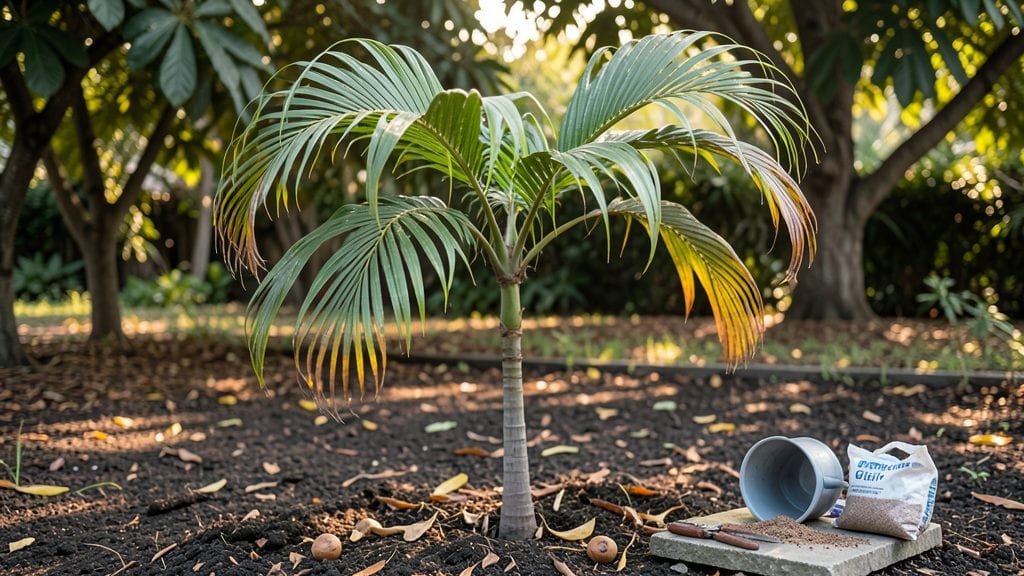
Growing a young coconut tree from seed to harvestable height takes patience—but the first green fronds breaking through the soil are worth every drop of sweat. 🌱 I’ve nurtured these tropical giants through their fussy early years, and the secret to success isn’t just heat and humidity; it’s mastering those first three critical months when roots establish or fail.
The wrong soil mix will stunt growth, while too much shade turns fronds yellow before they even unfurl. My first sapling nearly died from overwatering, but I learned the hard way: coconut palms hate soggy feet just as much as they crave steady moisture.
The real magic happens when you combine the right well-draining soil mix with morning sun exposure—even in containers. Young trees need 6-8 hours of direct light daily, but afternoon shade prevents leaf scorch in hot climates.
Pruning isn’t just about aesthetics; removing dead fronds early keeps energy flowing to the trunk. I’ve seen 3-foot saplings produce their first tiny coconuts in just 18 months when given consistent care, though full harvests take 5-7 years. The payoff?
A tree that thrives year-round with minimal fuss once established.
Where most guides stop at "plant in full sun," I’ll show you how to transplant without shock, spot early signs of nutrient deficiency (like purple fronds), and even grow from seed if you’re ambitious.
The first year is about survival; years two and three are where the real growth spurt happens. By the time your tree hits 10 feet, you’ll be harvesting 50+ coconuts annually—if you’ve avoided these common pitfalls. Let’s get your young coconut tree off to the right start.
This works in USDA Zones 10-11, but container growing extends it to cooler climates—just bring pots indoors before frost. The key tricks? Balanced fertilizer, proper pruning timing, and knowing when to water deeply vs. lightly.
Skip any of these, and you’ll end up with a lanky, unproductive tree instead of the tropical showstopper you’re dreaming of.
📚 In This Guide
- What you need
- Instructions
- Tips and common mistakes
- Wrapping up and next steps
What you need
- ● Pruning shears – Bypass-type, sharp, and sterilized (for small branches)
- ● Pruning saw – For thicker branches (1–2 inches in diameter)
- ○ Gloves – Heavy-duty, cut-resistant (optional but recommended!)
- ● Disinfectant (70% isopropyl alcohol or bleach solution) – 1 part bleach to 9 parts water
- ○ Sealing wax or pruning paste – To protect large cuts (optional but helpful)
- ● Ladder or step stool – For safe access to higher branches
- ● Trash bags or compost bin – For debris disposal
- ● Watering can or hose – To hydrate the tree post-pruning
- ● Healthy young coconut tree (1–5 years old) – Look for vibrant green fronds and no signs of disease
- ● Sunny location – At least 6–8 hours of direct sunlight daily
- ● Well-draining soil – Sandy loam or coconut coir mix (pH 5.5–7.0)
- ● Patience! – Young trees need time to recover after pruning
Step-by-Step guide to growing a young coconut tree indoors
Here's how to nurture a young coconut tree from nursery stock into a thriving indoor specimen.
🌱 Step 1: Select and Prepare the Right Container
Choose a 5-gallon or larger container with drainage holes—coconut trees hate soggy roots. I recommend a fiberglass or plastic pot because they won’t retain excess moisture like clay. The container should be at least 18 inches deep to accommodate the tree’s long taproot as it grows.
Fill the bottom 2-3 inches with orchid bark mix or coarse perlite for drainage. This prevents root rot, which is the #1 killer of young coconut trees. Tap the pot gently on the table to settle the layer before adding soil.
☀️ Step 2: Use the Right Soil Mix and Positioning
Fill the container with a well-draining potting mix specifically formulated for tropical plants. I blend 50% peat moss, 30% coconut coir, and 20% perlite for optimal aeration. Avoid garden soil—it compacts and suffocates roots.
Place your young coconut tree in a location with bright, indirect light for the first 4-6 weeks. Direct sun can scorch tender new leaves, so a south- or east-facing window works best. If natural light is insufficient, supplement with a full-spectrum LED grow light kept 12-18 inches away for 12-14 hours daily.
💧 Step 3: Establish a Consistent Watering Routine
Water deeply until water drains freely from the bottom holes, then allow the top 2-3 inches of soil to dry out before watering again. Overwatering causes root rot, while underwatering leads to leaf drop. I check moisture by sticking my finger 1 inch into the soil—if it feels dry, it’s time to water.
Mist the leaves 2-3 times weekly to maintain humidity, especially in dry indoor climates. A humidifier or pebble tray under the pot helps replicate tropical conditions. Avoid letting the tree sit in standing water—always empty saucers after watering.
✂️ Step 4: Prune and Fertilize for Healthy Growth
Remove any yellow or brown leaves with clean, sharp pruners to redirect energy to new growth. Prune only dead or damaged foliage—never trim healthy leaves, as coconut trees rely on them for photosynthesis. Disinfect your tools with rubbing alcohol between cuts to prevent disease.
Feed your tree every 4-6 weeks with a balanced liquid fertilizer (10-10-10 or 20-20-20) diluted to half-strength. Start fertilizing 2 months after planting to avoid burning tender roots. Flush the soil with water once monthly to prevent salt buildup from fertilizers.
🪴 Step 5: Monitor and Adjust for Year-Round Care
Watch for pests like spider mites or scale insects, which thrive in dry indoor air. Wipe leaves with a neem oil solution (1 tsp neem oil + 1 quart water) if you spot webbing or sticky residue. Coconut trees are generally pest-resistant, but stress from poor care invites infestations.
Rotate the pot quarter-turn weekly to ensure even light exposure. This prevents the tree from leaning toward the light source. If you notice new growth slowing or leaves yellowing, check for nutrient deficiencies or root-bound conditions—repot into a larger container if roots circle the pot.
Tips & tricks for perfect young coconut tree growth
Between us, these small details make all the difference when nurturing a young coconut tree indoors.
Container Depth Matters: That 18-inch minimum depth in Step 1 isn't arbitrary—coconut trees develop long taproots that need room to grow downward. If you're working with a shallower container, consider using a deep cache pot (a larger pot inside your decorative pot) to give those roots the space they need without changing your aesthetic. The 2-3 inch drainage layer is equally critical; I've seen root rot develop within weeks when this step was skipped.
Lighting Strategy: The 12-14 hours daily of light in Step 2 is non-negotiable for photosynthesis, but here's what nobody tells you—the quality matters just as much as quantity. Position your grow light so it covers the entire canopy, not just the top. Coconut trees grow tall quickly, and you'll end up with leggy, weak growth if only the upper leaves get sufficient light. I adjust the light height as my tree grows to maintain that 12-18 inch distance.
Watering Wisdom: That 1 inch moisture check in Step 3 is your best friend, but timing matters too. Water in the morning so excess moisture evaporates during the day rather than sitting in the soil overnight. I've found that coconut trees actually prefer slightly drier conditions than most tropical plants—wait until that 2-3 inch layer is completely dry before watering again, even if it means going 5-7 days between waterings in winter months.
Fertilizer Timing: The 2-month wait before first fertilizing in Step 4 gives your tree time to establish roots without chemical stress. After that, I've noticed the 4-6 week feeding schedule works best when paired with the monthly flush—this prevents salt buildup that can actually burn tender coconut roots. Use a spray bottle to apply diluted fertilizer to the soil surface rather than pouring it directly, which helps distribute nutrients more evenly.
Pro Tips for Young Coconut Tree
- Between us, these small details make all the difference when nurturing a young coconut tree indoors.
- Container Depth Matters: That 18-inch minimum depth in Step 1 isn't arbitrary—coconut trees develop long taproots that need room to grow downward.
- Lighting Strategy: The 12-14 hours daily of light in Step 2 is non-negotiable for photosynthesis, but here's what nobody tells you—the quality matters just as much as quantity.
Frequently asked questions
How long does it take for a young coconut tree to produce coconuts?
A young coconut tree typically takes 3 to 5 years to bear its first coconuts, depending on the variety and growing conditions. Patience is key—focus on proper care (sunlight, water, and soil) to speed up the process. Once established, a healthy tree can yield 50–100 coconuts annually!
Why isn’t my young coconut tree growing? Troubleshooting tips.
If your tree is stunted, check these common issues:
- Poor drainage: Coconut trees hate soggy roots. Ensure well-draining soil or use raised beds.
- Insufficient sunlight: They need 6+ hours of direct sun daily. Move to a sunnier spot if indoors.
- Nutrient deficiency: Use a balanced fertilizer (high in potassium) every 2–3 months.
- Overwatering: Water deeply but let the topsoil dry between waterings.
Still struggling? Test your soil’s pH (ideal: 5.5–7.0) or consult a local nursery.
Can I grow a coconut tree indoors? What are the alternatives?
While possible, coconut trees thrive outdoors in tropical climates. For indoor growers:
- Dwarf varieties: Like the "Nana" coconut palm, which stays under 10 feet tall.
- Container gardening: Use a large pot (15+ gallons) with drainage holes and move it outside during warm months.
- Microclimates: Greenhouses or sunrooms with high humidity can mimic tropical conditions.
Pro tip: If indoor growth fails, try growing coconut water from store-bought coconuts as a nutrient-rich alternative!
Do I need to prune my young coconut tree? If so, when and how?
Pruning isn’t critical for young trees but helps shape growth and remove dead fronds. Here’s how:
- When: Prune non-flowering fronds in late winter or early spring (before new growth).
- How: Use clean, sharp pruners to cut fronds 1/3 of the way down at a 45° angle.
- Avoid: Never remove more than 1/3 of the fronds at once—this stresses the tree.
Warning: Wear gloves—coconut fronds have sharp edges!
What’s the best climate for growing a young coconut tree?
Coconut trees love tropical or subtropical climates with:
- Year-round temperatures between 68–90°F (20–32°C).
- High humidity (60%+).
- Protection from frost: Even young trees can’t tolerate temps below 50°F (10°C).
In cooler regions, grow in containers and bring indoors during winter. Hardiness zones 10–11 are ideal for outdoor planting.
Wrapping up and next steps
Growing a young coconut tree is a rewarding journey that blends patience with the joy of nurturing life. With the right pruning techniques, proper soil care, and a few key tricks—like strategic trimming, watering, and seasonal adjustments—you’ll unlock year-round harvests and a thriving tree.
Whether you’re a beginner or a seasoned gardener, every snip and watering session brings you closer to fresh, homegrown coconuts!
Ready to take the next step? Start small: plant your young coconut tree today, and in just a few seasons, you’ll be enjoying the fruits of your labor—literally! 🌱✨ Happy growing!