Planting
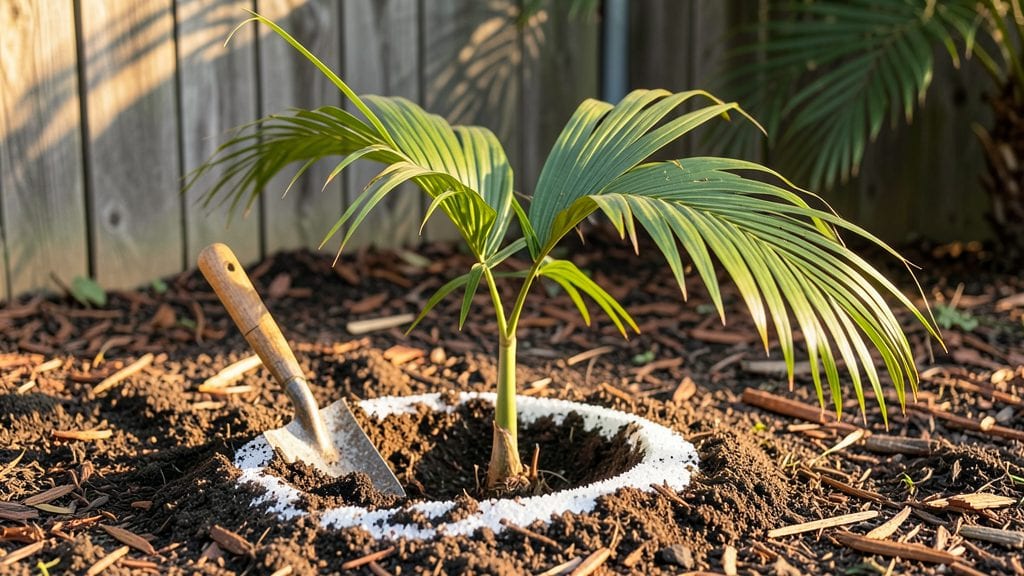
Planting a coconut palm tree starts with the right conditions—warmth, humidity, and sandy soil that mimics its tropical roots. 🌴 I learned the hard way that these palms won’t tolerate frost or heavy clay, but in the right zone, they grow faster than you’d expect.
The key is matching their natural habitat: full sun, protection from wind, and soil that drains like a beach.
You’ll need a young palm (3-5 feet tall) from a nursery, a hole twice as wide as its root ball, and a mix of sand and compost to lighten heavy soil.
Digging takes about 30 minutes, but the payoff is a tree that can reach 60 feet in ideal conditions. Container growing works too, but only for dwarf varieties—full-size palms need ground space.
After planting, water deeply for the first month to settle the roots, then let the soil dry slightly between waterings. Mulch helps retain moisture and mimics the forest floor they’re used to. Within a year, you’ll see new fronds unfurling—proof the palm is thriving.
For long-term success, fertilize lightly in spring with palm-specific food and watch for pests like spider mites. Patience is key: coconut palms grow slowly at first but reward you with that iconic tropical silhouette over time. Ready to start your own? Here’s how to do it right.
📚 In This Guide
- What you need
- Instructions
- Tips and common mistakes
- Wrapping up and next steps
What you need
- ● Coconut palm seed or sapling: A fresh coconut with a viable seed (look for a hollow sound when tapped) or a young sapling from a nursery.
- ● Well-draining potting mix: A blend of coconut coir, perlite, and compost (or a mix of sand, peat, and compost for outdoor planting). Approx. 5-10 gallons depending on pot size.
- ● Large container or planting hole: For pots: A container at least 12 inches deep and 18 inches wide (bigger is better for mature growth). Use a pot with drainage holes!
- ● For outdoor planting: A hole twice as wide and deep as the root ball (or sapling container).
- ● Slow-release fertilizer: A balanced, organic fertilizer (e.g., 6-6-6 or 5-5-5 NPK ratio). Use sparingly—coconut palms are sensitive to over-fertilization!
- ● Mulch: Organic mulch like wood chips or shredded bark to retain moisture and regulate soil temperature.
- ● Garden trowel or shovel
- ● Pruning shears (for trimming leaves or removing husk)
- ● Watering can or hose with a gentle spray nozzle
- ○ Gloves (optional but recommended—coconut husks can be tough!)
- ○ pH testing kit (optional, to check soil acidity—coconut palms prefer 5.0–7.0)
- ● Climate: Coconut palms thrive in USDA Zones 10–11 (tropical/subtropical climates). If you live in a cooler zone, grow in a large container and bring indoors during winter.
- ● Sunlight: Full sun (6+ hours daily). Partial shade may stunt growth.
- ● Water access: Regular watering (keep soil moist but not soggy). Drought-tolerant once established!
- ● Patience: Germination can take 3–12 months, and saplings grow slowly at first.
Step-by-step instructions for planting a coconut palm tree
Here's how to give your tropical palm the perfect start—whether you're planting from seed or transplanting a nursery sapling.
🌱 Step 1: Choose the Right Location and Prepare the Soil
Coconut palms thrive in full sun with at least 6-8 hours of direct light daily. If you're in a cooler climate, find the warmest, most sheltered spot in your yard—these palms won't tolerate frost. Dig a hole twice as wide and slightly deeper than the root ball or seed container. This gives roots room to spread without crowding.
Amend the native soil with 2-3 inches of compost mixed into the bottom of the hole. Coconut palms prefer well-draining, slightly acidic soil (pH 5.5-6.5). If your soil is heavy clay, add a handful of perlite or coarse sand to improve drainage. The reason we loosen the soil is that coconut roots hate sitting in soggy conditions—they'll rot before they establish.
🪴 Step 2: Plant the Palm with Care
For nursery-grown palms, gently remove the plant from its container and loosen any circling roots with your fingers. Place it in the hole so the top of the root ball sits 1-2 inches below the surrounding soil level. This prevents the trunk from sitting exposed and drying out. If planting from seed, bury the seed 1-2 inches deep in a well-drained mix of 50% sand and 50% coconut coir. Real talk: coconut seeds take 6-12 months to germinate, so be patient.
Backfill the hole with the amended soil, pressing lightly around the base to remove air pockets. Don't compact it too firmly—you want roots to push through easily. Water deeply right after planting to settle the soil and encourage root contact. Here's the thing—watering immediately helps wash away any air gaps that could strangle new roots.
☀️ Step 3: Water and Mulch for Early Growth
Keep the soil evenly moist but never soggy for the first 3-4 weeks after planting. Water deeply 2-3 times per week, checking that moisture reaches 6 inches down. You'll know it's right when the top inch feels dry to the touch but the soil below stays damp. Overwatering is the fastest way to kill a young palm—roots need oxygen too.
Spread a 2-3 inch layer of organic mulch (like wood chips) around the base, keeping it 6 inches away from the trunk. This conserves moisture, regulates soil temperature, and prevents weeds. Avoid inorganic mulches like rocks—they reflect heat and can scorch the roots. After the initial watering phase, reduce to once-weekly deep watering once the palm shows signs of new fronds unfurling.
✂️ Step 4: Protect and Maintain for Long-Term Health
Young coconut palms are vulnerable to wind damage, so stake taller varieties if you live in a breezy area. Use 3-4 stakes tied loosely to the trunk with soft fabric strips—tight ties can girdle the trunk as it grows. Fertilize lightly with a balanced palm fertilizer (like 8-8-8 or 10-10-10) once every 2-3 months during the growing season (spring through fall). Too much fertilizer burns roots, so always follow the package rates.
Watch for yellowing fronds—this is your first sign of trouble. It could mean overwatering, underwatering, or nutrient deficiency. Adjust your care routine based on what you see: drooping fronds mean thirst, crispy edges mean too much sun, and slow growth means it needs food. Here's where it gets fun—once your palm hits 5-6 feet tall, it starts looking like a real tropical escape.
Tips & tricks for perfect tropical palm planting
Between us, these little details make all the difference between a struggling palm and one that thrives for decades.
Sunlight Strategy: That 6-8 hours of direct sun isn't just a suggestion—it's non-negotiable for coconut palms. If your yard gets less, consider planting near a south-facing wall or using reflective surfaces to bounce extra light. I've seen palms in partial shade grow slowly or develop weak trunks that can't support their own weight. Trust me, the extra effort in placement pays off with stronger growth and better coconut production.
Soil Prep Secret: When you're amending that soil with 2-3 inches of compost, go one step further and test your native soil's pH. Coconut palms prefer that slightly acidic range (5.5-6.5), and if your soil tests higher, you might need to add sulfur or peat moss. I learned this the hard way after watching a palm struggle for years in alkaline soil—once I adjusted the pH, it took off like a rocket.
Watering Wisdom: The 3-4 weeks of frequent watering is critical, but here's what nobody tells you—morning is the best time to water. This gives excess moisture time to evaporate before nightfall, reducing the risk of fungal issues. I use a moisture meter to check that 6 inches down—when it reads dry at the top but still damp below, that's your perfect balance. Overwatering is the silent killer of young palms.
Staking Savvy: If you're in a windy area, those 3-4 stakes aren't just decoration. I recommend using bamboo stakes tied with soft fabric strips—nylon can cut into the trunk as it grows. The key is to stake loosely enough that the palm can sway slightly in the wind, which actually strengthens its trunk over time. Tight ties will strangle it as it grows.
Pro Tips for Plant A Coconut Palm Tree
- Between us, these little details make all the difference between a struggling palm and one that thrives for decades.
- Sunlight Strategy: That 6-8 hours of direct sun isn't just a suggestion—it's non-negotiable for coconut palms.
- Soil Prep Secret: When you're amending that soil with 2-3 inches of compost, go one step further and test your native soil's pH.
Frequently asked questions
Got questions about growing your own coconut palm? You’re not alone! Here are some of the most common queries from home gardeners—plus straightforward answers to help you plant with confidence.
How long does it take for a coconut palm to grow from seed?
A coconut palm grown from seed can take 5–10 years to produce its first coconut, while nursery-grown saplings may bear fruit in 3–6 years. Patience is key—these tropical beauties grow slowly but reward you with lush, iconic foliage much sooner!
Can I plant a coconut palm in a pot instead of the ground?
Yes! Coconut palms thrive in large containers (at least 18–24 inches wide) with well-draining soil. Use a mix of potting soil and perlite, and ensure the pot has drainage holes. Just know they’ll need regular watering and may outgrow containers over time.
What’s the best time of year to plant a coconut palm?
Plant your coconut palm during the warmest months (spring or early summer) in frost-free zones (USDA 10–12). Avoid winter planting—cold snaps can stunt growth or kill young saplings. If you’re in a tropical climate, plant year-round!
Why isn’t my coconut palm growing? Troubleshooting tips
Slow growth often stems from poor drainage, compacted soil, or insufficient sunlight. Check for yellowing fronds (overwatering) or brown tips (underwatering). Ensure it gets full sun (6+ hours/day) and amend soil with compost for nutrients.
Do coconut palms attract pests? How do I protect mine?
Coconut palms are generally pest-resistant, but watch for spider mites, scale insects, or palm weevils. Prune dead fronds regularly, and spray neem oil if pests appear. Healthy soil and proper watering deter most issues—nature’s best defense!
Wrapping up and next steps
Planting a coconut palm tree is a rewarding adventure that brings a taste of the tropics right to your backyard! 🌴 By following the right steps—from selecting healthy nursery stock to providing the ideal growing conditions—you’ll set your palm on the path to thrive.
Remember, patience and care are key, especially during those early months as the roots establish.
Now that you’re armed with the know-how, why not take the next step? Start by marking your sunny spot, gathering your supplies, and scheduling your planting day. Whether you’re dreaming of fresh coconuts or simply adding tropical flair to your landscape, your coconut palm awaits—let’s make it grow! 🌱✨